
Tapioca and Sabudana: Nutrition, Portions and Better Meals
Tapioca and sabudana are mostly starch. See what they provide, how they affect glucose, and how to build a balanced plate around them.

Key Takeaways
- Tapioca is almost pure starch, with little protein, fibre or micronutrients.
- Pair sabudana with curd, peanuts, tofu or pulses and plenty of vegetables.
- A large serving can raise blood glucose quickly; portion size matters most.
- It is naturally gluten-free, but coeliac patients should check certification.
- Never eat raw cassava; commercial tapioca is processed to remove cyanogens.
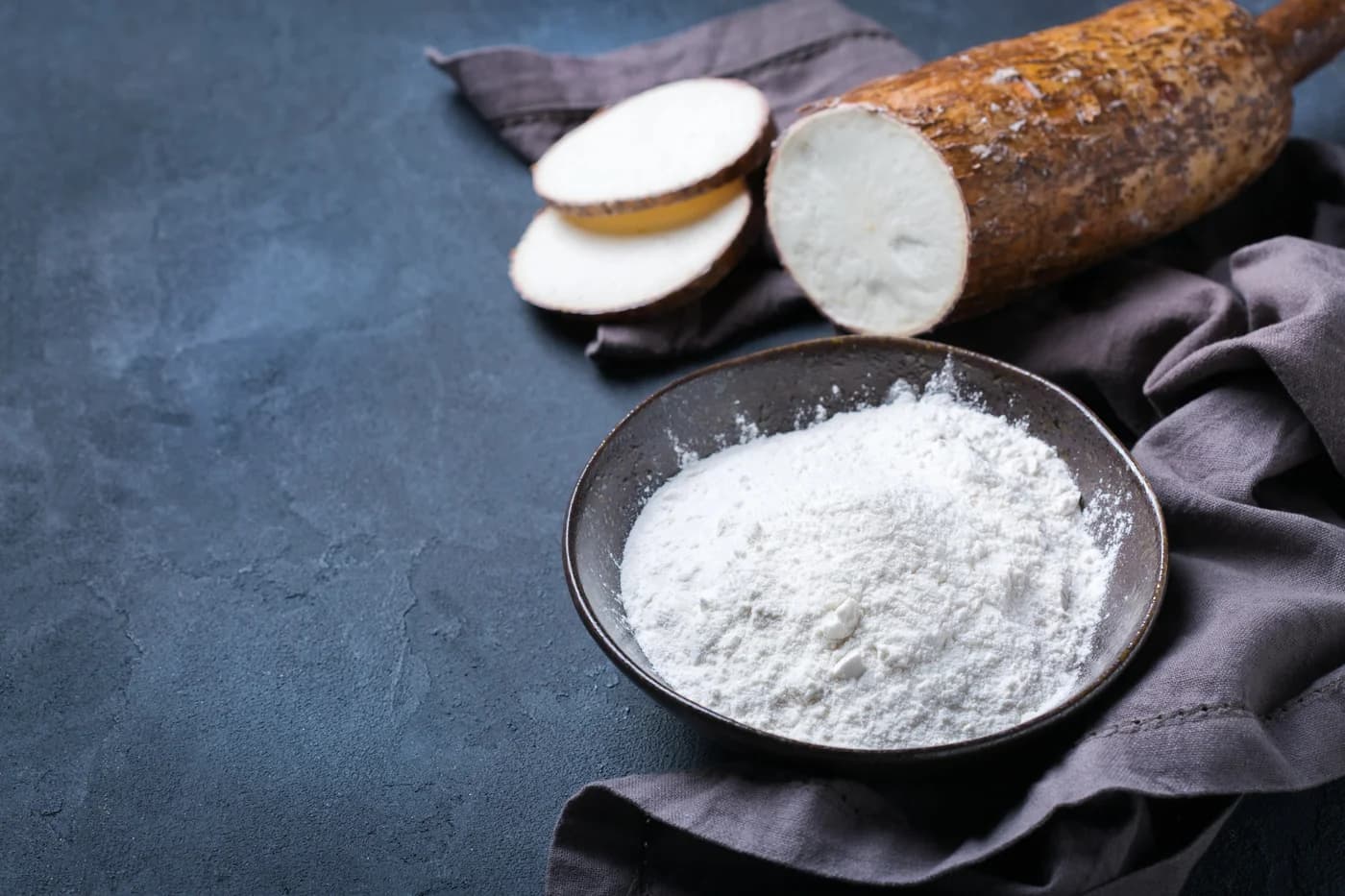
Tapioca is the starch extracted from cassava root. It is sold as pearls (sabudana), flakes or flour and used in sabudana khichdi, puddings, snacks and gluten-free baking. Because it is mostly starch, tapioca provides carbohydrate but little protein, fibre or micronutrients. That does not make it useless; it means the rest of the meal has to do more work. Portion, preparation and accompaniments decide whether a tapioca dish is balanced or simply a large bowl of quickly digested carbohydrate.
Sabudana is often linked with fasting meals in India, which gives it a health halo. A fasting dish can still be mostly starch and may be cooked with generous oil, potatoes or fried sides. Cultural suitability and nutritional balance are separate questions: respect the tradition while building a plate with protein, vegetables and a portion that suits the day. Our Navratri fasting diet guide has more ideas.
What is tapioca made from?
Cassava is a root crop; tapioca is its purified starch. During manufacturing the starch is separated, processed and dried into different forms. Sabudana pearls swell when soaked and cooked. Tapioca flour can thicken soups or support gluten-free recipes, but it lacks the bran and germ found in whole grains. Cassava flour, by contrast, includes more of the whole root, so the two are not interchangeable in recipes or nutrition.
A cooked serving contains plenty of available carbohydrate and little fat unless oil, ghee or coconut is added. Tapioca is naturally gluten-free, which helps people with coeliac disease when the product is certified and protected from cross-contact. Gluten-free does not mean high-fibre, though, and packaged gluten-free foods built on tapioca can carry considerable sugar, salt or fat. Compare labels, as our gluten-free foods guide explains.
Does it offer much nutrition?
Tapioca can provide energy when appetite is poor or when a soft, low-fibre food is temporarily useful. It is not a meaningful source of iron, calcium, protein or fibre. Calling sabudana "light" describes texture or tradition, not its effect on glucose or calories.
When tapioca regularly replaces a whole grain, the diet loses fibre and micronutrients. Rotate it with oats, daliya, brown rice, millets or whole-wheat foods. If you enjoy sabudana, improve the meal instead of banning it: add a measured amount of peanuts, plenty of vegetables and a bowl of curd, and avoid making deep-fried vadas the default.
How does it affect glucose?
Because the starch is readily digested, a large serving can raise blood glucose quickly. Cooking method, portion and accompaniments all shape the response. Vegetables, protein and some fat may slow the meal, but they do not erase the carbohydrate. People with diabetes can use glucose readings and professional advice to find an amount that fits, and may prefer lower glycaemic index foods on most days.
Sweet tapioca pudding combines starch with sugar and full-fat milk, and bubble tea adds syrup to a large drink. These are desserts, not hydration drinks. Labels such as vegan or gluten-free say nothing about sugar load.
How can meals balance it?
For sabudana khichdi, increase the vegetables and serve it with plain curd or a soy alternative. Use peanuts for flavour and crunch without letting them become half the bowl. Tapioca can thicken a vegetable soup, but add lentils, beans or tofu for protein. In baking, combine tapioca flour with other gluten-free flours rather than expecting it to behave like a whole grain.
Soak and cook pearls according to package directions. Do not leave prepared dishes at room temperature for long, especially when milk or curd is included; refrigerate leftovers promptly and reheat thoroughly. Store dry tapioca in an airtight container and discard it if insects, mould or a musty smell appear. Sticky pearls can be a choking risk for young children and older adults, so serve a suitable texture and supervise.
Is cassava safety relevant?
Raw or improperly processed cassava contains cyanogenic compounds that can release cyanide. Commercial tapioca has been processed to remove them, but raw cassava root should never be tasted or used without correct soaking and cooking. Buy from reliable food suppliers rather than following homemade starch instructions from social media. Tapioca allergy is uncommon, though reactions can occur.
The bottom line
Tapioca is a useful starch, not a nutrient powerhouse. Keep portions realistic, build protein and vegetables around it and use properly processed products.
Editorial sources
- Coeliac disease, NHS
- Cyanide content of cassava food products available in Australia, Foods 2022 (PubMed)
- Cassava processing, consumption, and cyanide toxicity, J Toxicol Environ Health 1994 (PubMed)
- Glycemic response of rice, ragi and tapioca compared with wheat in humans, Indian J Exp Biol 1993 (PubMed)
- Healthy diet fact sheet, World Health Organization
Frequently Asked Questions
Related Articles
Gluten Free Foods: A Practical Guide for Celiac Disease and Sensitivity
Indian kitchens already have a long list of naturally gluten-free options — rice, millets, pulses, and more — that can form a complete diet without.

Low Glycemic Index Foods: What They Are and Why They Matter for Blood Sugar
Low glycemic index foods raise blood sugar slowly and steadily instead of causing a sharp spike. See what glycemic index actually measures, and everyday.
Navratri Fasting Diet: What to Eat for a Balanced Fast
Traditional Navratri fasting foods — sabudana, kuttu atta, singhara atta, fresh fruit, and dairy — are fairly filling when combined well. See how to plan.

Potato Nutrition, Benefits, Portions and Cooking Methods
Potatoes are starchy vegetables that provide carbohydrate, potassium, vitamin C and some fibre, especially when the skin is eaten safely.