
Whole Milk: Nutrition, Portions and Everyday Uses
A practical look at whole milk for everyday meals, different appetites and dietary goals.
Key Takeaways
- Whole milk has more fat than reduced-fat milk.
- It can help when appetite is small.
- Weight loss does not require banning milk.
- Fat content does not change lactose or allergy issues.
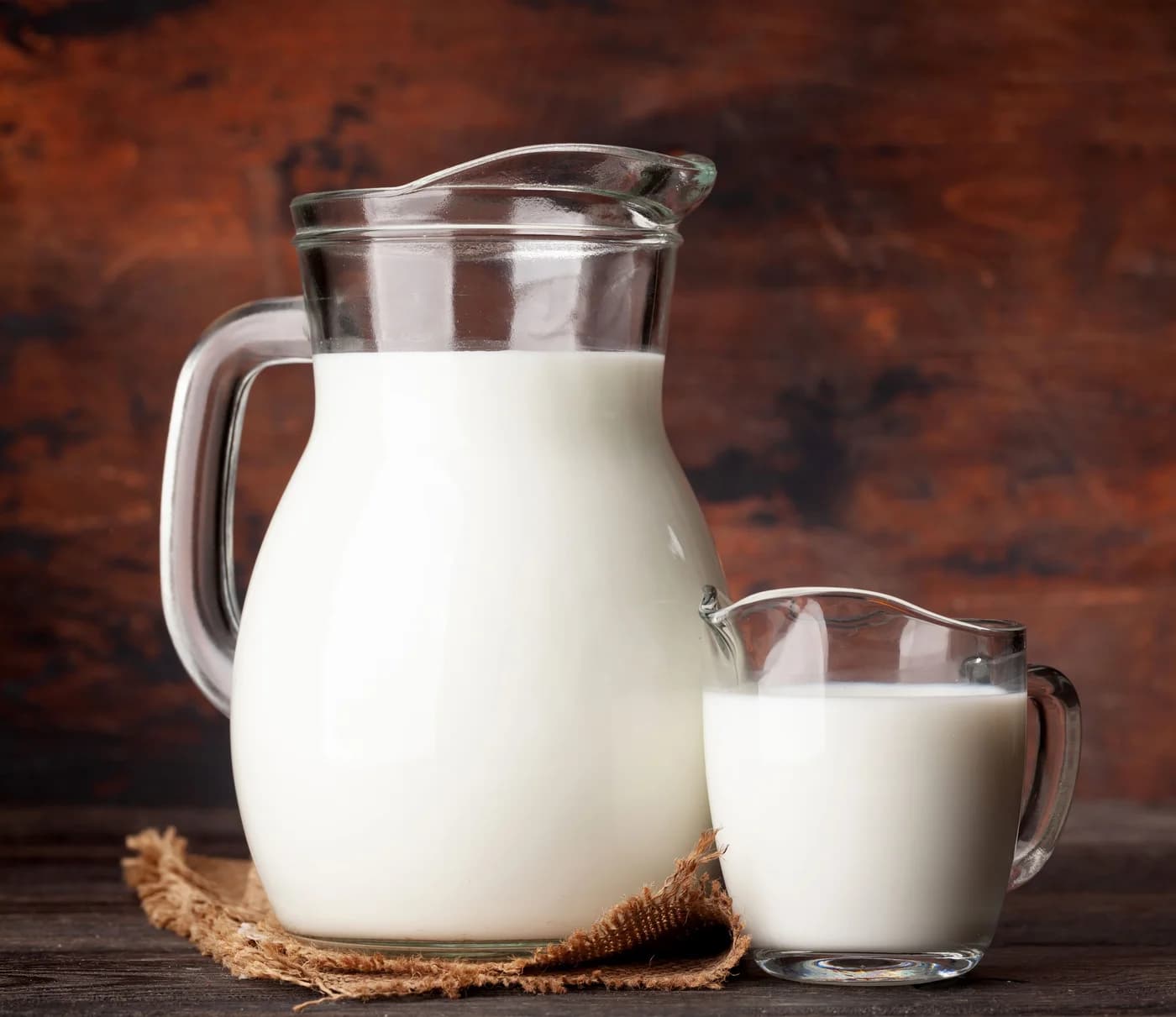
Whole milk has a creamy texture that works well in a cup, in porridge or in homemade curd. It also contains more fat than reduced-fat milk. That does not make it a food everyone must avoid or a superior choice everyone should buy. Its place depends on how much you use, what else you eat and whether the extra energy and saturated fat suit your needs.
What does whole milk mean?
Whole milk retains its usual milk-fat content rather than having much of that fat removed. The exact standard varies by country and product. In India, terms such as full cream, standardised and toned describe different categories, so they should not all be treated as identical.
Cow and buffalo milk can differ too. Buffalo milk often contains more fat and energy than ordinary whole cow's milk. A calorie figure for one cannot automatically be applied to the other.
For a practical comparison, look at the type you actually use at home. The point is not to memorise every milk category, but to avoid assuming that all creamy-looking milk has the same composition.
What a cup contributes
A cup of ordinary whole cow's milk, around 240 ml, provides roughly 150 calories and about 8 g of protein in standard food-composition data. It also supplies calcium, vitamin B12 and other nutrients. Actual products vary.
The protein and calcium are useful, but they do not come only with full-fat milk. Reduced-fat dairy can also supply them. Removing some fat does not turn milk into nutritionally empty water.
Vitamin D is a separate question because fortification varies. Do not assume all milk provides a substantial amount. Milk can contribute to a diet without being expected to meet every nutrient need by itself.
Where the fat difference matters
Milk fat includes saturated fat. For adults trying to reduce saturated fat, a lower-fat milk can be a practical swap, especially when several large cups are consumed daily.
The scale of the change matters. A splash of whole milk in tea is different from several full glasses plus generous servings of cream, butter and cheese. Consider the total pattern rather than judging one spoonful in isolation.
If you enjoy whole milk and use a moderate amount, it may fit. If you are choosing it because you believe reduced-fat milk has no nutrients, that belief is worth correcting before paying or eating more for the wrong reason.
Can it help when appetite is small?
Whole milk can be useful when someone needs more energy in a manageable volume. For an adult with poor appetite, it may be easier to include in porridge, a small milk-based snack or a meal than to add another large plate of food.
That is a practical use, not a treatment for unexplained weight loss. Persistent loss of appetite or weight needs attention to its cause.
Someone who is trying to gain weight can also build meals around pulses, nuts, paneer or tofu and other nourishing foods. Drinking large amounts of milk alone may crowd out variety and leave the rest of the diet less complete.
Weight loss does not depend on banning milk
Whole milk contains more energy than lower-fat versions, but one food does not determine whether your weight changes. The amount and overall intake matter.
If milk is a regular drink, switching to a lower-fat version may reduce energy without removing familiar foods. If your milk is heavily sweetened, reducing the added sugar may be another useful change.
Avoid treating a large sweetened milkshake as equivalent to a plain glass of milk. Syrups, ice cream, nuts and other additions can substantially change the finished drink. Enjoy a milkshake as the food it is rather than assuming all milk-based drinks support weight loss.
Make it work in the kitchen
Whole milk can give curd and sauces a richer texture. It can also be used in oats, dalia, rice pudding or a modest cup of coffee. Choose the amount and recipe according to the meal.
For breakfast, oats cooked in milk with fruit can be more substantial than a sweetened drink taken alone. For a savoury dish, a small amount of milk can soften a sauce without requiring extra cream.
If you change to lower-fat milk, expect a lighter texture rather than assuming the recipe has failed. Many everyday dishes work well with it. You can keep whole milk for the few preparations where you particularly enjoy the richness.
Lactose and allergy are not solved by fat content
Whole milk contains lactose, the natural milk sugar. It is not automatically easier to tolerate than lower-fat milk for someone with lactose intolerance. Lactose-free dairy may be a more direct alternative.
Cow's-milk allergy involves milk proteins and requires a different approach. Lactose-free milk and A2 milk are not standard substitutes for someone with this allergy.
If milk repeatedly causes digestive symptoms, do not assume the answer is to keep changing fat percentages. Consider the amount, the type of reaction and whether the symptoms need assessment. Breathing difficulty or facial swelling after a food needs emergency attention.
What about young children?
Children's milk needs depend on age and growth, so adult low-fat advice should not simply be applied to them. Cow's milk should not replace breast milk or infant formula as the main drink before 12 months.
After that, suitable pasteurised milk can have a place alongside varied foods. Avoid allowing large milk intakes to displace meals. The goal is nourishment across the day, not filling every gap with a bottle or cup.
For a child with poor growth, feeding difficulties or allergy, use an individual plan. Plant drinks and different dairy categories are not automatically interchangeable for this purpose.
Keep it safe and simple
Use pasteurised or appropriately heat-treated milk and follow storage instructions. A raw-milk or farm-fresh description does not establish safety. Refrigerate perishable milk and avoid leaving prepared drinks out in warm weather.
Whole milk earns its place through taste, convenience and nutritional contribution. Choose it when those qualities suit you, and consider a lower-fat version when reducing saturated fat or energy is the more useful goal.
Editorial sources
Frequently Asked Questions
Related Articles

Milk Nutrition: Protein, Calcium, Lactose and Choosing a Type
Milk provides protein, calcium, vitamin B12 and other nutrients, and fortified products may also add vitamin D. Learn how to choose a type.

Toned Milk: Meaning, Nutrition and Who It Suits
What toned, double toned, full-cream and skimmed milk mean on Indian milk packets, and how to pick the right one for children, adults and tea.

Buffalo Milk: Nutrition, Portions and Safety
Buffalo milk is richer than cow milk in fat, protein and energy. See how it compares, sensible portions, lactose and allergy facts, and safe handling.


Haldi Milk Benefits: Turmeric Milk Recipe & How to Make It
Haldi doodh, or turmeric milk, solves turmeric’s biggest problem — poor absorption — since milk’s fat helps curcumin absorb better. See the benefits and.