
Zinc Tablets: Elemental Dose, Interactions and Upper Limits
How to read a zinc tablet label for elemental zinc, which medicines need spacing, and why staying under 40 mg a day protects your copper levels.
Key Takeaways
- Check elemental zinc on the label; the compound weight (e.g. zinc sulphate) is much higher.
- Adults should keep total zinc from all sources under 40 mg a day unless a doctor advises more.
- Long-term excess zinc can cause copper deficiency, anaemia and nerve problems.
- Zinc binds some antibiotics; ask your pharmacist how far apart to take them.
- Give a tablet course a clear reason, dose and review date rather than taking it indefinitely.
Zinc is an essential mineral involved in immune function, wound healing, growth, taste and hundreds of enzyme reactions. A zinc tablet can correct or prevent deficiency when there is a genuine need, but it is not a general immunity booster, and requirements are measured in milligrams, which makes supplement doses easy to overshoot. This guide focuses on the practical side of taking tablets: reading the label, staying within safe limits and avoiding interactions. For who benefits from supplementation in the first place, see our guide to zinc supplement benefits.
Why the label can mislead you
The weight of a zinc compound is not the amount of zinc your body receives. What matters is elemental zinc. Zinc sulphate contains roughly 23% elemental zinc, zinc gluconate about 14% and zinc acetate about 30%. A tablet labelled "zinc sulphate 220 mg" therefore supplies about 50 mg of elemental zinc, which is more than the adult upper limit on its own. Front labels sometimes highlight the compound weight or a percentage of daily value, so read the supplement-facts panel carefully, and ask a pharmacist if the elemental amount is unclear.
For context, ICMR-NIN's 2020 recommended dietary allowance is about 17 mg a day for adult men and 13.2 mg for adult women, while the US recommendation is 11 mg and 8 mg. The tolerable upper intake level for adults is 40 mg a day from all sources, including food, multivitamins and cold remedies.
Who actually needs a tablet?
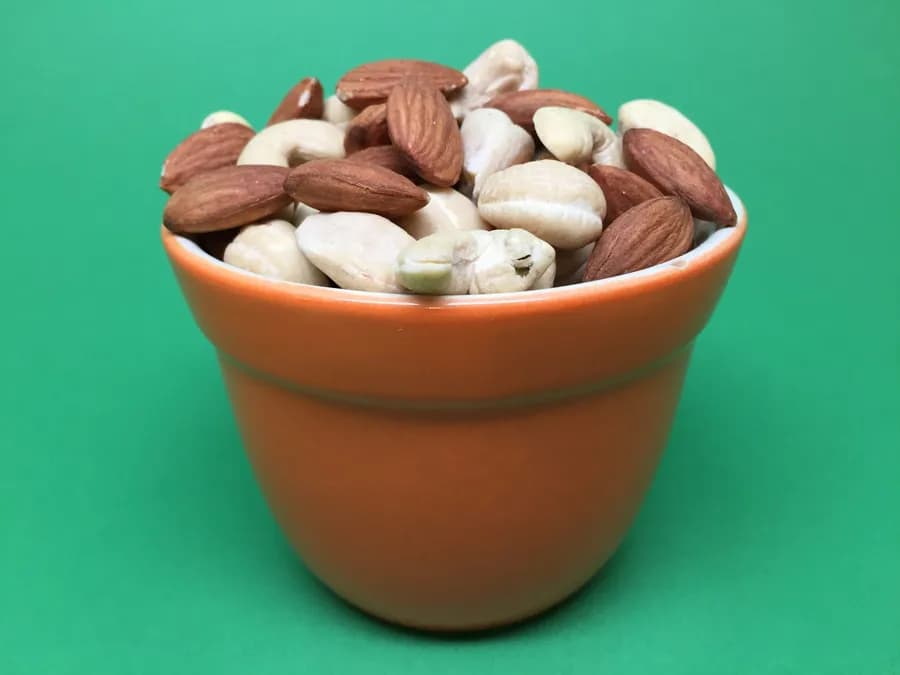
Tablets make most sense for confirmed deficiency, increased needs or a clinician-identified risk. Vegetarian sources include dairy, beans, lentils, chickpeas, tofu, whole grains, nuts and seeds such as pumpkin and sesame, and soaking, sprouting and fermenting improve absorption by reducing phytate. People with very restricted diets, malabsorption, inflammatory bowel disease, bariatric surgery, prolonged diarrhoea, pregnancy or breastfeeding may need closer assessment. Our zinc-rich foods guide covers food first.
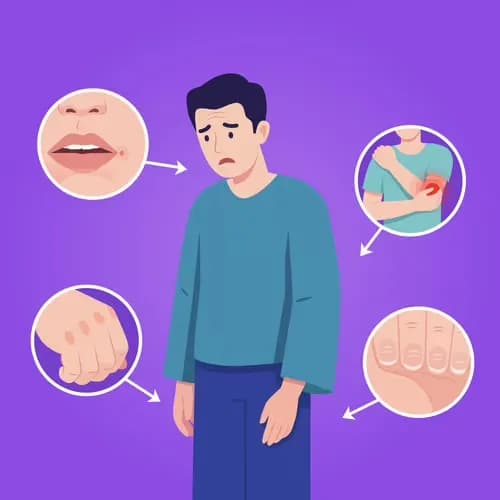
Possible deficiency signs, such as slow wound healing, altered taste, hair loss or frequent infections, are not specific to zinc. Iron deficiency, thyroid problems, medicines and infections can cause similar symptoms, and blood zinc tests have limits. Sudden loss of smell, ongoing mouth sores or difficulty eating deserve a proper diagnosis rather than a self-started high dose. See zinc deficiency symptoms for more.
What can tablets realistically do?
When deficiency is present, supplementation restores zinc status and improves related problems. Zinc lozenges started within a day of cold symptoms may shorten a cold modestly in some studies, but products and doses vary and side effects such as nausea and a bad taste are common. This does not mean routine zinc prevents colds or replaces medical care. Zinc nasal gels and sprays have been linked to long-lasting loss of smell and should be avoided.
Zinc is also marketed for acne, hair growth, fertility and testosterone. Benefits are more plausible when a person is deficient; evidence for high doses in well-nourished people is inconsistent. Persistent acne, infertility or hair loss needs diagnosis, because treatment depends on the cause.
How much is too much?
Taking a tablet on an empty stomach can cause nausea, abdominal pain or vomiting; high doses can also cause headache, dizziness and loss of appetite. A lower dose taken with food is usually easier to tolerate, unless your product or doctor says otherwise.
Long-term excess reduces copper absorption and can lead to anaemia and nerve damage, and may affect cholesterol and immune function. Doses above 40 mg are sometimes prescribed for a defined period with monitoring, but should not be self-started. Watch for stacking: a multivitamin, a separate zinc tablet and a zinc cold lozenge together can easily exceed the limit.
Which medicines need spacing?
Zinc binds tetracycline and quinolone antibiotics (such as ciprofloxacin) and reduces absorption of both the mineral and the medicine. Penicillamine, used for Wilson's disease and rheumatoid arthritis, also interacts, and some diuretics increase zinc loss in urine. Separation times differ by drug, so follow your pharmacist's instructions. High-dose iron supplements (25 mg or more) taken at the same time can reduce zinc absorption.
Tell your doctor about every supplement, especially in pregnancy, kidney disease or long-term treatment, and keep tablets away from children. Record the product, dose and start date, and review whether the original reason still applies, so a short course does not become a permanent habit.
The bottom line
Zinc is essential, but high-dose tablets are not harmless. Use a supplement for a defined reason, check the elemental dose, keep your total under 40 mg a day unless prescribed, and review long-term use with a qualified professional.
Editorial sources
- Zinc – Health Professional Fact Sheet, NIH Office of Dietary Supplements
- Zinc – Consumer Fact Sheet, NIH Office of Dietary Supplements
- Vitamins and minerals: zinc and others – NHS
- Zinc lozenges and the common cold: a meta-analysis – JRSM Open, 2017 (PubMed)
- Intranasal zinc and anosmia: the zinc-induced anosmia syndrome – Laryngoscope, 2006 (PubMed)
- Nutrient Requirements for Indians (2024 report) – ICMR-National Institute of Nutrition
Frequently Asked Questions
Related Articles

Zinc Supplement Benefits: When Food Isn’t Enough
A zinc supplement becomes relevant when diet alone can’t close the gap — confirmed deficiency, poor absorption, or higher needs during pregnancy or.

Zinc Rich Foods: The Best Vegetarian and Vegan Sources
Your body can’t store zinc for long, so it needs a steady daily supply from food. See the best vegetarian and vegan sources — no meat or seafood required.

Zinc Deficiency Symptoms: Signs You Shouldn’t Ignore
Zinc supports immunity, wound healing, taste, and skin repair — and its deficiency symptoms are easy to mistake for everyday tiredness. See the signs.