CBD Oil: What It Is and Why Wellness Claims Need Care
CBD is a biologically active compound rather than an everyday nutritional oil. Keep wellness claims separate from evidence for specific medical uses.
Key Takeaways
- CBD oil is not a cooking oil or a nutrient.
- CBD, THC and hemp seed oil are different.
- Sleep and anxiety claims are less settled than marketing suggests.
- Side effects and medicine interactions are possible.
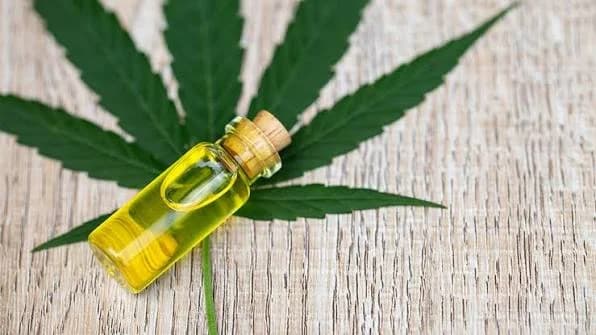
CBD oil is not an ordinary cooking oil or a nutrient needed for a balanced diet. CBD stands for cannabidiol, a compound from the cannabis plant. It is sold in oils, capsules, gummies and other products, often with promises about sleep, pain or anxiety. The evidence and risks depend on the preparation and purpose, so the broad word wellness tells you very little about whether a product will help.
CBD, THC and hemp seed oil are different
THC is the cannabis compound most associated with the intoxicating high. CBD does not produce the same typical high, but that does not mean it has no effects on the brain or cannot cause drowsiness.
Hemp seed oil is another ingredient entirely. It is pressed from seeds and used as a food oil; it should not be assumed to supply a medicinal CBD dose. A bottle labelled hemp oil can therefore create confusion unless the actual product is clear.
The oil carrying CBD may be a different edible oil. That carrier does not make CBD itself a heart-healthy fat or a substitute for the fats used in ordinary meals. Nutrition claims and drug-like effects are separate subjects.
A prescription medicine is not the same as a wellness bottle
A purified CBD medicine has evidence and regulatory approval in some countries for particular seizure disorders. In the United States, that prescription product is approved for specific conditions including Dravet syndrome, Lennox–Gastaut syndrome and tuberous sclerosis complex.
That is evidence for a defined medicine, dose and condition. It does not establish that an online oil treats every seizure disorder or that CBD gummies improve health generally.
It also does not determine the legal or prescription status of a product in India. Overseas approval should not be presented as a local shopping recommendation. The important clinical distinction is that a studied prescription preparation and an unverified wellness product are not interchangeable.
Sleep claims are less settled than the marketing
Feeling sleepy is different from having a dependable treatment for insomnia. Studies use different cannabinoid products, doses and participants, so results cannot all be applied to a small bottle marketed for bedtime.
A small randomised trial of CBD in people with insomnia did not establish a clear improvement across the main sleep outcomes compared with placebo. Larger and longer studies are needed before making broad promises.
If sleep is the difficulty, identify what is keeping it disrupted: late caffeine, irregular hours, pain, persistent worry or another sleep condition may need different responses. A sedating product does not automatically resolve the cause or improve next-day functioning.
Pain and anxiety need a specific plan
Research on cannabis-based medicines is often described as though it were all research on CBD alone. Some studies use combinations containing THC, and those findings cannot simply be assigned to a CBD-only oil.
Evidence does not support treating every backache, joint problem or anxiety symptom with the same product. A person may need physical rehabilitation, psychological treatment, medicine or another approach depending on the condition.
For a persistent problem, choose an outcome that matters: walking more comfortably, fewer panic episodes or sleeping adequately. A vague feeling that something is natural is not enough to judge whether treatment works. Do not abandon a useful prescribed plan because an oil is marketed as a gentler alternative.
Side effects can affect everyday safety
CBD can cause sleepiness, diarrhoea, appetite changes and other adverse effects. Liver injury is an important recognised risk with some exposures.
Alcohol and medicines that cause sedation can add to impairment. This matters for driving, operating equipment, caring for children or any task that needs alertness. Do not assume a product is safe before driving because it is described as non-intoxicating.
Yellow eyes, dark urine, persistent vomiting or marked unusual fatigue needs prompt assessment. A possible reaction should not be dismissed as a detox effect. Stop adding more of the product while the problem is being assessed.
Interactions are not solved by separating doses casually
CBD can affect how medicines are processed, and medicines can also alter CBD exposure. Taking the two a couple of hours apart does not reliably remove that risk.
This is especially relevant when treatment depends on carefully controlled drug levels. Someone using seizure medicines, blood thinners or several regular prescriptions should not experiment independently with CBD.
If a prescribed CBD medicine is part of your care, follow the monitoring and dosing plan for that medicine. Do not replace it with a retail oil because the milligram figure looks similar. Product composition and medical supervision are part of the treatment, not optional extras.
Who should avoid casual use?
Pregnant and breastfeeding people should avoid CBD products because of safety concerns and insufficient information about effects on the developing baby. Children should not receive casual wellness doses; a prescribed medicine for a specific condition is a different situation.
People with liver disease or a history of a reaction also have particular reasons to avoid unsupervised use. A lower starting amount does not make every risk disappear.
Keep oils and gummies away from children. A sweet format can make a drug-like product look like food, increasing the chance of accidental ingestion. Significant sleepiness, breathing problems or an accidental exposure in a child requires urgent medical or poison advice.
There is no universal wellness dose
Drops are not a standard dose: concentration and drop size can differ. A dose from a study cannot be converted into a general number of drops for everyone.
You do not need to work through a long buying checklist to decide not to start. When there is no clear indication and the benefit is uncertain, skipping the purchase is reasonable.
CBD deserves a discussion about a particular symptom and preparation, rather than a place beside ordinary food supplements. Better sleep, pain relief and mental-health care are worthwhile goals; the product still needs to earn its role in achieving them.
Editorial sources
Frequently Asked Questions
Related Articles

Sleep Anxiety: Why You Can’t Relax at Night
Sleep anxiety is uniquely self-reinforcing — the fear of not sleeping is often exactly what keeps you awake. See how the cycle forms, and the fastest way to break it.

Magnesium for Sleep and Anxiety: Which Form Works Best
Magnesium helps regulate the nervous system and the calming neurotransmitters that let your body wind down. See which form works best for sleep and.


Homeopathic Medicine for Deep Sleep: Does It Work?
Homeopathic medicine for deep sleep is low-risk and popular in Indian households, but the clinical evidence behind it is genuinely weak. See where it can reasonably fit into a sleep routine.