
Chamomile Tea for Sleep: Does It Really Work?
Chamomile tea for sleep has more real evidence behind it than most bedtime folk remedies — but it's a mild aid, not a sedative. See how it compares to warm milk and valerian root.

Key Takeaways
- Names apigenin, chamomile’s antioxidant, as binding to brain receptors tied to sleepiness.
- States the tea’s ritual and warmth add a behavioural cue a quick capsule doesn’t provide.
- Recommends steeping 5-10 minutes and drinking 30-45 minutes before bed for best effect.
- States chamomile works best as a nightly habit, not a rescue remedy for one bad night.
- Names valerian root as a stronger but far less pleasant-tasting herbal alternative.
- Names bananas’ magnesium, potassium, and tryptophan as a reasonable pre-bed snack pairing.
Chamomile tea for sleep is one of the oldest home remedies for a restless night, and unlike a lot of folk remedies, it has some real science behind it — chamomile contains an antioxidant called apigenin that binds to specific receptors in the brain associated with reduced anxiety and sleepiness.
Does chamomile tea for sleep actually work?
The evidence is modest but real: small clinical trials have shown chamomile tea for sleep can mildly improve sleep quality and reduce the time it takes to fall asleep, particularly for people with generalised anxiety or mild insomnia. It isn’t a strong sedative like a sleeping pill — the effect is gentle, which is exactly why it works best as a nightly habit rather than a rescue remedy for a genuinely bad night.
How chamomile compares to going straight to a supplement
Some people skip the tea altogether and reach for a chamomile extract capsule instead, on the assumption that a concentrated supplement must work better. In practice, the tea form has the advantage of being part of a calming ritual — the warmth, the act of preparing it, and the pause it creates before bed all add a behavioural cue on top of the mild pharmacological effect, something a capsule taken quickly with water doesn’t provide. For most people dealing with everyday restlessness rather than a diagnosed condition, chamomile tea for sleep is a reasonable and pleasant first step before considering a more concentrated extract.
Falling asleep after drinking chamomile tea for sleep
How to brew chamomile tea for sleep
- Use a fresh chamomile tea bag or 1-2 teaspoons of loose dried chamomile flowers
- Steep in hot (not boiling) water for 5-10 minutes — longer steeping extracts more of the calming compounds
- Drink it 30-45 minutes before bed, giving your body time to wind down before you actually lie down
- Avoid adding caffeine-containing additions; a little honey or warm milk is fine
Other home remedies for sleep worth comparing
- Valerian root for sleep — a stronger herbal option than chamomile, valerian root has more research behind it for reducing time to fall asleep, though its taste and smell are much less pleasant
- Warm milk sleep remedy — likely works partly through the ritual and warmth itself, and partly through tryptophan, an amino acid involved in serotonin and melatonin production
- Banana sleep remedy — bananas contain magnesium and potassium, which relax muscles, plus a small amount of tryptophan, making them a reasonable pre-bed snack
None of these need to be used alone — a cup of chamomile tea alongside a magnesium-rich routine like the one covered in magnesium for sleep and anxiety is a common, sensible combination.
Other calming teas often compared to chamomile
- Valerian root tea — stronger sedative effect than chamomile, but a much more pungent, earthy taste that many people find harder to enjoy nightly
- Lemon balm tea — a milder, citrusy-tasting option in the same mint family as chamomile’s calming relatives, often blended with chamomile itself for a gentler combined effect
- Passionflower tea — traditionally used for anxiety-linked restlessness, with a small but growing evidence base similar in strength to chamomile’s
- Lavender tea — less commonly used than lavender oil, but some people prefer drinking it to diffusing it, particularly if they dislike strong diffused scents in the bedroom
Chamomile tends to be the most palatable and widely available of these, which is part of why it remains the default recommendation even though valerian root technically has a stronger sedative effect in some studies.
Does the type or brand of chamomile tea for sleep matter?
Loose, whole dried chamomile flowers generally retain more of the calming apigenin compound than heavily processed tea bags, particularly older or cheaply stored ones, since the active compounds degrade with time and heat exposure. German chamomile (Matricaria chamomilla) is the variety most studied for sleep and anxiety, and is what most commercial chamomile tea for sleep products use, as opposed to Roman chamomile, which is used more in aromatherapy than as a drink. Buying from a brand with reasonable turnover, and storing tea bags away from heat and light, helps preserve potency until you actually brew it.
Who should be cautious with chamomile tea for sleep
Chamomile is generally very safe, but people allergic to ragweed, daisies, or marigolds should be cautious, since chamomile belongs to the same plant family and can trigger a similar allergic reaction. It can also mildly interact with blood-thinning medication, so anyone on anticoagulants should check with a doctor before making it a nightly habit. Pregnant women are typically advised to keep chamomile tea occasional rather than a daily habit, on their doctor’s advice.
Frequently Asked Questions
Related Articles
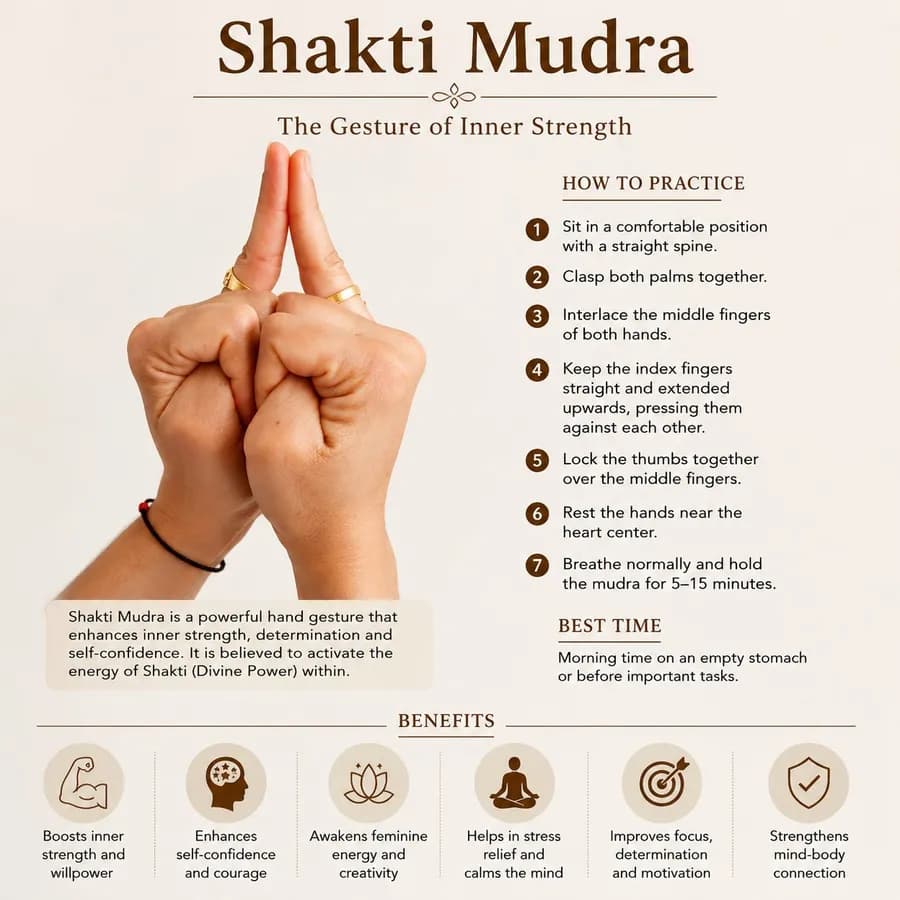
Mudra for Sleep (Shakti Mudra): Steps, Benefits, and Precautions
Shakti Mudra and Prithvi Mudra activate the parasympathetic nervous system and establish a conditioned pre-sleep signal when held for 10-15 minutes before


How to Get Deep Sleep: 7 Proven Ways to Improve and Lengthen Deep Sleep
Deep, slow-wave sleep is when the body physically repairs and the brain clears waste — the single most important phase for health and recovery. See 7 proven ways to improve and lengthen it.
