
Magnesium for Sleep and Anxiety: Which Form Works Best
Magnesium helps regulate the nervous system and the calming neurotransmitters that let your body wind down. See which form works best for sleep and.


Key Takeaways
- Magnesium supports GABA, the neurotransmitter that quiets nervous system activity.
- Magnesium glycinate is usually the top pick for sleep and anxiety specifically.
- Magnesium oxide is poorly absorbed and not well suited for this particular use.
- Typical starting dose is 200-400mg, taken 30-60 minutes before bed.
- Give it a couple of consistent weeks rather than expecting an effect on night one.
Magnesium for sleep and anxiety works because this mineral helps regulate the nervous system, supporting the calming neurotransmitters that let your body wind down and your mind settle. Not every form of magnesium works equally well when you’re using magnesium for sleep and anxiety, which is why picking the right one matters more here than it does for general nutrition.
Why magnesium for sleep and anxiety actually works
Magnesium regulates GABA, a neurotransmitter that quiets nervous system activity, and it also helps manage cortisol, the stress hormone that keeps you wired at bedtime. Low magnesium levels have been linked to poorer sleep quality and higher anxiety symptoms, which is why correcting even a mild shortfall through magnesium for sleep and anxiety support can noticeably improve both.
- Calms the nervous system by supporting GABA activity
- Helps regulate cortisol, easing the “wired but tired” feeling
- Relaxes muscles, which can reduce physical tension that disrupts sleep
- Supports melatonin regulation, indirectly aiding your sleep-wake cycle
Together, these mechanisms are why magnesium for sleep and anxiety is often recommended as a first, food-and-supplement approach before turning to other options.
Which magnesium is best for sleep and anxiety
Not all magnesium supplements are the same, and the form matters most when you’re choosing magnesium for sleep and anxiety specifically:
| Form | Best for | Notes |
| --- | --- | --- |
| Magnesium glycinate | Sleep and anxiety specifically | Highly absorbable, calming, gentle on the stomach — usually the top pick |
| Magnesium citrate | General supplementation | Well absorbed but can have a mild laxative effect at higher doses |
| Magnesium threonate | Cognitive and sleep support | Crosses the blood-brain barrier well, more expensive |
| Magnesium oxide | Not ideal for this use | Poorly absorbed, mainly used for constipation relief |
| Magnesium malate | Energy and muscle support | Less specifically studied for sleep or anxiety |
For most people asking which magnesium is best for sleep and anxiety, magnesium glycinate is the most commonly recommended starting point, since it combines good absorption with a naturally calming amino acid, glycine.
Dosage: how much magnesium for sleep and calm
A typical starting dose is 200-400mg of elemental magnesium, taken 30-60 minutes before bed. It’s best to start at the lower end of that range and adjust based on how you respond, since individual tolerance varies. Taking it consistently for a couple of weeks, rather than expecting an immediate effect on the first night, tends to give a truer sense of whether it’s helping. This dosage range is generally considered safe when using magnesium for sleep and anxiety over the long term.
Photo: Christopher Sessums, CC BY 2.0, via Wikimedia Commons
Common mistakes when using magnesium for sleep and anxiety
- Choosing magnesium oxide because it’s cheap and widely available — it’s poorly absorbed and not well suited for sleep or anxiety support
- Expecting an instant sedative effect — magnesium works gradually by supporting the nervous system, not like a sleeping pill
- Ignoring food sources entirely — supplements work best alongside a diet already rich in magnesium; see our magnesium rich foods guide for what to add
- Taking it at the wrong time — magnesium for sleep works best taken shortly before bed, not first thing in the morning
The food side of this is worth reinforcing too — our magnesium rich foods guide has the fuller list of everyday sources to build a diet around, and if you’re also looking at other minerals, zinc supplement benefits covers one that plays into sleep and immunity as well.
Who should be cautious using magnesium for sleep and anxiety
Magnesium for sleep and anxiety is generally well tolerated, but a few groups should check with a doctor first rather than starting on their own. Anyone with kidney disease should be cautious, since impaired kidneys can’t clear excess magnesium efficiently, which can allow it to build up to unsafe levels over time. People taking muscle relaxants, blood pressure medication, or prescription sleep aids should also confirm there’s no interaction before adding a magnesium supplement. Pregnant or breastfeeding women should stick to doses cleared by their doctor rather than the general ranges discussed here. And anyone with a diagnosed anxiety disorder or chronic insomnia should treat magnesium for sleep and anxiety as a supportive habit alongside proper treatment, not a replacement for it.
Magnesium for sleep and anxiety: myths vs facts
Myth: More magnesium always means better sleep. Fact: Beyond correcting an actual shortfall, taking more magnesium for sleep and anxiety than your body needs doesn’t add extra benefit, and very high doses mostly just cause loose stools.
Myth: Any magnesium supplement will work the same way. Fact: Form matters — magnesium oxide, still common on pharmacy shelves, is poorly absorbed and a weak choice for sleep or anxiety compared to glycinate or threonate.
Myth: Magnesium is a sedative like a sleeping pill. Fact: It works by calming the nervous system over time rather than knocking you out, which is why magnesium for sleep and anxiety needs a couple of weeks of consistent use to show its full effect.
Frequently Asked Questions
Related Articles
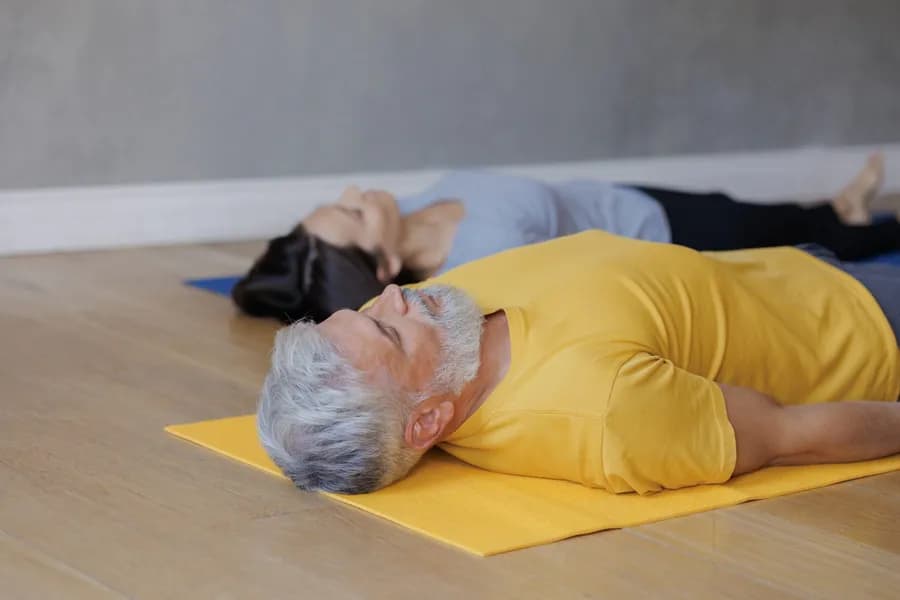
Yoga Nidra for Beginners: A Complete Guide
Yoga nidra, or yogic sleep, is one of the easiest ways into meditation — no sitting, no posture discipline, just lying down and following a guide's voice. Try a guided yoga nidra session with Habuild.

Meditation for Stress: A Simple Way to Calm Down
Meditation for stress won't erase the deadline or the difficult day, but it can change how your body and mind respond to it. Start with a short guided session from Habuild today.
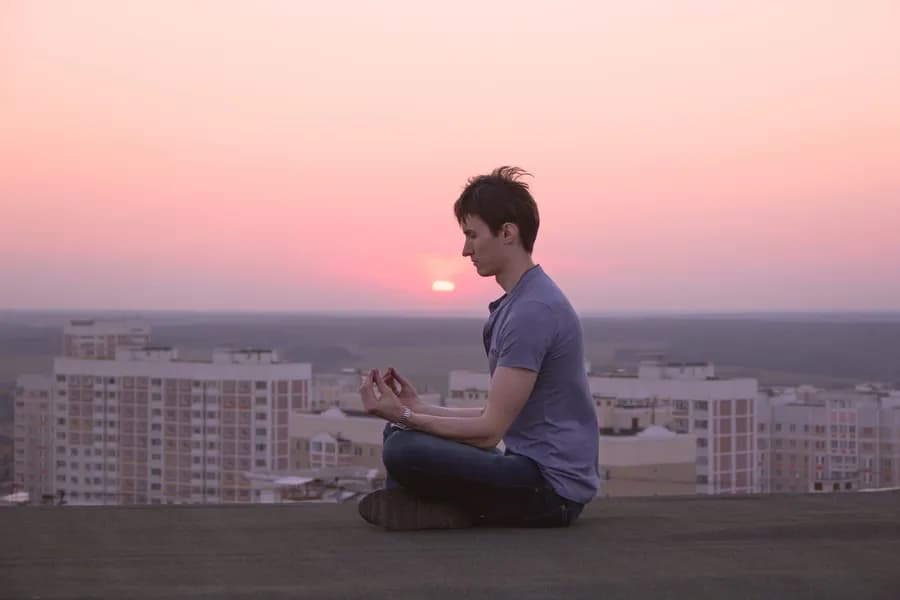
Meditation for Sleep: A Gentle Nightly Practice for Calm
Meditation for sleep won't knock you out like a pill, but it teaches your mind and body how to let go, night after night. Try a guided nightly practice with Habuild.