
Flat Stomach Goals: Bloating, Body Fat and What’s Realistic
A stomach that changes shape through the day is normal. Here is how to tell bloating from body fat, what eases bloating and when to see a doctor.
Key Takeaways
- A stomach that changes shape through the day is normal.
- Bloating and body fat are different problems with different solutions.
- Core exercises strengthen muscles but cannot spot-reduce belly fat.
- Persistent or painful swelling needs medical assessment.
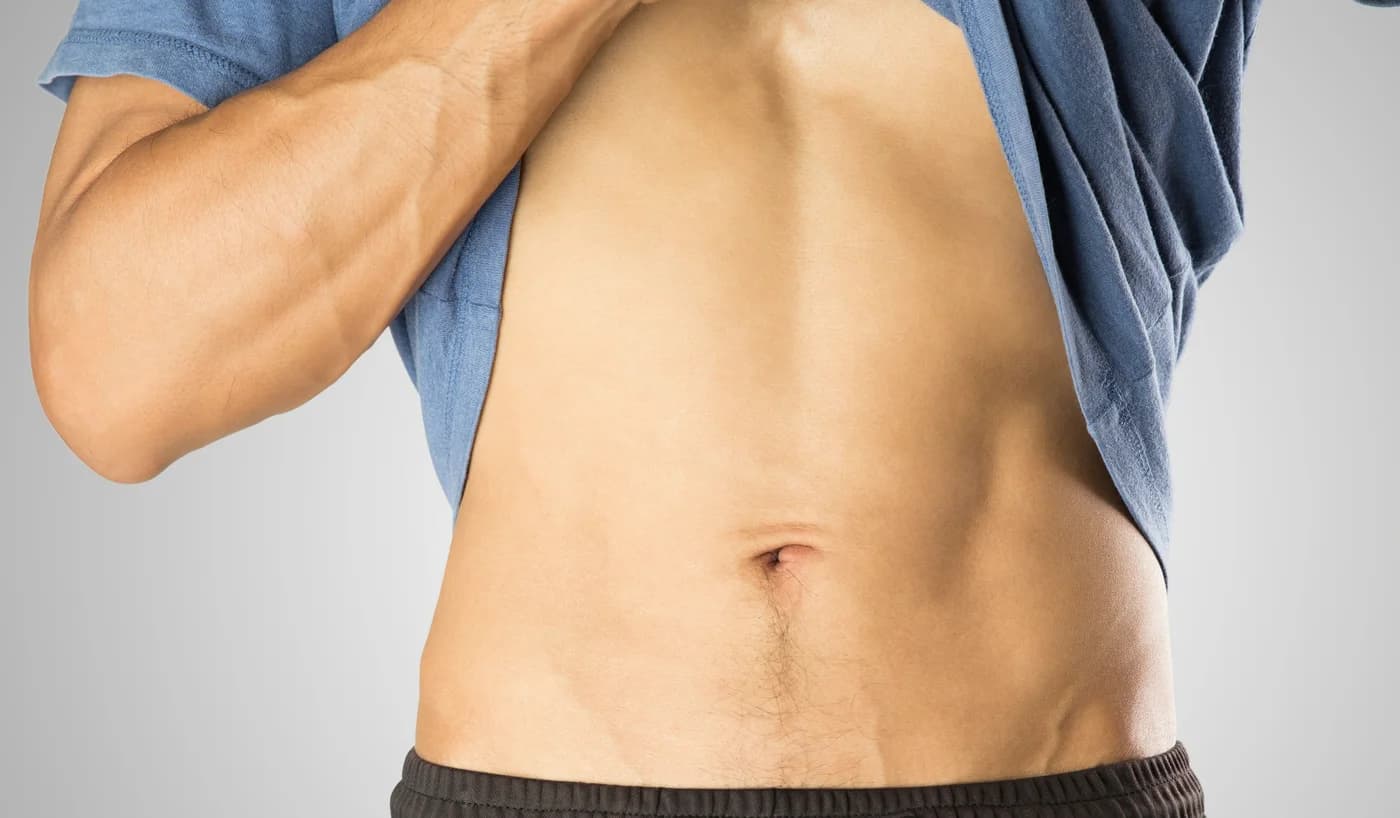
Scroll through social media for a few minutes and you’ll see a perfectly flat stomach everywhere. It can start to feel like a basic requirement for being healthy. It isn’t. A stomach that changes shape through the day is completely normal, and chasing one fixed look can do more harm than good. Here’s what’s actually going on, and what helps.
Why your stomach changes through the day
Your abdomen holds your digestive system, and food, water, stool and gas keep moving through it. That’s why you may look flatter in the morning and feel rounder by evening. Posture, tight clothes and even camera angles can change how it looks too.
Hormones play a part as well. Around your periods, temporary fluid shifts and bowel changes can make your stomach feel fuller. None of this is a failure of discipline. Comparing your relaxed body with a posed, well-lit photo on an empty stomach isn’t a fair match.
Bloating or body fat?
They can look similar in the mirror, but they behave differently. Bloating often feels tight or uncomfortable, and it comes and goes with meals, bowel habits or the time of day. Body fat doesn’t show up and vanish within hours.
If you’re often uncomfortable, spend a week noting what you eat, how you feel and any changes in your toilet routine. That record is far more useful than checking your waist every day. And if your worry is mostly about a photo or a pair of jeans, remember that normal bodies change shape.
Easing everyday bloating
A few simple habits go a long way:
- Eat at a relaxed pace instead of rushing.
- Notice whether fizzy drinks, very heavy meals or a sudden jump in fibre bother you.
- Add beans, dal and vegetables gradually. They can cause gas, but they’re still nutritious, so don’t cut them out for good.
- Keep drinking water, stay active and keep a regular toilet routine, since constipation can make your stomach feel fuller.
Please skip the detox teas and laxatives sold as flat-stomach fixes. They can cause real harm, and they only reduce stool and water, not body fat. They also can’t tell you why you’re bloated. If you’re curious about what actually supports your body, read our piece on how to detox your body naturally.
Can planks flatten your stomach?

Core exercises like planks and bridges are worth doing. They strengthen your muscles, support your posture and make everyday movement easier. What they can’t do is tell your body to burn fat from your belly. Fat can’t be removed from just one area, and genetics largely decide where your body loses it first.
A routine that mixes walking or other cardio with strength work is better for overall health. If you’d like a place to begin, try our abdominal workouts and our guide to strength training.
If fat loss is your goal
If fat loss is appropriate for you, it usually comes gradually, from steady, sustainable changes in your meals along with regular movement and strength training. Quick fixes rarely last.
Cutting out all carbohydrates or skipping meals may make your stomach look smaller for a day or two, but you’ll probably feel tired and hungry, and it’s hard to keep up. Look at your overall pattern instead. Regular meals with dal, vegetables, curd and whole grains, enough sleep and movement you enjoy will do more for you than any trick. Stress matters too, so have a look at our article on how to reduce stress naturally.
When swelling needs a doctor
Most bloating is harmless, but sometimes a change in your stomach points to a medical problem. Please see a doctor if you notice:
- Severe or persistent pain
- Repeated vomiting
- Blood in your stool, or black stool
- Fever
- Unexplained weight loss
- A hard or rapidly growing abdomen
- A lasting change in your bowel habits
A doctor can ask about timing and other symptoms and then choose the right tests. Please don’t treat an ongoing problem with exercise videos or food restrictions alone.
A kinder routine
Healthy routines don’t need to be harsh. Eat regular meals that give you enough nutrition, move in ways you enjoy and give yourself time to sleep and recover. Wear clothes that let you breathe and move comfortably.
If scrolling through edited photos leaves you feeling worse about your body, take a break from those accounts. You could also track things like strength, energy or comfort instead of your waist size. If thoughts about your body or food take up a large part of your day, it can really help to talk to a mental health professional who understands body image. A dietitian can also help if fear of food or repeated cycles of restriction have crept in.
Your stomach has a job to do. It doesn’t need to look the same in every outfit or after every meal.
A simple habit to try
The next time your stomach feels or looks different, ask yourself whether it’s temporary bloating or a lasting symptom, and respond with the right kind of care.
Editorial sources
Frequently Asked Questions
Related Articles

Bloating: Common Food Triggers, Simple Fixes and When to Get Help
Find the likely cause of your bloating, from eating fast to constipation or lactose, try one change at a time and know when to see a doctor.

Does Lifting Weights Burn Belly Fat? Here’s How
Weight training changes how your body stores and uses fat over time, not just how many calories you burn in a single session. See the science, exercises.


Does Yoga Reduce Belly Fat? What Actually Works
Not through spot reduction, but by strengthening the core, lowering cortisol, and improving digestion — yoga can meaningfully support fat loss around the.
How to Reduce Upper Belly Fat: Exercise, Diet and Yoga Methods
Fat above the navel responds to total body fat reduction, targeted upper abdominal development, and the cortisol management that addresses stress-driven.