
Bloating: Common Food Triggers, Simple Fixes and When to Get Help
Find the likely cause of your bloating, from eating fast to constipation or lactose, try one change at a time and know when to see a doctor.

Key Takeaways
- Swallowed air, fizzy drinks, large meals and constipation are common bloating triggers.
- Test one change at a time instead of cutting dal, milk and wheat all at once.
- Add fibre gradually and drink enough fluid if constipation is part of the problem.
- Do not stop gluten before coeliac testing, as it can affect the results.
- Bloating with weight loss, blood in stool, vomiting or severe pain needs prompt care.
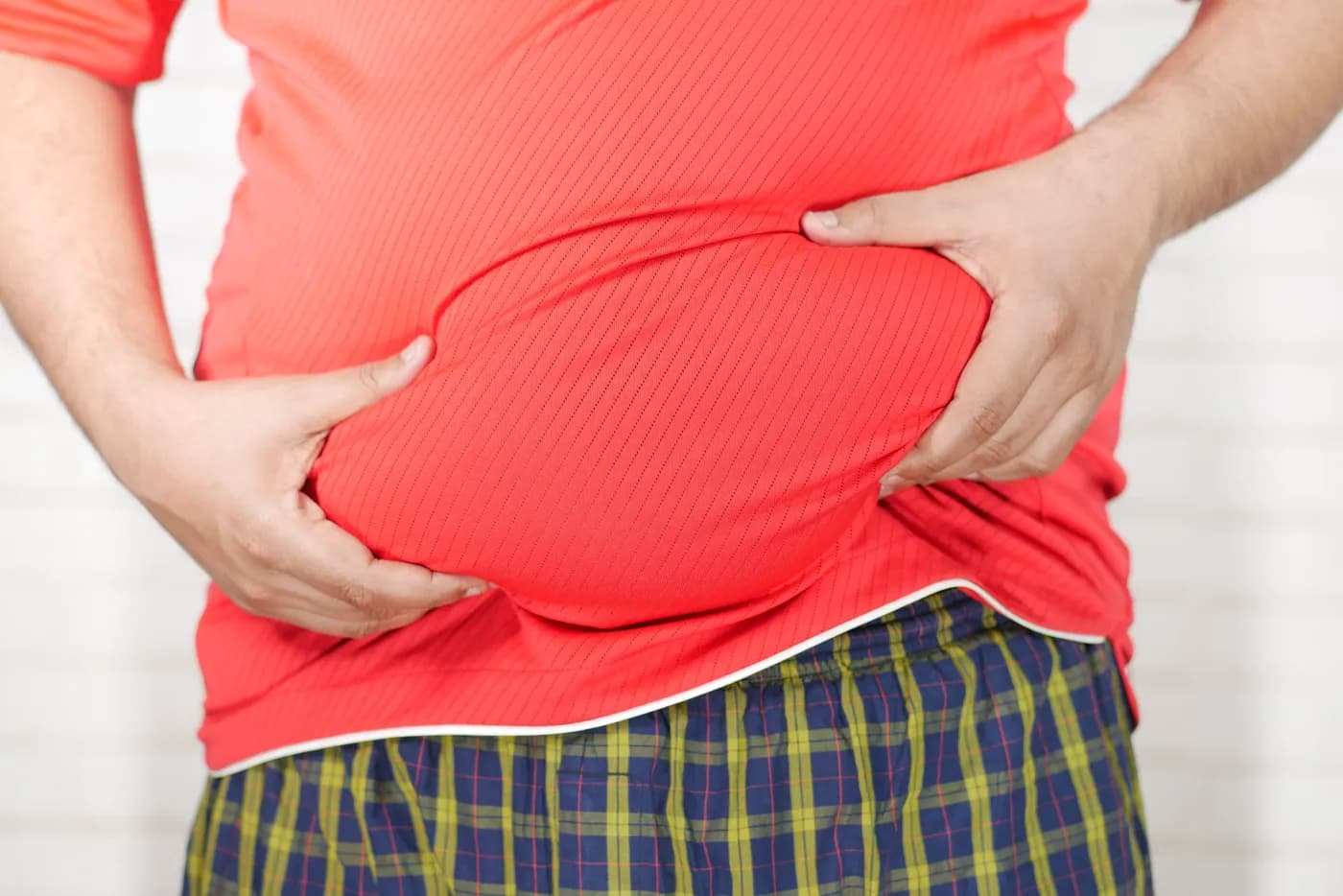
Bloating is a feeling of fullness or pressure in your belly. Your stomach may look swollen, or you may burp or pass more wind than usual. An occasional episode after a big meal is common. If it keeps happening, the most useful step is to find the likely cause rather than trying a long list of detox drinks and supplements.
Why you feel bloated
Gas is a normal part of digestion. You swallow some air when you eat and drink, and bacteria in the large intestine make gas as they break down carbohydrates that were not fully digested. A little pressure can therefore happen without anything being wrong.
Common everyday triggers
- Eating fast or talking while eating, which increases swallowed air.
- Fizzy drinks, alcohol and lots of caffeine.
- Large or late meals, especially rich, fatty or spicy ones.
- Constipation: when stool stays in the bowel longer, gas is harder to pass.
- Certain foods in large portions, such as beans, cabbage or lentils for some people, milk for those with lactose intolerance, and sugar-free sweets made with sugar alcohols.
Conditions that can play a part
Bloating can be linked to irritable bowel syndrome (IBS), coeliac disease or a food intolerance. Many people also notice bloating around their period. Stress can make gut sensations more noticeable, but that does not mean the discomfort is imaginary.
What you can try today
If you feel bloated after a heavy meal, loosen tight clothing and take a gentle walk if it feels comfortable. Avoid lying flat straight after eating if you also get heartburn. You do not need a special tea or a hard workout to push the gas out. For movement-based relief, see our guide on how to get rid of gas.
At your next meal, sit down, eat at a relaxed pace and chew with your mouth closed. Swap fizzy drinks for still water for a few days. Smaller, more regular meals may feel better than one very large dinner.
Peppermint tea or a warm pack may feel soothing, but mint can worsen reflux in some people. Skip any remedy that makes your symptoms worse.
If constipation is part of the problem
Add fibre a little at a time so your gut can adjust; a sudden large dose of bran or seeds can increase gas. Fruit, oats, cooked vegetables and dal are good starting points, and soluble fibre such as oats is often gentler. Drink enough water and other fluids unless you have been told to limit them. Our list of foods for constipation has practical options.
Dal, milk and other suspect foods
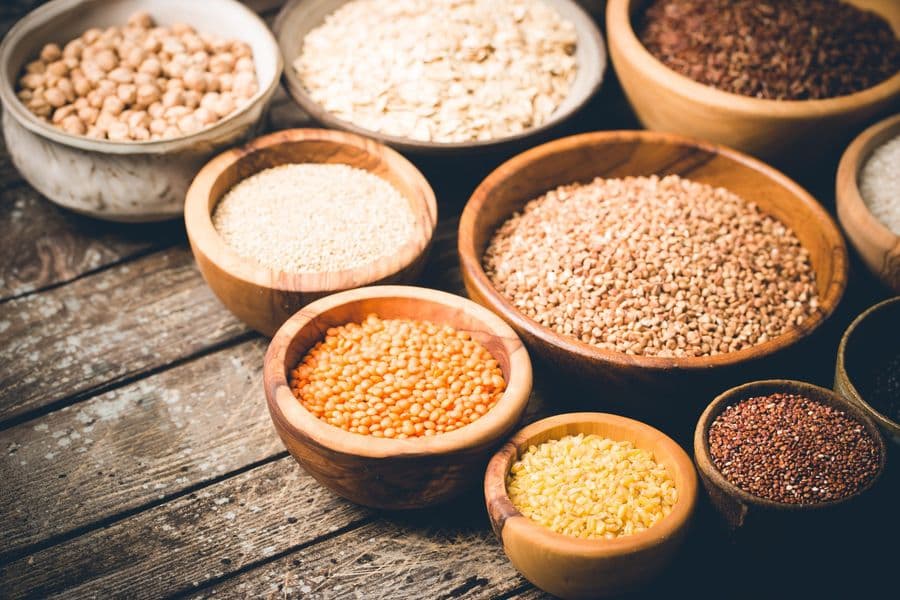
Pulses are valuable foods, so do not cut them out automatically. A large bowl after a long break is more likely to cause gas than a modest serving. Soak dried beans as your recipe requires, cook them thoroughly and start with lighter dals such as moong or masoor. Our guide on why dals cause gas explains soaking and cooking tips.
If one dish bothers you, look at the whole meal. A rich chole plate may also include onion, garlic, plenty of oil, raw salad and a fizzy drink. Change one factor at a time, for example a smaller serving with water instead of soda.
If bloating or loose stools regularly follow milk but not other meals, lactose intolerance is possible. A smaller serving, curd or lactose-free milk may help. Gas alone does not mean a milk allergy, which involves symptoms like hives, swelling or breathing trouble.
How to spot a pattern
For a week or two, note when bloating happens and what came before it: a large meal, a fizzy drink, constipation or a particular food. You do not need to weigh every ingredient. The aim is to find one change worth testing.
Do not cut out wheat before being tested for coeliac disease, because a gluten-free diet can affect the test results. A low-FODMAP diet can help some people with IBS, but it is meant to be a short trial followed by reintroducing foods, ideally with a dietitian, not a permanent restriction.
When bloating needs medical care
Get urgent help if bloating comes with a severe, sudden stomach ache, vomiting blood or material that looks like coffee grounds, a very swollen belly, or if you cannot pass stool or wind.
See a doctor if you feel bloated regularly, diet changes have not helped, or bloating comes with unintentional weight loss, blood in your stool, ongoing diarrhoea or constipation, or fever. Persistent bloating, feeling full quickly and needing to pee more often can occasionally be signs of ovarian cancer, so these should be checked rather than ignored.
Editorial sources
Frequently Asked Questions
Related Articles

How to Get Rid of Gas in Stomach: 7 Quick Methods That Actually Work
Stomach gas from food, stress, swallowed air, or sluggish digestion responds to movement, breath work, and dietary tweaks that address the root cause. See


How to Reduce Bloating: Fast Natural Relief through Yoga and Lifestyle
Yoga twists mechanically stimulate intestinal peristalsis while pranayama’s vagal activation normalises the gut-brain axis governing motility. See the.

Foods for Constipation: Everyday Choices That Help
Which fruits, grains, pulses and vegetables ease constipation, how to add fibre without gas, and how to use isabgol safely.

Dals Cause Gas? Simple Digestion Tips
Dals cause gas for many people because of fibre and complex carbs. Learn simple ways to soak, cook and eat dal for better digestion.