
Green Tea for Hair: Does It Help Growth or Reduce Hair Fall?
Green tea is a pleasant drink, but hair-growth claims go beyond the evidence. Learn what rinses and extracts can—and cannot—offer.
Key Takeaways
- Drinking green tea is not a hair-loss treatment.
- A rinse may smooth hair but not thicken it.
- Extract capsules need a separate, careful decision.
- Find the cause of thinning before trying remedies.
A cup of green tea is a drink. A green tea rinse is a homemade hair treatment. A capsule containing concentrated green tea extract is a supplement. They may share an ingredient, but they are very different products. Much of the advice about green tea for hair blurs those differences and makes the evidence sound stronger than it is.
If you enjoy green tea, there is usually no reason to give it up for your hair. But drinking more cups or pouring tea over your scalp has not been shown to reliably regrow thinning hair. Here is how to separate an interesting idea from a useful hair-care decision.
Why is green tea linked with hair growth?
Green tea contains plant compounds called catechins. One of them, EGCG, has been studied for its effects on hair follicles. Researchers have reported encouraging findings in laboratory work involving hair follicles and cells associated with hair growth.
That is an early step in research. A follicle studied under controlled conditions is different from a person's scalp, where hormones, inflammation, genetics and the hair cycle all matter. A substance reaching cells in a laboratory does not tell us how much reaches those cells from a drink or rinse.
Research on products containing several ingredients creates another problem. If a combination helps, it does not show that green tea alone was responsible. Neither kind of study provides a proven recipe for homemade hair treatment.
Drinking tea is not a treatment for hair loss
No established number of cups of green tea has been shown to stop hair fall. Claims such as “three cups daily for thicker hair” turn a familiar drink into an untested prescription.
You can enjoy it for its flavour, with breakfast or during an afternoon break. Keep its caffeine in mind, especially if it affects your sleep or makes you feel jittery. There is no hair-related reason to drink it late at night or force yourself to have it on an empty stomach.
Green tea also cannot make up for regularly missing meals. Hair depends on adequate nutrition over time. Someone who is eating too little needs a more nourishing food pattern, rather than a different tea.
What about a green tea rinse?
There is not good clinical evidence that a homemade green tea rinse treats thinning hair, dandruff or a scalp infection. It may make a wash-day routine feel pleasant, but that experience is not proof of new hair growth.
If you still want to try one, keep it simple. Use freshly brewed tea that has cooled, avoid adding lemon juice or essential oils, and stop if your scalp stings or becomes itchy. Do not use a hot brew, leave a damp preparation sitting around for days, or apply it over broken skin.
A rinse should not replace shampooing when your scalp needs cleaning. It also should not replace an effective dandruff treatment. Persistent flakes, soreness or crusting need attention to their cause; repeated homemade mixtures can make it harder to work out what is irritating the scalp.
A smoother strand is different from a fuller head of hair
Hair conditioners and other cosmetic products may contain green tea extract. A product can make hair feel softer, reduce tangling or improve its appearance without changing the number of hairs growing from the scalp.
Those are still useful effects if the product suits you. Less tangling can make handling easier, particularly for long or textured hair. But judge a conditioner by how your hair behaves after washing, rather than assuming its botanical ingredient treats hair loss.
Photographs advertising “growth” can also be misleading. Different lighting, wet versus dry hair, a changed parting or added styling volume can create a dramatic difference. A glossy surface is not the same outcome as regrowth.
Capsules deserve a separate decision
Concentrated extracts are not simply tea in a convenient form. They can deliver different amounts of active compounds, and their safety cannot be assumed from the long history of drinking tea.
Rare liver injury has been reported with green tea extracts, mainly products taken as supplements. Interactions with some medicines are also possible. That is a substantial trade-off for a hair benefit that has not been established.
Do not choose an extract because a product promises “DHT blocking”, detoxification or a natural cure for baldness. Those phrases do not show that the finished product works. Ordinary tea is an optional beverage; an extract marketed for hair growth is a separate intervention with separate risks.
Work out what is happening to your hair
A few hairs in a comb are normal. A widening part, a receding hairline, distinct bald patches and sudden heavy shedding are different patterns, and they do not all respond to the same approach.
Shedding can follow illness, childbirth, rapid weight loss or other stress on the body. Breakage can follow repeated heat, bleaching or tight hairstyles. Inherited pattern hair loss has another explanation again. A tea rinse cannot resolve all of these problems.
If you notice persistent thinning, patchy loss, scalp pain or a sudden change, an assessment can help identify the cause while treatment options are still useful. Bring a clear description of when it began and whether the scalp itself feels different. You do not need a cupboard full of products before seeking that answer.
Put your effort where it helps day to day
Treat wet hair gently, detangle without pulling and avoid hairstyles that repeatedly put tension on the roots. Reduce unnecessary high heat if your strands are breaking. Give your scalp a routine that is comfortable enough to maintain.
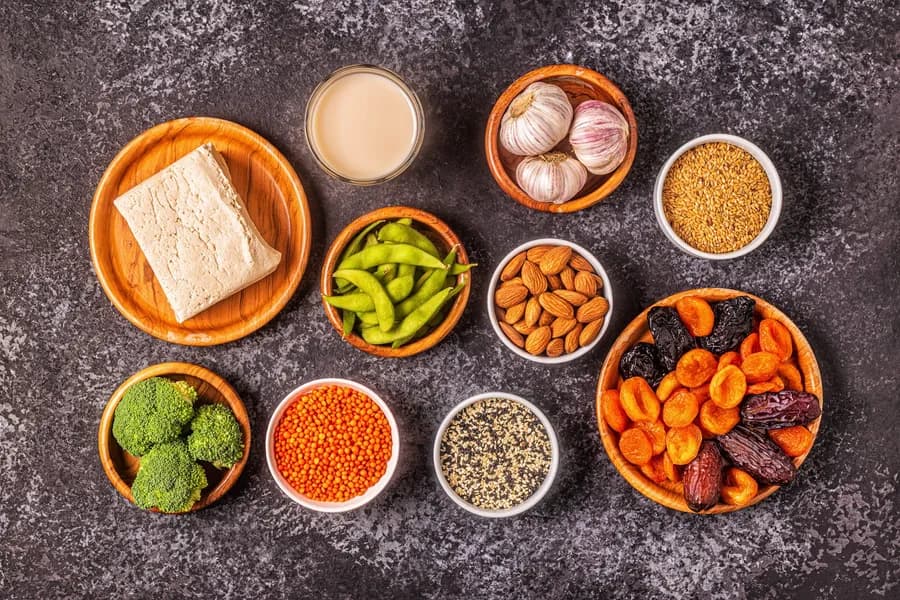
With food, regular meals containing a protein source are more useful than chasing one hair ingredient. Dal, beans, tofu, paneer and curd can all contribute. Avoid making several changes at once: you will spend more and learn less about what actually suits your hair.
Keep green tea in the role you enjoy it for. If that is a warm drink during a quiet break, it already has a perfectly good place in your day.
Editorial sources
Frequently Asked Questions
Related Articles
Yoga for Hair Fall
Chronic cortisol elevation, poor scalp microcirculation, and hormonal shifts are the three most common and most correctable drivers of hair fall. See how.

How to Stop Hair Fall — Causes, Exercises, and the Honest Daily Routine That Actually Works
Hair fall has multiple drivers — stress, nutritional deficiency, hormonal imbalance, poor scalp circulation, and genetics — and the right approach addresses these root causes systematically. See the exercises and daily routine.

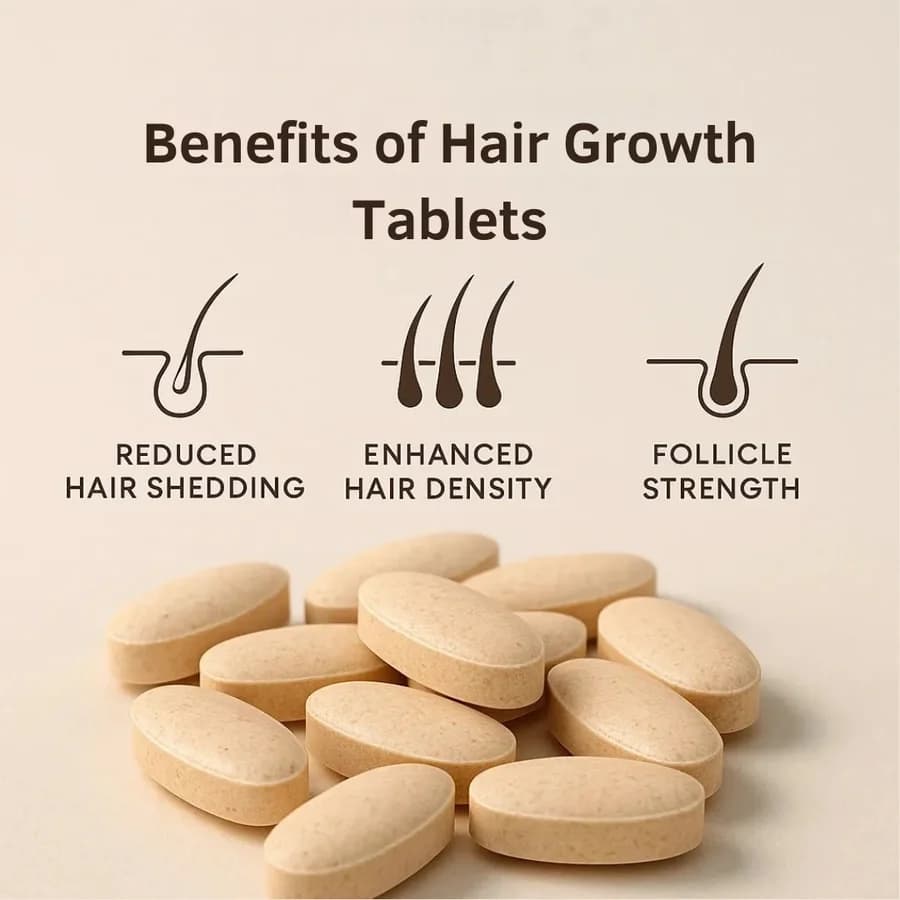
Hair Growth Tablets: What Helps and What to Skip
Choose hair-loss care for a clear purpose rather than relying on a general beauty supplement.

Vegetarian Foods for Hair Growth
Food supports normal hair growth but cannot fix every type of hair loss. Learn key vegetarian nutrients, supplement risks and when to seek care.
