
Normal Heart Rate While Sleeping: What's Healthy?
Your heart slows down when you sleep. Learn what a normal sleeping heart rate looks like, what can push it up at night and when a reading is worth checking with a doctor.
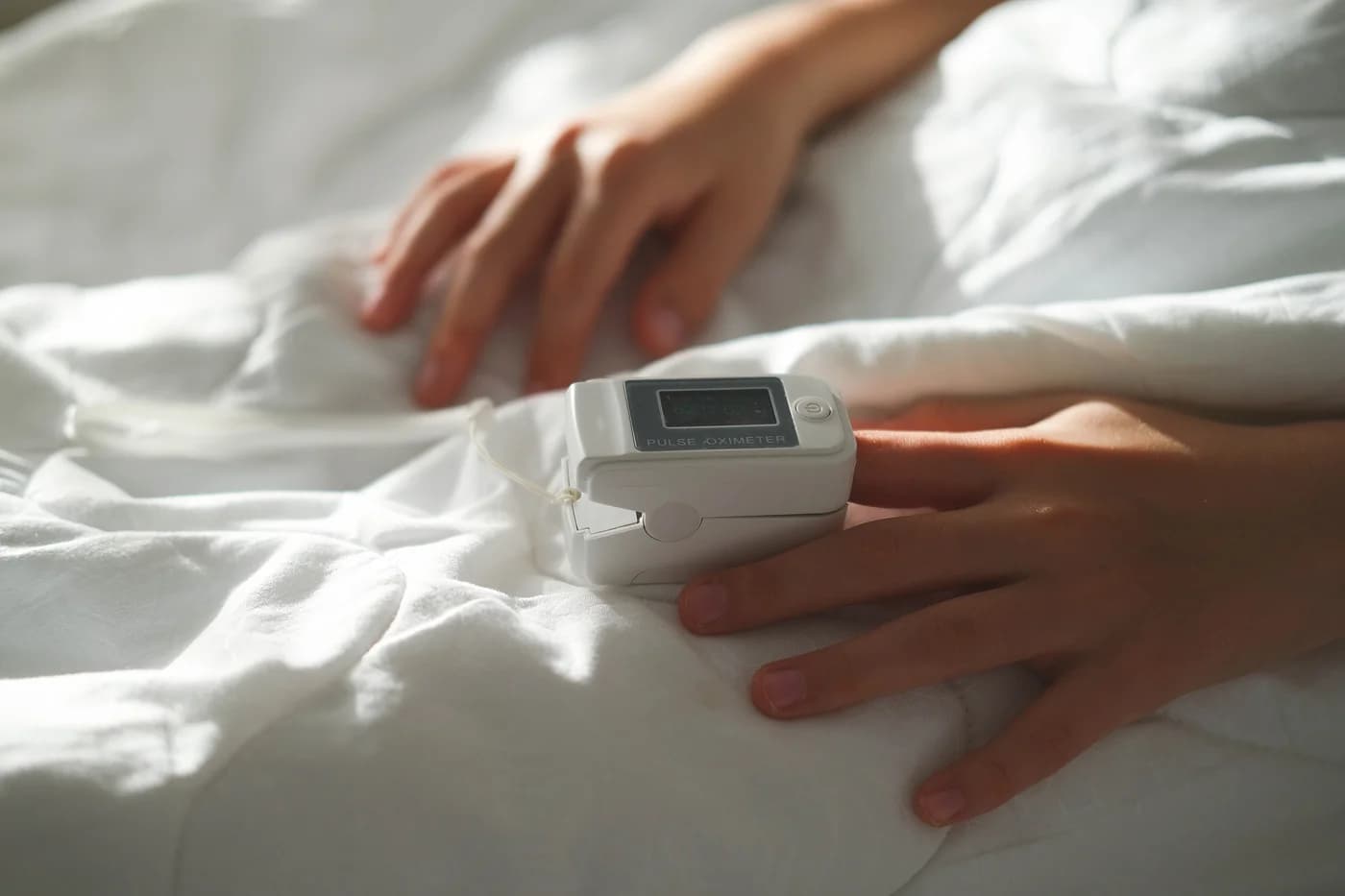
Key Takeaways
- A normal resting heart rate for most adults is 60 to 100 beats per minute (bpm) while awake.
- During sleep it usually drops by about 20 to 30%, often to around 40 to 60 bpm.
- Heart rate is lowest in deep sleep and can rise to near-waking levels during REM sleep.
- Alcohol, heavy late meals, stress, fever and later bedtimes can raise your heart rate at night.
- See a doctor if a low heart rate comes with dizziness or fainting, or if you have breathing pauses.
What Is a Normal Heart Rate While Sleeping?
When you're awake and resting, a normal heart rate for most adults is between 60 and 100 beats per minute. Once you fall asleep, your body doesn't need to work as hard, so your heart slows down. According to the Sleep Foundation, a sleeping heart rate typically falls by around 20 to 30% from resting levels, which puts it at roughly 40 to 60 bpm for many adults.
These numbers are a guide, not a strict rule. Your own normal depends on your age, fitness, medicines and general health. What matters most is your usual pattern and whether you have any symptoms, rather than a single number on a single night.
Why Your Heart Slows Down at Night
Your heart rate is controlled partly by the autonomic nervous system, the part of your nervous system that runs things automatically. It has two main branches. The sympathetic side speeds things up and prepares you for action, while the parasympathetic side slows things down and supports rest and recovery.
As you drift into sleep, the balance shifts towards the calming, parasympathetic side. Your heart rate, blood pressure and breathing rate all ease off. This nightly slowdown is a normal and healthy part of how your body recovers.
How Heart Rate Changes Through the Sleep Stages
Sleep isn't one steady state. Through the night you cycle through lighter non-REM sleep, deep non-REM sleep and REM (rapid eye movement) sleep, the stage linked with vivid dreaming.
A research review on heart rate during sleep describes a gradual fall in heart rate and blood pressure as you move from light into deep non-REM sleep, with the lowest values in deep sleep. REM sleep is different. Heart rate and blood pressure tend to rise and fluctuate, and the Sleep Foundation notes that in REM your heart rate may speed up to levels similar to when you're awake.
So if a sleep tracker shows your heart rate dipping and then bouncing up a few times in the night, that may simply reflect you moving through normal sleep cycles. Early in the night, when deep sleep is more common, you may see your lowest readings.
How Age and Fitness Affect Sleeping Heart Rate
Fitness has a big effect. Regular aerobic exercise makes the heart more efficient, so it can pump enough blood with fewer beats. The Sleep Foundation notes that athletes and very fit people may have resting heart rates as low as 30 bpm, and Cleveland Clinic says a naturally low heart rate in athletes is not usually a cause for concern.
Age matters too. Heart rate patterns change across life, and children generally have faster heart rates than adults. Medicines such as beta-blockers can also slow your heart, so it's worth knowing what's normal for you rather than comparing yourself with others.
What Can Raise Your Heart Rate at Night
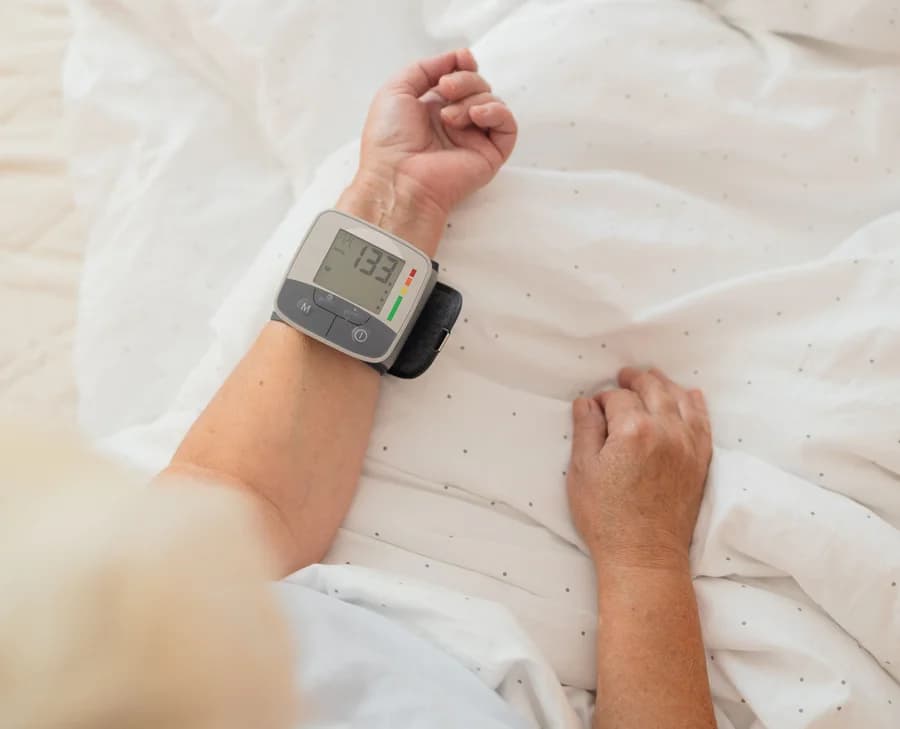
Several everyday habits and health problems can keep your heart rate higher than usual while you sleep.
Alcohol is one of the most common. The Sleep Foundation explains that alcohol can increase your heart rate during sleep, even if a drink makes you feel drowsy at first. Heavy meals close to bedtime can have a similar stimulating effect, as your body works to digest the food.
Exercise and stress can both raise heart rate. Regular exercise tends to lower resting heart rate over time, but a hard workout late in the evening may leave your heart rate a little higher as you fall asleep. Ongoing stress and anxiety can keep your body on alert, which may show up as a higher heart rate at night. Even timing matters: the Sleep Foundation reports that going to bed just 30 minutes later than usual has been linked with a higher resting heart rate during sleep.
Illness plays a part as well. A fever raises your heart rate, so readings during a cold or infection can look higher than normal. Sleep apnoea, a condition where breathing repeatedly stops and starts during sleep, is another important cause of unusual heart rate patterns. The research review on heart rate during sleep notes that people with obstructive sleep apnoea usually have higher resting heart rate and blood pressure, and that breathing pauses cause surges of sympathetic activity and changes in heart rate.
What About Heart Rate Variability?
Heart rate variability, or HRV, is the small variation in time between one heartbeat and the next. It isn't a sign of an irregular heart. A healthy heart doesn't beat like a metronome; it constantly adjusts to signals from your nervous system.
Researchers use HRV to study how the autonomic nervous system behaves during sleep, and it differs between sleep stages. HRV numbers vary a lot from person to person, so they are most useful when you look at your own trend over weeks rather than comparing a single reading with someone else's.
What Your Wearable Is Telling You
Smartwatches, fitness bands and smart rings can track your heart rate through the night, and the Sleep Foundation notes that a smartwatch is one way to measure sleeping heart rate at home. Many devices also estimate HRV and sleep stages.
These devices are helpful for spotting patterns, such as a higher heart rate after an evening drink or a late meal. But they are estimates, not medical tests, and a formal sleep study gives more accurate readings. If your device shows something unusual, treat it as a reason to pay attention rather than a diagnosis.
When to See a Doctor
A low heart rate during sleep is usually normal, especially if you're fit. But see a doctor if a low heart rate comes with symptoms such as dizziness, light-headedness, fainting, breathlessness or unusual tiredness. Cleveland Clinic advises getting medical care promptly if your heart rate is unexpectedly low and you have symptoms like these.
It's also worth getting checked if your heart rate is persistently higher than usual at rest or during sleep without a clear reason, or if you often feel palpitations, a pounding, fluttering or irregular heartbeat. The NHS advises seeing a doctor if palpitations keep coming back or last more than a few minutes, and getting urgent help if they come with chest pain, shortness of breath or fainting.
Finally, talk to a doctor if you snore loudly, wake up gasping or choking, or someone has noticed your breathing stopping and starting while you sleep. These are common signs of sleep apnoea, which is treatable but can become serious if it isn't diagnosed.
How Habuild Can Help
Habuild's live sessions combine yoga, exercise and breathing, which support better sleep. The Habuild app's Box Breathing habit is a calm way to slow down and relax before bed.
Editorial Sources
- Sleep Foundation – What Is a Normal Sleeping Heart Rate?
- Tobaldini et al. – Heart rate variability in normal and pathological sleep, Frontiers in Physiology (2013)
- Cleveland Clinic – Bradycardia: Symptoms, Causes & Treatment
- NHS – Heart palpitations
- NHS – Sleep apnoea
Health Disclaimer
This article is for general information only and is not medical advice. If you have a heart condition, take heart medicines or are worried about your heart rate, please consult a doctor.
Frequently Asked Questions
Related Articles
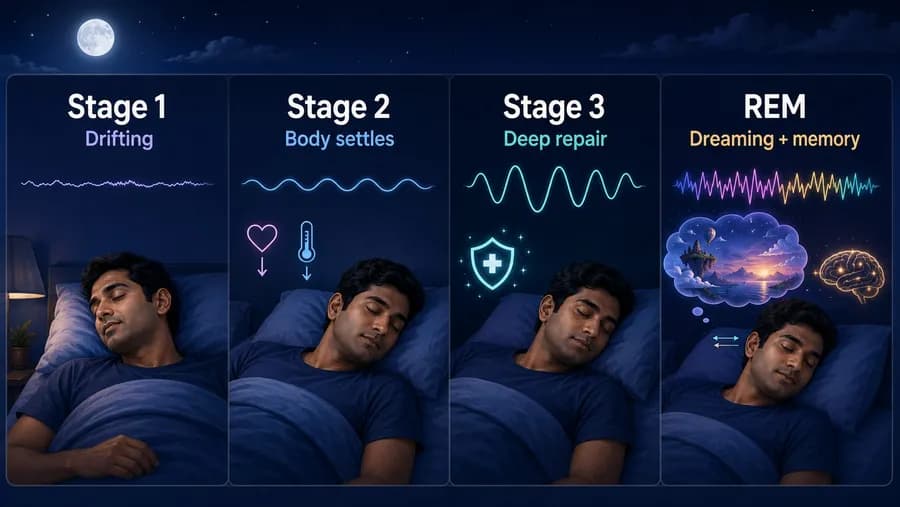
The Stages of Sleep and Why Each One Matters
The stages of sleep aren't interchangeable — each one handles a different kind of physical or mental repair. See how they cycle through the night, and why timing your wake-up around them matters.
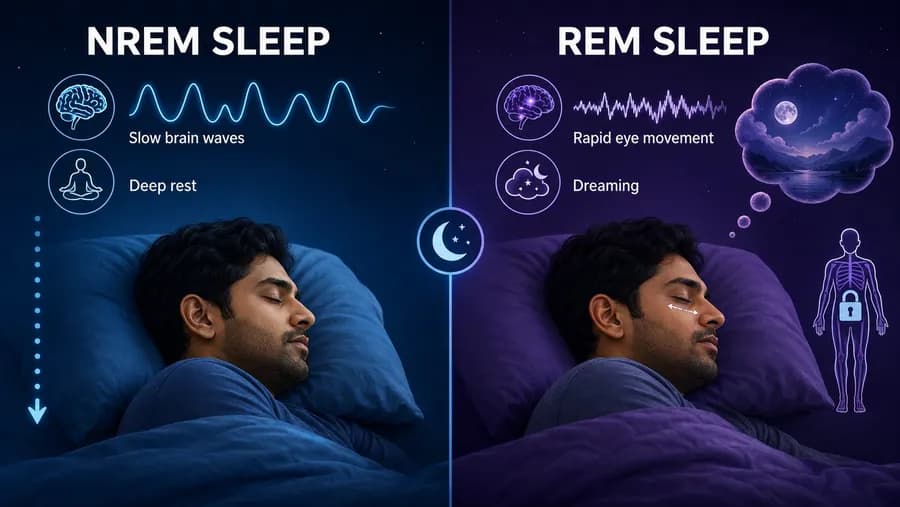
REM vs NREM Sleep: What’s the Difference?
REM vs NREM sleep is the most fundamental split in how sleep is organised — one handles physical restoration, the other handles memory and emotion. See how they differ, and why you need a balance of both.
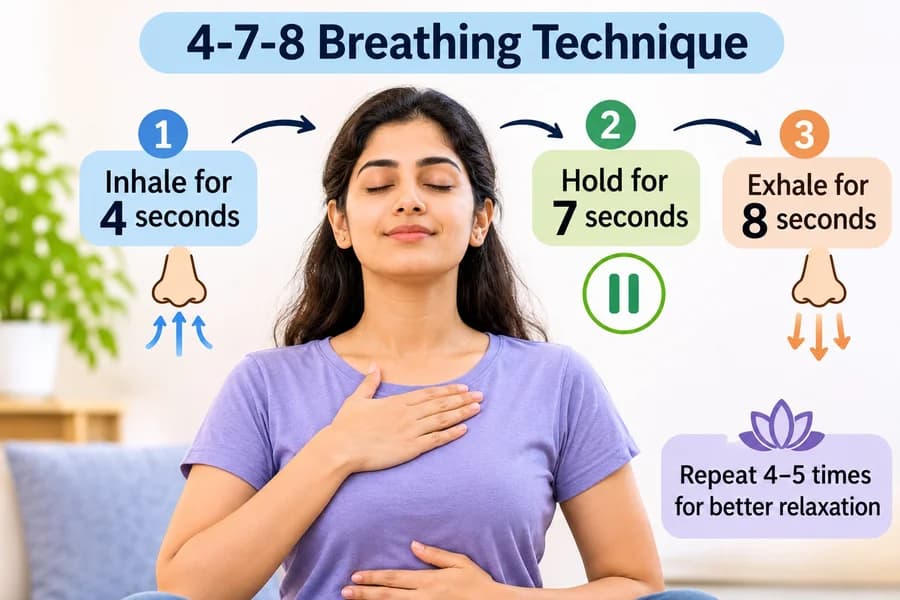
4-7-8 Breathing Technique: How to Do It for Sleep
Breathe in for 4, hold for 7, breathe out for 8. Here's how the 4-7-8 breathing technique works, how to practise it and what research says.

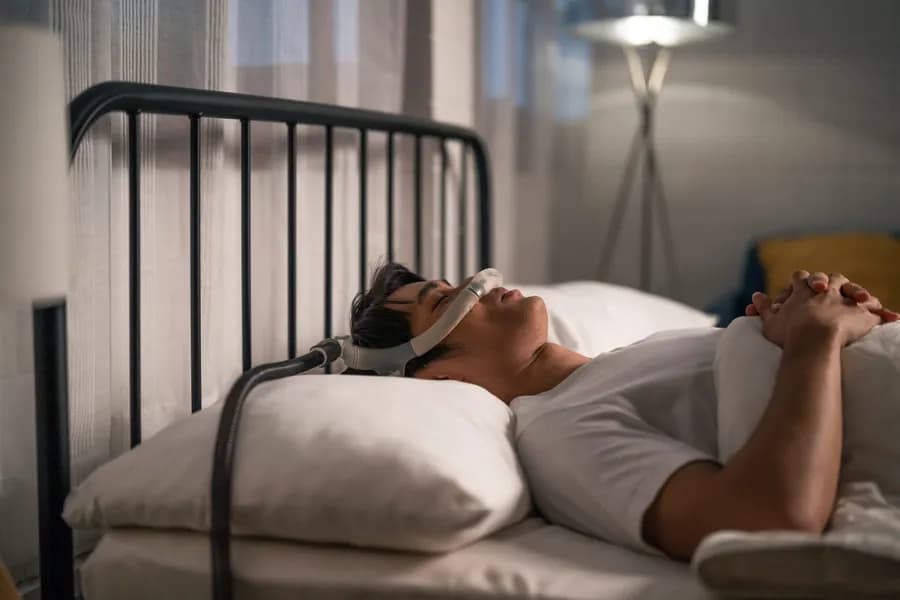
Sleep Apnea Meaning: Symptoms and Types Explained
Sleep apnea meaning, at its simplest, is repeated pauses in breathing during sleep, often without you ever noticing it's happening. See the types, symptoms and when to get evaluated.