
How to Clean Lungs: an Honest Guide to Supporting Lung Function
The lungs are largely self-cleaning, with built-in mechanisms — cilia, mucus, immune cells — that clear most contaminants on their own. See what actually
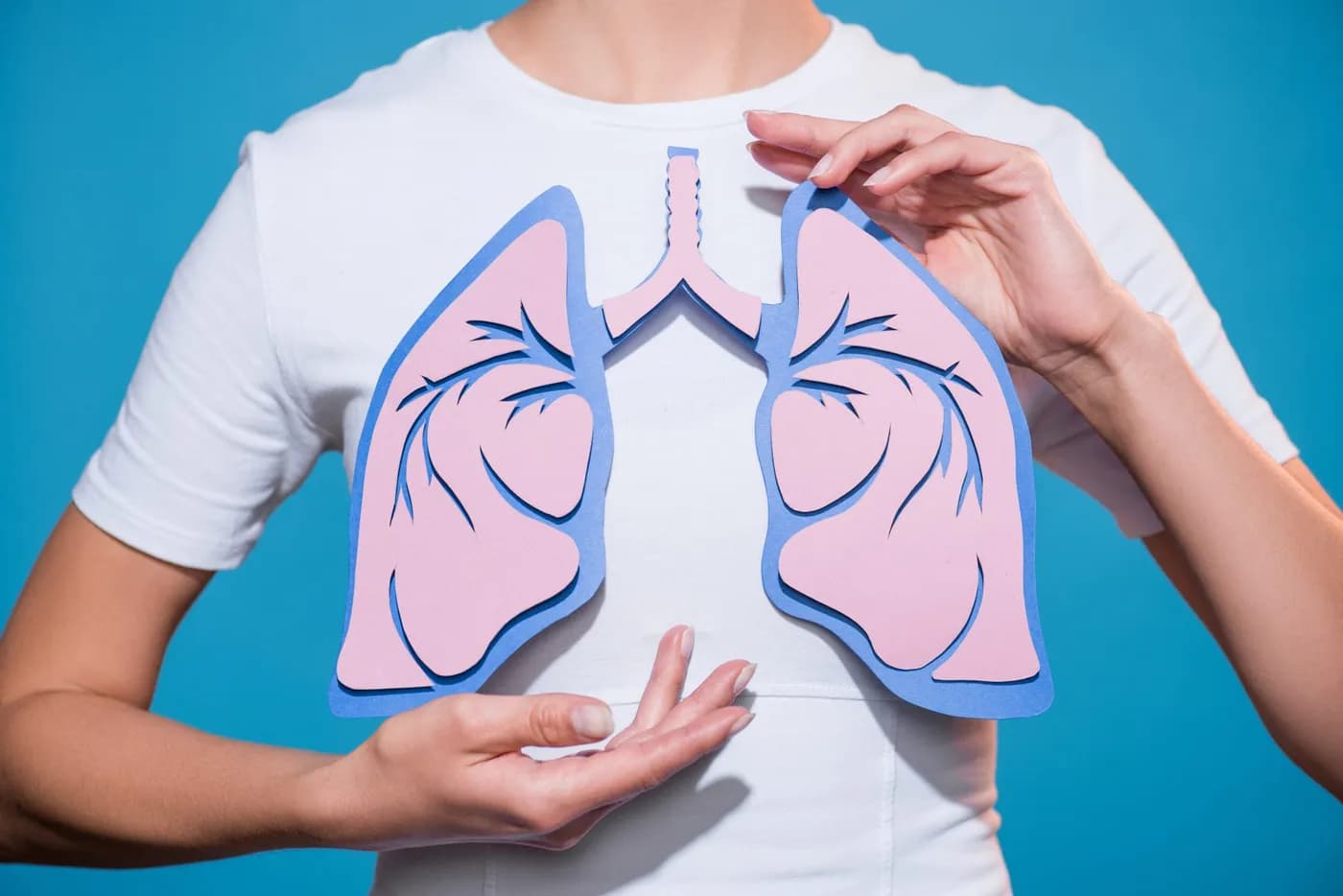
Key Takeaways
- States plainly that no food or supplement can ‘detox’ the lungs – marketing claims aside.
- Lung healing begins within hours of quitting smoking, continuing for years afterward.
- Cilia, mucus, and immune cells are named as the lungs’ built-in, continuous clearance mechanisms.
- Most adults notice improved breathing within just 4-6 weeks of consistent daily practice.
- Stronger respiratory muscles are linked to better posture, which in turn eases breathing.
- Full recovery after quitting smoking is framed as a multi-year process, not a quick fix.
The phrase “clean lungs” is widely searched, but the lungs are largely self-cleaning. They have built-in mechanisms (cilia, mucus, immune cells) that clear most contaminants. The real question for most people is how to support and improve lung function, particularly after quitting smoking. This guide covers what actually helps the lungs recover and strengthen, what claims to be cautious about, and the evidence-backed practices that improve lung capacity over weeks and months.
Important Note: No food, drink, or supplement can “detox” or “cleanse” the lungs in the way wellness marketing often suggests. The lungs have natural clearance mechanisms that work continuously. What you can do is support recovery (especially after quitting smoking) and improve lung function through breath work and exercise. If you have chronic lung conditions (COPD, asthma, persistent cough, blood in sputum), see a doctor for evaluation.
10 Benefits of Improving Lung Function
- Improves Daily Breathing Quality — Stronger respiratory muscles and better lung capacity make daily activities feel easier.
- Increases Athletic Endurance — Better lung function directly improves running, swimming, and any cardiovascular sport.
- Reduces Shortness of Breath with Exertion — Daily breath work and aerobic exercise reduce the shortness of breath that comes with poor lung function.
- Supports Recovery after Quitting Smoking — The lungs begin healing within hours of quitting. The recovery continues for years, particularly with daily aerobic exercise.
- Improves Oxygen Delivery to All Tissues — Better lung function means more oxygen reaches every cell in the body, supporting energy and recovery.
- Reduces Risk of Respiratory Infection — Strong respiratory muscles and immune function reduce the frequency and severity of colds and chest infections.
- Supports Better Sleep — Easier breathing during sleep reduces nighttime waking and improves sleep quality.
- Improves Posture — Stronger respiratory muscles support upright posture, which itself supports better breathing.
- Reduces Stress and Anxiety — Daily breath work activates the calming branch of the nervous system, reducing baseline stress.
- Provides Long-Term Lung Health — Daily practice of breath work and aerobic exercise across years protects lung function into older age.
How to Get Started Supporting Lung Function
What You Need to Begin
Nothing physical. Breath work and walking need no equipment.
Setting Realistic Goals
Most adults notice improved breathing within 4 to 6 weeks of consistent practice. Significant lung function recovery after quitting smoking takes months to years.
Start with the Basics
Daily aerobic exercise plus daily breath work. The combination addresses the muscular and respiratory components together. The full pranayama framework sits inside our work on pranayama benefits, which covers the breath work techniques that support lung function.
Best Practices to Support Lung Function
Daily Aerobic Exercise (30 Minutes)
Walking, cycling, swimming, or any sustained activity. The single most effective lung-strengthening practice.
Quit Smoking
The most impactful single action for lung health. Recovery begins within hours and continues for years. How to clean smokers lungs: stop smoking and let the lungs do their work.
Pranayama (Yogic Breath Work)
Daily 10 to 15 minutes. Specific techniques (anulom vilom, kapalbhati, bhastrika) build respiratory muscle strength and lung capacity.
Deep Breathing Exercises
5 minutes of slow, deep abdominal breathing. Activates the diaphragm and expands lung capacity.
Avoid Air Pollution When Possible
Indoor air filtration and avoiding peak-pollution outdoor times protect lung function over time.
Stay Hydrated
Adequate hydration thins lung mucus, helping the natural clearance process work efficiently.
Postural Drainage Techniques (For Those with Excess Mucus)
Specific positions help drain lung mucus. Useful for people with bronchitis or post-illness recovery, with medical guidance. The principles align with our broader work on benefits of breathing exercise, which covers the full breath work approach to lung health.
Common Mistakes to Avoid
- Believing in “Detox” or “Cleanse” Claims — No food, drink, or supplement removes accumulated lung damage in the way wellness marketing claims. The lungs clear themselves.
- Avoiding Exercise Out of Fear — Even adults with reduced lung function benefit from appropriate exercise. Working with a doctor to find the right intensity is the right approach.
- Smoking “Lite” Cigarettes — Lite cigarettes do not reduce lung damage meaningfully. Smokers usually compensate with deeper inhales.
- Ignoring Persistent Cough or Shortness of Breath — These symptoms deserve medical evaluation. Early intervention matters with lung conditions.
Who Should Support Their Lung Function?
- Recent Ex-Smokers — Daily aerobic exercise and breath work accelerate lung recovery measurably. The largest benefit group.
- Adults in Polluted Cities — Daily breath work and aerobic exercise help offset pollution exposure over time.
- Older Adults — Lung function declines naturally with age. Daily practice meaningfully slows the decline.
- Athletes and Endurance Trainers — Specific breath work and lung-capacity training improve athletic performance directly.
Build Strength with a Routine That Actually Works
Supporting lung function is not about a quick cleanse. It is about consistency, the right combination of aerobic exercise and breath work, and following a structured plan. With the right support, you can build the daily practice that improves lung function over weeks and months. Habuild’s structured progression takes the same approach you will find in our broader work on strength training, where movement and breath work are sequenced for total wellbeing.
What you get with Habuild’s Strong Everyday Programme:
- Daily live guided strength and yoga sessions
- Beginner to advanced progression
- No-equipment and home-friendly workouts
- Expert guidance to ensure correct form
- Community support to stay consistent
Lung capacity is one area where yoga’s contribution isn’t indirect at all: pranayama practices like kapalabhati and deep diaphragmatic breathing directly train the respiratory muscles and improve the lung function this guide is really about. Regular practice, especially after quitting smoking, can measurably improve how much air you’re able to move with each breath. Habuild’s free yoga challenge includes breathing practices built for exactly this kind of lung recovery.
Frequently Asked Questions
Related Articles

How to Reduce Sinus Headache: 7 Natural Methods That Provide Relief
Sinus headaches produce a distinctive pressure pattern across the forehead, cheeks, and around the eyes, differing from migraines and tension headaches in


How to Strengthen Chest Muscles: Exercises, Tips & a Plan That Works
A stronger chest builds pushing power, supports shoulder stability, and helps correct the rounded-shoulder posture desk work causes. See every practical step, no equipment needed.
How to Strengthen Lungs: Exercises & Tips
Learn how to strengthen lungs with the best exercises, breathing techniques, and daily habits. Start your 14-day free trial trial with Habuild today.