
How to Strengthen Chest Muscles: Exercises, Tips & a Plan That Works
A stronger chest builds pushing power, supports shoulder stability, and helps correct the rounded-shoulder posture desk work causes. See every practical step, no equipment needed.
Key Takeaways
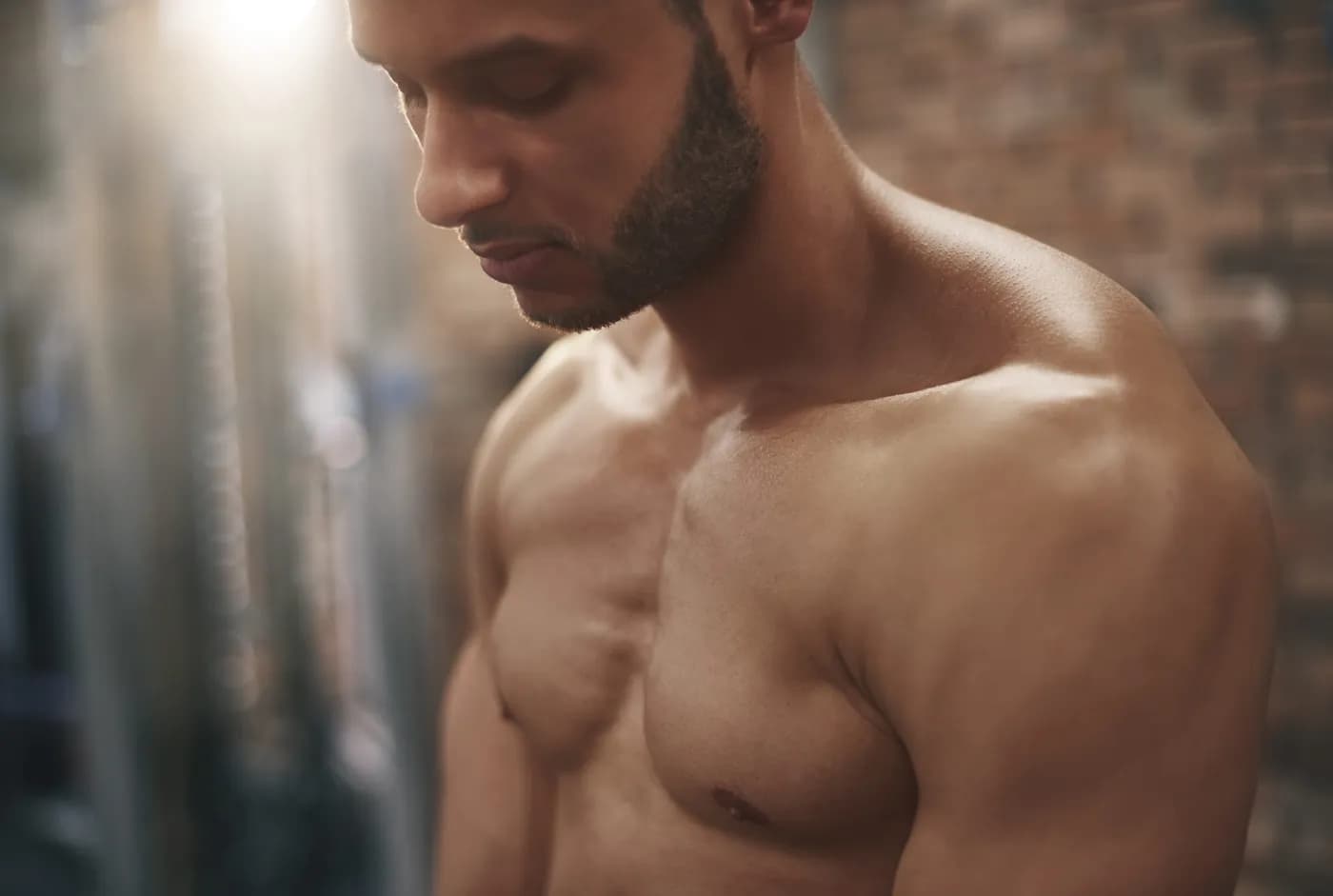
- The pectoralis major and minor are the primary muscles behind every daily push
- Weak chest muscles often contribute to rounded shoulders and forward head posture
- Works closely with the anterior deltoid and serratus anterior to stabilise the shoulder
- For women, training firms the area without adding bulk, supporting tissue from below
- A yoga mat and bodyweight alone are enough for the first several weeks
Knowing how to strengthen chest muscles gives you more than an improved physique — it builds the pushing power behind everyday movement, supports shoulder stability, and helps correct the rounded-shoulder posture that desk work causes. Whether you are training at home with zero equipment or just starting out, this guide covers every practical step.
If you want to know how to strengthen chest muscles, you are not alone. A stronger chest improves posture, supports shoulder health, and makes everyday pushing and lifting movements far easier. Whether you are training at home with no equipment or just getting started with structured workouts, building chest strength is achievable at any fitness level — and this guide covers exactly how to do it.
6 Key Benefits of Strengthening Your Chest Muscles
- Builds Functional Pushing Strength The pectoralis major and minor are the primary muscles involved in every push — from opening a door to lifting a child. Strengthening them improves the quality of daily movement and reduces strain on the shoulder joint.
- Improves Posture and Spinal Alignment Weak chest and upper-body muscles often contribute to rounded shoulders and forward head posture. Consistent chest training helps balance the front and back of your torso, gradually supporting a more upright, open posture.
- Supports Shoulder Stability The chest works closely with the anterior deltoid and serratus anterior. Strengthening the pectorals through a full range of motion may help stabilize the shoulder and reduce the risk of common overuse discomfort when practiced regularly.
- Enhances Athletic Performance From swimming strokes to racket sports to throwing, chest strength feeds directly into explosive upper-body power. Even non-athletes benefit — better upper-body output makes resistance training sessions more productive overall.
- Supports a Toned Upper Body for Women Chest training for women does not create bulk. It firms the area around the pectorals and supports breast tissue from below, which many women find improves both the look and feel of their upper body over time with consistent practice.
- Builds Metabolic Efficiency Like all resistance training, chest exercises recruit large muscle groups that demand more energy. Over weeks of consistent training, this contributes to improved metabolic function and complements broader fat-management goals. Explore the full scope of strength training to understand how all the muscle groups connect.
How to Get Started with Strengthening your Chest
What You Need to Begin
You do not need a gym to start building chest strength. A yoga mat and your own bodyweight are enough for the first several weeks. As you progress, a pair of light dumbbells or a resistance band can add variety and load. If you are training at home, focus on floor-based movements first — they are safe, effective, and require zero equipment.
Setting Realistic Goals
Chest muscles respond well to consistent training but need adequate recovery time. Aim for two to three sessions per week targeting the chest, with at least one rest day between sessions. Avoid the trap of training every day out of enthusiasm — recovery is when the actual muscle adaptation happens. Focus on showing up regularly rather than going hard every session.
Start with the Basics
Beginners should begin with incline push-ups against a wall or countertop, graduate to standard push-ups on the floor, and only then add weighted or band-resisted variations. This progression protects the shoulder joint and ensures you are building real strength rather than compensating with poor form. A structured chest-focused strength program can help you follow this progression without guessing.
Best Exercises for Strengthening your Chest Muscles
Push-Ups
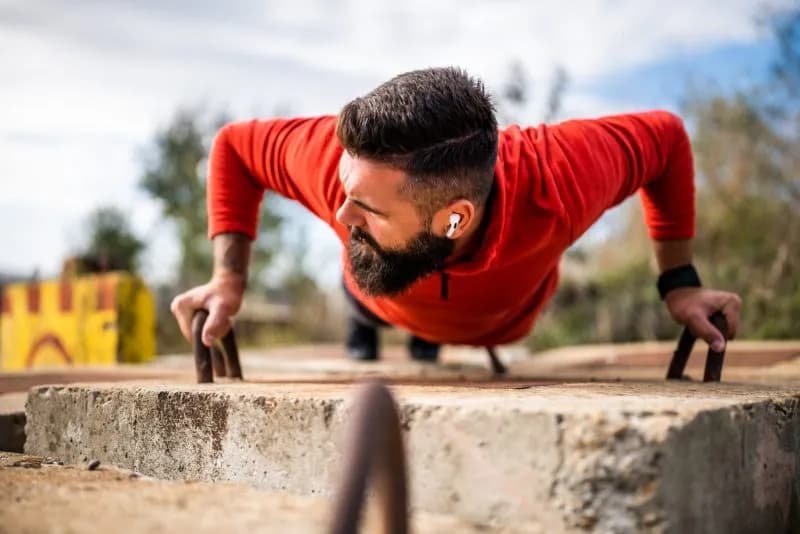
The classic push-up remains one of the most effective chest exercises available. It targets the pectoralis major, triceps, and anterior deltoid simultaneously. Start with 3 sets of 8–12 reps. Keep your body in a straight line and lower your chest close to the floor before pushing back up. Modify by placing knees on the ground if needed.
Wide-Grip Push-Ups
Placing your hands slightly wider than shoulder-width shifts more emphasis onto the outer chest fibres. This variation is particularly useful once standard push-ups feel comfortable. Aim for 3 sets of 8–10 reps, maintaining full control on the way down.
Dumbbell Chest Press (Floor)
Lying on your back with knees bent, press two dumbbells from chest height up toward the ceiling and lower slowly. The floor limits your range of motion slightly, which actually protects the shoulder joint for beginners. Try 3 sets of 10–12 reps with a weight you can control throughout. This is an excellent option for home-based chest training for women.
Resistance Band Chest Fly
Anchor a resistance band behind you at chest height, hold one end in each hand, and bring both arms forward in a wide arc until your hands meet in front. This movement isolates the inner chest and builds the sweeping shape of the pectorals. Do 3 sets of 12–15 reps with a controlled, slow return.
Incline Push-Ups
Placing your hands on a raised surface — a step, bench, or sofa arm — shifts emphasis toward the lower chest. This is a great variation once flat push-ups feel manageable. Three sets of 10 reps works well as part of a weekly routine.
Decline Push-Ups
Elevating your feet on a chair while performing a push-up increases demand on the upper chest and anterior shoulder. This is an advanced bodyweight variation. Aim for 3 sets of 6–10 reps and prioritise form over speed.
Dumbbell Pullover
Lying on your back with one dumbbell held in both hands, lower the weight back over your head in a controlled arc and bring it back to your chest. This move stretches and contracts the chest through a long range of motion. Two to three sets of 10–12 reps makes it a useful finisher in any chest session.
Common Mistakes to Avoid When Training Your Chest
- Poor Form on Push-Ups Sagging hips, flared elbows, or barely bending the arms are the most common push-up errors. Each reduces the load on the chest and increases stress on the lower back or wrists. Focus on full range of motion: chest close to the floor, elbows at roughly 45 degrees from your torso, core braced throughout.
- Skipping the Warm-Up The shoulder joint is vulnerable when cold. A five-minute warm-up — arm circles, shoulder rolls, and a set of wall push-ups — prepares the rotator cuff and connective tissue for the work ahead. Skipping this step is the fastest route to shoulder discomfort that sets your training back by weeks.
- Overtraining the Chest Training chest every day is counterproductive. Muscle fibres need 48–72 hours to repair and grow stronger. If you train chest on Monday, the next session should not be before Wednesday at the earliest. More is not always more — consistency over weeks matters far more than volume in a single session.
- Inconsistency Sporadic training — three sessions one week, nothing for two weeks — will not produce results. The chest, like any muscle group, responds to progressive, repeated stimulus over time. This is why a structured daily practice with expert guidance tends to outperform self-directed bursts of effort. Consider joining live guided sessions online to stay accountable to a regular schedule.
Who Should Try Chest Strengthening Exercises?
- Beginners If you have never followed a structured training plan, chest exercises are one of the friendliest entry points. Wall push-ups and incline push-ups require no equipment and can be done in a small space. The learning curve is low, the movement is intuitive, and results — in terms of strength and confidence — often come within the first three to four weeks of consistent practice.
- Women There is a persistent myth that chest training will make women look bulky. In reality, women have significantly lower testosterone levels than men, which means chest training produces tone and firmness — not mass. Strengthening the pectoral muscles also supports the connective tissue surrounding the breast area, which many women find beneficial over time, especially as they age.
- Older Adults Chest and upper-body strength is closely linked to functional independence — the ability to push open a heavy door, get up from the floor, or carry shopping. Older adults benefit significantly from gentle chest training, and bodyweight or light-band variations are well-suited for this group. Please consult a healthcare provider before beginning any new exercise routine if you have existing joint or cardiovascular conditions.
- Working Professionals Hours at a desk tend to tighten the chest and weaken the upper back, pulling the shoulders forward. Strengthening your chest — combined with stretching the anterior shoulder — directly counteracts this pattern. Even two sessions per week can produce noticeable improvements in how you feel at your desk within a month.
Build Chest Strength with a Routine That Actually Works
Building a stronger chest is not about doing random sets whenever you feel like it — it is about consistent practice with a structured, progressive plan. With the right guidance, you can see meaningful improvement from home without any expensive equipment.
What You Get with Habuild’s Strong Everyday Program:
- Daily live guided strength sessions — chest, upper body, full body, and more
- Beginner to advanced progression built in
- No-equipment and home-friendly workouts
- Expert guidance to ensure correct form and reduce injury risk
- A supportive community to help you stay consistent week after week
If you have been searching for a practical way to approach upper body and chest strength training from home, this is a low-commitment way to experience it properly.
Start Your Chest Strengthening Journey
Related reads: How to Strengthen Shoulder Muscles: Exercises, Tips, and a Plan That Works · How to Strengthen Calf Muscles: Exercises, Tips & a Plan That Works
Chest training done well corrects the rounded-shoulder posture that desk work causes, but that correction only happens with repeated, well-sequenced sessions rather than the occasional push-up day. A structured program handles that sequencing for you, pairing chest work with the pulling and core exercises that keep your upper body balanced. Strong Everyday is designed around that kind of complete, guided training so the posture and strength gains actually stick.
Frequently Asked Questions
Related Articles
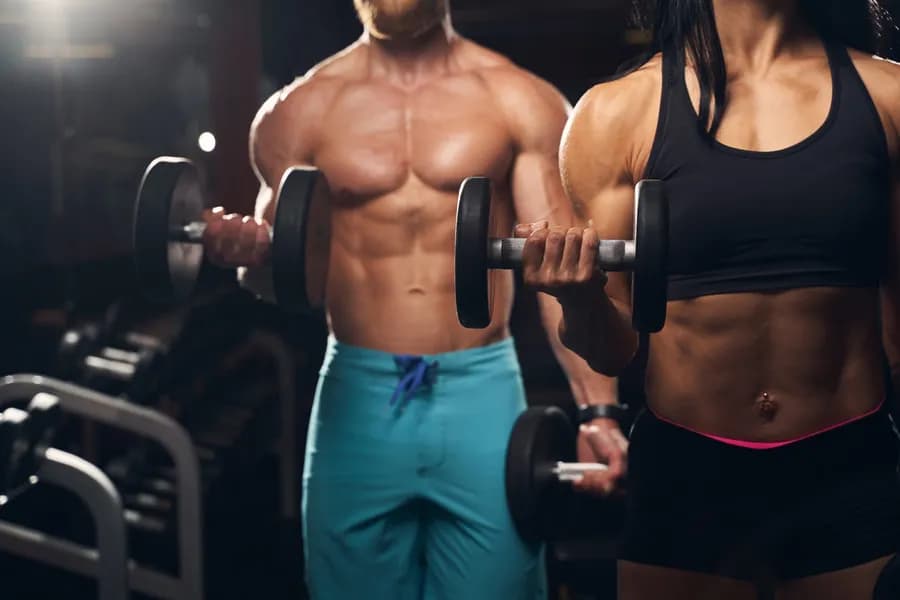
How to Build Upper Chest Muscles: Exercises, Tips & a Plan That Works
The upper chest responds to incline pressing and upward fly movements at 30-45 degree angles — producing visible fullness near the collarbone within 8-12 weeks. See the full plan.
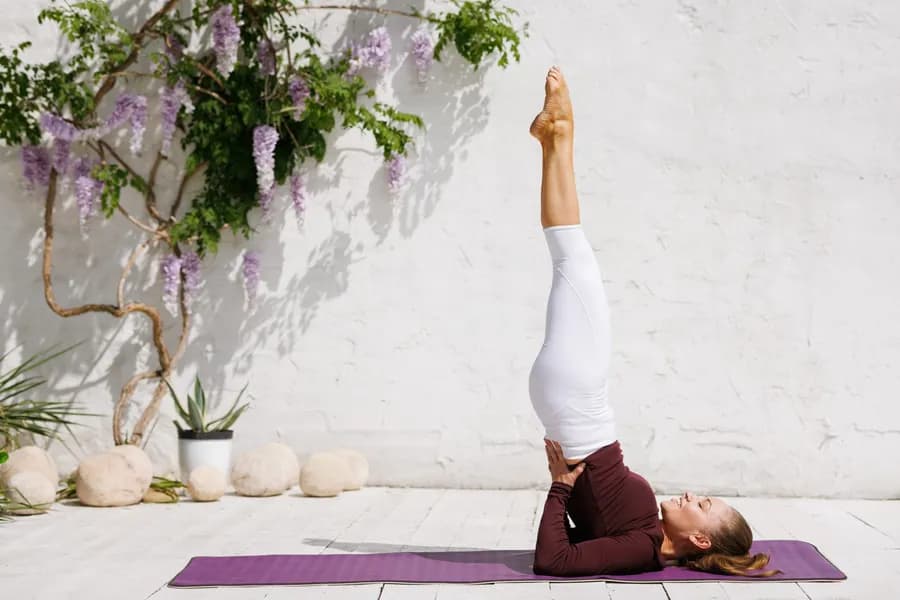
How to Strengthen Shoulder Muscles: Exercises, Tips, and a Plan That Works
Pike push-ups, resistance band face pulls, and overhead presses, done 2-3 times a week, target the deltoids and rotator cuff with consistent form and progressive overload. See the full plan.
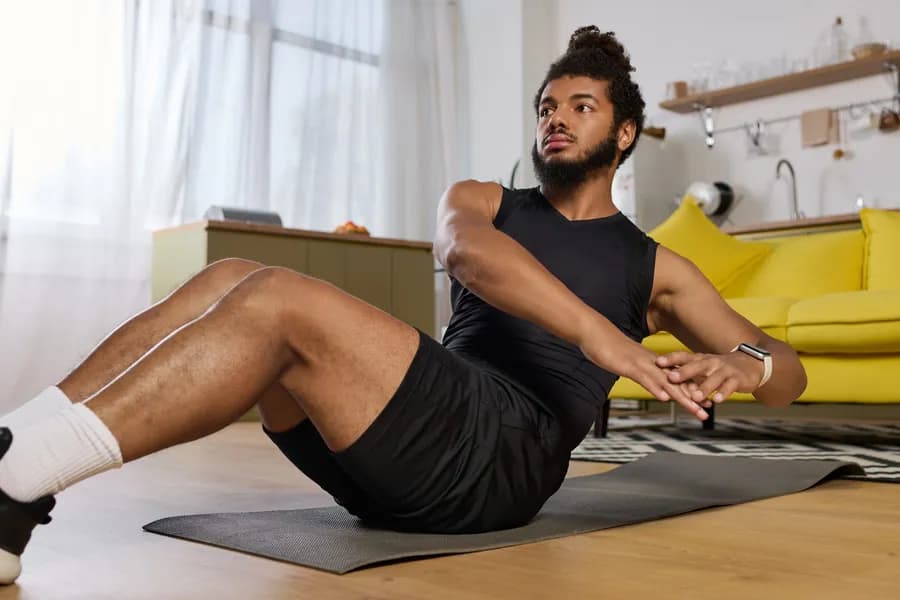
How to Strengthen Abdominal Muscles: Exercises, Tips & a Plan That Works
Training the rectus abdominis, transverse abdominis, and obliques three to four times a week with planks, dead bugs, and hollow holds shows measurable stability gains within four to six weeks. See the full plan.
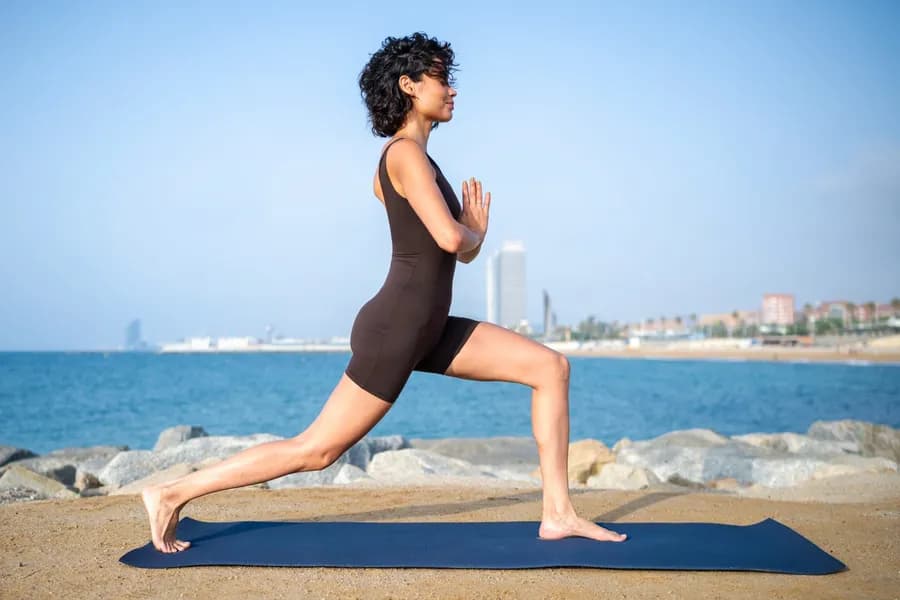
How to Strengthen Hamstrings: Exercises, Tips, and a Plan That Works
The hamstrings power walking, running, squatting, and protect your knees — training them two to three times a week with hip-dominant and knee-flexion moves builds real strength. See the full plan.
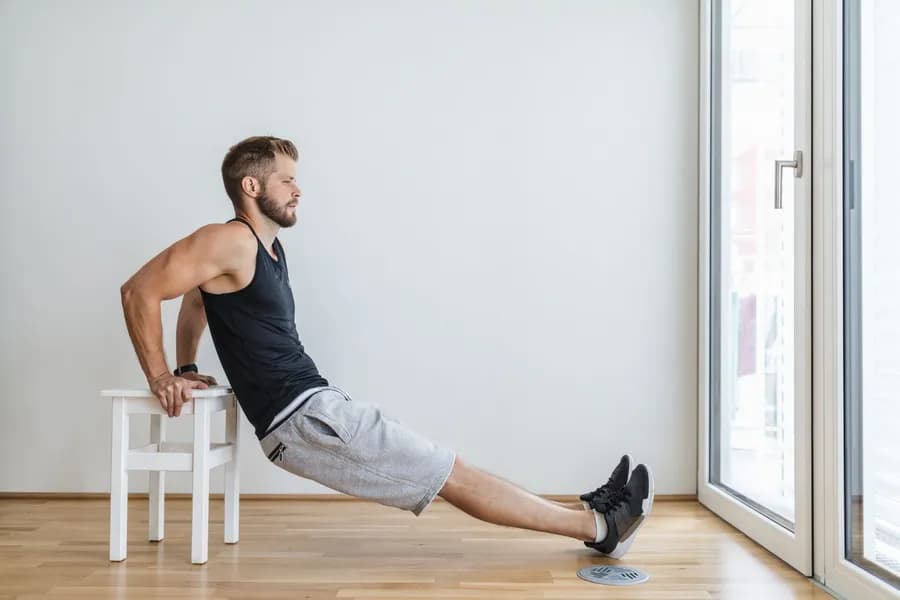
No Equipment Strength Workout: Build Real Strength at Home
Discover the best no equipment strength workout routines to build muscle and improve fitness at home. Start your 14-day free trial trial with Habuild today.