
How to Improve Mental Health: 10 Daily Practices That Actually Work
Sleep, movement, social connection, breath work, and time outdoors all contribute measurably to mental health, more than any single intervention. See all

Key Takeaways
- A 2016 meta-analysis found exercise reduces depressive symptoms comparably to first-line treatments.
- A 2010 study found loneliness raises mortality risk comparably to other established risk factors.
- Just 30 minutes outdoors measurably lowers cortisol, even in a small park or garden.
- Writing down three things daily shifts mood baseline measurably within just 4 weeks.
- High social media use is specifically linked to elevated anxiety and depression in younger adults.
- Explicitly states these practices complement, never replace, professional therapy and medication.
Mental health is shaped by daily habits more than any single intervention. Sleep, movement, social connection, breath work, and time outdoors all contribute measurably. Whether you are managing low mood, anxiety, or simply want to feel better day-to-day, the practices below are evidence-backed and accessible. This guide covers how to improve mental health, mental health for students, and how the body-mind connection supports overall wellbeing.
Important Note: The practices below support general wellbeing but do not replace professional mental health care. If you experience persistent depression, anxiety, panic attacks, or thoughts of self-harm, please reach out to a qualified mental health professional. Therapy and medication, when needed, are highly effective. The lifestyle practices here complement professional care, not replace it.
10 Daily Practices to Improve Mental Health
Daily Movement (20 to 30 Minutes)
Exercise is one of the most evidence-backed mental health interventions. Meta-analyses of randomised trials (Schuch et al., Journal of Psychiatric Research, 2016, among others) consistently find that aerobic and resistance exercise reduce depressive symptoms with effect sizes comparable to first-line treatments for mild to moderate depression.
Sleep 7 to 9 Hours per Night
Sleep deprivation is one of the strongest predictors of next-day mood. Consistent sleep timing matters as much as duration.
Sunlight Exposure (20+ Minutes Daily)
Morning sunlight regulates circadian rhythm and supports mood-related neurotransmitter function.
Social Connection
Loneliness has been associated with measurable increases in mortality risk in large meta-analyses (Holt-Lunstad et al., PLOS Medicine, 2010), with effects on health comparable to other established risk factors. Daily connection, even brief, matters.
Daily Breath Work
5 to 10 minutes of deep breathing daily reduces baseline anxiety and stress measurably within 4 to 6 weeks.
Limit Screen and Social Media Time
High social media use correlates with higher anxiety and depression, particularly in younger adults.
Eat Whole Foods
The gut-brain connection is real. Diets high in processed food correlate with higher rates of anxiety and depression.
Practise Gratitude
Daily gratitude practice (writing 3 things) shifts mood baseline measurably within 4 weeks of consistent practice.
Therapy and Professional Support
For persistent mental health challenges, professional therapy is the strongest evidence-backed intervention. Lifestyle changes complement, not replace, professional care.
Time in Nature
30 minutes outdoors reduces stress hormone (cortisol) levels measurably. Even a small park or garden produces benefits.
How to Get Started Improving Mental Health
What You Need to Begin
Nothing physical. Most mental health practices use only time, attention, and simple actions.
Setting Realistic Goals
Mood improvements often appear within 2 to 4 weeks of consistent daily practice. Significant baseline change in long-standing patterns takes 3 to 6 months.
Start with the Basics
Daily movement, sleep, and one connection-building action. The foundation triple. The full body-mind framework also fits within yoga for mental health, which sequences movement, breath, and mindfulness for daily wellbeing.
Best Practices for Mental Health
Morning Walk in Sunlight
20 to 30 minutes outdoors within 60 minutes of waking. Combines movement, sunlight, and time in nature. The single highest-impact morning practice.
Box Breathing
4 seconds in, 4 seconds hold, 4 seconds out, 4 seconds hold. 5 cycles, twice daily. The most accessible nervous system regulation tool.
Yoga Practice (15 to 30 Minutes Daily)
Combines movement, breath, and mindfulness in one practice. The most efficient single practice for mental health support.
Strength Training (3 Times Weekly)
Resistance training reduces anxiety and depressive symptoms measurably. The intensity and accomplishment shift mood differently from cardio.
Daily Gratitude Journaling
Write 3 things you are grateful for. Takes 2 minutes. Shifts attention toward positive frame.
Phone-Free Mornings
The first hour of the day without phone or social media. Produces measurable mood and focus improvement.
Weekly Connection Practice
One meaningful conversation or social activity per week. Even introverts benefit from the connection.
Common Mistakes to Avoid
- Trying to Change Everything at Once — Sustainable change comes from one or two new practices at a time. Mass overhauls usually fail within weeks.
- Avoiding Therapy When Needed — Lifestyle changes help with mild to moderate symptoms. Severe or persistent symptoms benefit substantially from professional support. Both are valuable.
- Comparing Your Progress to Others — Mental health journeys are individual. Comparison usually slows progress.
- Stopping When You Feel Better — Many people stop the practices when mood improves. The practices are what produced the improvement. Consistency maintains it.
Who Should Try These Practices?
- Working Professionals — High-pressure work environments accelerate mental health challenges. Daily practice protects baseline wellbeing.
- Students — How to improve mental health of students starts with sleep, movement, and social connection. Academic pressure plus poor sleep is the most common pattern.
- Parents — The constant demand of parenting drains reserves. Even 15-minute daily practice protects mental health meaningfully.
- Older Adults — Social connection and physical activity protect mental health into older age. The two factors most affected by retirement.
How to Improve Mental Health with a Routine That Actually Works
Improving mental health is not about one practice. It is about consistency, the right combination of movement, breath work, and connection, and following a structured plan. With the right support, you can build the routine that supports both body and mind. Habuild’s structured programme combines movement, breath work, and community in the same approach you will find in yoga for stress management, where the body-mind connection is sequenced for daily nervous system regulation.
What you get with Habuild’s Strong Everyday Programme:
- Daily live guided strength and yoga sessions
- Beginner to advanced progression
- No-equipment and home-friendly workouts
- Expert guidance to ensure correct form
- Community support to stay consistent
Nearly every practice this guide recommends, movement, breathwork, better sleep, comes together naturally in a regular yoga session, which is part of why it’s so often recommended alongside therapy and medication for mood support. The combination of physical movement and slow, intentional breathing draws on the same nervous system pathways that daily walks and meditation rely on, just in a more structured form. Habuild’s free yoga challenge is a gentle way to build that structure into your days.
Frequently Asked Questions
Related Articles
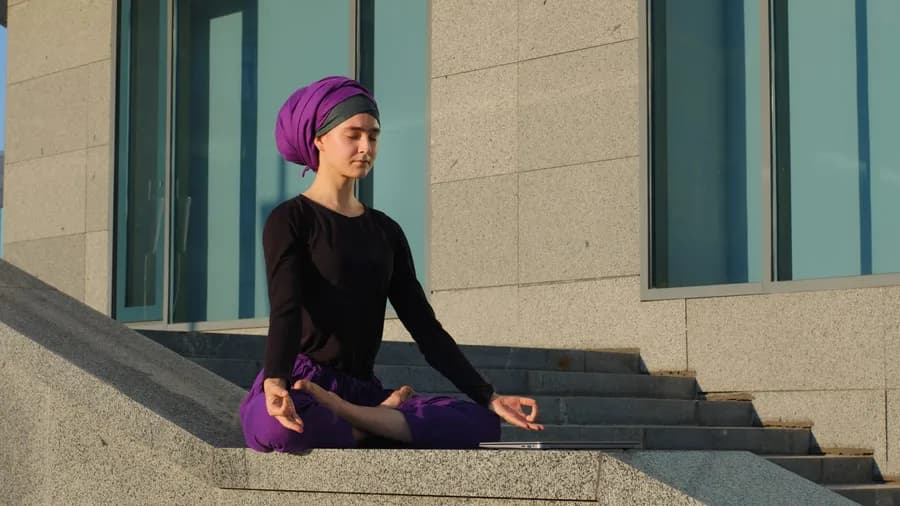
How to Calm Your Mind: Yoga and Breathing Techniques for Instant Relief
A calm mind comes from specific neurobiological interventions — pranayama that elevates GABA, yoga that reduces cortisol, and focused attention that


How to Control Your Emotions: a Practical Guide to Emotional Regulation
Emotional regulation is a learned skill, not a personality trait — breath work, movement, and cognitive techniques help you respond to emotions instead of
How to Reduce Anxiety Immediately: 7 Techniques That Calm You Down Fast
Acute anxiety episodes respond to techniques that address the body-mind connection through breath, movement, and grounding, working within minutes. See