Stomach Sleeping Positions: Are They Bad for You?
Stomach sleeping positions are generally considered the least favourable of the three main positions — but that doesn't mean dangerous for everyone. See who should switch, and how to reduce strain if you don't.

Key Takeaways
- States stomach sleeping forces the neck to rotate to one side for hours, straining it.
- States it flattens the spine’s natural curve since body weight presses the midsection down.
- Names mild sleep apnea and certain snoring as conditions stomach sleeping can sometimes ease.
- Recommends a very thin pillow, or none, to reduce the angle forced on the neck.
- Recommends a thin pillow under the pelvis specifically to reduce lower back arching.
- States most pregnant women naturally shift away from it by the end of the second trimester.
Stomach sleeping positions are generally considered the least favourable of the main sleep positions by doctors and physiotherapists, mainly because of what they do to your neck and spine over the course of a full night — though “least favourable” doesn’t mean dangerous for everyone, and plenty of people manage it without significant issues.
Why stomach sleeping positions strain your body
Sleeping face-down forces your neck to rotate to one side for hours at a time, which can lead to neck and shoulder stiffness, and often headaches on waking. It also flattens the spine’s natural curve, since most of your body weight presses your midsection into the mattress, which can contribute to lower back discomfort over time — a very different pressure pattern than a supportive back sleeping position provides.
Stomach sleeping positions and pregnancy
Stomach sleeping positions become naturally impractical for most pregnant women as the belly grows, typically by the end of the second trimester, simply due to physical comfort rather than any specific medical prohibition in early pregnancy. In the first trimester, before the belly has grown significantly, stomach sleeping is not considered dangerous and many women continue it without issue until it becomes physically uncomfortable on its own. There’s no need to force an early switch away from stomach sleeping positions during pregnancy purely as a precaution — comfort naturally guides most women toward side sleeping well before it becomes medically relevant to do so.
Who might actually benefit from stomach sleeping positions
- People with certain types of snoring or mild sleep apnea — stomach sleeping can sometimes reduce airway obstruction compared to back sleeping, though side sleeping is usually a better alternative for this same benefit without the neck strain
- People who’ve always slept this way without pain — if you’re not experiencing neck, shoulder, or back discomfort, there’s no urgent medical reason to force a change
- Occasional stomach sleeping, mixed with other positions through the night — natural position-switching during sleep reduces the sustained strain that a full night in one position would cause
How to reduce strain if you stick with stomach sleeping positions
- Use a very thin, flat pillow, or skip a pillow for your head entirely, to reduce the angle your neck is forced into
- Place a thin pillow under your pelvis and lower abdomen to reduce the arch in your lower back
- Stretch your neck and lower back in the morning specifically, since stomach sleeping positions place uneven strain that a quick stretch can help release
Why people end up in stomach sleeping positions in the first place
Stomach sleeping is often described anecdotally as a comfort or security-seeking position, though the evidence here is more observational than rigorously studied. Some physiotherapists note that people who sleep on their stomachs often report feeling more “grounded” or less exposed than in other positions, which may explain why it’s a common preference despite the physical downsides. Others end up there less by preference and more by habit formed young, before back or neck strain became a factor in adulthood — the same pattern that makes any sleeping position difficult to change once entrenched.
Long-term effects if stomach sleeping positions continue for years
For people who’ve slept this way for decades without symptoms, the risk isn’t necessarily urgent, but physiotherapists do note that cumulative strain from stomach sleeping positions can contribute gradually to chronic neck stiffness, tension headaches, and in some cases a flattening of the natural cervical spine curve over many years — changes that tend to develop slowly enough that they’re not obviously connected to sleep position until a physiotherapist or doctor traces the pattern back. This is part of why it’s worth addressing stomach sleeping habits earlier rather than waiting until pain becomes a daily issue, even if things feel fine now.
Should you switch away from stomach sleeping positions?
If you’re waking up with regular neck pain, stiffness, or headaches, switching is worth trying — a back sleeping position is the gentlest transition for most people, since it keeps a similarly flat overall posture without the neck rotation. Best sleeping position for your health covers how to compare all three main positions if you’re deciding what to switch to, and using a body pillow to physically block yourself from rolling onto your stomach is the most effective way to make a switch stick.
Frequently Asked Questions
Related Articles
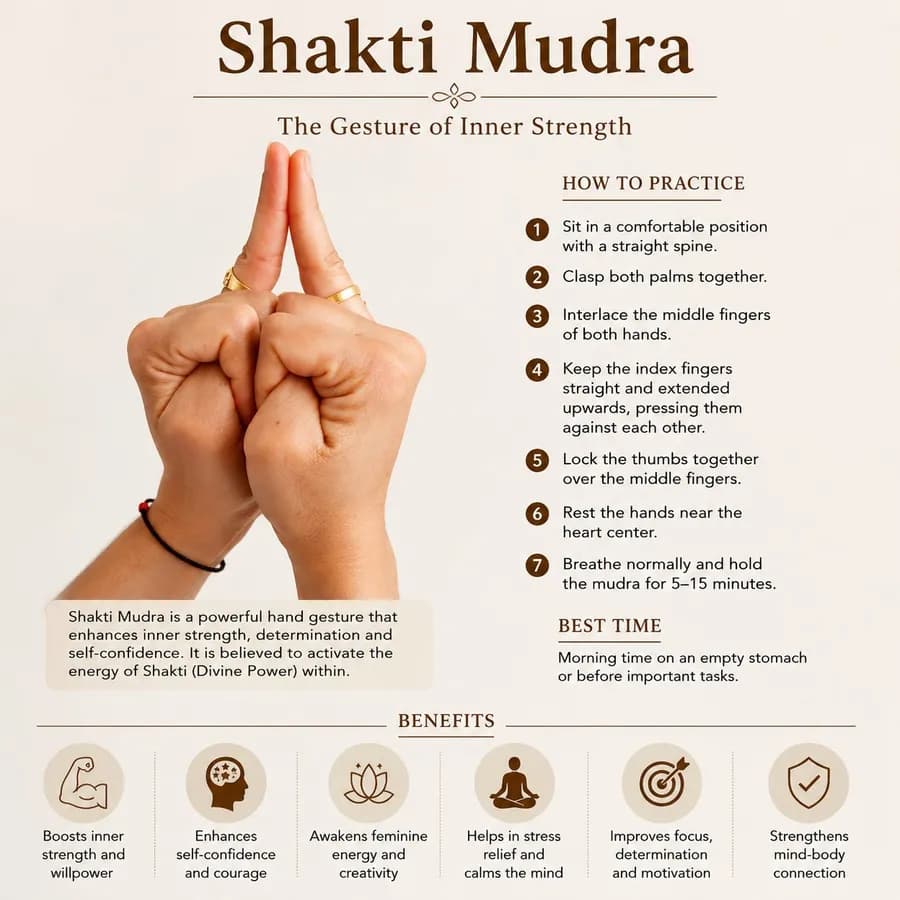
Mudra for Sleep (Shakti Mudra): Steps, Benefits, and Precautions
Shakti Mudra and Prithvi Mudra activate the parasympathetic nervous system and establish a conditioned pre-sleep signal when held for 10-15 minutes before

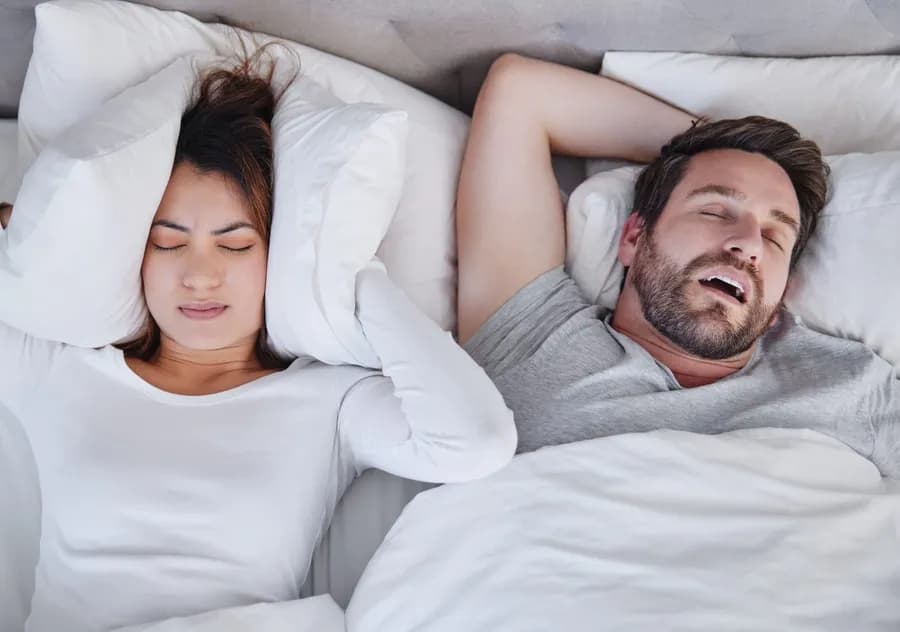
How to Stop Snoring: 7 Proven Ways for Quiet, Restful Sleep
Snoring signals a partly blocked airway during sleep, and most cases are caused by lifestyle, posture, and breathing patterns you can change. See 7 proven ways for quiet, restful sleep.