
Meditation for Burnout: Recovering From Exhaustion
Meditation for burnout offers daily support, but real recovery also means addressing the workload and boundaries behind it. Learn to recognise burnout, and start recovering with Habuild's guided sessions.

Key Takeaways
- Burnout is deep depletion from prolonged stress, not ordinary tiredness.
- Meditation rarely fixes burnout alone if workload or lack of boundaries isn’t addressed too.
- It shows up as exhaustion, cynicism, and a sense that nothing you do matters.
- Lying down instead of sitting upright is a completely legitimate choice here.
- Five minutes is enough – there’s no bonus for pushing further on a depleted day.
Burnout isn’t ordinary tiredness — it’s a deeper depletion that builds after prolonged stress without enough recovery, leaving you feeling emotionally flat, cynical, and exhausted even after rest. Meditation for burnout can offer gentle daily support, but it’s worth being upfront: meditation alone rarely fixes burnout if the underlying overload — an unsustainable workload, lack of boundaries, or chronic overcommitment — isn’t also addressed.
Recognizing Burnout, Not Just a Bad Week
Burnout is usually described as showing up in three overlapping ways: exhaustion that doesn’t lift with a weekend off, a growing cynicism or detachment from work you used to care about, and a nagging sense that nothing you do is actually effective anymore. This matters for meditation for burnout specifically, because each of these three pieces responds a little differently. The exhaustion piece responds fairly directly to rest-oriented practice. The cynicism and detachment piece is trickier — it often needs you to notice the gap between how you’re going through the motions and how you actually feel, which is exactly the kind of quiet noticing meditation builds. The “nothing I do matters” piece is the one meditation touches least directly, since it’s usually tied to real circumstances — recognition, workload, or a job that’s stopped fitting you — that no amount of sitting quietly will resolve.
What Meditation for Burnout Can Realistically Offer
Meditation for emotional exhaustion works by giving your nervous system a genuine, if brief, break from the sustained “on” state that burnout often involves. A short daily practice can help you notice depletion earlier, before it deepens further, and offers a small pocket of calm in an otherwise overloaded day. It won’t undo months of overwork, but it’s a real, low-cost support you can start today. Unlike meditation aimed at everyday stress, meditation for burnout has to account for a person who may genuinely be running on empty — which is why the emphasis here is on rest and permission rather than on building resilience to push through more.
A Gentle Practice for Depleted Days
- Sit or lie down somewhere quiet — burnout often makes even sitting upright feel like effort, and that’s okay. Lying down is a completely legitimate choice here, even though many meditation guides default to sitting.
- Simply notice your breath without trying to change anything.
- If your mind keeps drifting to your inbox, your to-do list, or guilt about “not doing enough,” gently note that as a thought and return to the breath — the drifting itself is not a sign you’re doing this wrong.
- Let this be a genuine rest, not another task to perform perfectly.
- Five minutes is enough. There’s no bonus for pushing further on a depleted day. That gentleness is really the point of meditation for burnout.
Meditation for mental exhaustion works best when it’s treated as permission to pause, not another demand on your already-depleted energy. A common mistake is trying to use meditation as one more form of productivity — approaching it with the same “I should be getting better at this” pressure that likely contributed to the burnout in the first place. If you notice that pressure creeping into your practice, that’s worth naming as gently as any other thought, and letting go of.
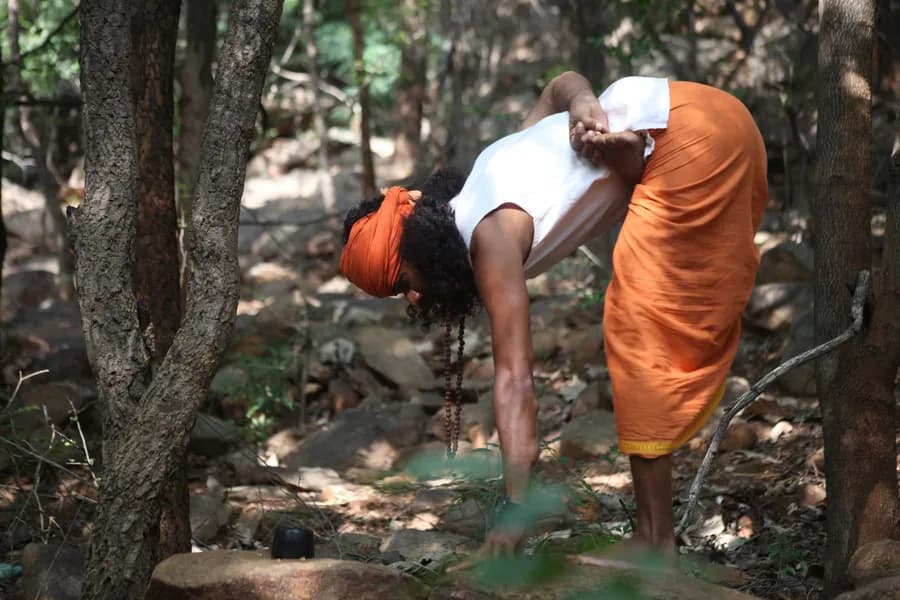
Photo: Juan Gatica, CC BY-SA 2.0, via Wikimedia Commons
Self-Compassion: The Piece Burnout Often Strips Away
One thing that tends to erode quietly during burnout is self-compassion — the inner voice becomes critical, pushing for more output even as your capacity shrinks. A short practice of silently offering yourself a kind phrase during meditation — something like “this is hard right now, and that’s okay” — can help counter that inner harshness. It sounds small, but for many people dealing with burnout, this shift in inner tone matters more than any breathing technique, because the exhaustion is often compounded by guilt about being exhausted at all.
How This Differs From Meditation for Everyday Stress
It’s worth separating meditation for burnout from ordinary stress management, even though the two overlap. Everyday stress meditation is often about building resilience — a tool you reach for so you can keep handling a demanding but sustainable pace. Meditation for burnout starts from a different place: the pace itself has stopped being sustainable, and the practice needs to be about rest and recovery rather than building more capacity to endure. If you find yourself using meditation for burnout as a way to squeeze more output out of an already-depleted system, it’s worth pausing and asking whether what you actually need is less on your plate, not a better coping tool for the current load.
Real Recovery Needs More Than Meditation
This needs to be said clearly: burnout recovery usually requires actual rest, boundary changes, and addressing the source of the overload — a conversation with a manager, delegating, or a genuine break — not just a daily sit. Meditation for burnout is a supportive daily habit alongside those changes, not a replacement for them. If your burnout is tied to ongoing stress you haven’t yet addressed, our piece on meditation for stress covers the daily calming practice in more depth, though addressing the root cause remains essential.
Frequently Asked Questions
Related Articles

10 Minute Meditation: A Quick Daily Reset
A 10 minute meditation is long enough to settle into real calm and short enough to actually do daily. Find your own quick daily reset with Habuild's guided sessions.
Meditation for ADHD: What Actually Helps
Meditation for ADHD isn't a treatment or cure — it's a support for attention regulation, used alongside proper diagnosis and care. See what realistically helps, and try guided sessions with Habuild.

Chakra Meditation: A 7-Chakra Guide for Beginners
Chakra meditation moves through all seven energy centres in a single sitting, giving beginners a felt sense of the whole system. Try a guided 7-chakra practice with Habuild.