
Meditation Posture: How to Sit for Every Practice
Meditation posture has only two real requirements — an upright spine and a stable position — not a perfect cross-legged pose. Find what works for your body with Habuild's guided sessions.
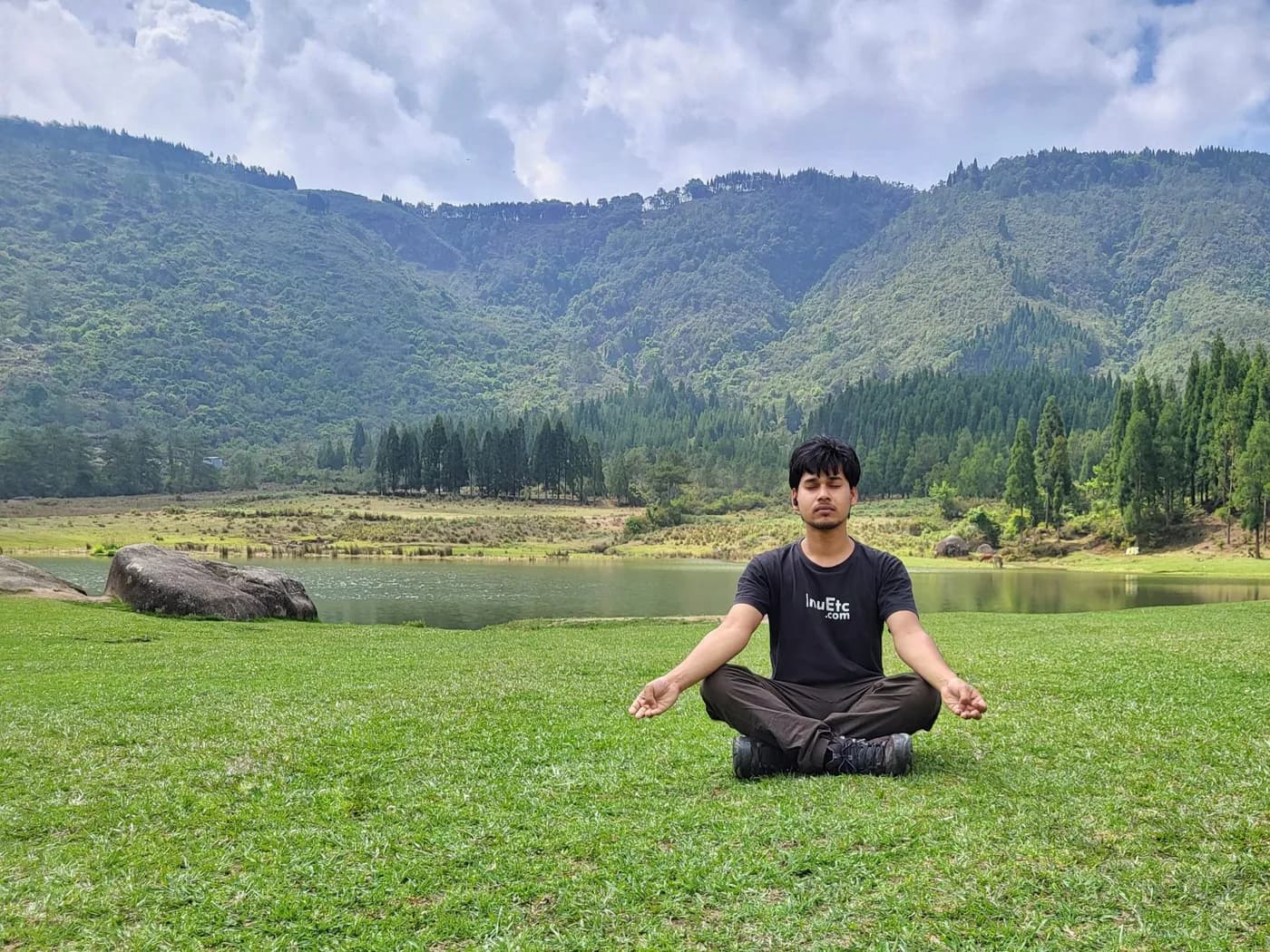
Key Takeaways
- Meditation posture needs only an upright spine and a stable, comfortable seat.
- A chair, cushion, or lying down can all work depending on your body.
- Slouching compresses the chest and makes slow, full breathing harder.
- Try chair sitting, cross-legged, kneeling, or half lotus positions.
- Forcing full lotus early strains the knees, not the hips.
- The ‘correct’ posture is whichever keeps you alert and comfortable.
A lot of beginners quietly worry they’re getting meditation posture “wrong,” picturing a perfect cross-legged lotus position they can’t quite manage. The truth is simpler and more forgiving: meditation posture has only a few real requirements, and none of them involve looking a particular way.
The Real Principles Behind Meditation Posture
Good meditation posture comes down to two things: a spine that’s reasonably upright but not rigid, and a position stable enough that you’re not distracted by discomfort. That’s genuinely it. A chair, a cushion, or even lying down (if you won’t fall asleep) can all work, depending on your body and the practice.
There’s a practical reason the upright spine matters more than the specific shape of your legs. A collapsed, slouched posture compresses the chest and makes slow, full breathing harder — and since breath is central to most meditation techniques, a caved-in spine works against the practice from the very first minute. An upright spine, by contrast, needs almost no muscular effort to maintain once you find the right alignment: imagine a string gently lifting the crown of your head, with your shoulders relaxed rather than pulled back. This is also why “reasonably upright” is doing real work in that sentence — rigid, effortful straightness creates its own tension and distraction, which defeats the purpose just as much as slouching does.
Common Meditation Positions to Try
- Chair sitting: Feet flat on the floor, back supported or upright, hands resting on your knees. Completely valid, especially for beginners or anyone with knee or hip discomfort.
- Cross-legged on a cushion: Sit on the edge of a cushion so your hips are slightly higher than your knees, which takes pressure off your lower back.
- Kneeling with support: A meditation bench or folded blanket between your calves and thighs works well for some people who find cross-legged sitting uncomfortable.
- Sukhasana (simple cross-legged): Each foot tucked loosely under the opposite knee, no ankle stacking required. The easiest floor position for most bodies and a reasonable long-term choice, not just a beginner stepping stone.
- Ardha Padmasana (half lotus): One foot resting on the opposite thigh, the other tucked beneath. More stable than a simple cross-legged seat for longer sits, though it asks more of your hip flexibility.
Among all meditation positions, the “correct” one is simply whichever lets you stay reasonably comfortable and alert for the length of your session.
Photo: DayakSibiriak, CC BY-SA 4.0, via Wikimedia Commons
Common Posture Mistakes and How to Fix Them
- Forcing full lotus before your hips are ready: Padmasana looks like the “advanced” meditation posture in photos, but forcing it before your hip joints have the flexibility for it strains the knees, not the hips, which is where the injury risk actually shows up. Build up gradually with simple cross-legged sitting or half lotus instead.
- Letting the lower back round within the first few minutes: This is the single most common posture drift. Sitting on the edge of a cushion so your hips sit slightly above your knees fixes most of this automatically, since it tilts your pelvis into a more naturally upright position.
- Clenching the hands or jaw: Effortful “correct-looking” hand positions (mudras held too tightly) or a clenched jaw quietly reintroduce the very tension meditation posture is meant to release. Let your hands rest loosely, palms up or down, whichever feels more natural.
- Sitting on a completely flat, hard floor: Without any elevation under the hips, most people’s pelvis tilts backward, rounding the spine no matter how much they try to sit up straight. A cushion, folded blanket, or meditation bench solves this in seconds.
How to Sit for Meditation as a Beginner
If you’re unsure where to start, a chair is the easiest entry point — no flexibility required, no risk of your foot falling asleep, and nothing to distract from the actual practice. As you get more comfortable, you can experiment with floor positions if they interest you. If you’d like to explore postures more suited to longer or more advanced sessions, Habuild’s guide on yoga poses for meditation covers a range of options in more depth.
A useful way to learn how to sit for meditation is to time yourself honestly: sit in a candidate position and notice, without judgment, at what point discomfort starts pulling your attention away from the practice. If that happens within the first two or three minutes, the position needs adjusting — more cushion height, back support, or a different position altogether — rather than assuming you should simply push through the discomfort.
When Sitting Isn’t the Right Choice Yet
If you have a knee replacement, significant arthritis, sciatica, or a recent back injury, floor-based meditation positions may not be appropriate at all for now, and that’s a completely reasonable reason to stay with a chair indefinitely rather than a temporary compromise. Meditation posture exists to support the practice, not the other way around — nobody’s meditation is less valid for being done in a chair. If you’re managing chronic pain, it’s worth checking with a physiotherapist or doctor about which seated positions are safe for your specific condition before experimenting on your own.
Frequently Asked Questions
Related Articles
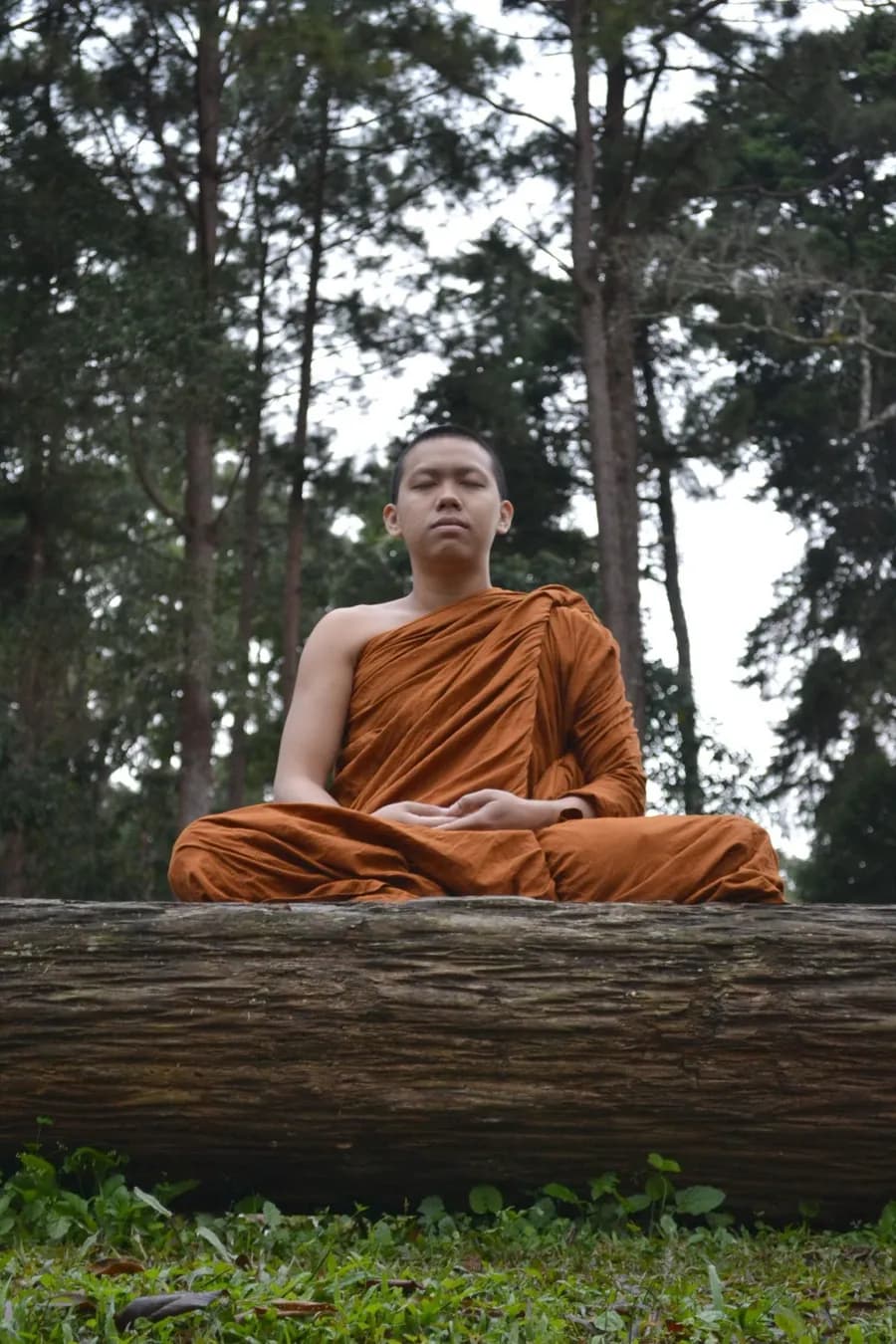
Anapana Meditation: Technique and Benefits
Anapana meditation, one of the oldest breath-awareness practices, simply asks you to observe the natural breath without controlling it. Learn the technique with Habuild's guided sessions.
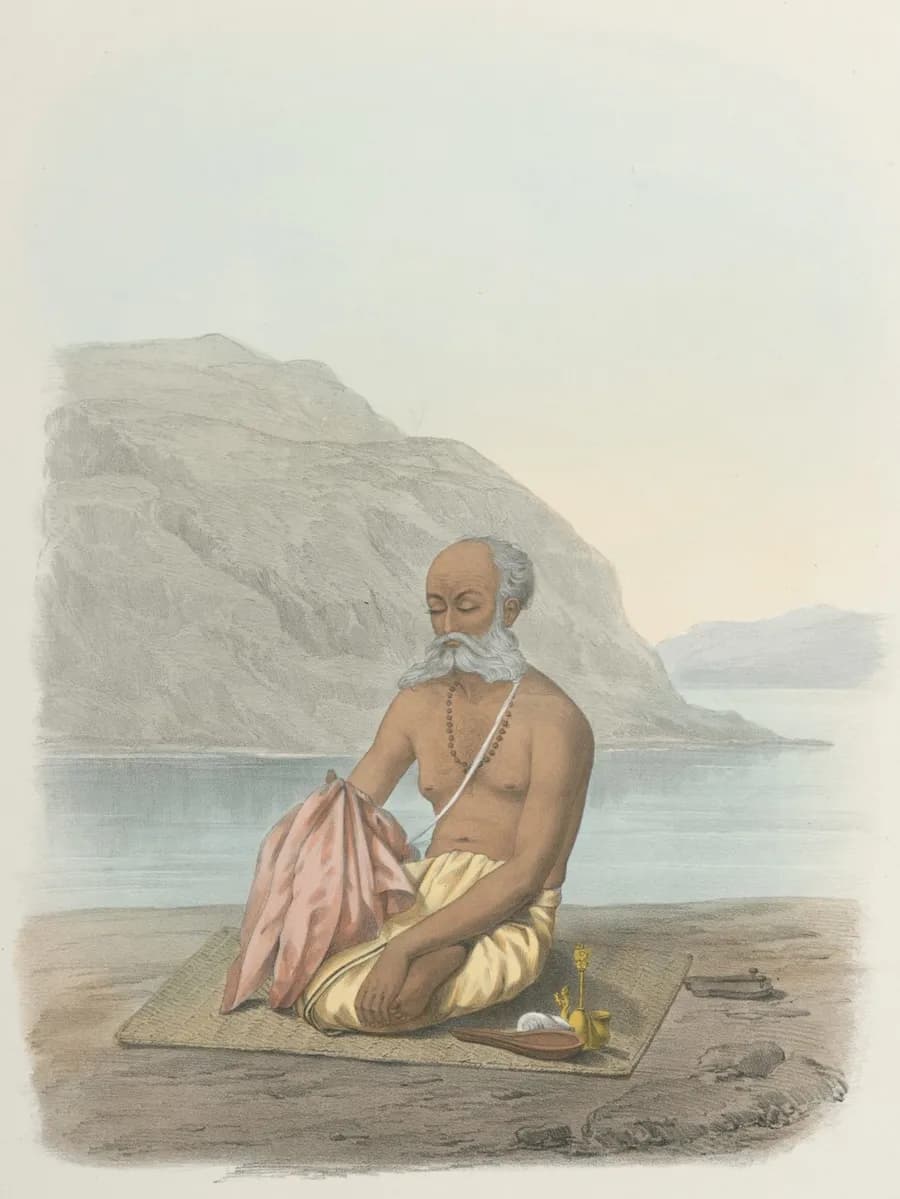
Mantra Meditation: How It Works and How to Start
Mantra meditation uses a repeated word or sound instead of the breath as your anchor — often easier to hold onto on busy, distracted days. Learn how to start with Habuild's guided sessions.

Chakra Meditation: A 7-Chakra Guide for Beginners
Chakra meditation moves through all seven energy centres in a single sitting, giving beginners a felt sense of the whole system. Try a guided 7-chakra practice with Habuild.