
Pranayama for Beginners: Where to Start
Pranayama for beginners can feel overwhelming with so many named techniques — this guide walks through the simple starting point everything else builds on. Practise it daily with Habuild's guided sessions.
Key Takeaways
- Start with slow belly breathing before attempting forceful techniques like Kapalbhati.
- Rest a hand on your belly to check you’re breathing into it, not just the chest.
- A longer exhale than inhale is what shifts the body toward a calmer state.
- A realistic sequence: belly breathing, then extended exhales, then Anulom Vilom.
- Pregnancy or uncontrolled blood pressure call for a doctor’s input first.
With so many named techniques — Kapalbhati, Bhastrika, Anulom Vilom, Ujjayi — pranayama for beginners can feel overwhelming before you’ve even taken a single conscious breath. The good news is you don’t need to learn all of them at once; a simple, gentle starting point builds the foundation everything else rests on, and this guide to pranayama for beginners walks through exactly that starting point step by step.
The Best Basic Pranayama Exercises to Start With
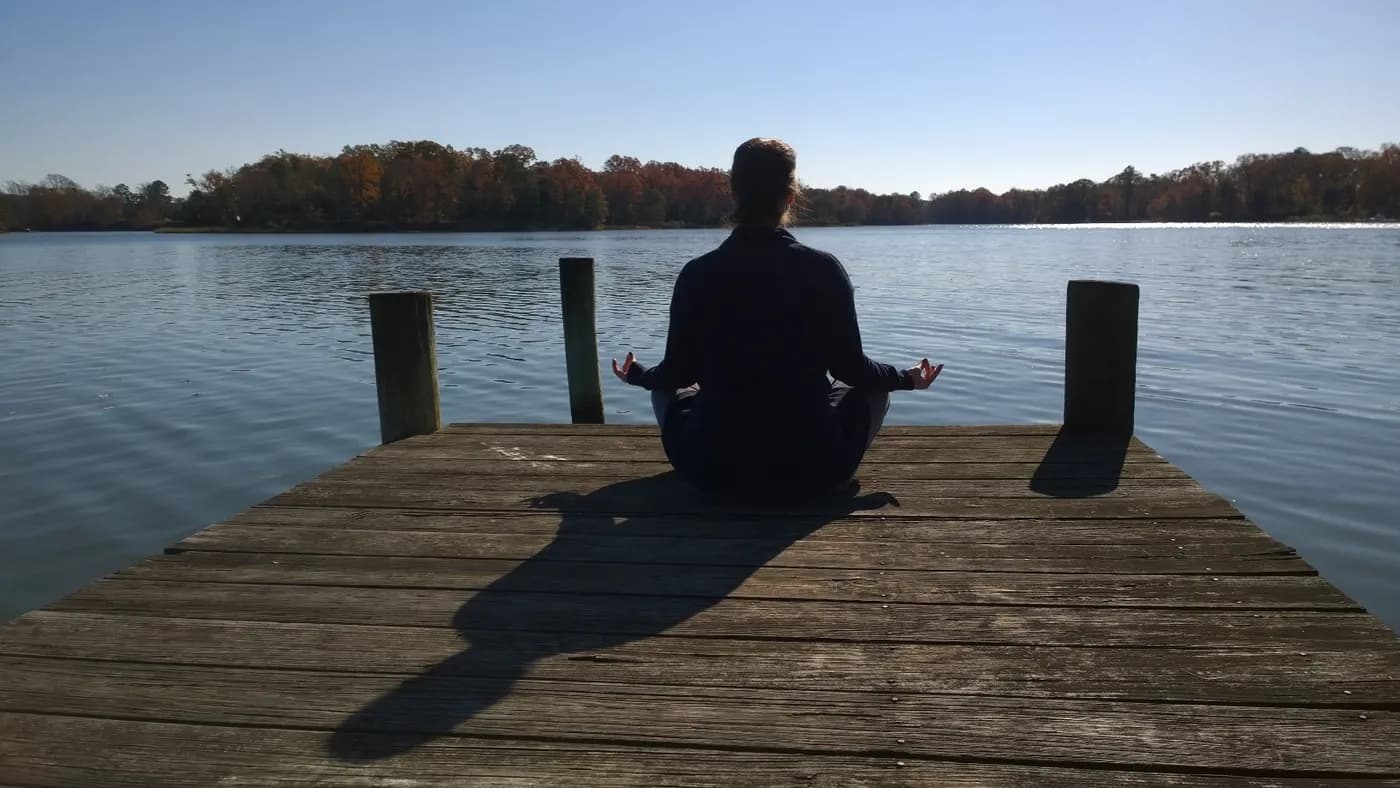
Pranayama for beginners should start with slow, simple breathing before attempting forceful or complex techniques. Sit in a comfortable, upright position first — cross-legged on the floor or straight-backed in a chair — since a slouched posture restricts the diaphragm and makes even simple breathing feel harder than it is. Basic pranayama exercises for absolute beginners:
- Deep belly breathing — inhale slowly through the nose for a count of four, feeling your belly expand rather than your chest and shoulders rising. Exhale slowly for a count of four to six. Rest one hand on your belly for the first few sessions so you can feel whether you’re actually breathing into the belly or just the upper chest — this is the single most common thing beginners get wrong at first. Five minutes daily builds basic breath awareness.
- Extended exhale breathing — once belly breathing feels natural, inhale for a count of four, exhale for a count of six, gradually building comfort with longer, controlled exhales. A longer exhale than inhale is what shifts the body toward a calmer state, so resist the urge to rush the exhale just to get to the next breath.
- Once comfortable with these, gentle techniques like alternate nostril breathing (Anulom Vilom) are a reasonable next step — closing one nostril with the thumb, inhaling through the other, switching, and exhaling through the opposite side, in slow, unhurried rounds.
A realistic beginner sequence looks like this: two to three minutes of belly breathing to settle in, followed by three to five minutes of extended-exhale breathing, then a few rounds of Anulom Vilom once that feels steady — all done seated, unhurried, and never to the point of feeling breathless or lightheaded.
Pranayam Steps for Beginners: What to Avoid Early On
Forceful techniques like Bhastrika and Kapalbhati are best left until you’ve built some basic breath control and comfort — jumping straight to rapid, forceful breathing as a complete beginner increases the risk of dizziness or discomfort. Pranayam steps for beginners should always start gentle and build gradually, ideally on an empty stomach and without straining.
Photo: Pinkpanther0, CC BY 4.0, via Wikimedia Commons
Who Should Be Extra Cautious With Pranayama for Beginners
Most gentle breathing exercises are safe for the vast majority of people, but a few situations call for extra caution or a doctor’s input before starting: pregnancy (especially techniques involving breath retention or forceful exhales), uncontrolled high or low blood pressure, recent abdominal or chest surgery, hernias, and any diagnosed respiratory condition like severe asthma or COPD. If you feel dizzy, lightheaded, or short of breath during any pranayama practice, stop, breathe normally, and ease back in more gently next time rather than pushing through the sensation. Pranayama for beginners is meant to feel calming, not effortful — dizziness or discomfort is a signal to slow down, not a sign you need to try harder.
Building a Consistent Practice
Pranayama for beginners works best as a short, daily habit rather than an occasional long session — five minutes every day teaches your body the pattern far better than twenty minutes once a week. Pairing it with something you already do daily, like right after brushing your teeth in the morning or right before your regular yoga session, makes it far easier to stick with than trying to find a fresh slot in an already busy day. For a deeper look at what pranayama actually is and its various types, our guide on what is pranayama is a useful companion read.
It also helps to track progress by feeling rather than counting days. In the first week, most beginners simply notice they can sit through the exercises without their mind racing to check the time. By the second or third week, the exhale naturally starts lasting longer without conscious effort, and by a month in, many people find they’ve started breathing more slowly and deeply through the day generally, not just during practice. That gradual, almost invisible shift is really the entire point of learning pranayama for beginners properly instead of skipping ahead to advanced techniques.
Frequently Asked Questions
Related Articles
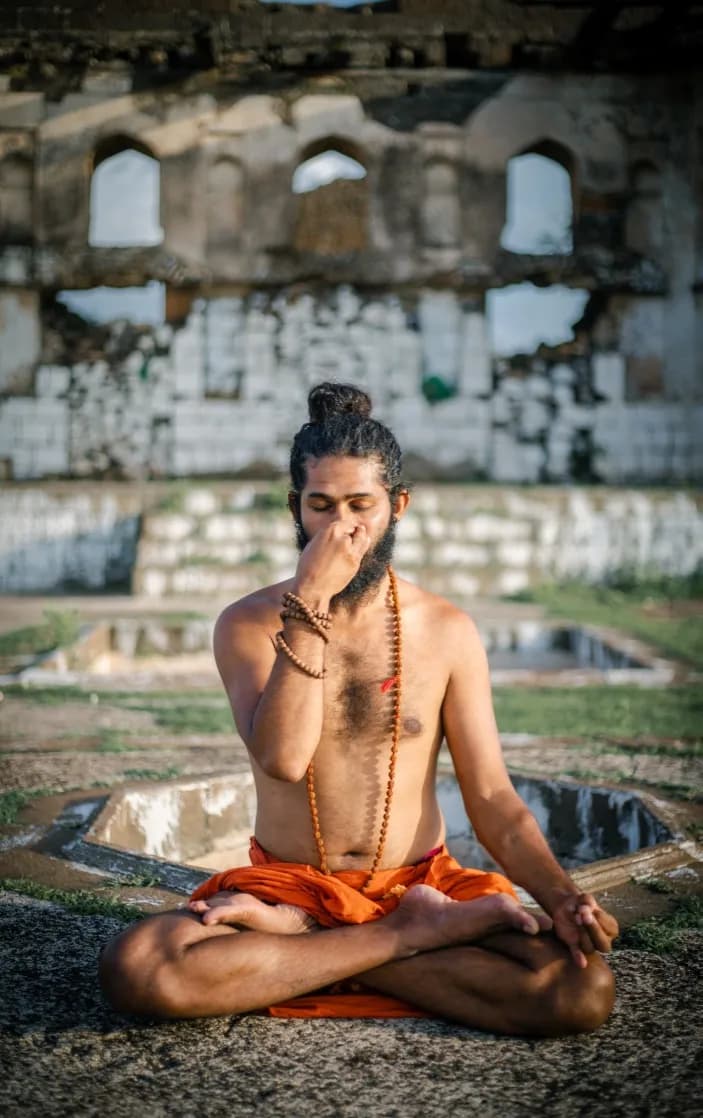
Anulom Vilom Pranayama: Steps, Benefits and Precautions
Learn anulom vilom pranayama — alternate-nostril breathing steps, benefits, and precautions to know before you start. Practise it daily alongside Habuild's guided yoga and breathing sessions.
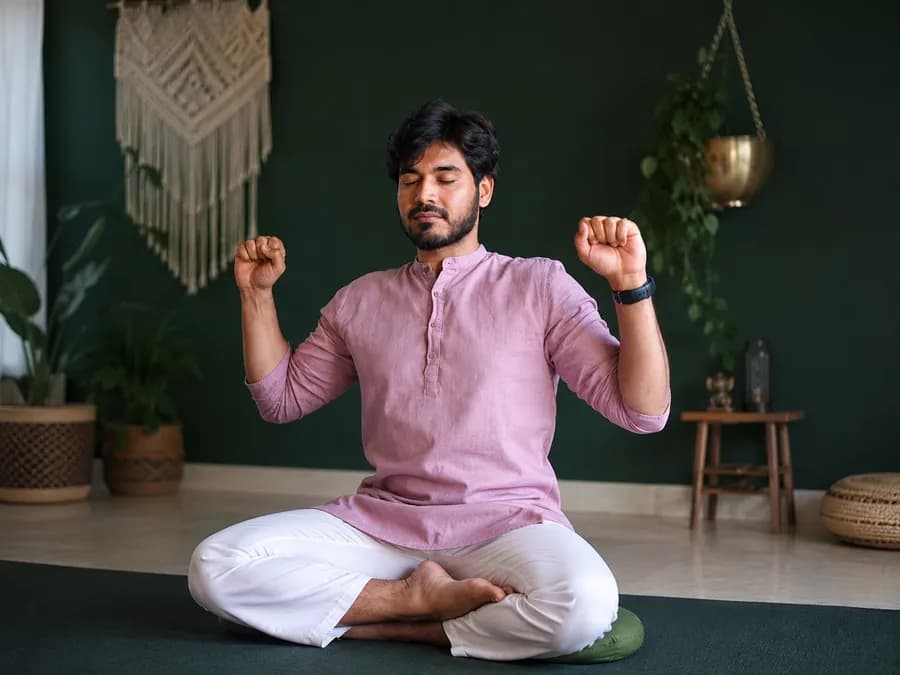
Bhastrika Pranayama: Steps, Benefits and Precautions
Bhastrika Pranayama is one of the more energetic breathing techniques in yoga — a loud, rhythmic 'whoosh' that wakes you up from the inside out. Learn the steps, benefits, and precautions with Habuild.
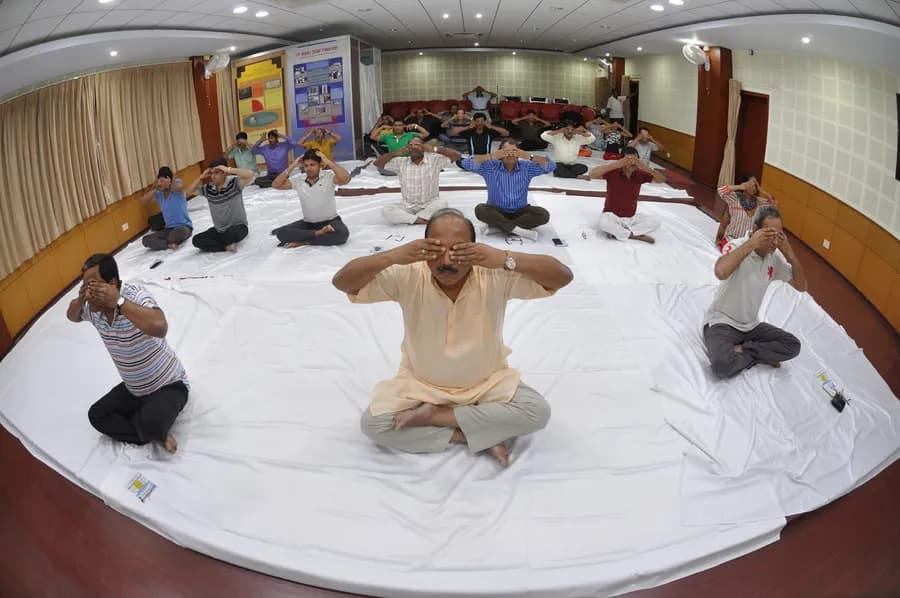
Bhramari Pranayama: Steps, Benefits and Precautions
Bhramari pranayama, the humming bee breath, brings the head still and quiet within seconds. Learn the correct hand position, steps, and precautions with Habuild's guided practice.