
Bhastrika Pranayama: Steps, Benefits and Precautions
Bhastrika Pranayama is one of the more energetic breathing techniques in yoga — a loud, rhythmic 'whoosh' that wakes you up from the inside out. Learn the steps, benefits, and precautions with Habuild.

Key Takeaways
- ‘Bhastrika’ means bellows – both the inhale and exhale are forceful and equal in effort.
- Unlike Kapalbhati, where only the exhale is forceful and the inhale is passive.
- Usually placed early in a session to shake off sluggishness before quieter practices.
- Rewards slow, controlled form far more than speed or a high round count.
- More physically demanding and heating, so it’s done for fewer rounds than Kapalbhati.
If you have ever watched someone practice yoga and heard a loud, rhythmic “whoosh” of breath, chances are you were watching Bhastrika Pranayama. It is one of the more energetic breathing techniques in yoga, and it has a way of waking you up from the inside out. In this guide, we will walk through what Bhastrika Pranayama actually is, how it is different from the more commonly known Kapalbhati, the correct steps to practice it, its genuine benefits, and — just as importantly — who should stay away from it.
What Is Bhastrika Pranayama?
The word “Bhastrika” comes from Sanskrit and means “bellows” — like the leather bellows a blacksmith uses to fan a fire. That image tells you almost everything you need to know. Bhastrika Pranayama is a breathing technique where you inhale and exhale forcefully and rapidly through the nose, using your diaphragm and abdominal muscles the way a bellows pumps air into flames.
Unlike calm, quiet breathing, Bhastrika is active on both ends of the breath. You are not just pushing air out — you are pulling it in with equal effort too. This is what makes it one of the more stimulating pranayama practices in the yogic tradition, alongside techniques you may have already come across, such as Kapalbhati or Nadi Shodhana. If you are new to the world of breathwork, our overview of different types of yoga breathing is a good place to see where Bhastrika fits into the bigger picture.
Traditional yoga texts describe this technique as one that generates internal heat and stirs up energy quickly, which is exactly why it’s usually placed early in a practice session — as a way to shake off sluggishness before moving into stiller, quieter forms of breathwork or meditation. It’s a technique that rewards attention to form far more than it rewards speed. A slow, controlled version done with full awareness will always serve you better than a fast, sloppy one done just to finish a count of rounds.
Bhastrika Pranayama vs Kapalbhati: What’s the Real Difference?
This is where a lot of people get confused, and it is worth clearing up properly. Both techniques involve fast breathing through the nose, both make a distinct sound, and both are often taught back-to-back in a yoga class. But the mechanics are not the same.
In Kapalbhati, only the exhale is forceful. You push the air out sharply by contracting your abdomen, and the inhale that follows is passive — it just happens on its own as your belly relaxes. In Bhastrika Pranayama, both the inhale and the exhale are forceful and equal in effort. You are actively pumping air in and actively pumping air out, like the bellows the technique is named after.
If you want to go deeper into Kapalbhati specifically — its own steps, benefits, and precautions — we have a detailed guide on Kapalbhati Pranayama that pairs well with this one. Knowing the difference matters because this practice tends to be more physically demanding and heating for the body, so it is usually done for fewer rounds than Kapalbhati.
A simple way to remember it: Kapalbhati is often described as “skull-shining breath,” light and cleansing, with a passive inhale that just refills the lungs on its own. This one, true to its bellows imagery, asks both the in-breath and the out-breath to work equally hard, which is also why it tends to feel warmer and more intense on the body within just a few rounds.
Photo: Jesus Bonilla, Public domain, via Wikimedia Commons
Benefits of Bhastrika Pranayama
Let’s be honest about what this practice can and cannot do. Bhastrika Pranayama is not a miracle cure, but when practiced consistently and correctly, it does offer some real, tangible benefits.
It can improve lung capacity. The forceful, full breaths used in Bhastrika actively work your diaphragm and rib cage, which over time can help your lungs move more air with each breath.
It has an energizing effect. Many people describe feeling more alert and awake after a round of Bhastrika Pranayama, much like a natural, caffeine-free wake-up call. This is largely due to the increased oxygen exchange happening in a short span of time.
It can sharpen mental alertness. The rapid breathing pattern brings your focus sharply into the present moment, which is why many practitioners use it before meditation or study sessions — it clears the mental fog that comes with a sluggish morning.
It may support digestion. The vigorous movement of the diaphragm and abdominal muscles gently massages the digestive organs, which some practitioners find helpful for sluggish digestion, though this should not replace medical advice for any digestive condition.
It can be a natural mood lift. The combination of full breaths and quick focus tends to interrupt a spiral of overthinking. Many practitioners use a short round after a stressful morning simply to feel a little steadier and more present, though it’s worth being clear that this is a supportive habit, not a replacement for professional mental health care when that’s needed.
In the yogic tradition, this kind of vigorous breath is also associated with stimulating prana, or life force energy, in the body. If that concept is new to you, our piece on what prana means in yoga explains it in simple terms. None of these benefits arrive overnight — like most things in yoga, they build gradually with regular, careful practice rather than one intense session.
How to Do Bhastrika Pranayama: Step by Step
Now let’s get into the actual practice. Here is how to do Bhastrika Pranayama safely and correctly.
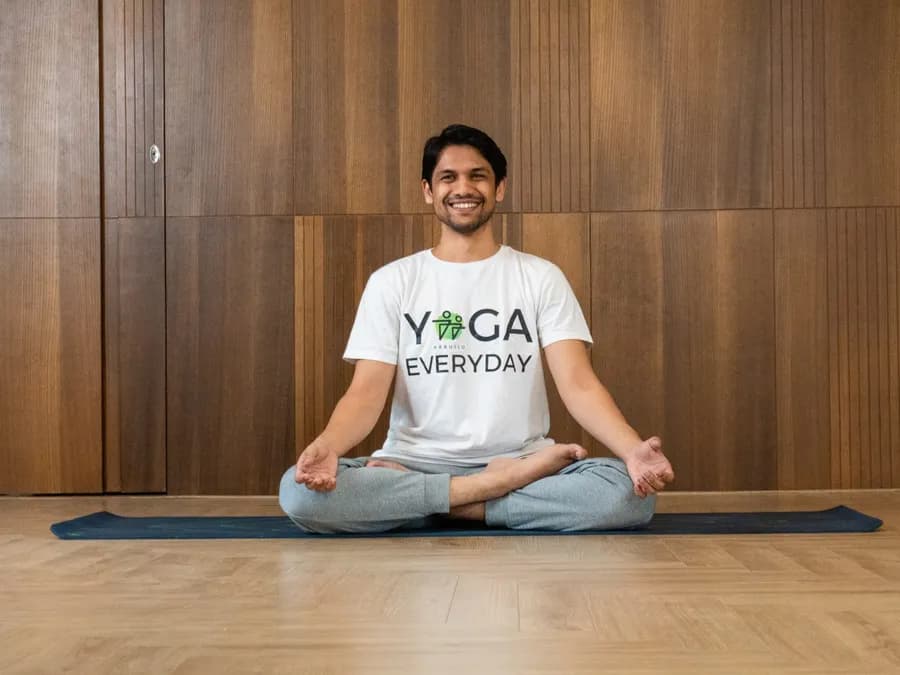
1. Find your seat. Sit in a comfortable cross-legged position — Sukhasana, Padmasana, or even sitting upright in a chair works fine if sitting on the floor is difficult. Keep your spine tall but not stiff, shoulders relaxed, and chest open.
2. Set your hands (optional). You can rest your hands on your knees in Gyan Mudra (thumb and index finger touching), or simply keep them relaxed in your lap. This isn’t essential to the technique, but many find it helps settle the mind before starting.
3. Take a few normal breaths first. Close your eyes and breathe naturally for 30 seconds. Let your body settle before you begin the forceful breathing.
4. Begin the forceful inhale-exhale cycle. Through your nose, inhale forcefully and fully, expanding your belly and chest. Then exhale just as forcefully, pulling your navel in toward your spine. Both the inhale and exhale should be equal in force and speed — this is the core of Bhastrika Pranayama, and what separates it from Kapalbhati.
5. Keep a steady rhythm. Aim for about one full breath cycle (in and out) per second, though your own comfortable pace matters more than speed. The sound should be audible but not strained.
6. Rounds and repetitions. If you are a beginner, start with just 10 to 15 breaths, followed by a slow, deep inhale and exhale to reset. That is one round. Do 2 to 3 rounds with a short rest in between. As you build comfort over weeks and months, you can gradually work up to 20 to 30 breaths per round, always guided by a qualified teacher rather than pushing on your own. Advanced practitioners under proper guidance sometimes do longer rounds, but there is no need to rush toward that.
7. When to practice. Bhastrika Pranayama is best done on an empty stomach, ideally first thing in the morning, or at least three to four hours after a meal. Morning practice, in a well-ventilated space, tends to feel the most energizing.
Common Mistakes to Watch For
A few small errors show up often, even among people who have practiced for a while. Raising the shoulders up toward the ears with every inhale is one — it tires you out fast and adds unnecessary tension to the neck. Breathing only from the chest instead of engaging the belly and diaphragm is another; it turns a grounding practice into a shallow, anxious-feeling one. And rushing to add more rounds before the breath feels steady is probably the most common mistake of all. Slow down before you speed up — the quality of each breath matters more than the count.
Precautions: Who Should Avoid Bhastrika Pranayama
This is the part we would ask you to genuinely pay attention to, not skim past. Bhastrika is a powerful, forceful practice, and forceful is not the same as risk-free.
Bhastrika Pranayama is not recommended for people with:
- High blood pressure or any heart condition
- Epilepsy or a history of seizures
- Vertigo or a tendency to feel dizzy easily
- Pregnancy
- Hernia
- Recent abdominal surgery
If any of these apply to you, please skip this technique, or practice only under the direct supervision of a qualified yoga teacher or doctor who knows your medical history.
Even if none of these apply, beginners should never rush. Doing too many rounds, breathing too fast, or holding tension in the shoulders and neck can lead to dizziness, hyperventilation, or a headache. Start slow, stop immediately if you feel lightheaded, and always return to normal breathing if anything feels off. This is a practice that rewards patience far more than intensity.
It also helps to practice on an empty stomach and in a space where you can sit undisturbed for a few minutes, since losing focus midway through a fast breathing cycle is often when form slips and mistakes creep in. If you are managing any chronic health condition not listed above, it’s still a good idea to mention it to your doctor or a qualified teacher before adding this to your routine — a quick check-in is a small effort for real peace of mind.
This practice is one small piece of a much larger whole, and like most things in yoga, its real benefits show up not in a single powerful session but in showing up for it regularly, gently, and with patience. If you are looking for a structured way to build that kind of consistency, Habuild’s free yoga challenge is a good place to start — it brings breathing practices like this one into a simple daily routine you can actually stick with.
Frequently Asked Questions
Related Articles
Pranayama Asana: A Guide to Breathing Poses Benefits and Practice
Practice Pranayama Asana with Habuild. Learn pranayama breathing types, steps, and benefits for lung health, stress relief, and daily vitality. Start today!
Kapalbhati Pranayam: How to Practice Benefits and Precautions
Practice Pranayam Kapalbhati with Habuild. Follow the skull-shining breath steps to boost digestion, strengthen your core, and energise your body. Start today!
Chandrabhedan Pranayam: How to Practice and Its Cooling Benefits
Practice Chandrabhedan Pranayam with Habuild. Follow the left nostril breathing steps to calm your mind, cool your body, and improve sleep quality. Start today!