
So Hum Meditation: Meaning and Practice
So Hum meditation pairs one of yoga's simplest mantras directly with your breath — “So” on the inhale, “Hum” on the exhale. Learn the meaning and practice with Habuild's guided sessions.
Key Takeaways
- So Hum pairs ‘So’ on the inhale and ‘Hum’ on the exhale with your natural breath.
- Loosely translates to ‘I am that,’ rooted in Advaita Vedantic philosophy.
- Let your breath settle into its own rhythm first, before adding the words.
- The breath should set the pace – don’t force breathing to fit the words.
- Closely related to Ajapa Japa, ‘repetition without repeating,’ once fully synced.
So Hum meditation pairs one of the simplest mantras in yogic tradition directly with your natural breath — “So” on the inhale, “Hum” on the exhale — making it one of the most accessible mantra practices for beginners, since the breath itself does most of the pacing work. This guide covers exactly how so hum meditation works, how to practice it correctly, and where it fits alongside other breath-based techniques.
Meaning of So Hum Mantra
The meaning of So Hum mantra translates loosely as “I am that” — a pointer toward the sense of connection between individual awareness and a larger whole. This idea comes from Advaita, or non-dual, Vedantic philosophy, where the individual self and the larger consciousness it’s part of are understood to be one and the same, rather than separate. You don’t need to fully grasp or accept this philosophical meaning for the practice to feel calming; many people simply use it as a natural, breath-synced anchor for attention, and the deeper meaning is something you can explore later, if and when it interests you, without it changing how the technique itself is done.
How to Practice
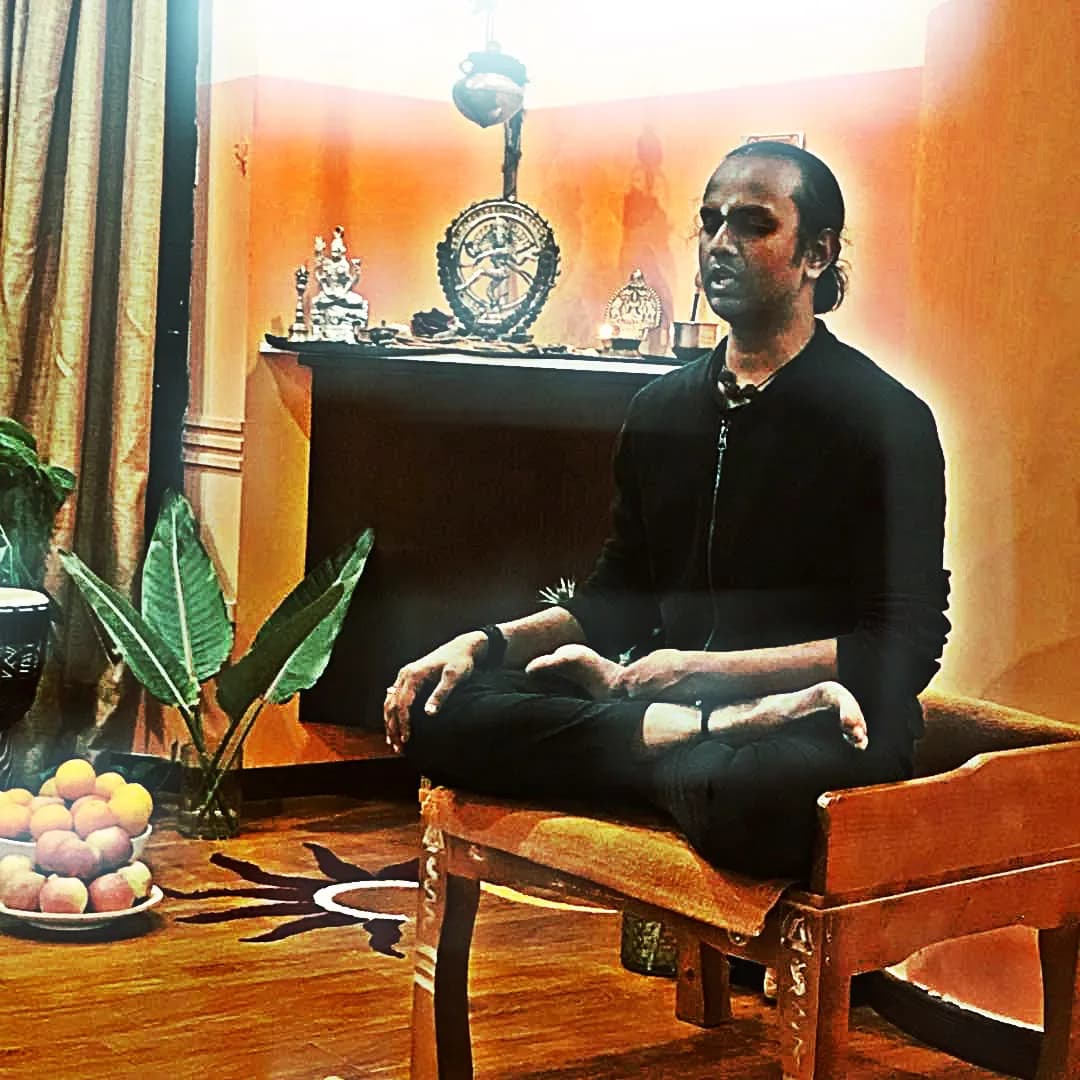
- Sit comfortably, spine reasonably upright, hands resting easy on your knees or lap. Close your eyes.
- Let your breathing settle into its own natural rhythm for a few breaths before adding any words at all — this matters more than it sounds, since starting the mantra too soon often means you’re unconsciously shaping the breath to fit the words instead of the other way around.
- As you inhale, silently think “So.” As you exhale, silently think “Hum.”
- Let the words match the natural length of each breath, without forcing or changing your breathing pattern. A short breath gets a short “So… Hum,” a long one gets a longer, more drawn-out version — the breath sets the pace, always.
- Continue for five to ten minutes, gently returning to the words whenever your mind wanders.
The most common mistake beginners make is reversing this order — trying to control the breath to match a fixed rhythm for “So” and “Hum,” turning it into something closer to counted pranayama than a mantra practice. If you notice yourself lengthening or forcing breaths just to complete the words evenly, that’s the signal to loosen your grip and let the breath lead again. A second common mistake is opening the eyes or checking the time repeatedly in the first few sessions — a phone timer with a gentle alarm removes this temptation entirely. A third, subtler mistake is over-focusing on getting the Sanskrit pronunciation exactly right — the sound matters less than the rhythm and the returning; a soft, approximate “so” and “hum” work perfectly well and shouldn’t become a source of self-conscious distraction during practice.
Photo: Yogasadhanaguru, CC BY 4.0, via Wikimedia Commons
So Hum vs Ajapa Japa
So Hum meditation is closely related to a broader practice called Ajapa Japa, meaning “repetition without repeating” — the idea that once the mantra is fully synced to the breath, you’re no longer actively “doing” the chanting at all; it happens on its own, automatically, with every single breath you take whether you’re meditating or not. In this frame, So Hum isn’t something you start and stop during a session — it’s considered the sound the breath itself is already quietly making (some traditions describe the natural sound of breathing as resembling “so” on the inhale and “hum” on the exhale even without deliberate effort). Formal So Hum meditation practice, then, is really just deliberately noticing and tuning into a rhythm that’s already there, rather than manufacturing something new. This is part of why long-time practitioners describe the practice as revealing rather than effortful once it becomes familiar.
The Benefits of So Hum Meditation
Because it’s tied directly to the breath rather than requiring separate rhythm or counting, benefits of so hum meditation include being one of the easiest mantra practices to sustain, especially for people who find pure breath awareness too subtle to hold attention on. The syllables give the mind something concrete to do while still keeping the practice anchored to the breath’s natural, calming rhythm. Many practitioners also find it useful in moments of mild stress during the day — a minute or two of silent “So… Hum” while waiting in traffic or before a difficult conversation is often enough to take the edge off, even without a full formal sitting. If you’d like to explore other mantra options, our broader guide on mantra meditation covers several approaches in one place.
Frequently Asked Questions
Related Articles
Mantra Meditation: How It Works and How to Start
Mantra meditation uses a repeated word or sound instead of the breath as your anchor — often easier to hold onto on busy, distracted days. Learn how to start with Habuild's guided sessions.
Anapana Meditation: Technique and Benefits
Anapana meditation, one of the oldest breath-awareness practices, simply asks you to observe the natural breath without controlling it. Learn the technique with Habuild's guided sessions.

10 Minute Meditation: A Quick Daily Reset
A 10 minute meditation is long enough to settle into real calm and short enough to actually do daily. Find your own quick daily reset with Habuild's guided sessions.