
30 Minute Full Body Workout at Home
A structured session trains legs, core, back, chest, and arms with a warm-up, a main circuit, and a brief cool-down — no equipment required. See the full 30-minute plan.
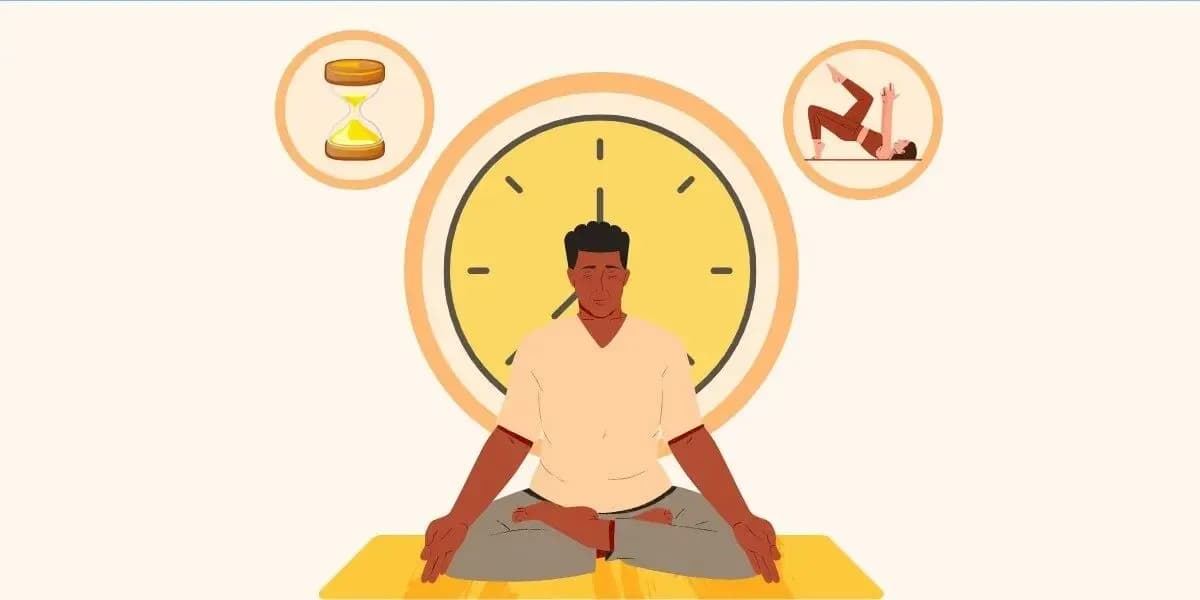
Key Takeaways
- Trains legs, core, back, chest, and arms with no equipment
- Includes a warm-up, main circuit, and brief cool-down in 30 minutes
- Keeps heart rate elevated, adding cardio benefit alongside strength
- Squats and lunges support bone density as you age
- Short enough to genuinely repeat daily for long-term change
A 30 minute full body workout at home is a structured exercise session that trains all major muscle groups — legs, core, back, chest, and arms — using bodyweight movements with no equipment. A well-designed 30-minute session includes a warm-up, a main circuit, and a brief cool-down, making it one of the most time-efficient ways to build functional strength consistently.
Whether you’re trying to build functional strength, improve your energy levels, or simply move more consistently, a structured 30-minute session covers all the major muscle groups efficiently. This guide walks you through everything — from benefits and exercises to common mistakes and who this format suits best.
10 Benefits of a 30 Minute Full Body Home Workout
- Builds Lean Muscle Without a Gym Compound bodyweight movements — like squats, push-ups, and lunges — activate multiple muscle groups simultaneously. Over time, consistent repetition creates real muscular development, even without weights.
- Boosts Metabolism Throughout the Day A structured full-body session elevates your metabolic rate for hours after you finish. This after-burn effect means your body continues working long past the workout itself.
- Improves Bone Density Weight-bearing exercises such as squats and lunges place healthy stress on your bones, which may gradually support bone density over time — particularly relevant as you age.
- Enhances Functional Strength The movements in a home-based full-body routine mimic everyday actions — pushing, pulling, hinging, and squatting. This makes daily tasks feel progressively easier. You can explore exercises for functional strength that complement this approach.
- Supports Fat Loss Through Consistent Movement Regular full-body sessions help the body manage fat more effectively when paired with reasonable nutrition. The key is showing up consistently, not doing more in a single session.
- Requires Zero Equipment Your bodyweight is enough to create meaningful resistance at home. No dumbbells, no bench, no gym — just floor space and commitment.
- Saves Time Without Sacrificing Results 30 minutes is genuinely enough when the session is structured. Every minute has a purpose — warm-up, work, and a short cool-down all fit within the window.
- Reduces Stress and Improves Mood Physical movement triggers endorphin release, which may help you feel calmer and more focused. Many people notice a shift in their mental state after as little as two to three weeks of consistent practice.
- Improves Cardiovascular Health Over Time When exercises are performed in circuits with minimal rest, your heart rate stays elevated — providing both strength and cardiovascular benefits in the same session.
- Builds a Habit That Lasts The real advantage of 30-minute home workouts is their repeatability. When a session is short enough to fit into a busy morning, it becomes something you can actually sustain — and consistency is what drives long-term change.
How to Get Started with a 30 Minute Full Body Home Workout
What You Need to Begin
Virtually nothing. A yoga mat or a carpeted area is ideal, but even that is optional. Wear comfortable clothes, clear a 6×4 foot space, and you’re ready. No resistance bands or weights are required to start — your bodyweight provides sufficient challenge for the first several weeks.
Setting Realistic Goals
Don’t aim for dramatic transformation in week one. A realistic target for a beginner is three sessions per week for the first month, focusing on learning proper movement patterns before adding intensity. Avoid the trap of doing a 90-minute session on day one and then skipping the next four days. Shorter, frequent sessions consistently outperform occasional marathon efforts.
Start with the Basics
Begin with movements you can perform with reasonable form: bodyweight squats, modified push-ups (from the knees if needed), glute bridges, and a basic plank hold. These four movements alone — done with intent — deliver a complete full-body stimulus. Once these feel manageable, you can layer in more challenging progressions. If you’re just starting out, resistance training at home for beginners is a natural next step to explore.
Best Exercises for a 30 Minute Full Body Home Session
The following seven movements form the core of an effective home-based full-body routine. Perform each for 40 seconds of work followed by 20 seconds of rest. Run through the circuit twice for a complete session including warm-up and cool-down.

Squats
Stand with feet shoulder-width apart, lower until thighs are parallel to the floor, then drive through your heels to stand. Squats train the quads, hamstrings, and glutes simultaneously. Aim for 3 sets of 12–15 reps if not following circuit timing.
Push-Ups
Keep your body in a straight line from head to heels. Lower your chest toward the floor, then press back up. Modify by dropping to your knees if needed. Push-ups develop the chest, shoulders, and triceps while engaging the core throughout.
Reverse Lunges
Step one foot back and lower your back knee toward the floor. Return to standing and alternate sides. Reverse lunges are easier on the knees than forward lunges and effectively challenge balance and lower-body stability. Do 10 reps per leg.
Plank
Hold a forearm plank position with hips level — don’t let them sag or rise. A 20–30 second hold done with full tension is more effective than a 90-second hold with poor form. The plank builds deep core stability that supports every other movement on this list.
Glute Bridges
Lie on your back with knees bent. Press through your heels to lift your hips off the floor, squeeze at the top, then lower slowly. This movement targets the glutes and hamstrings — the most commonly under-trained muscles in people who sit for long hours. Aim for 15 reps per set.
Mountain Climbers
Start in a high plank position. Drive alternating knees toward your chest in a controlled running motion. Mountain climbers elevate your heart rate while engaging the core, hip flexors, and shoulders. Do 20 reps (10 per side) at a controlled pace.
Superman Hold
Lie face down and lift your arms and legs off the floor simultaneously, holding for two seconds before lowering. This is one of the most underrated movements for building lower back strength and posterior chain awareness — muscles that directly improve your posture and reduce back discomfort over time.
Common Mistakes to Avoid
- Poor Form Moving fast with poor alignment is how injuries happen. In a squat, your knees should track over your toes — not collapse inward. In a push-up, your hips should not pike upward. Slow down and feel the target muscle working before increasing pace or reps.
- Skipping the Warm-Up Jumping straight into squats or push-ups with cold muscles increases injury risk and reduces your range of motion. Spend five minutes on light movement — hip circles, shoulder rolls, cat-cow, and a few slow bodyweight squats — before the main circuit begins. A brief 30 minute full body stretching routine works well as a warm-up or cool-down and meaningfully improves how your body feels after training.
- Overtraining Too Soon Three well-executed sessions per week will produce better results than five rushed, fatigued sessions. Your muscles grow and recover during rest days — not during the workout itself. If you’re sore two days after a session, that’s a signal to rest or do light mobility work instead of pushing hard again.
- Inconsistency This is the single biggest obstacle for most home fitness beginners. Doing a perfect workout once every two weeks produces almost no adaptation. The research is clear: moderate effort performed consistently over months outperforms intense effort done sporadically. Habit formation matters more than heroic sessions. A structured strength training program can help you stay on a consistent schedule rather than guessing day to day.
Who Should Try a 30 Minute Full Body Home Workout?
- Beginners This format is ideal for anyone starting from scratch. The movements are simple enough to learn quickly, the duration is short enough to be non-intimidating, and the lack of equipment removes the most common barrier — needing to go somewhere. Begin with three days per week and build from there.
- Women One persistent myth is that strength-focused home workouts will make women bulky. This simply isn’t how physiology works. Bodyweight training builds lean, functional muscle — improving tone, posture, and daily energy without producing the heavy muscle mass that requires years of dedicated weightlifting to develop. Female strength training is one of the most effective tools for long-term health and body composition.
- Older Adults Movements like glute bridges, modified push-ups, and chair-assisted squats are accessible for older adults and may gradually support joint health, balance, and bone density with regular practice. Always consult your physician before starting a new exercise routine, especially if you have existing joint or cardiovascular conditions.
- Working Professionals A 30-minute session before work or during a lunch break fits within even a packed schedule. Beyond time efficiency, movements like planks, superman holds, and squats directly counteract the postural effects of prolonged desk sitting — rounded shoulders, weak glutes, and tight hip flexors. Many professionals find that morning movement improves focus and energy for the hours that follow.
Build Strength with a Routine That Actually Works
Building strength at home isn’t about doing random exercises every few days — it’s about consistency, guided progression, and a plan that fits your life. With the right structure and daily accountability, 30 minutes a day is genuinely enough to see real progress over time.
What You Get with Habuild’s Strong Everyday Program:
- Daily live guided strength and yoga sessions
- Beginner-to-advanced progression built into the plan
- No-equipment, home-friendly workouts
- Expert guidance for correct form and injury prevention
- A community that keeps you consistent
Related reads: 20 Minute Full Body Workout: 10 Benefits, Best Exercises & How to Start · Full Body Workout at Home Without Equipment: 30-Minute Daily Plan
Thirty minutes a day adds up fast, but only if that session is well-designed and repeated — a warm-up, main circuit, and cool-down thrown together inconsistently won’t deliver the same results as a genuine plan. Following a structured program takes the design work off your plate so you can focus purely on showing up. Habuild’s Strong Everyday program offers exactly this kind of complete, guided full-body training you can follow every day.
Frequently Asked Questions
Related Articles
20 Minute Full Body Workout: 10 Benefits, Best Exercises & How to Start
Compound movements in a circuit format target all major muscle groups — legs, core, back, chest, and shoulders — in a single 20-minute block. See all 10 benefits and how to start.
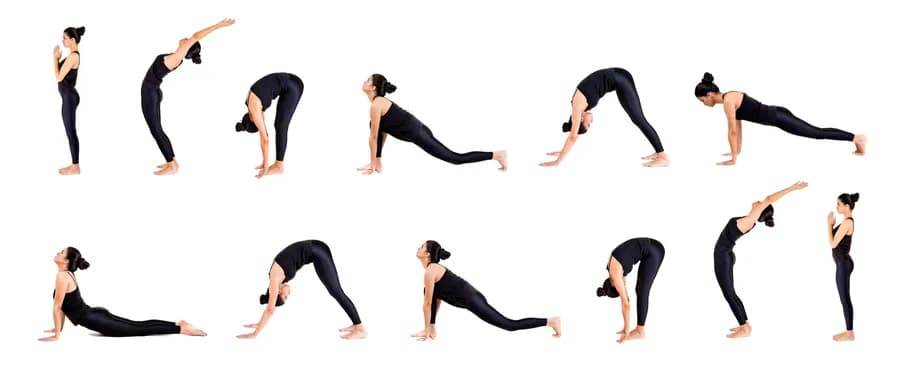
Full Body Workout at Home Without Equipment: 30-Minute Daily Plan
This 30-minute daily plan covers all major muscle groups using bodyweight only, producing a complete training stimulus in the time most people spend commuting to a gym. See the full plan.
Beginner Bodyweight Workout: The Complete No-Equipment Guide
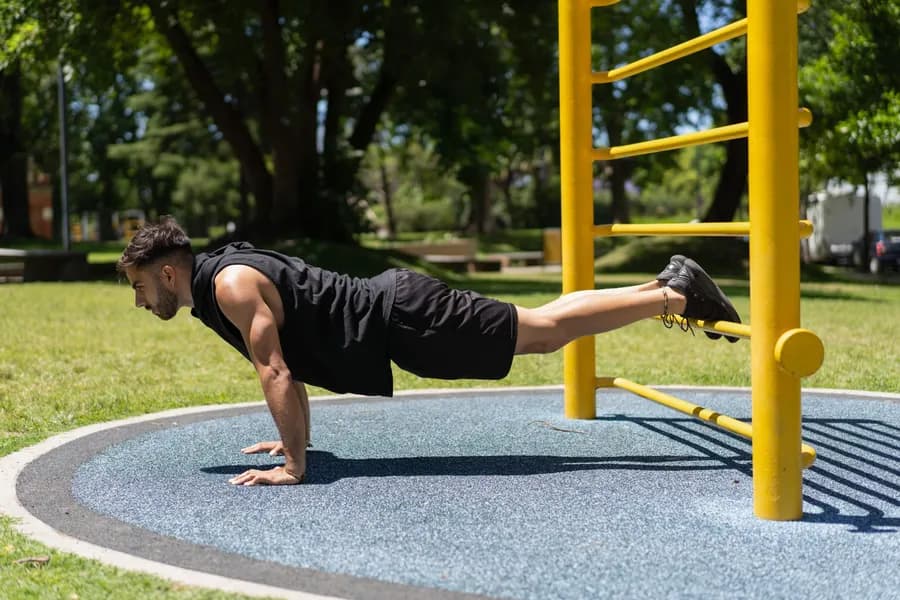
Squats, push-ups, lunges, planks, and bridges, performed in a structured sequence, build strength and movement quality from the ground up — no gym required. See the complete no-equipment guide.
Beginner Home Workout Without Equipment: Everything You Need to Start
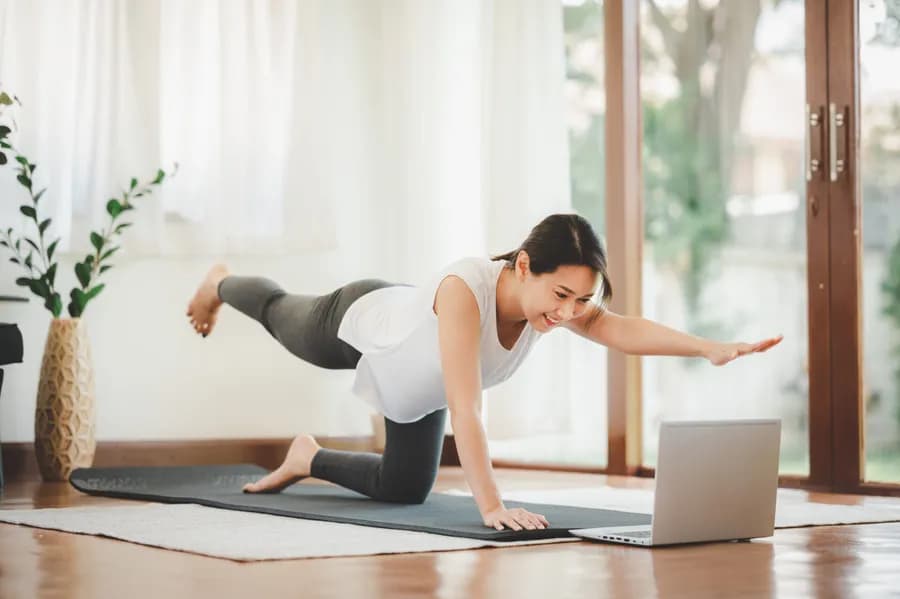
No gym membership, no gear, and no experience required — just your body, a little space, and the consistency to show up. See the benefits, best exercises, and common mistakes.
HIIT Workout for Beginners: Benefits, Exercises, and How to Get Started
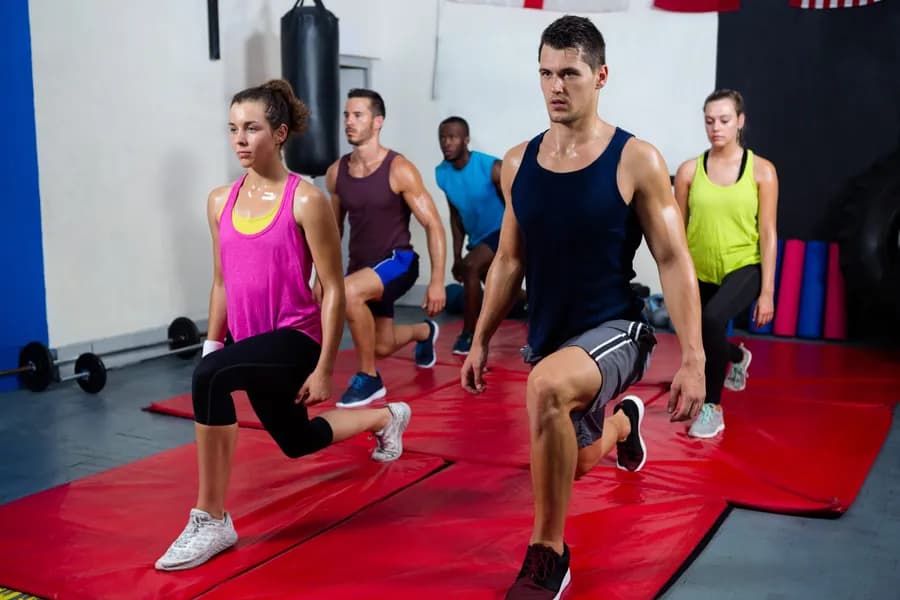
Short bursts of effort — 20-40 seconds — alternated with rest, repeated across a 20-30 minute session, build cardio fitness and fat loss entirely at home. See the exercises and how to start.

How to Make Muscles Strong: Exercises, Habits, and a Plan That Works
Muscle strength comes from consistent, progressive effort paired with smart recovery — not random workouts. See the exercises and habits that actually build it.