
20 Minute Full Body Workout: 10 Benefits, Best Exercises & How to Start
Compound movements in a circuit format target all major muscle groups — legs, core, back, chest, and shoulders — in a single 20-minute block. See all 10 benefits and how to start.
Key Takeaways
- Targets legs, core, back, chest, and shoulders in one 20-minute circuit
- Compound moves like squats and push-ups work more muscle per minute
- Short rest intervals keep your heart rate up for a cardio bonus
- Fits before work, during lunch, or after the kids are asleep
- Rotating movement patterns keeps training varied and easier to stick with
A 20 minute full body workout is a structured exercise session that targets all major muscle groups — legs, core, back, chest, and shoulders — in a single 20-minute block using compound movements in a circuit format. It is one of the most practical ways to build strength, improve endurance, and stay consistent without requiring a gym or hours of free time.
You don't need elaborate equipment or a two-hour window. A structured 20-minute session, done regularly, can meaningfully improve how your body moves, feels, and performs over time. This guide walks you through the benefits, how to begin, the best exercises, and the common mistakes most beginners make.
10 Benefits of a 20 Minute Full Body Workout
- Builds Lean Muscle Short, focused sessions that target multiple muscle groups stimulate lean muscle development without requiring hours of training. Compound movements like squats and push-ups recruit more muscle fibres per minute than isolation exercises.
- Boosts Metabolism Strength-based full body workouts elevate your resting metabolic rate. Your body continues burning energy for hours after the session ends — a process often called the afterburn effect.
- Improves Bone Density Weight-bearing and resistance exercises place healthy stress on bones, encouraging them to grow denser and stronger. This is especially valuable for people in their 30s and beyond. Consult your doctor if you have an existing bone condition.
- Enhances Functional Strength Full body workouts mimic real-life movement patterns — pushing, pulling, hinging, and squatting. Over time, this translates into easier daily tasks: carrying groceries, climbing stairs, or lifting without strain. Explore exercises for functional strength to deepen this foundation.
- Supports Gradual Fat Loss Combining compound movements with minimal rest intervals keeps your heart rate elevated throughout the session, supporting calorie expenditure alongside muscle building.
- Fits Any Schedule Twenty minutes is achievable before work, during a lunch break, or after the kids are asleep. Time is the most common barrier to consistent exercise — this format removes it.
- Reduces Training Monotony Rotating through different movement patterns in a single session keeps workouts varied and mentally engaging, which helps long-term adherence.
- Requires Minimal Equipment Most full body routines can be done with just bodyweight, a pair of dumbbells, or resistance bands — making them genuinely home-friendly.
- Improves Cardiovascular Endurance Circuit-style full body training keeps rest periods short, giving your cardiovascular system a solid workout alongside your muscles.
- Builds the Consistency Habit Shorter sessions are easier to commit to day after day. Consistent 20-minute workouts compounded over months produce far better results than sporadic two-hour sessions.
How to Get Started with a 20 Minute Full Body Workout
What You Need to Begin
Very little. A yoga mat or a clean floor space is enough for bodyweight-only sessions. If you want to add resistance, a pair of light-to-moderate dumbbells or a resistance band covers most exercises. No gym membership required.
If you prefer structured guidance from day one, Habuild's strength training program offers daily live sessions designed for home workouts at every level.
Setting Realistic Goals
Begin with 3 sessions per week and build to 4–5 once the routine feels comfortable. Avoid the temptation to push through fatigue in the first two weeks — building consistency matters more than intensity at the start. Aim for gradual improvement in form and rep count rather than dramatic changes in the first month.
Start with the Basics
For your first few weeks, keep the exercise selection simple. Focus on five to six foundational movements — squat, hinge, push, pull, plank — and perform each for 40 seconds followed by 20 seconds of rest. This format is sustainable, easy to track, and effective for beginners.
Best Exercises for a 20 Minute Full Body Workout
These seven exercises form an effective, balanced 20-minute circuit. Complete 3 rounds with 60 seconds of rest between rounds.
1. Squats
Stand with feet shoulder-width apart, lower until thighs are parallel to the floor, then push through your heels to stand. Targets quads, glutes, and hamstrings. 3 sets × 15 reps.
2. Push-Ups
Keep your core tight and lower your chest to within an inch of the floor. Modify on your knees if needed. Targets chest, shoulders, and triceps. 3 sets × 12 reps.
3. Dumbbell Rows
Hinge at the hips, hold a dumbbell in each hand, and pull them toward your ribcage. Keeps the posterior chain engaged and improves posture. 3 sets × 12 reps each side.
4. Lunges
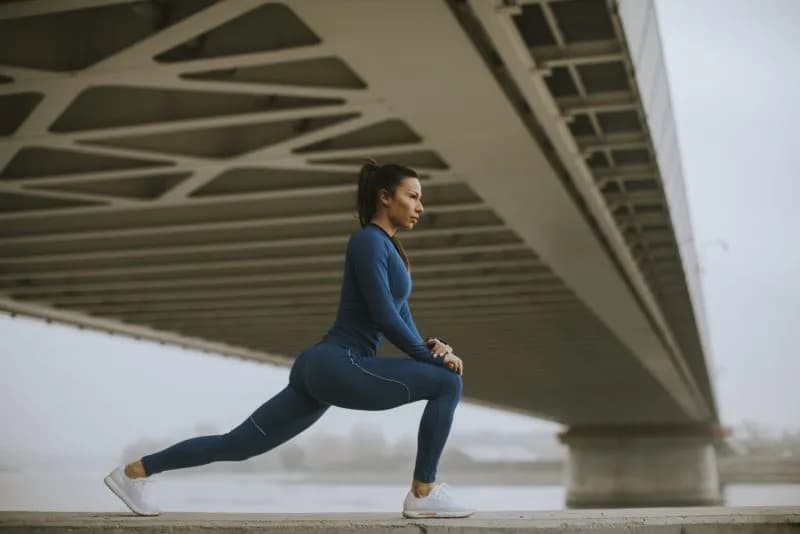
Step forward and lower your back knee toward the floor, keeping your front shin vertical. Excellent for unilateral leg strength and hip stability. 3 sets × 10 reps each leg.
5. Plank
Hold a forearm plank with hips level and core braced. Builds deep core strength that supports every other compound movement. 3 sets × 30–45 seconds.
6. Glute Bridge
Lie on your back, feet flat on the floor, and drive your hips toward the ceiling. Activates glutes and lower back — muscles often underworked during desk jobs. 3 sets × 15 reps.
7. Mountain Climbers
From a high plank position, drive alternating knees toward your chest at a controlled pace. Combines core strength with cardiovascular demand. 3 sets × 30 seconds.
Common Mistakes to Avoid
- Poor Form Rushing through reps with sloppy technique reduces effectiveness and raises injury risk. Slow down and focus on controlled movement, especially during the first few weeks. If you are unsure about form, a qualified strength training trainer can make a significant difference.
- Skipping the Warm-Up Even a five-minute warm-up — light cardio, shoulder circles, hip hinges — raises muscle temperature and prepares your joints. Skipping it is the fastest route to unnecessary soreness or strain.
- Overtraining More is not always better. Training every single day without rest, especially as a beginner, can lead to fatigue, declining performance, and burnout. Build in at least two rest or active recovery days per week.
- Inconsistency The biggest obstacle to progress is not doing the workouts — it is doing them inconsistently. Three well-executed 20-minute sessions per week, every week, will outperform irregular hour-long sessions every time.
Who Should Try a 20 Minute Full Body Workout?
- Beginners The format is forgiving and scalable. Start with bodyweight-only versions of every exercise, reduce reps if needed, and focus on learning movement patterns before adding resistance. The barrier to entry is genuinely low.
- Women Full body strength training does not cause bulk. Women have significantly lower testosterone levels than men, which means consistent resistance training builds lean muscle tone, not mass. It also supports bone density — particularly important after 30. Female strength training programs at Habuild are specifically designed with this in mind.
- Older Adults For adults over 50, maintaining muscle and bone strength is a health priority, not just a fitness preference. Bodyweight and light resistance exercises are well-suited to this group. Please consult your physician before beginning any new exercise program, especially if you have cardiovascular or musculoskeletal conditions.
- Working Professionals Twenty minutes is realistic before a morning call or after the commute. Beyond the time efficiency, strength training supports better posture — which matters enormously for anyone who spends long hours seated at a desk.
Build Strength with a Routine That Actually Works
Building strength isn't about doing random workouts — it's about consistency, guidance, and following a structured plan. With the right support, you can train effectively from home and see real progress over time. A 20 minute full body workout with weights done daily under expert guidance is far more effective than sporadic sessions without direction.
What You Get with Habuild's Strong Everyday Program:
- Daily live guided strength sessions — no planning needed
- Beginner to advanced progression built into the schedule
- No-equipment and home-friendly workout options
- Expert form guidance to keep every session safe and effective
- Community support so you stay consistent, not just motivated
Want to combine your strength work with structured core training? Explore Habuild's strength training for core approach, included within the same daily program.
Start Your Strength Training Journey
Related reads: 30 Minute Full Body Workout at Home · What Are Circuit Exercises? Benefits & Workouts
A tight 20-minute circuit is efficient by design, but its value multiplies when it's repeated as part of an ongoing plan rather than done in isolated bursts whenever time allows. A structured program keeps that circuit coming back on schedule, building on your progress instead of resetting it each time. Strong Everyday offers exactly this kind of complete, time-efficient training you can follow consistently.
Frequently Asked Questions
Related Articles
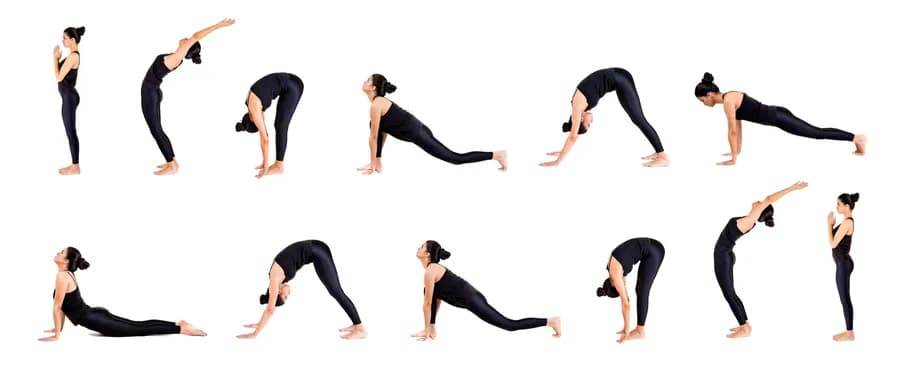
Full Body Workout at Home Without Equipment: 30-Minute Daily Plan
This 30-minute daily plan covers all major muscle groups using bodyweight only, producing a complete training stimulus in the time most people spend commuting to a gym. See the full plan.
Daily Workout Routine at Home: Build Strength, Consistency & Fitness
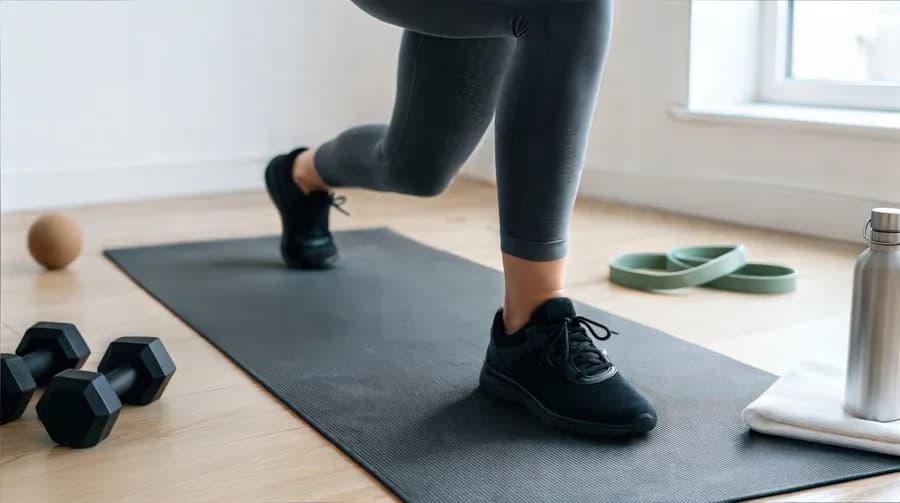
Squats, push-ups, planks, and more, done five days a week, build lean muscle and support fat loss in as little as four to six weeks — no gym or heavy equipment. See the full routine.
Best Workout for Weight Loss at Home
Bodyweight strength exercises paired with cardio bursts, done consistently 4-5 days a week, need no gym, equipment, or commute. See the full workout.

Bodyweight Exercises at Home: Benefits, Moves & Beginner Guide
Discover the best bodyweight exercises at home to build strength, burn fat & improve fitness. No equipment needed. Start your free trial today.
No Equipment Strength Workout: Build Real Strength at Home
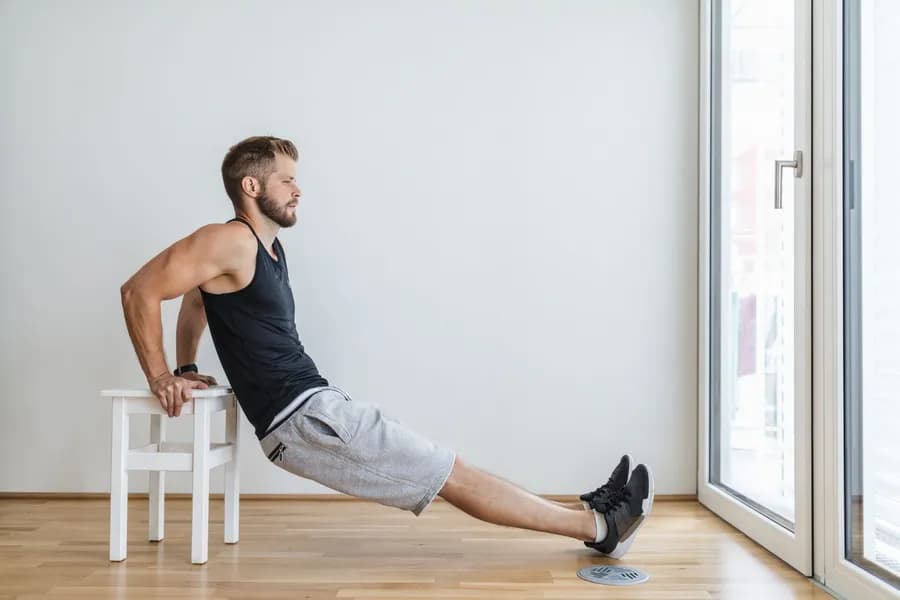
Discover the best no equipment strength workout routines to build muscle and improve fitness at home. Start your 14-day free trial trial with Habuild today.