
Bulgarian Split Squat Benefits: Build Stronger Legs and Better Balance
The Bulgarian split squat is a single-leg exercise that builds quad and glute strength, corrects imbalances between legs, and improves balance — without heavy barbell loads. See why it's one of the most effective unilateral leg moves.
Key Takeaways
- A single-leg movement that targets quads, glutes, and stabilisers bilateral squats can’t match.
- Exposes and gradually reduces the strength imbalance between a dominant and weaker leg.
- Achieves real leg strength with far lighter weight, meaning less compressive spinal load.
- The trailing leg gets a deep hip flexor stretch with every single rep.
- Adding a resistance band above the knees increases lateral hip activation without extra weight.
The Bulgarian split squat is a single-leg lower-body exercise that builds quad and glute strength, corrects muscle imbalances between legs, and improves balance and hip mobility — all without requiring heavy barbell loads or gym equipment. It is one of the most effective unilateral leg movements for home-based strength training.
If you have been searching for one exercise that builds serious leg strength, improves balance, and challenges your core all at once, the Bulgarian split squat delivers on every count. Bulgarian split squat benefits go well beyond aesthetics — this single-leg movement targets your quads, glutes, hamstrings, and stabiliser muscles in a way that bilateral squats simply cannot replicate. Whether you train at home or in a gym, it fits into almost any routine with zero compromise on effectiveness.
10 Benefits of the Bulgarian Split Squat
- Builds Quad-Dominant Leg Strength Because your rear foot is elevated, the front leg does the majority of the work. This places intense, targeted load on the quadriceps — making it one of the most effective movements for building thick, strong quads without heavy barbell loads.
- Activates the Glutes Deeply A longer front-foot stance shifts emphasis toward the glutes and hip flexors. Practiced consistently, this leads to noticeable glute development and improved hip extension strength — essential for running, jumping, and daily movement. For more targeted glute work, explore strength training for glutes to complement your split squat practice.
- Improves Single-Leg Balance and Stability Training one leg at a time forces your ankles, knees, and hips to stabilise independently. Over weeks of practice, this directly improves your balance, coordination, and proprioception — skills that carry over into sports and everyday life.
- Corrects Muscle Imbalances Between Legs Most people have a dominant leg. Bilateral squats can mask this — the stronger leg compensates silently. The Bulgarian split squat exposes and gradually reduces those imbalances by training each leg under equal demand.
- Reduces Spinal Load Compared to Back Squats You can achieve meaningful leg hypertrophy and strength using far lighter weights than a barbell back squat requires. This means significantly less compressive force on the spine — making it a smarter option for people managing lower back sensitivity.
- Strengthens Hip Flexors and Improves Mobility The trailing leg gets a deep hip flexor stretch with every rep. Done regularly, this opens tight hips — a common problem for desk workers and people who sit for long hours. Greater hip mobility also supports better posture throughout the day.
- Works Well with a Resistance Band A Bulgarian split squat with a resistance band placed just above the knees adds lateral hip activation without needing any added weight. This variation is particularly useful at home and makes the exercise accessible for all fitness levels while still providing meaningful challenge.
- Supports Fat Loss Through High Muscle Recruitment Few lower-body exercises recruit as many large muscle groups simultaneously. The metabolic demand is high — your heart rate rises, calories are burned, and your body continues working hard even after the session ends. To understand how strength work supports fat reduction, read more about strength training for fat loss.
- Builds Core Stability Under Load Maintaining an upright torso through each rep requires constant core engagement. Unlike crunches or planks, the Bulgarian split squat trains your core in a functional, loaded position — building the kind of stability that actually matters in real life.
- Versatile Enough for Every Level Beginners can start with bodyweight only. Intermediate trainees can add dumbbells. Advanced athletes can use a barbell, resistance band, or tempo variations. The Bulgarian split squat scales seamlessly with your progress over months and years of training.
How to Get Started with the Bulgarian Split Squat
What You Need to Begin
You need a sturdy elevated surface — a bench, couch, or a step about knee height. No gym membership is required. A yoga mat for grip and a pair of light dumbbells (optional) are all you need to get started at home.
Setting Realistic Goals
If you have never done single-leg training before, start with just your bodyweight for the first two weeks. Focus entirely on balance and depth before adding any load. Aim for two sessions per week initially, allowing at least one rest day between sessions to let your legs recover properly.
Avoid the temptation to progress too quickly. Consistency over 6–8 weeks will produce far better results than three intense sessions followed by a week off. For a structured approach to building lower-body strength progressively, strength training for lower body is an excellent resource to guide your programming.
Start with the Basics
Stand about two feet in front of your bench. Place your rear foot on the surface with the top of your foot resting flat. Keeping your torso upright, lower your front knee toward the floor until your front thigh is roughly parallel to the ground. Drive back up through your front heel. Start with 3 sets of 8 reps per leg and build from there.
Best Exercises to Pair with the Bulgarian Split Squat
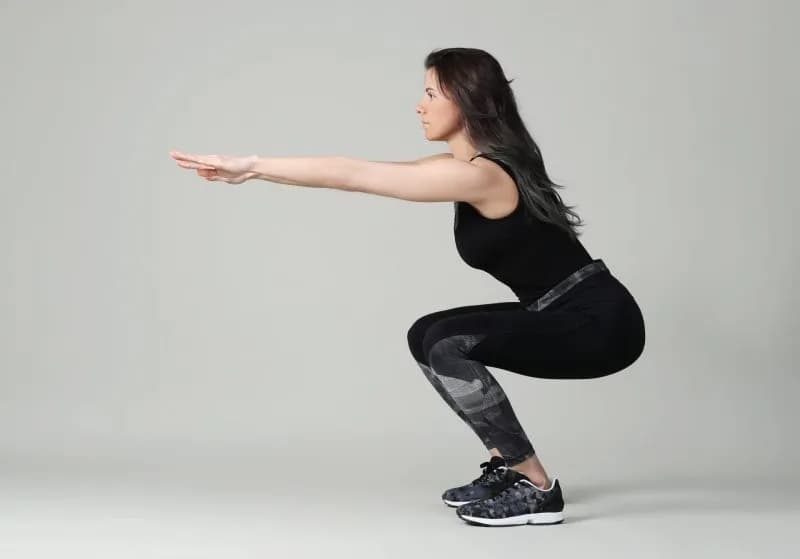
Squats
A standard squat builds bilateral leg strength and primes the same muscles you use in the split squat. Doing both in the same session creates full lower-body coverage. Aim for 3 sets of 10–12 reps as a warm-up before moving to the split squat.
Romanian Deadlift
This targets the hamstrings and glutes through a hip-hinge pattern — the perfect complement to the quad-dominant Bulgarian split squat. Together, they address the full posterior and anterior chain of the lower body.
Glute Bridge
A low-impact movement that activates the glutes and hamstrings without placing any load on the knees. It works well as a finisher after your split squats, particularly if you are newer to training or managing knee sensitivity.
Walking Lunges
Walking lunges build unilateral leg strength and improve stride mechanics. They share movement patterns with the Bulgarian split squat and reinforce balance and coordination across both legs. Walking lunges are a strong pairing for anyone building a home leg day programme.
Hip Thrust
Using a bench (the same one you use for the split squat), hip thrusts directly load the glutes at peak contraction. 3 sets of 12–15 reps alongside your split squat routine creates a comprehensive glute-building session.
Calf Raises
The calf muscles are underworked in the Bulgarian split squat, so pairing calf raises ensures full lower-leg development. Stand on a step, lower your heels slowly, then rise onto your toes. 3 sets of 15–20 reps is plenty.
Plank
Since the split squat already challenges your core, a plank at the end of your session reinforces core endurance in a neutral position. Hold for 30–45 seconds across 3 sets to close out your lower-body day effectively.
Common Mistakes to Avoid
- Poor Form The most common error is letting the front knee cave inward during the descent. This places undue stress on the knee joint and reduces glute activation. Focus on pushing your front knee outward, in line with your second toe, throughout every rep.
- Skipping the Warm-Up Jumping into loaded split squats with cold muscles and stiff hips is an easy way to develop knee or hip discomfort. Spend 5–8 minutes warming up with leg swings, hip circles, and bodyweight squats before you begin. Your joints will thank you within the first week.
- Overtraining Because the Bulgarian split squat is demanding, training it every day stalls progress rather than accelerating it. Muscles grow during recovery — not during the workout itself. Two to three leg sessions per week with adequate rest between them is the sweet spot for most people.
- Inconsistency Doing ten sessions in two weeks and then stopping for three weeks produces almost no lasting adaptation. The real benefit of the Bulgarian split squat — and any strength training — comes from showing up consistently over months. A structured programme with daily accountability makes this far more achievable than going it alone.
Who Should Try the Bulgarian Split Squat?
- Beginners The bodyweight version requires no equipment and teaches excellent movement mechanics. If you can stand on one leg without wobbling, you are ready to start. Begin slowly, prioritise depth and control, and add load only when your balance feels solid.
- Women There is a persistent myth that strength training will create a bulky appearance. In reality, the Bulgarian split squat helps women build lean, defined legs and glutes — not bulk. Women typically have lower testosterone levels, which means strength training shapes and firms muscle without creating excessive mass. Strength training for women offers a fuller look at why this movement pattern is particularly well-suited for female trainees.
- Older Adults Single-leg exercises are among the best tools for maintaining balance and reducing fall risk as we age. The Bulgarian split squat, when done with light loads and careful attention to form, supports bone density, joint health, and functional mobility. If you have existing knee or hip conditions, consult your doctor before starting any new exercise programme.
- Working Professionals Long hours of sitting shorten hip flexors and weaken the glutes — two things the Bulgarian split squat directly addresses. It requires no gym visit, fits into a 20-minute home session, and delivers postural and strength benefits that counteract the effects of a desk-based lifestyle.
Build Strength with a Routine That Actually Works
Building strength is not about doing random workouts — it is about consistency, guidance, and following a structured plan. With the right support, you can train effectively from home and see real progress over time. The Bulgarian split squat is one movement; a well-designed programme is what turns individual exercises into lasting results.
What You Get with Habuild’s Strong Everyday Program:
- Daily live guided strength sessions with expert instruction
- Beginner to advanced progression built into the programme
- No-equipment and home-friendly workouts
- Coaching on correct form to support safe, effective training
- A consistent community that keeps you accountable every day
Start Your Strength Training Journey
Related reads: How to Do Bulgarian Split Squat — Form, Tips & Benefits · Types of Lunges Exercise — 7 Variations to Build Stronger Legs, Glutes, and Single-Leg Strength
Correcting muscle imbalances between legs takes repeated, progressive single-leg training — not one good split squat session, however well executed. Balance and unilateral leg strength both need that kind of sustained, guided practice to actually shift. Habuild’s Strong Everyday program folds movements like the Bulgarian split squat into a structured routine built to keep both legs progressing evenly.
Frequently Asked Questions
Related Articles
10 Goblet Squat Benefits That Make It One of the Best Strength Moves
The goblet squat is a front-loaded squat, held at chest height, that improves mechanics, deepens quad and glute activation, and builds core strength — no barbell needed. See all 10 benefits.
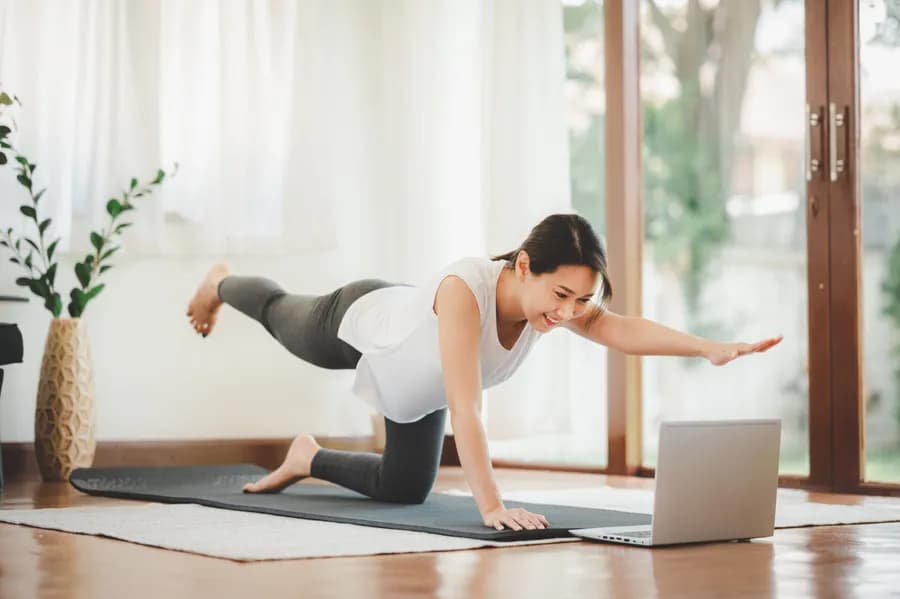
Quad Workout at Home: Best Exercises, Benefits & Beginner Guide
A quad workout at home uses squats, lunges, wall sits, and split squats to target the four muscles along the front of your thigh — no gym needed. See the best exercises and how often to train.
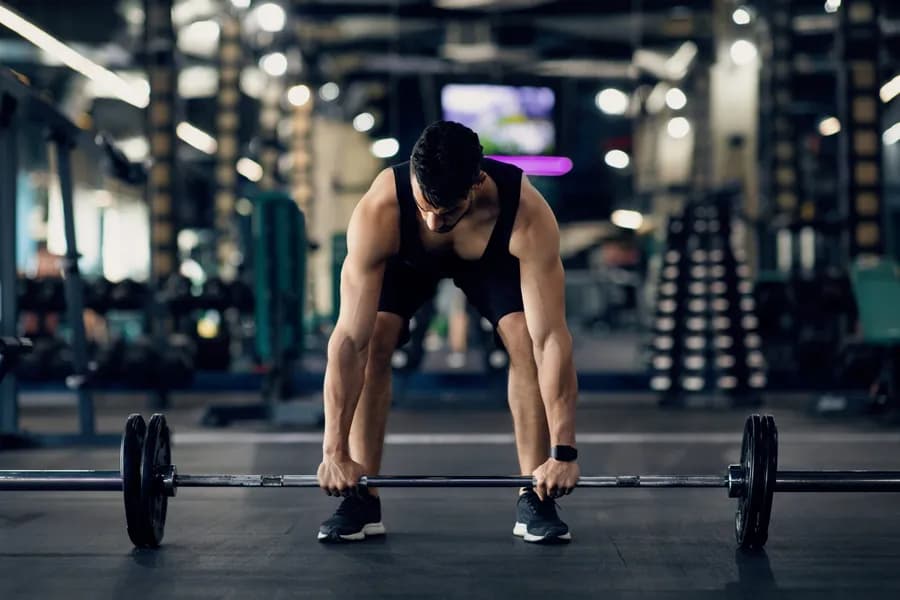
What Muscles Do Deadlifts Work?
A deadlift recruits the hamstrings, glutes, spinal erectors, lats, traps, core, and forearms in a single pull — one of the most complete compound movements in strength training. See the full muscular breakdown.
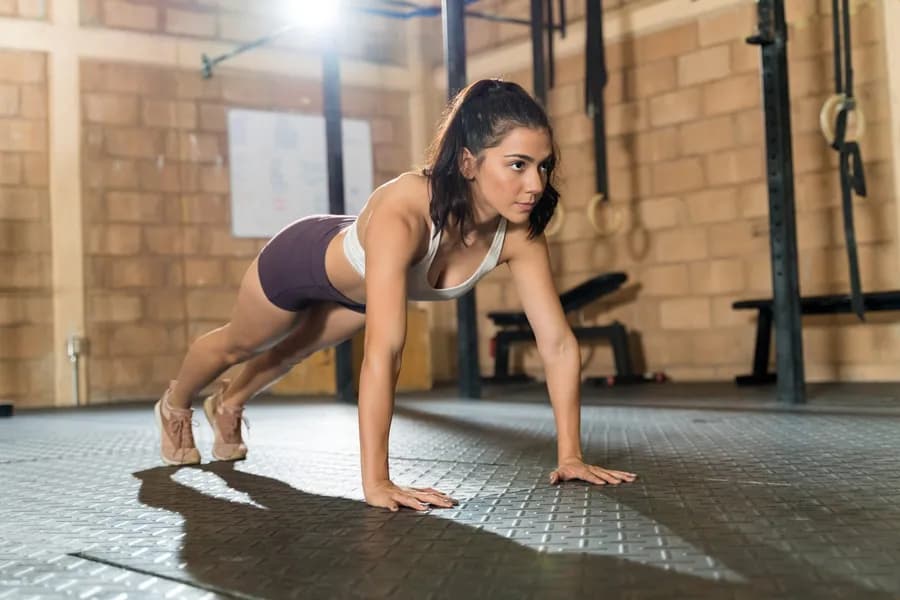
Beginner Bodyweight Exercises: Build Strength at Home Without Equipment
Bodyweight exercises are the most accessible way to start building real strength — no gym membership, no equipment, no experience required. See 8 key benefits and how to begin.
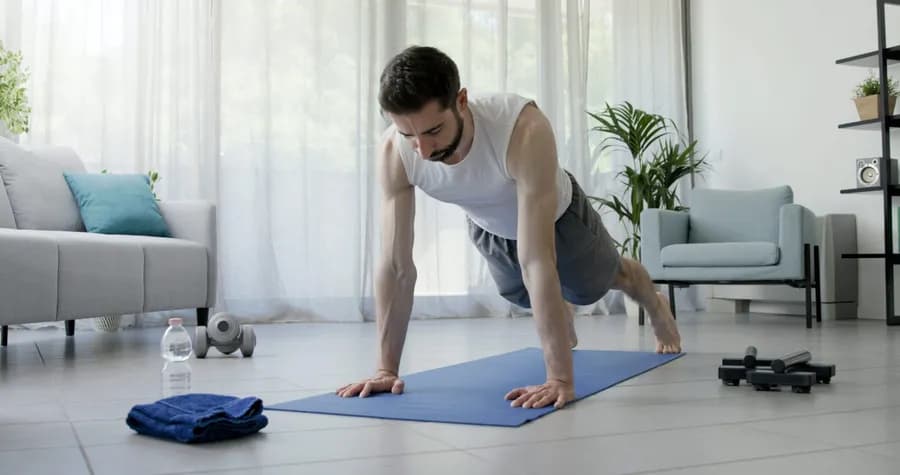
Strength Training Exercises for Men: Benefits, Best Moves & How to Get Started
Progressive resistance training — bodyweight, dumbbells, or bands — builds lean muscle, stronger joints, and better energy from the first week of consistent practice. See the best moves to start with.
What Is Strength Training? Benefits, Exercises & How to Get Started
Strength training uses resistance — bodyweight, dumbbells, or bands — to challenge muscles and stimulate growth, building lean muscle and raising metabolism for all ages and experience levels. See the benefits and how to start.