
How to Do Bulgarian Split Squat — Form, Tips & Benefits
Learn how to do bulgarian split squat with correct form, common mistakes to avoid, and beginner-friendly variations. Start your free 7-day trial at 14-day free trial.
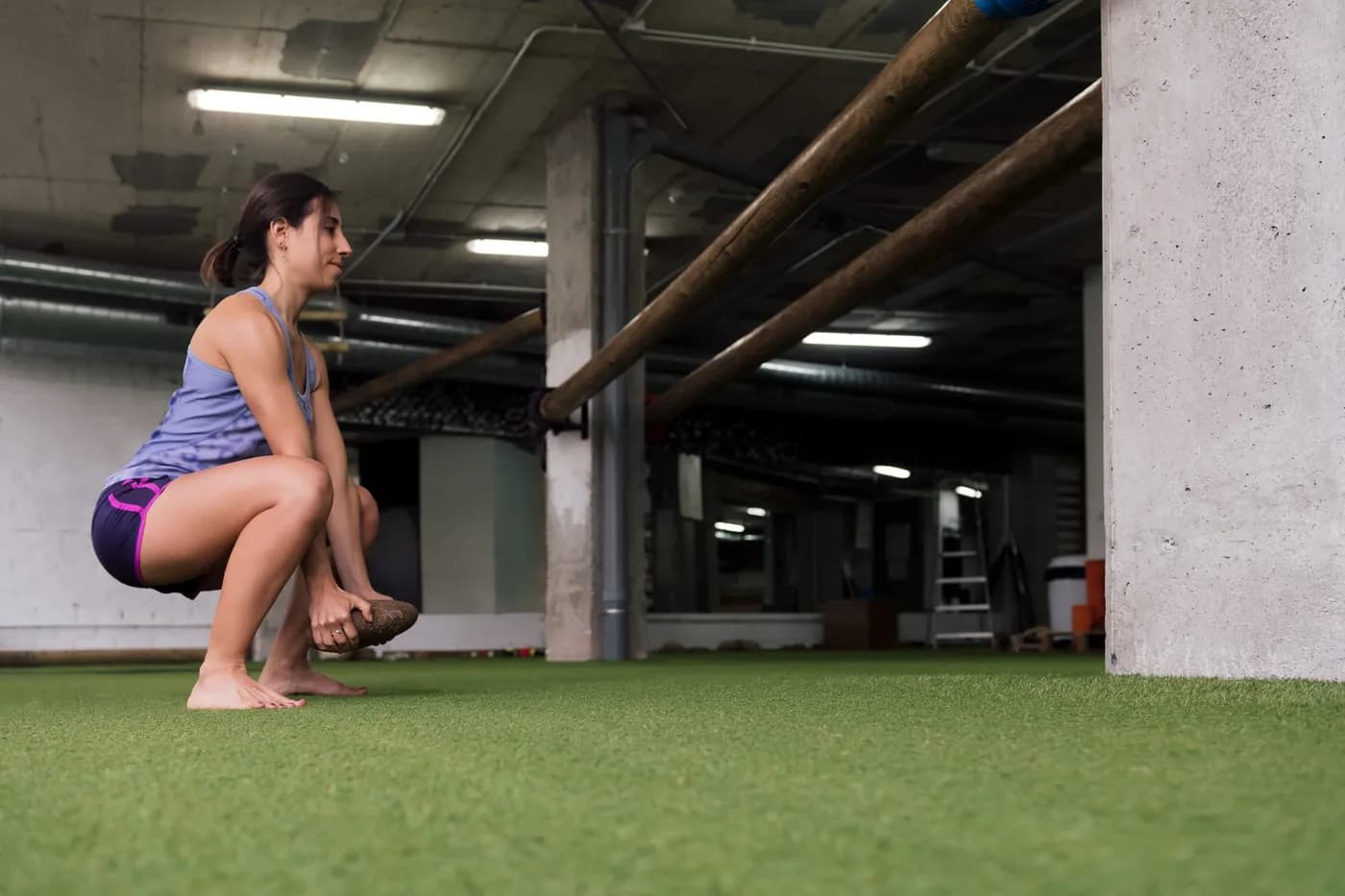
Key Takeaways
- The rear foot rests on an elevated surface while the front leg performs a controlled squat.
- Because each leg works independently, it exposes and corrects left-right muscle imbalances.
- The elevated rear foot increases range of motion compared to a regular lunge.
- The stretched rear hip flexor position gradually eases tightness common among desk workers.
- Balancing on one leg trains stabiliser muscles and improves proprioception for everyday movement.
- Start with 2 sets of 8 reps per leg using only bodyweight before adding load.
The Bulgarian split squat is a single-leg exercise where the rear foot rests on an elevated surface while the front leg performs a controlled squat. It builds quad, glute, and hamstring strength, improves balance, and requires no gym equipment — making it one of the most effective home leg exercises for beginners and experienced trainees alike.
Learning how to do Bulgarian split squat correctly can transform your lower-body training. This single-leg movement challenges your quads, glutes, and hamstrings more deeply than a standard squat — without heavy barbells or a gym membership. Whether you’re training at home or adding variety to a structured programme, this guide walks you through everything you need to get started safely and effectively.
6 Benefits of the Bulgarian Split Squat
- Builds Unilateral Leg Strength Because each leg works independently, the Bulgarian split squat exposes and gradually corrects muscle imbalances between your left and right side. Consistent practice develops more balanced, functional lower-body strength over time.
- Deeply Activates the Glutes and Quads The elevated rear foot increases range of motion compared to a regular lunge. This extended stretch places greater demand on the quads and glutes at the bottom of each rep, supporting more efficient muscle engagement per session.
- Improves Hip Flexibility and Mobility The stretched position of the rear hip flexor during each rep may gradually ease tightness in that area — especially helpful for desk workers who sit for long hours. If you’re also interested in complementary hip work, explore yoga practices that support flexibility alongside your strength routine.
- Supports Fat Loss Goals Single-leg compound movements recruit a large volume of muscle tissue, which means your body uses more energy during and after the session. This makes the Bulgarian split squat a practical addition to any fat loss focused strength training plan.
- Enhances Balance and Coordination Balancing on one leg while performing the movement trains your stabiliser muscles and improves proprioception — the body’s ability to sense its own position. This transfers directly to everyday activities like climbing stairs or walking on uneven ground.
- Requires Minimal Equipment A chair, bench, or sturdy sofa is all you need. You can progress from bodyweight to dumbbell variations without any gym setup, making this one of the most accessible leg exercises you can do consistently at home.
How to Get Started with the Bulgarian Split Squat
What You Need to Begin
All you need is a surface roughly knee-height — a dining chair, a couch armrest, or a low coffee table. A non-slip mat under your front foot adds stability. If you want to add load later, a pair of light dumbbells or filled water bottles works perfectly for home training.
Setting Realistic Goals
Start with 2 sets of 8 reps per leg using only your bodyweight. Focus entirely on form before thinking about adding resistance. Aim for three sessions per week with at least one rest day between leg days. Progress to 3 sets of 12 reps before introducing dumbbells — consistency matters far more than speed of progression. You can also find a broader framework in this guide on strength training for beginners.
Start with the Basics
Stand about two feet in front of your bench. Place the top of your rear foot flat on the surface. Your front foot should be far enough forward so that when you lower down, your front knee tracks over your toes — not past them. Keep your torso upright and lower slowly. That’s the foundation.
How to Do the Bulgarian Split Squat — Step-by-Step Breakdown
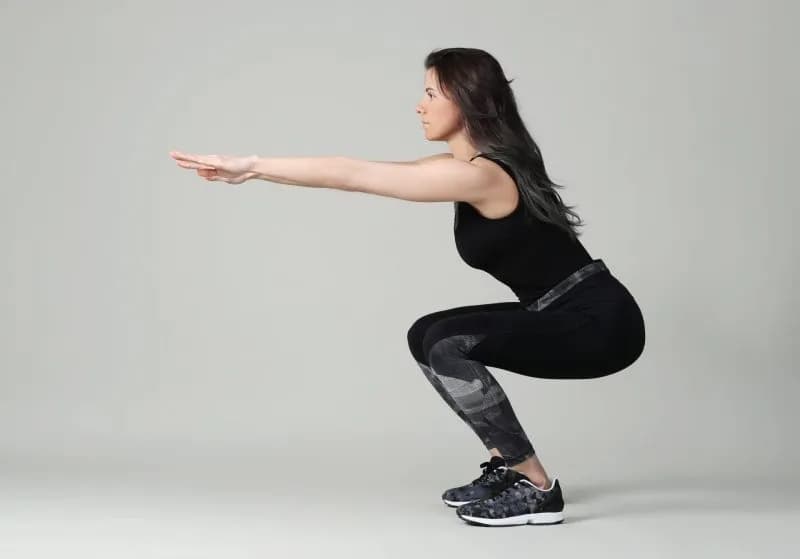
Bodyweight Bulgarian Split Squat
Stand roughly 2–2.5 feet in front of a bench or chair. Rest the top of your rear foot on the surface with the laces facing down. Place your hands on your hips or extend them forward for balance. Lower your hips straight down, keeping your front shin as vertical as possible. Pause when your front thigh is roughly parallel to the floor, then drive through your front heel to stand back up. That is one rep. Aim for 3 sets of 10 reps per leg.
Bulgarian Split Squat at Home Without Equipment
Use a dining chair pushed against a wall so it doesn’t slide. Perform the movement exactly as described above. If balance is a challenge early on, lightly rest your fingertips on a wall beside you — but aim to remove that support within two to three sessions as your stability improves.
Bulgarian Split Squat with Dumbbells
Once the bodyweight version feels controlled for 3 sets of 12 reps, add a dumbbell in each hand. Hold them at your sides with a neutral grip. Avoid leaning forward as you lower — keep your chest tall throughout. Start with 2–4 kg per hand and increase only when your form remains solid throughout every rep of every set.
Front-Foot Elevated Variation
Placing the front foot on a small step (about 5 cm) further deepens the quad stretch at the bottom. This variation is more advanced and is best introduced after you have mastered the standard version with dumbbells.
Pause Bulgarian Split Squat
At the bottom of the movement, hold for two seconds before driving back up. This eliminates momentum and forces the working muscles to generate force from a dead stop — increasing the training stimulus without adding any extra weight.
Common Mistakes to Avoid
- Poor Front Foot Position If your front foot is too close to the bench, your knee will shoot far forward over your toes, placing excessive stress on the knee joint. Step further forward until your shin stays close to vertical at the bottom of each rep. Take a moment to adjust before your first working set — it makes a significant difference.
- Skipping the Warm-Up Cold hip flexors and quads are more prone to strain during the stretched rear-leg position. Spend five minutes beforehand on leg swings, hip circles, and a few bodyweight squats to prepare the joints and soft tissues for the range of motion required.
- Rushing the Descent Dropping quickly into the bottom position uses momentum rather than muscle. Lower at a controlled pace — aim for roughly two seconds down. This not only improves muscle engagement but also reduces the impact on your knee and ankle.
- Inconsistency Between Sessions Many people try the Bulgarian split squat once, find it challenging, and abandon it. The exercise has a short learning curve — balance and coordination improve noticeably within the first two weeks of consistent practice. Showing up regularly matters far more than performing perfectly from day one.
Who Should Try the Bulgarian Split Squat?
- Beginners The bodyweight version is a genuinely accessible starting point. You don’t need to lift heavy or have any prior training experience. Begin with a support surface nearby, nail the form over two weeks, and you’ll have a solid single-leg exercise that scales with you for months.
- Women The Bulgarian split squat is one of the most effective exercises for building strong, functional glutes and quads. It relies on controlled bodyweight and moderate loads to develop lean muscle. Explore more about strength training approaches designed for women if you want a broader programme context.
- Older Adults Single-leg training helps maintain the leg strength and balance that protect against falls — a key concern as we age. Start with a stable, higher surface and focus on a small range of motion before going deeper. Always check with your doctor or physiotherapist before beginning if you have existing knee or hip conditions.
- Working Professionals If your day involves long hours at a desk, hip flexors tend to become shortened and glutes underactive. The Bulgarian split squat directly counteracts both patterns in a single movement. It takes under 15 minutes to complete a meaningful session, making it one of the most time-efficient leg exercises for a busy schedule.
Build Strength with a Routine That Actually Works
Building lower-body strength isn’t about doing random exercises when motivation strikes — it’s about following a structured plan with the right guidance and showing up consistently. The Bulgarian split squat is most effective when it sits inside a programme that progresses you methodically over weeks and months.
With Habuild’s Strong Everyday programme, you get daily live-guided strength sessions that take you from beginner foundations to real, visible progress — all from home, with no fancy equipment required.
- Daily live guided strength and yoga sessions
- Beginner to advanced progression built in
- No equipment and home-friendly workouts
- Expert guidance on form to keep you safe
- Community support to help you stay consistent
You can also see what a full structured approach looks like by browsing what strength training exercises actually involve before you commit.
Start Your Strength Training Journey
Related reads: How to Do Squats Properly: Form, Benefits & Tips · How to Do Calf Raises: Benefits, Form & Exercises
Getting the Bulgarian split squat right is a technical win, but unilateral leg strength really develops when this move is layered into a broader routine that keeps testing balance and load over time. Practicing it in isolation, now and then, only gets you so far. Habuild’s Strong Everyday program places exercises like this within a structured sequence built for continued progress.
Frequently Asked Questions
Related Articles
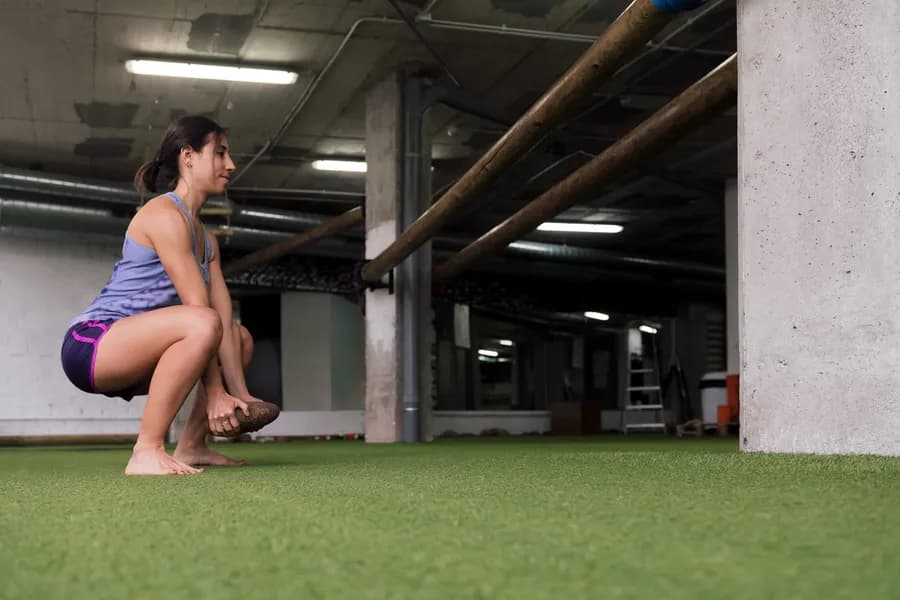
How to Do Squats Properly: Form, Benefits & Tips
Learn how to do squats properly with step-by-step guidance, common mistakes to avoid, and beginner tips. Start your strength journey with a 14-day free trial.
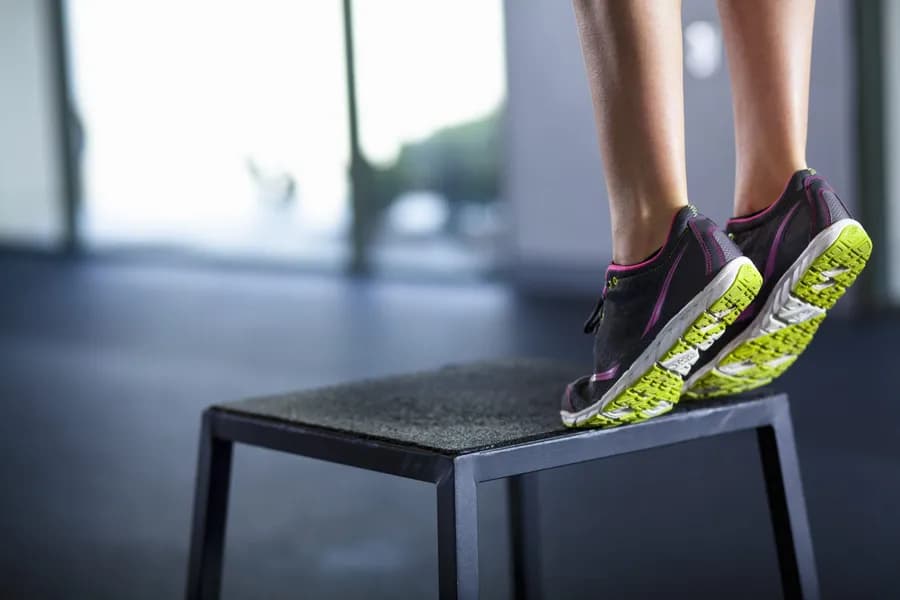
How to Do Calf Raises: Benefits, Form & Exercises
Learn how to do calf raises correctly at home — proper form, common mistakes, and beginner tips. Start your free 7-day trial with Habuild with a 14-day free trial.
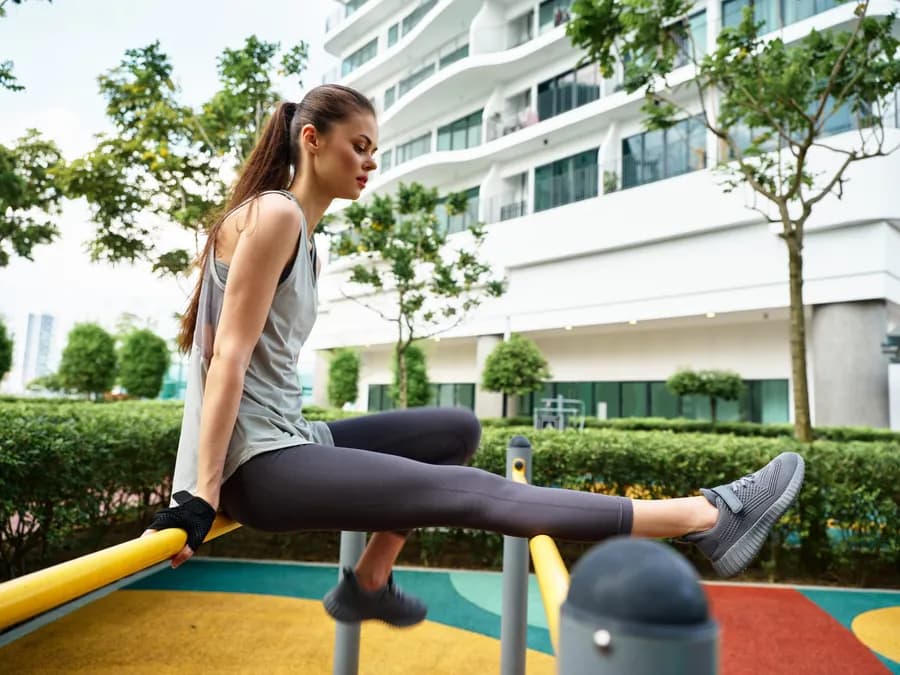
How to Strengthen Thigh Muscles: Best Exercises & Tips
Learn how to strengthen thigh muscles at home with expert exercises, beginner tips, and a structured plan. Start your free 7-day trial with Habuild today.
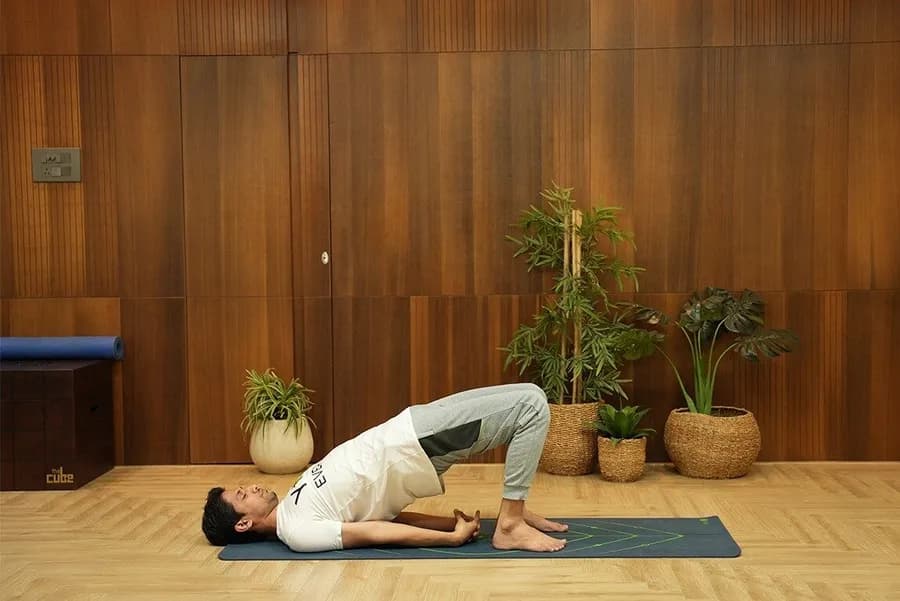
How to Do Glute Bridge: Proper Form, Benefits & Variations
Learn how to do glute bridge with proper form, common mistakes, and beginner variations. Start your strength journey with Habuild with a 14-day free trial.
How to Strengthen Ankles: Exercises & Tips
Learn how to strengthen ankles with proven exercises, beginner tips, and a structured routine. Start your free 7-day trial with Habuild today.