
10 Goblet Squat Benefits That Make It One of the Best Strength Moves
The goblet squat is a front-loaded squat, held at chest height, that improves mechanics, deepens quad and glute activation, and builds core strength — no barbell needed. See all 10 benefits.
Key Takeaways
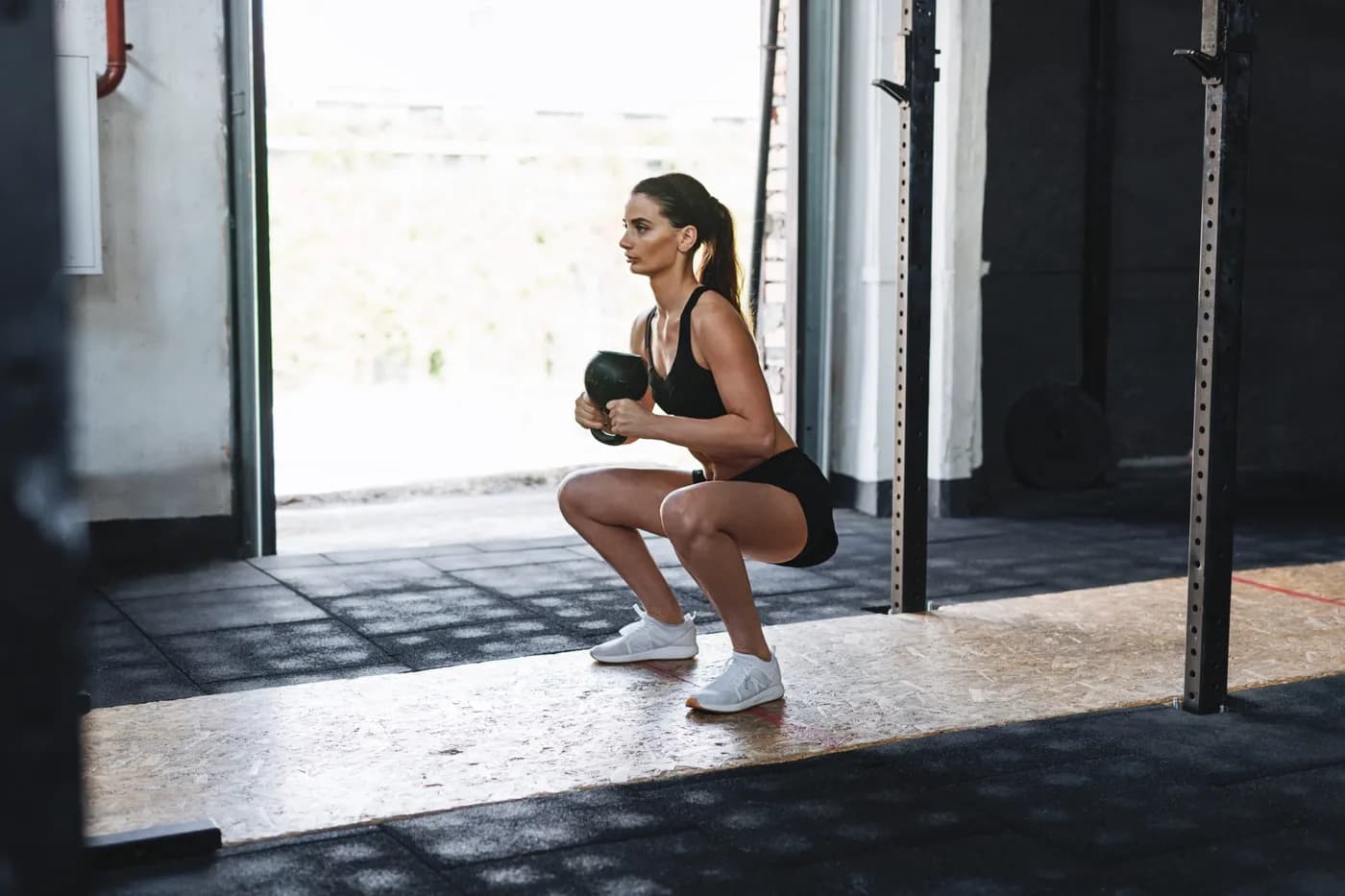
- Holding the weight at chest height self-corrects squat form by counterbalancing the body.
- Keeps the load over both quads and glutes simultaneously, unlike some other squat variations.
- The front-loaded position forces the core to work harder to stay upright.
- Descending fully gently stretches the hip flexors and groin with every rep.
- Elevating the heels shifts more load onto the quads and allows a deeper knee bend.
The goblet squat is a front-loaded lower-body exercise where you hold a weight at chest height while squatting. Its key benefits include improved squat mechanics, deeper quad and glute activation, stronger core engagement, better hip mobility, and enhanced posture — all in a single, beginner-friendly movement that requires no barbell or gym.
The goblet squat is one of the most underrated exercises in strength training — and once you understand its goblet squat benefits, you’ll see why coaches keep returning to it. Whether you’re a beginner learning squat mechanics or an experienced lifter refining your lower-body work, this guide covers everything you need to start using it effectively.
10 Benefits of the Goblet Squat
- Improves Squat Mechanics Instantly Holding a weight at your chest naturally counterbalances your body, making it much easier to sit deep into the squat without falling backward. This is why the goblet squat is often the first squat variation taught to beginners — it self-corrects form in real time.
- Builds Quad and Glute Strength Together The upright torso position keeps the load over your quads and glutes simultaneously. Over time, consistent practice gradually develops lower-body strength in a balanced, functional way. Pair it with a structured Strength Training For Legs plan to amplify results.
- Activates the Core Deeply Because you hold the weight in front of your body, your core has to work harder to keep you upright. Every rep quietly trains your abdominals and lower back — without a single crunch.
- Opens Up Hip Mobility Descending into a full goblet squat gently stretches the hip flexors and groin with every rep. Regular practice may gradually ease hip tightness and improve your range of motion over time, especially if you sit for long hours at a desk.
- Heel Elevated Goblet Squat Benefits Ankle Mobility Elevating your heels during a goblet squat shifts more load onto the quads and allows a deeper knee bend without ankle restriction. This variation is especially useful if limited ankle dorsiflexion prevents you from squatting low — it builds range of motion progressively while still strengthening the legs effectively.
- Supports Fat Loss Through Muscle Engagement The goblet squat recruits large muscle groups — quads, glutes, hamstrings, and core — in a single compound movement. More muscle engagement means more energy expenditure. Over a consistent training period, this supports gradual body recomposition.
- Improves Posture and Spinal Alignment The front-loaded position trains your upper back to stay proud and your chest to remain lifted. Over time, this has a carry-over effect on how you sit and stand throughout your day.
- Goblet Carry Benefits Full-Body Coordination The goblet carry — walking while holding a weight in the goblet position — challenges grip strength, shoulder stability, and core bracing simultaneously, making it a powerful conditioning tool when added between squat sets.
- Accessible to Almost Every Fitness Level You can perform a goblet squat with a dumbbell, kettlebell, a water jug, or even a heavy book. The movement scales easily — lighter loads for beginners, heavier loads as you progress — making it one of the most inclusive strength exercises available.
- Builds the Daily Habit of Lower-Body Training Because it requires minimal setup and no barbell, the goblet squat lowers the barrier to consistent lower-body training. Showing up regularly — even for a short session — is what drives long-term strength gains. Consistency is what separates those who see results from those who don’t.
How to Get Started with Goblet Squats
What You Need to Begin
You don’t need a gym. A single dumbbell or kettlebell is enough — or any household object with a comfortable grip and some weight. Aim for something between 4–8 kg to start. A firm, flat surface is all the space you need.
Setting Realistic Goals
Beginners should aim for 3 sets of 8–12 reps, two to three times per week. Resist the urge to load up heavy too fast — the goblet squat rewards patience. Focus on depth and an upright torso before adding more weight. If you’re exploring how goblet squats fit into a broader plan, understanding what strength training exercises actually involve is a solid starting point.
Start with the Basics
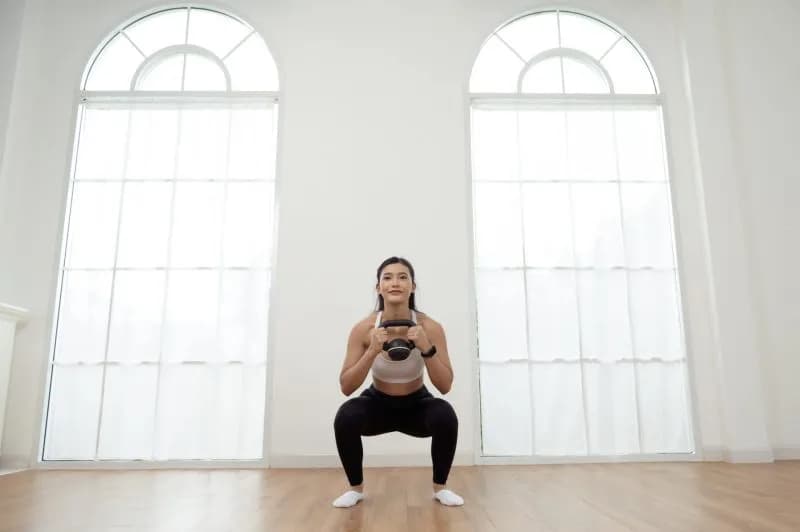
Stand with feet shoulder-width apart, toes turned out slightly. Hold the weight at chest height with both hands cupped around it. Push your knees out as you descend, keeping your elbows inside your knees at the bottom. Drive through your heels to stand. That’s one clean rep.
Best Exercises to Pair with Goblet Squats
Romanian Deadlift
Targets the hamstrings and glutes through a hip hinge pattern. Pairs naturally with the goblet squat to create a balanced lower-body session. Perform 3 sets of 10 reps.
Reverse Lunges
Develops single-leg stability and quad strength. Step one foot back and lower the back knee toward the floor. 3 sets of 8 per leg.
Glute Bridge
Activates the posterior chain after goblet squats. Lie on your back, feet flat, and drive your hips upward. Hold at the top for two seconds. 3 sets of 12 reps.
Goblet Carry
Walk 20–30 meters holding the weight in the goblet position. Builds grip, core, and shoulder endurance. Rest 45 seconds and repeat 3 times.
Heel Elevated Goblet Squat
Place a small plate or folded mat under your heels. This shifts the load onto the quads more aggressively and helps those with limited ankle mobility access a deeper squat position. 3 sets of 10 reps.
Plank Hold
Finishes the session by reinforcing the core stability practiced during the squat. Hold for 30–45 seconds. Habuild’s guide on Core Strength Plank is worth exploring for progression tips.
Step-Up
Use a sturdy chair or low bench. Step up with one foot, drive through that heel to bring the other foot up. Develops functional unilateral leg strength that carries over to everyday movement. 3 sets of 8 per leg.
Common Mistakes to Avoid
- Poor Form — Letting the Knees Cave Inward Knee cave (valgus collapse) during the squat is a common fault. Actively push your knees out in line with your toes throughout the entire movement. If you can’t control it, reduce the load.
- Skipping the Warm-Up Cold hips and ankles make it much harder to squat safely. Spend five minutes on hip circles, bodyweight squats, and ankle rolls before picking up any weight. This small step meaningfully reduces strain on your joints.
- Overtraining — Going Too Heavy Too Soon Adding load before your form is solid is one of the most common ways people stall. Master the movement with a lighter weight first. Progressive overload works best when technique is already dialled in.
- Inconsistency Doing goblet squats once a week for a month will not produce the results you’re hoping for. Two to three consistent sessions per week, over eight to twelve weeks, is where real strength adaptations begin to show. Consistency is the variable most people underestimate.
Who Should Try Goblet Squats?
- Beginners The goblet squat is arguably the best first squat variation for anyone new to strength training. The front-loaded weight teaches the correct movement pattern without the complexity of a barbell. Start light, move well, and build from there. Strength Training For Beginners goes into more detail on building a safe, progressive foundation.
- Women There is a persistent myth that squats will make women bulky. The reality is that goblet squats build lean, functional lower-body strength without excessive muscle hypertrophy. They’re particularly effective for improving glute definition and hip mobility — two areas many women specifically want to develop.
- Older Adults The goblet squat mimics the sit-to-stand movement pattern, which means it directly improves functional daily strength. For older adults, consistent practice may gradually support better balance and joint resilience. As always, if you have pre-existing joint conditions, consult your doctor or physiotherapist before starting.
- Working Professionals Long hours of sitting tighten hip flexors and weaken glutes. The goblet squat actively counters both effects in a single movement. A 15-minute home session three times a week is all it takes to start noticing a difference in posture and lower-back comfort.
Build Strength with a Routine That Actually Works
Building strength isn’t about doing random workouts — it’s about consistency, guidance, and following a structured plan. With the right support, you can train effectively from home and see real progress over time. The goblet squat is a great starting point, but sustainable results come from a program that progressively builds on each session.
What You Get with Habuild’s Strong Everyday Program:
- Daily live guided strength sessions — including squat progressions
- Beginner-to-advanced structure so you always know what to do next
- No-equipment and home-friendly workout options
- Expert guidance on form to keep every rep safe and effective
- A community that keeps you accountable and consistent
If you’ve been looking for a program that bridges the gap between knowing what to do and actually doing it, Full Body Strength Training with Habuild is a natural fit.
Related reads: How to Do a Squat: Proper Form, Variations, and a Daily Squat Workout That Works · Bulgarian Split Squat Benefits: Build Stronger Legs and Better Balance
Deeper quad and glute activation, better hip mobility — these goblet squat benefits build over weeks of repeated, progressive practice, not a single well-executed set. Working that progression into a broader lower-body plan is where a guided program helps most. Habuild’s Strong Everyday program structures movements like the goblet squat into a routine that keeps building strength session after session.
Frequently Asked Questions
Related Articles
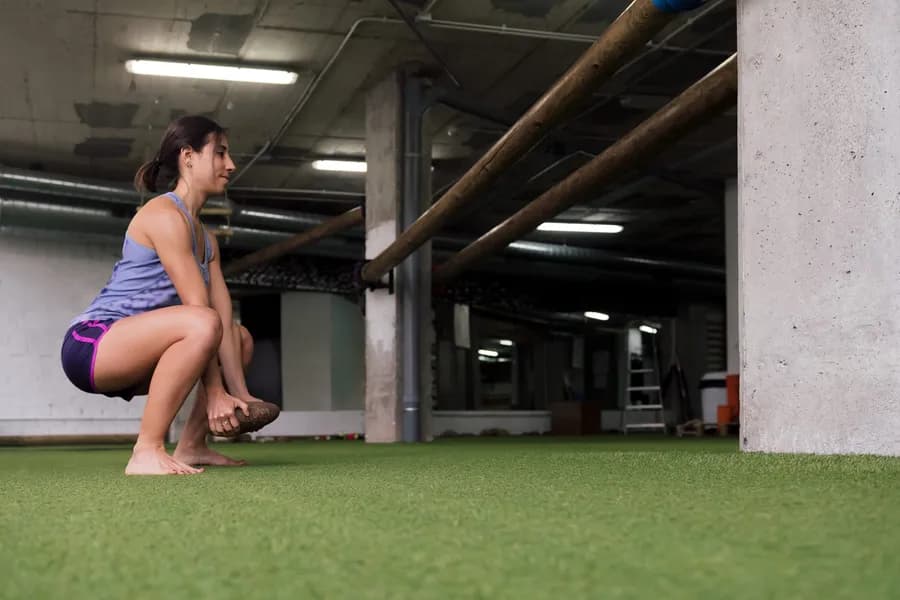
Bulgarian Split Squat Benefits: Build Stronger Legs and Better Balance
The Bulgarian split squat is a single-leg exercise that builds quad and glute strength, corrects imbalances between legs, and improves balance — without heavy barbell loads. See why it's one of the most effective unilateral leg moves.
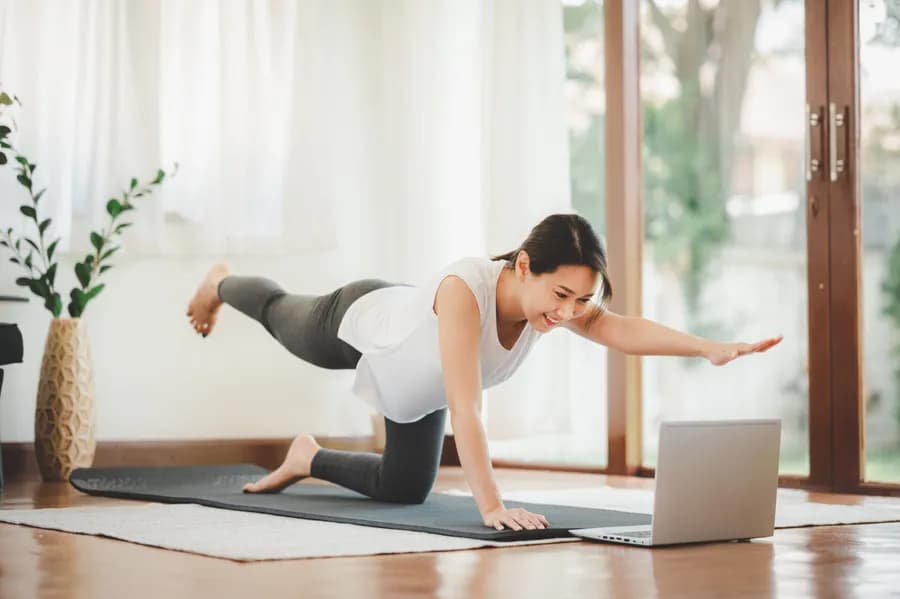
Quad Workout at Home: Best Exercises, Benefits & Beginner Guide
A quad workout at home uses squats, lunges, wall sits, and split squats to target the four muscles along the front of your thigh — no gym needed. See the best exercises and how often to train.
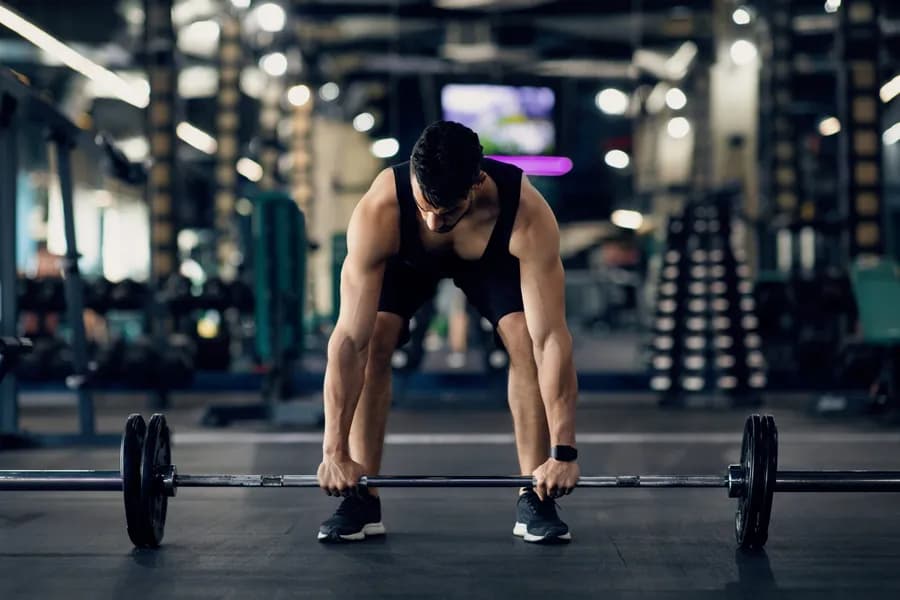
What Muscles Do Deadlifts Work?
A deadlift recruits the hamstrings, glutes, spinal erectors, lats, traps, core, and forearms in a single pull — one of the most complete compound movements in strength training. See the full muscular breakdown.
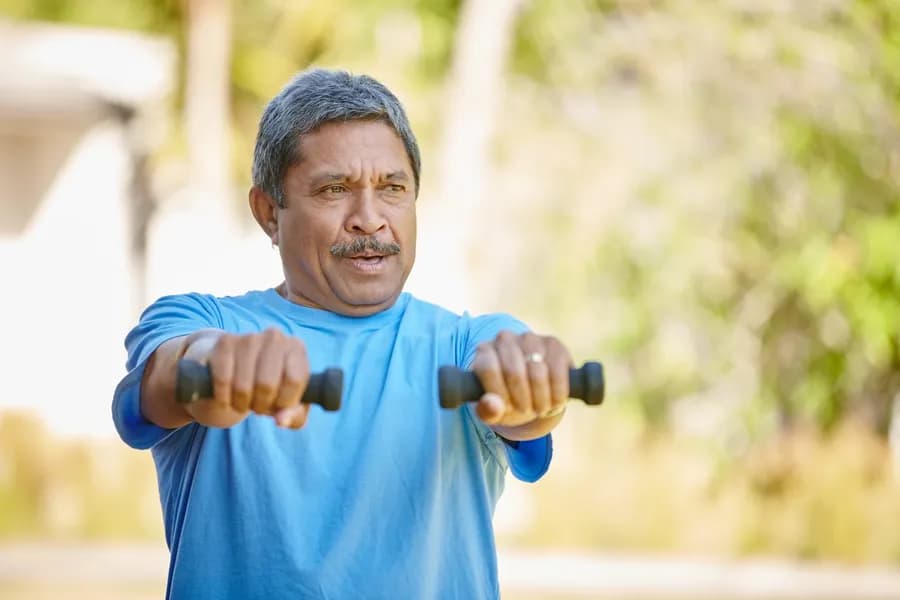
Strength Training for Older Adults: Benefits, Exercises & How to Start
Resistance exercise two to three times a week helps preserve muscle mass, support bone density, and maintain the functional strength needed for everyday independence, at any age from 50 onwards. See the key benefits and best exercises.
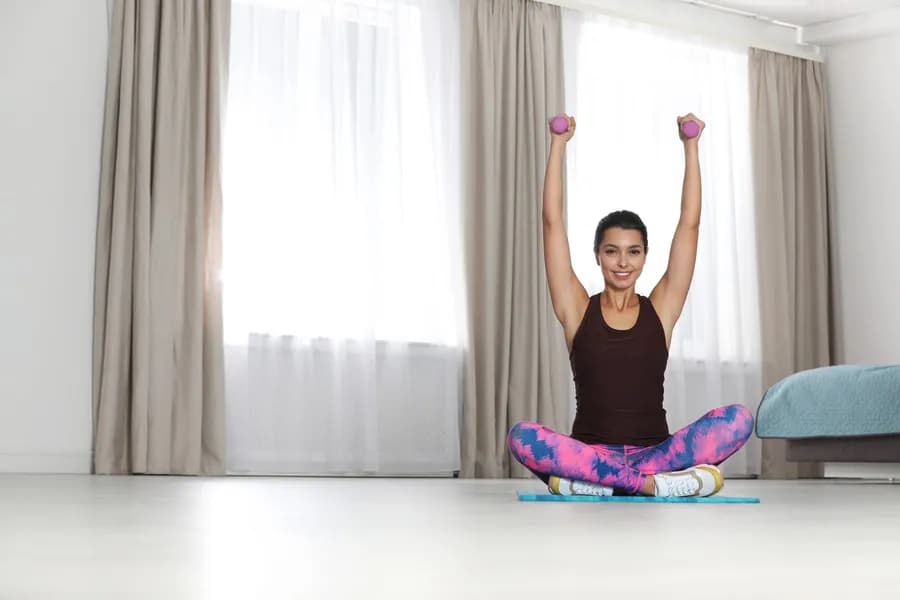
Strength Training for Women at Home: The Complete Guide
With three structured sessions a week, most women notice measurable gains in strength and posture within four to six weeks — using only bodyweight, dumbbells, or bands. See the complete guide.
What Is Strength Training? Benefits, Exercises & How to Get Started
Strength training uses resistance — bodyweight, dumbbells, or bands — to challenge muscles and stimulate growth, building lean muscle and raising metabolism for all ages and experience levels. See the benefits and how to start.