
What Muscles Do Deadlifts Work?
A deadlift recruits the hamstrings, glutes, spinal erectors, lats, traps, core, and forearms in a single pull — one of the most complete compound movements in strength training. See the full muscular breakdown.
Key Takeaways
- Engages hamstrings, glutes, spinal erectors, lats, traps, core, and forearms in one pull.
- The hip-hinge pattern mirrors real-life moves like picking things off the floor.
- Loading the spine and hips under control is one of the most effective stimuli for bone density.
- Directly addresses the underdeveloped hamstrings and glutes common in sedentary lifestyles.
- Romanian or dumbbell deadlifts teach the hip hinge safely before conventional barbell work.
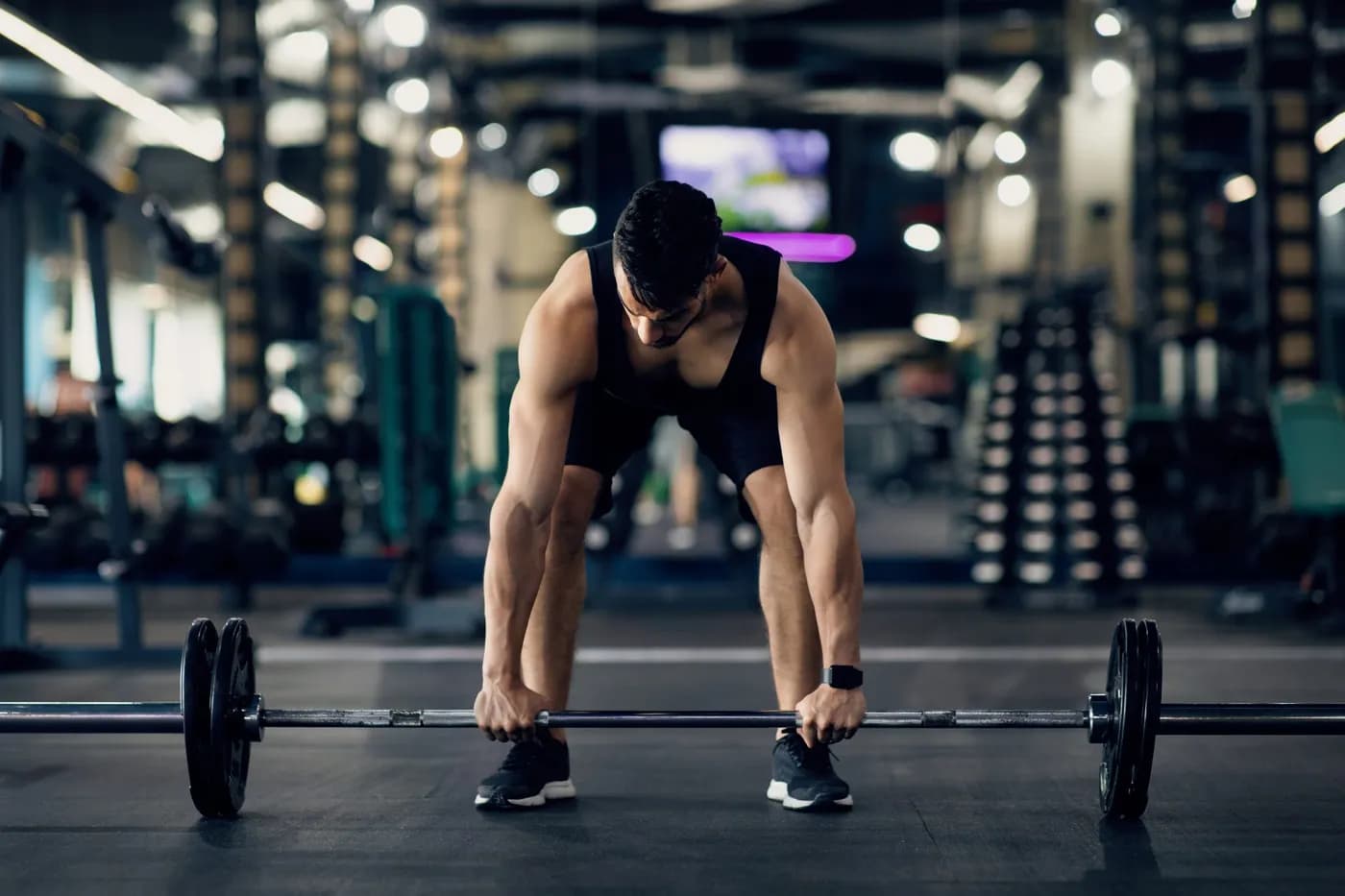
The deadlift works the hamstrings, glutes, spinal erectors, lats, traps, core, and forearms simultaneously — making it one of the most complete compound movements in strength training. In a single pull, it recruits muscles from your feet to your upper back, which is why it forms the foundation of almost every serious strength program.
If you’ve wondered what muscles do deadlifts work, the short answer is: almost everything. Whether you’re a beginner or building a structured routine at home, understanding the muscular demand of deadlifts helps you train smarter, recover better, and reduce injury risk significantly.
7 Key Benefits of Deadlifts
- Builds Total-Body Strength Deadlifts engage the posterior chain, core, and upper body simultaneously. Very few exercises train this many muscle groups in a single movement, making them exceptional for overall strength development.
- Boosts Functional Power The hip-hinge pattern used in deadlifts mirrors real-life movements — picking things off the floor, loading luggage, or getting up from a chair. Consistent practice may gradually improve how easily you handle daily physical tasks.
- Supports Fat Loss Through Metabolic Demand Because deadlifts recruit large muscle groups, they demand more energy per repetition than isolation exercises. This elevated metabolic demand supports strength training for fat loss over time when combined with consistent practice.
- Improves Bone Density Loading the spine and hips under controlled resistance is one of the most effective stimuli for bone remodeling. Regular deadlift training may help support bone density, particularly for women and older adults.
- Strengthens the Posterior Chain Hamstrings, glutes, and spinal erectors are chronically underdeveloped in sedentary lifestyles. Deadlifts directly address this imbalance and may help ease lower-back discomfort gradually through consistent practice.
- Enhances Grip Strength Holding a loaded barbell or dumbbells develops forearm and grip endurance that carries over to nearly every other lift in your program.
- Builds Confidence and Body Awareness Learning to brace properly, hinge at the hip, and control a loaded bar builds neuromuscular coordination — the kind of body awareness that makes every other exercise feel more controlled.
How to Get Started with Deadlifts
What You Need to Begin
You don’t need a fully equipped gym to start. A pair of dumbbells, resistance bands, or even a loaded backpack can simulate the hip-hinge pattern effectively at home. Focus on mastering the movement before adding significant load.
Setting Realistic Goals
Avoid loading the bar heavily in week one. The deadlift rewards patience — early weeks should be about groove and consistency, not maximum weight. Aim for 2–3 sessions per week with at least one rest day between sessions.
Start with the Basics
Begin with Romanian deadlifts (RDLs) or dumbbell deadlifts before moving to conventional barbell work. These variations teach the hip hinge safely and build the hamstring and glute strength you’ll need for heavier pulls. If you’re new to structured movement, strength training for beginners is a great first step.
Best Exercises for Deadlift Accessory Work
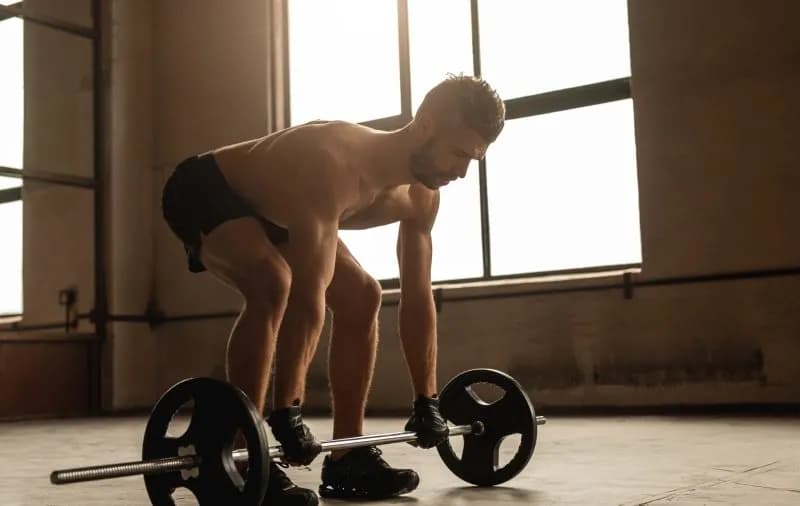
Understanding what muscles do deadlifts work also helps you choose the right assistance work for deadlift progress. These seven exercises target the same muscle groups and address common weak points.
Romanian Deadlift (RDL)
The RDL isolates the hamstrings and glutes through a controlled eccentric phase. Keep a soft knee bend and push your hips back rather than squatting down. Do 3 sets of 10–12 reps.
Glute Bridge
Lying on your back, drive through your heels to lift your hips. This directly targets the glutes and hip extensors — muscles that initiate the lockout phase of a deadlift. 3 sets of 15 reps works well as accessory work for deadlift sessions.
Barbell or Dumbbell Row
A strong upper back is critical for keeping the bar close and maintaining a neutral spine under load. Bent-over rows train the lats, rhomboids, and rear delts — all of which stabilize the deadlift. 3–4 sets of 8–10 reps.
Good Morning
With a barbell or bodyweight across your shoulders, hinge forward from the hips with a flat back. This movement mirrors the bottom position of a deadlift and strengthens the spinal erectors and hamstrings simultaneously. 3 sets of 8 reps.
Deficit Deadlift
Standing on a small platform (2–4 inches) increases range of motion and forces stronger lat engagement from the floor. Use a lighter load and treat this purely as technical assistance work for deadlift improvement. 3 sets of 5 reps.
Plank Variations
Core stability prevents your lower back from rounding under load. Standard planks, side planks, and dead-bug variations train the deep core bracing needed to stay rigid through the entire pull. Hold for 20–40 seconds per set.
Dumbbell Farmer’s Carry
Walking with heavy dumbbells held at your sides builds grip endurance, shoulder stability, and anti-lateral flexion core strength — three qualities that directly support a stronger deadlift. Carry for 20–30 metres per set.
Common Mistakes to Avoid
- Poor Form at the Setup The most common error is treating the deadlift like a squat — bending the knees too much and letting the hips drop too low. The bar should be over your mid-foot, shoulders slightly in front of the bar, and hips higher than your knees before you initiate the pull.
- Skipping the Warm-Up Cold muscles and connective tissue are more susceptible to strain. Always spend 5–10 minutes on hip hinges, leg swings, and light glute bridges before your working sets. A proper warm-up also primes your nervous system for heavier loading.
- Overtraining the Pattern Deadlifts and their accessory variations tax the central nervous system significantly. Programming them every day without adequate recovery leads to stalled progress and elevated injury risk. Two heavy deadlift-focused sessions per week is typically sufficient for most people.
- Inconsistency Sporadic training — going hard for two weeks, then stopping for a month — is the biggest barrier to strength gains. The deadlift rewards frequency and consistency over intensity. Small, steady sessions compound into real progress over 8–12 weeks. Understanding why strength training is important can help reinforce that commitment.
Who Should Try Deadlifts?
- Beginners Deadlifts are highly accessible when taught correctly. Starting with a dumbbell or trap bar removes most technical barriers and allows beginners to build the hip-hinge pattern safely from day one.
- Women There is a persistent myth that deadlifts will make women bulky. In reality, the hormonal profile and loading needed to add significant mass takes years of deliberate training. For most women, deadlifts build a leaner, stronger silhouette while improving posture and everyday energy. Strength training for women addresses this myth in detail.
- Older Adults Deadlifts are among the most effective exercises for preserving bone density and maintaining functional independence as we age. Begin with lighter loads and prioritize form. Always consult your physician before starting a new resistance program if you have existing joint or bone health concerns.
- Working Professionals Long hours at a desk tighten hip flexors and weaken the posterior chain — exactly what deadlifts address. Even two sessions per week can noticeably improve posture, reduce lower-back tension, and raise daily energy levels over time.
Build Strength with a Routine That Actually Works
Building strength isn’t about doing random workouts — it’s about consistency, guidance, and following a structured plan. With the right support, you can train effectively from home and see real progress over time.
What You Get with Habuild’s Strong Everyday Program:
- Daily live guided strength sessions
- Beginner to advanced progression
- No-equipment and home-friendly workouts
- Expert guidance to ensure correct form on every movement
- Community support to help you stay consistent
Start Your Strength Training Journey
Explore Habuild’s Full Body Strength Training program and enrol today.
Related reads: What Muscles Do Pull Ups Work? · What Muscles Do Squats Work?
The deadlift recruits nearly your whole posterior chain in one pull, which is exactly why it needs to sit inside a structured plan rather than get added to a workout on its own. Progressing this movement safely takes sequencing — building the surrounding strength before adding load. Habuild’s Strong Everyday program guides that kind of structured strength training, so a compound lift like this builds you up rather than catching you off guard.
Frequently Asked Questions
Related Articles

What Muscles Do Push Ups Work?
Push ups engage the chest, triceps, front shoulders, core, and upper back stabilisers at once — a full-body compound movement requiring zero equipment. See the full breakdown.
What Muscles Do Pull Ups Work?
Pull ups activate multiple muscle groups at once in a single compound movement, making them a cornerstone of any serious strength routine. See the primary movers, benefits, and common mistakes.
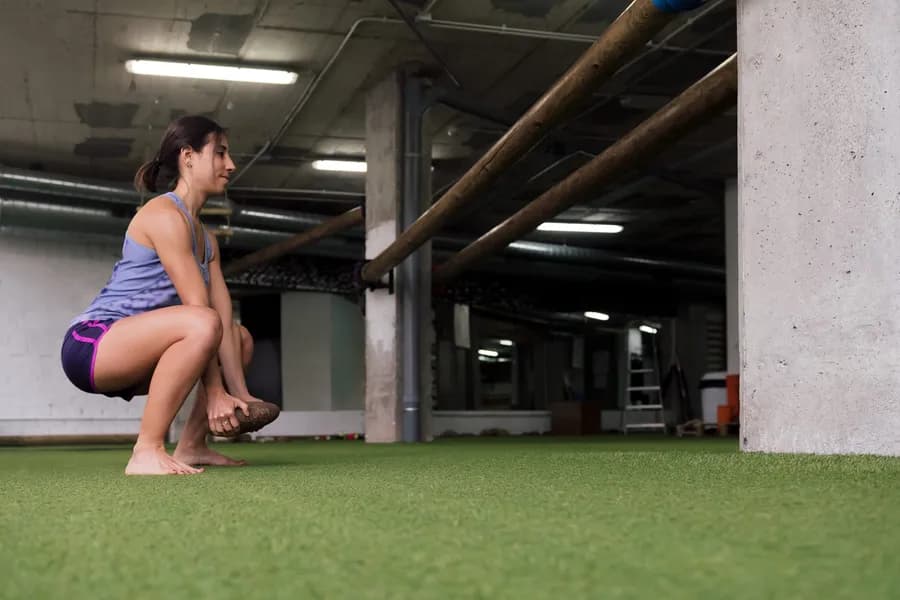
What Muscles Do Squats Work?
Squats recruit the quadriceps, glutes, hamstrings, hip flexors, core stabilisers, and calves simultaneously — the exact emphasis shifts with variation, stance, and depth. See the full muscular breakdown.
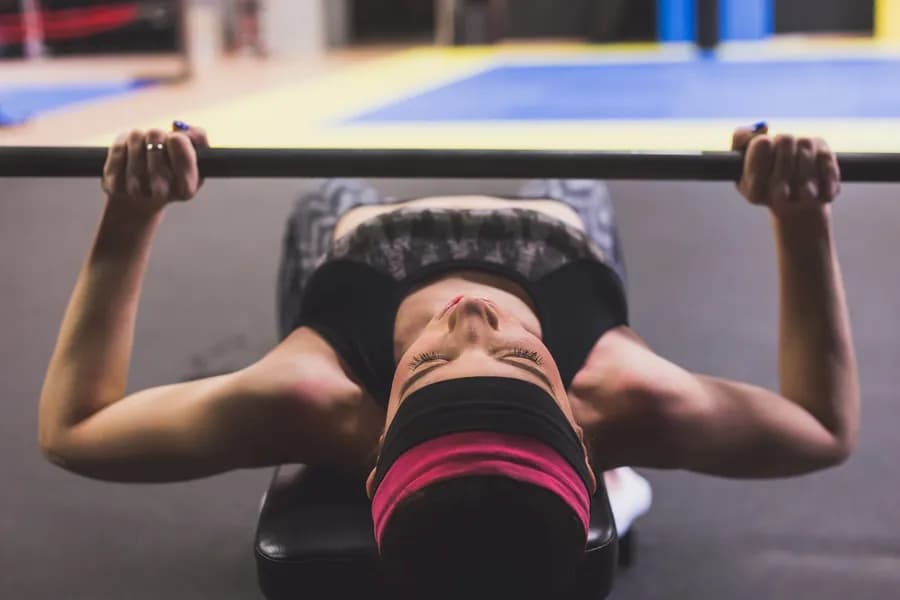
How to Improve Bench Press Strength
Improving bench press strength takes progressive overload, consistent technique work, and targeted accessory exercises — not just more sets. See the key benefits, best exercises, and common mistakes.
What Is Strength Training? Benefits, Exercises & How to Get Started
Strength training uses resistance — bodyweight, dumbbells, or bands — to challenge muscles and stimulate growth, building lean muscle and raising metabolism for all ages and experience levels. See the benefits and how to start.
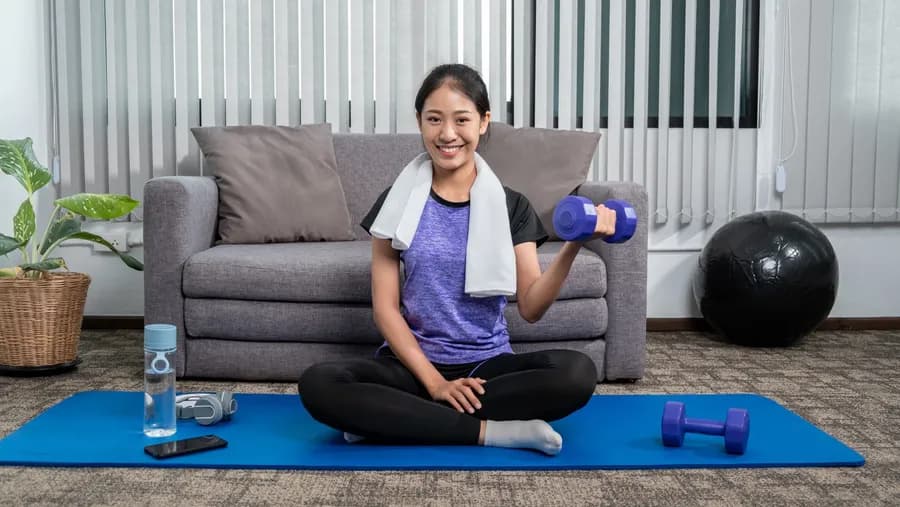
10 Benefits of Strength Training That Go Beyond the Gym
Strength training raises your resting metabolism, improves bone density, supports fat loss, and benefits mental wellbeing — gradually changing how your body feels and performs. See all 10 benefits.