
Bulking Phase: How to Gain Muscle Without Overdoing Calories
A bulk works with a small surplus, progressive training and honest tracking. How fast to gain, what to watch and when to end the phase.


Key Takeaways
- Muscle gain needs progressive training, recovery and enough energy together.
- Start with roughly 150-300 extra calories a day, not a 'dirty bulk'.
- Aim to gain no more than about 0.25-0.5% of body weight a week.
- Track strength, waist and photos as well as weekly average weight.
- Set review points and end the bulk rather than eating up indefinitely.
Bulking means eating enough to support muscle gain while following progressive resistance training. It does not require uncontrolled eating or a dramatic jump on the scale. A small calorie surplus, adequate protein, useful carbohydrates and patient training can support strength with less unnecessary fat gain. Because bodies respond differently, the plan should be adjusted from actual progress rather than copied from a fitness influencer. This guide focuses on running the phase itself; for macros and a sample day of eating, see our lean bulk diet guide.
How much surplus is enough?
How large should the surplus be?
For many people, roughly 150–300 extra calories a day is a sensible starting experiment, not a universal prescription. Beginners may gain muscle with little surplus, while advanced lifters progress slowly. Rapid weekly weight gain usually brings more fat and digestive discomfort. Review the trend over three to four weeks before changing intake.
How fast should weight change?
A gradual increase of around 0.25–0.5% of body weight per week is often used as a broad ceiling, with slower rates suitable for experienced trainees. Day-to-day scale changes mostly reflect water, food and glycogen. Use a weekly average under similar conditions instead of reacting to one morning. Remember that muscle gain does change your weight, so the scale alone cannot tell you what you gained.
Where should protein come from?
Dals, beans, soy foods, dairy, peas, nuts, seeds and protein powders can all contribute. Aim to include a meaningful source at three or four eating occasions. Variety across the day covers amino acids; every vegetarian meal does not need a complicated "complete protein" calculation.
What should meals and training include?
Why are carbohydrates useful?
Rice, roti, oats, potatoes, fruit and other carbohydrate foods fuel hard training and restore glycogen. Removing them while trying to grow can make sessions flat and meals unnecessarily fatty. Choose amounts that support performance, then add fats such as nuts, seeds or oils when more energy is needed without enormous food volume.
What does training need?
A surplus cannot replace progressive overload. Base the programme on repeatable movements, enough weekly sets and gradual increases in load, repetitions or control. Training every muscle daily is unnecessary. Rest days, technique and a plan you can sustain for months are more productive than random maximal sessions. Our guides to strength training for muscle gain and the best workout split can help you structure the week.
How do you make meals bigger?
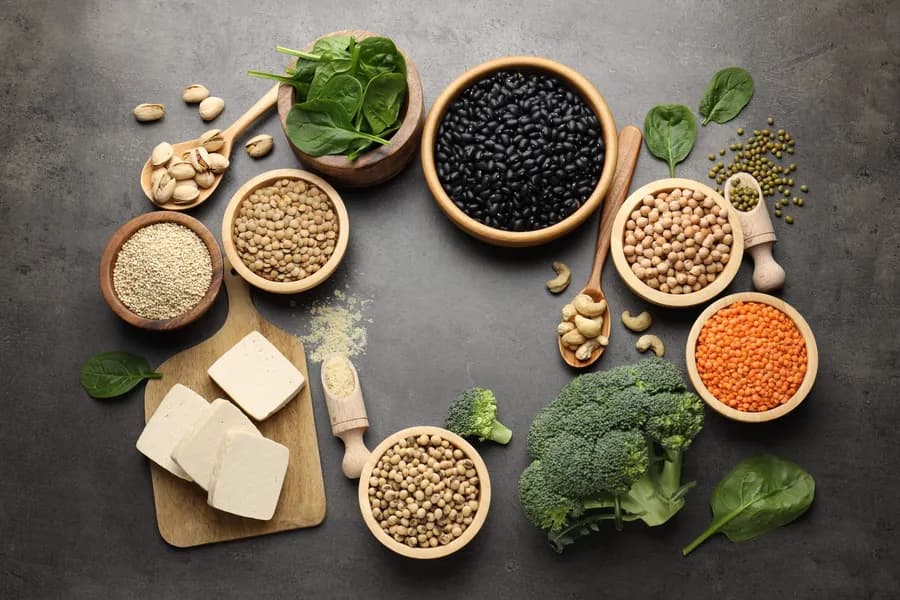
Increase portions stepwise: add curd to lunch, tofu to noodles, milk to oats, peanuts to poha or an extra roti with dal. Liquid calories can help a low appetite, but very large shakes may displace fibre and cause bloating. Let appetite, digestion and your training schedule guide meal size.
How can you track progress?
Which signs mean slow down?
Persistent reflux, constipation, breathlessness, poor sleep, a rapidly rising waist measurement or anxiety around eating suggest the plan needs adjustment. A bulk should not make daily life miserable. Anyone with diabetes, gastrointestinal disease or a history of disordered eating should use qualified support.
When should a bulk end?
Set review points rather than bulking indefinitely. After several months, assess strength, waist, photos, energy and training quality. A period at maintenance may be appropriate before any fat-loss phase. Repeated aggressive bulks and cuts can create more weight cycling than muscle, especially when the training foundation is inconsistent.
A practical next step
The best bulking plan may look surprisingly ordinary: slightly larger balanced meals, consistent lifting and enough sleep. Choose two calorie additions, track weekly averages and keep them only if performance improves without excessive waist gain or discomfort. Muscle is slow tissue to build, and a controlled plan respects that biology instead of pushing you to eat far beyond hunger every day.
Editorial sources
Frequently Asked Questions
Related Articles

Diet for Lean Bulk: How to Gain Muscle Without Excess Fat
A lean bulk diet eats just enough extra to grow muscle while keeping fat gain to a minimum — slower and steadier than a traditional bulk. See exactly how.


Strength Training for Muscle Gain: Complete Guide
Discover the best strength training for muscle gain with exercises, beginner tips, and a home workout plan. Start your 14-day free trial trial with Habuild today.


Best Workout Split for Muscle Gain
The right split — Push/Pull/Legs, Upper/Lower, or full-body — is whichever one you can execute consistently, week after week, with progressive overload built in. See what actually drives muscle growth.

Creatine: Benefits, Uses, Dosage Basics and Safety
Creatine is made in the body and stored mainly in muscle, where it helps supply quick energy during short, intense activity.

Does Muscle Gain Increase Weight? What the Scale is Not Telling You
Muscle is roughly 18% denser than fat by volume, so a given weight of muscle takes up less space — the scale can rise, stay flat, or fall while the body visibly transforms. See what the scale isn't telling you.