
Casein Protein: Nutrition, Uses and Safety for Vegetarians
Casein is the slow-digesting protein in milk, curd and paneer. Here is how it compares with whey and when a casein powder is worth using.
Key Takeaways
- Casein is a complete dairy protein found in milk, curd and paneer; it is not vegan.
- It digests more slowly than whey, but total daily protein matters more than timing.
- Lactose-free casein is still unsafe for anyone with a milk-protein allergy.
- Use a powder to fill a real gap, such as low appetite or long shifts, not to replace meals.
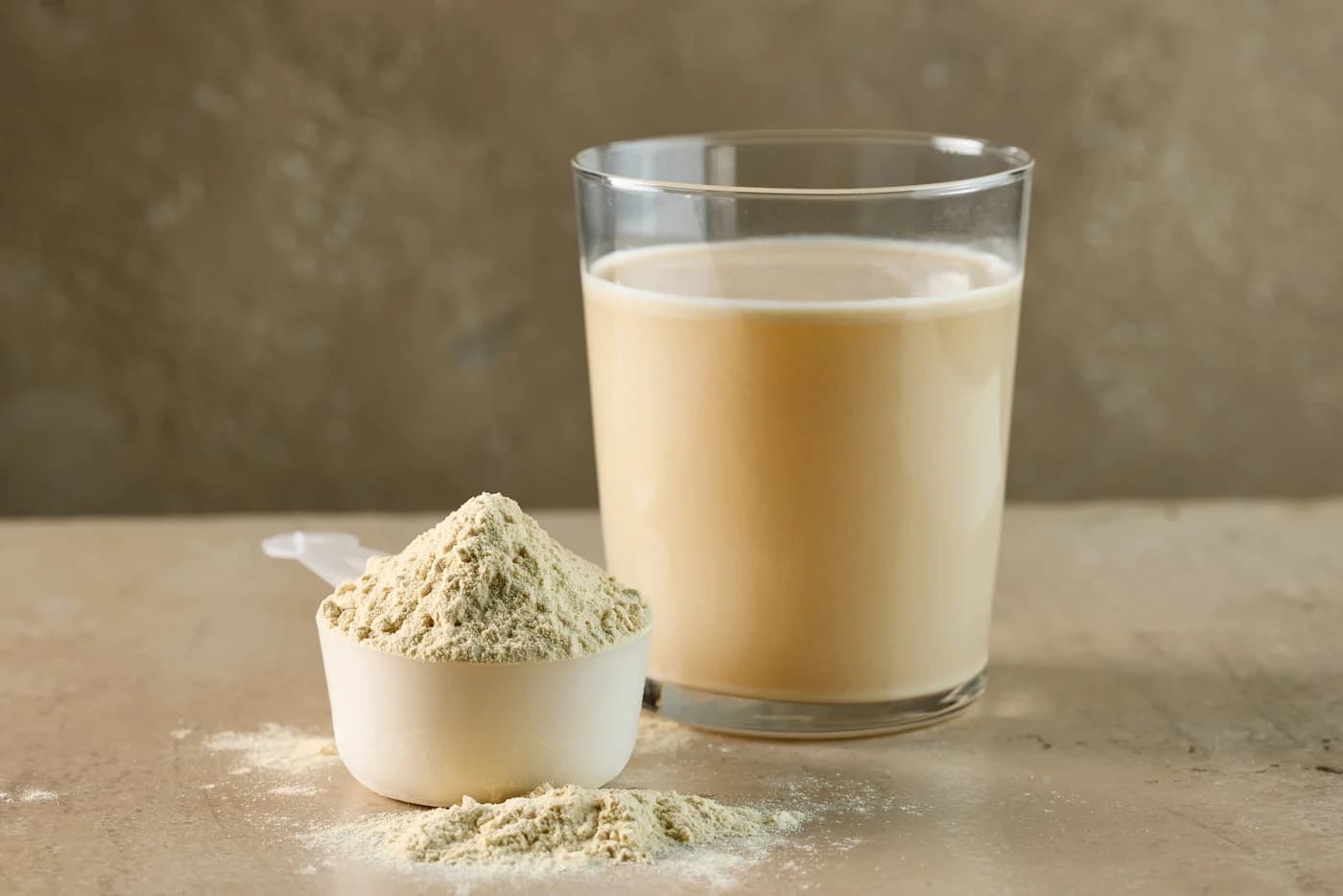
Casein is the main protein in milk and the foundation of curd and paneer. In supplements, it is valued for forming a slow-digesting gel in the stomach, which releases amino acids over several hours. That can be convenient, but casein protein is not necessary for everyone, and it is unsuitable for anyone with a milk-protein allergy or following a vegan diet.
What does casein provide?
Milk protein is mostly casein, with a smaller whey fraction. Acid or enzymes make casein curdle, which is why it is concentrated in paneer and curd. Micellar casein powder is processed from milk, so it is dairy-based even when the label focuses on fitness rather than where the protein comes from.
A complete protein
Casein supplies all the indispensable amino acids, including leucine, which is needed for muscle-protein synthesis. "Complete" does not mean nutritionally complete, though: a powder lacks the fibre and variety of a meal. Vegetarian diets can also meet amino-acid needs through dairy, soy, pulses and grains with an adequate total intake.
Does slow digestion matter?
Casein clots in the stomach and is digested more gradually than whey. This has made bedtime casein popular, but muscle adaptation depends most on total protein, how it is spread across the day, training and overall energy intake. A carefully timed shake cannot make up for too little food or inconsistent resistance exercise.
How much protein do you need?
Needs vary with body size, age, training, recovery and health. Start by estimating the protein in your meals rather than assuming a scoop is required. Someone eating paneer, curd, milk, soy and pulses may already have enough, while a person with a low appetite could value a convenient supplement.
Casein protein vs whey
Whey is digested quickly and has a high leucine content; casein releases amino acids over a longer period. Both are high-quality dairy proteins. Choosing between them can come down to tolerance, taste, budget and how the product fits your meals. Marketing that presents one as essential at a particular minute overstates the science on timing.
Lactose intolerance is different from milk allergy
Lactose is milk sugar, while casein is a protein. A low-lactose casein powder may suit some people with lactose intolerance, but it is never safe for a true milk-protein allergy. Check labels for added milk solids and flavouring ingredients, and seek a diagnosis if dairy causes repeated symptoms.
Allergy can be serious
Milk-protein allergy may cause hives, swelling, vomiting, wheezing or anaphylaxis. Avoid casein and follow your allergy plan; "lactose-free" does not make a product safe. Cross-contact statements on the label matter. Breathing difficulty, collapse or rapidly spreading swelling needs emergency help.
Digestive and product concerns
Thick texture, large servings, sweeteners or gums can cause bloating or fullness. If the product is otherwise suitable, try a smaller amount. Choose tested products with transparent ingredient lists, particularly for competitive sport, and avoid blends that hide stimulants or pile on unnecessary additives.
Who should get advice first?
Healthy kidneys handle normal dietary protein, but diagnosed kidney disease may require an individual protein amount. Pregnancy, adolescence and complex medical conditions also deserve qualified advice before using concentrated powders. Casein should never be used to self-treat frailty, unexplained weight loss or swallowing problems without an assessment.
When is a casein powder actually useful?
A bowl of curd, milk with oats or paneer in a meal supplies casein within a wider food package. A powder makes sense when a long commute, shift work or low appetite makes a full meal difficult. Blend a measured serving with water or milk, or stir a small amount into curd or oats, following the label.
It is less useful when it pushes out vegetables, grains and varied protein foods simply because drinking is faster. Compare the cost per serving with paneer, curd, tofu and pulses, and consider how full each option keeps you. Protein needs do not disappear on rest days, but a shake is not automatically required. The best choice is the simplest one that reliably meets your needs.
Editorial sources
Frequently Asked Questions
Related Articles

Whey vs Plant Protein: Which One Should You Choose
Whey and plant protein aren’t about which is ‘better’ overall — it’s about which fits your digestion, diet, and goals. See how they compare on absorption.

Daily Protein Requirement: How to Calculate What You Need
Your daily protein requirement isn’t a fixed number — it depends on your body weight, activity level, and goal. See exactly how to calculate it for.
Foods to Build Muscle Mass: A Simple, Practical List
Building muscle mass comes down to protein-rich foods, enough overall calories, and a few smart carbs and fats around your workouts. See the everyday.
