
How to Do Calf Raises: Benefits, Form & Exercises
Learn how to do calf raises correctly at home — proper form, common mistakes, and beginner tips. Start your free 7-day trial with Habuild with a 14-day free trial.
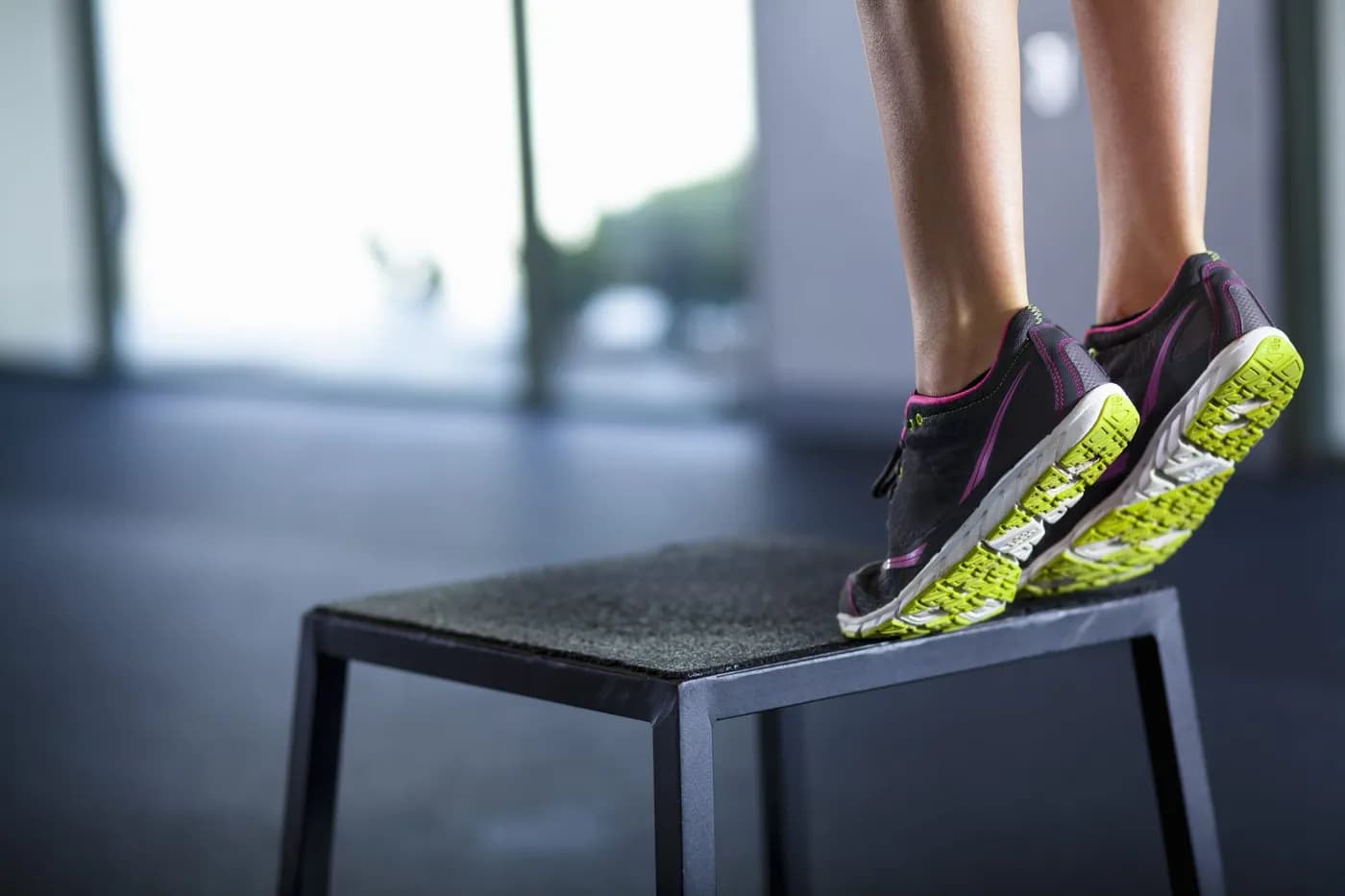
Key Takeaways
- Directly targets the gastrocnemius and soleus, the two primary muscles in the lower leg.
- Rising onto the toes activates ankle stabiliser muscles, improving proprioception over time.
- Calf muscles act as a secondary pump helping blood return to the heart from the lower body.
- Explosive calf strength powers the push-off phase in running and jumping for athletes.
- Consistent training helps prevent shin splints, Achilles tendon issues, and plantar fasciitis.
- A step, a chair for balance, or a filled backpack are enough to add resistance at home.
Learning how to do calf raises correctly is one of the simplest investments you can make in your lower-body strength. Whether you’re training at home or just starting out, this guide walks you through everything — from proper technique and beginner-friendly variations to common mistakes that hold most people back. Strong calves improve balance, support your knees and ankles, and make everyday movement feel noticeably easier.
10 Benefits of Calf Raises
- Builds Lower-Leg Strength Calf raises directly target the gastrocnemius and soleus muscles — the two primary muscles in your lower leg. Regular practice builds functional strength that carries over into walking, running, and climbing stairs.
- Improves Balance and Stability Rising onto your toes activates the stabiliser muscles around your ankle. Over time, this improves proprioception — your body’s ability to sense its position in space — which reduces the risk of ankle rolls and falls.
- Supports Knee and Joint Health Strong calves absorb impact before it reaches the knees. This makes calf raises a smart addition to any routine if you experience mild knee discomfort during activity. Always consult a physiotherapist if you have an existing injury.
- Boosts Athletic Performance Explosive calf strength powers the push-off phase in running and jumping. Athletes across disciplines — from football to badminton — use calf raises to build speed and agility from the ground up.
- Enhances Circulation in the Lower Body The calf muscles act as a secondary pump for blood returning to the heart. Regularly contracting them through calf raises may support healthy blood circulation, especially for people who sit for long hours.
- Requires Zero Equipment You need nothing but a flat surface and your bodyweight. You can level up using a step, a chair for balance, or a filled backpack for added resistance — all things you already have at home. If you want a broader framework for doing strength training at home, that guide covers the full picture.
- Prevents Common Running Injuries Weak calves contribute to shin splints, Achilles tendon issues, and plantar fasciitis. Consistent calf training gradually builds the tissue resilience that keeps these injuries at bay.
- Improves Posture The lower leg plays a surprisingly large role in overall postural alignment. When calves are tight or weak, compensations travel up through the knees, hips, and spine. Strengthening them contributes to a more upright, natural stance.
- Accessible for All Fitness Levels A basic standing calf raise is gentle enough for complete beginners and can be progressed through dozens of variations to challenge seasoned athletes. It truly scales with you.
- Complements Full-Body Fat Loss Goals While no single exercise spot-reduces fat, building more muscle mass — including in the calves — raises your resting metabolic rate. Combined with consistent training and good nutrition, calf raises contribute to a leaner overall physique. Pairing them with compound movements supports managing belly fat through structured exercise.
How to Get Started with Calf Raises
What You Need to Begin
Nothing is mandatory for your first session. A flat, non-slip floor and comfortable footwear are enough. If you want extra range of motion, stand on the edge of a low step — this allows your heel to drop below the level of your toes for a deeper stretch and contraction. A chair or wall nearby is useful for balance in the early stages.
Setting Realistic Goals
Beginners often expect visible calf definition within days. In reality, consistent practice over 4–8 weeks is where meaningful strength gains begin to show. Start with 2–3 sets of 15 reps, three times a week. Avoid training calves to failure every single day — like all muscles, they need 48 hours of recovery to rebuild stronger.
Start with the Basics
Stand tall with feet hip-width apart. Slowly rise onto the balls of your feet, pause at the top for one second, then lower your heels back down with control. That is one rep. Focus on the lowering phase — resisting gravity on the way down is where a large portion of the strength-building stimulus comes from. Keep your core gently engaged and avoid locking your knees.
Best Calf Raise Exercises to Try at Home
Standing Calf Raise
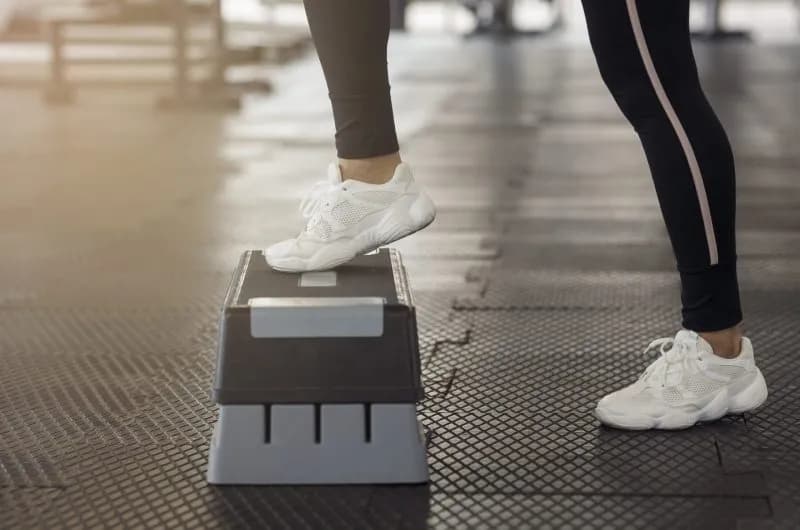
The foundational movement. Stand with feet hip-width apart, hands resting lightly on a wall or chair for balance. Rise onto your toes, hold for one second, and lower with control. Aim for 3 sets of 15–20 reps. This is the starting point for all calf raise progressions.
Single-Leg Calf Raise
Once the double-leg version feels comfortable, shift your weight onto one foot and perform the same movement. Single-leg calf raises expose any strength imbalance between legs and increase the difficulty significantly without any added weight. Begin with 3 sets of 10 per leg.
Seated Calf Raise
Sit on a chair with feet flat on the floor. Place a heavy book or bag on your thighs for resistance. Rise onto your toes and lower slowly. The seated position shifts emphasis to the soleus muscle, which sits beneath the gastrocnemius and is critical for running endurance.
Toe Raises (Tibialis Raise)
This is the antagonist movement to the calf raise — and it is frequently overlooked. Stand with your back against a wall and your feet a few inches forward. Lift the front of your feet off the ground, hold briefly, and lower. Toe raises strengthen the tibialis anterior on your shin and are a proven way to prevent shin splints. Aim for 3 sets of 15. Strengthening both sides of the lower leg creates balanced, injury-resistant movement. For more on building stamina for running through structured lower-body training, this resource is worth reading.
Step Calf Raise
Stand on the edge of a step with heels hanging off. Lower your heels below the step level, then rise up as high as possible. This extended range of motion creates a deeper stretch and a stronger contraction — making it the most effective variation for muscle development. Use a railing for safety. Try 3 sets of 12–15 reps.
Donkey Calf Raise
Hinge forward at the hips until your torso is roughly parallel to the floor, bracing yourself on a wall or chair. From this position, perform calf raises. The bent-hip position stretches the gastrocnemius differently than the standing version, offering a complementary training stimulus.
Jump Calf Raise
An explosive variation for those who want to build power. From a standing position, drive up through your toes as forcefully as possible — letting your feet briefly leave the floor. Land softly, absorb the impact through the balls of your feet, and repeat. Keep sets short (8–10 reps) and focus on soft, controlled landings.
Common Mistakes to Avoid
- Poor Form and Rushed Reps The most common error is bouncing up and down too quickly, using momentum rather than muscle. Each rep should have a deliberate rise, a one-second pause at the top, and a slow lowering phase. If you cannot control the descent, reduce your reps until you can.
- Skipping the Warm-Up Cold calf muscles are tight by default. A two-minute walk, light ankle circles, and some gentle heel-to-toe rolling will prepare the Achilles tendon and calf tissue for work. Skipping this step is a fast route to strain, especially on step or single-leg variations.
- Overtraining the Calves Because calf raises feel easy compared to squats or deadlifts, people often overdo them. Training calves every single day without rest will plateau your progress and increase the risk of Achilles irritation. Three sessions per week with adequate sleep and protein is more productive than daily high-volume training.
- Inconsistency in Practice Calves are notoriously slow to respond to training — they are used to bearing your bodyweight all day and require persistent, progressive overload over weeks and months. The difference between people who see results and those who don’t almost always comes down to showing up consistently rather than training harder on fewer days. This principle applies to all strength goals — if you are exploring how to build overall body strength, consistency is the central theme there too.
Who Should Try Calf Raises?
- Beginners The standing calf raise is one of the most beginner-friendly strength exercises that exists. There is no complex technique to learn, no equipment needed, and the movement can be performed anywhere. If you are new to exercise, this is a reliable and low-risk place to start building a strength habit.
- Women Calf raises will not create bulky legs. The gastrocnemius and soleus respond to training by becoming firmer, more defined, and more functional — not disproportionately large. Women who train their calves regularly often notice improved leg tone and better stability during other workouts.
- Older Adults Balance and ankle stability decline with age, making calf strengthening particularly valuable for adults over 50. A simple seated or supported calf raise programme can meaningfully reduce fall risk and support independent mobility. If you have osteoporosis or a recent lower-limb injury, check with your doctor before beginning.
- Working Professionals If your job involves long periods of sitting, your calf muscles spend most of the day inactive. This contributes to poor circulation, ankle stiffness, and tight Achilles tendons. Three sets of calf raises during a break — or even while standing at your desk — takes under five minutes and counteracts hours of sedentary sitting effectively.
Build Strength with a Routine That Actually Works
Building stronger calves — and a stronger body overall — is not about doing random workouts. It is about consistency, proper guidance, and a structured plan that progresses with you. With the right support, you can train effectively from home and see real improvement over time.
What you get with Habuild’s Strong Everyday programme:
- Daily live guided strength sessions with expert trainers
- Beginner-to-advanced progression — move at your own pace
- No-equipment, home-friendly workouts designed for real life
- Correct form guidance to prevent injury and maximise results
- A supportive community that helps you stay consistent
Ready to move beyond occasional effort and build a habit that lasts? Explore how foundational lower-body moves like lunges fit into a complete strength programme — then join Habuild and experience consistent, expert-guided training from day one.
Related reads: How to Do Leg Raises: Benefits, Form & Mistakes · How to Do Bulgarian Split Squat — Form, Tips & Benefits
Calf raises are simple, which is exactly why they’re easy to underdose — a few sets here and there rarely trigger meaningful growth compared to a routine that steadily increases reps and resistance. Structure is what turns a basic move into real lower-leg strength. Habuild’s Strong Everyday program builds that structure in, pairing calf work with a broader plan designed for consistent gains.
Frequently Asked Questions
Related Articles
How to Strengthen Ankles: Exercises & Tips
Learn how to strengthen ankles with proven exercises, beginner tips, and a structured routine. Start your free 7-day trial with Habuild today.
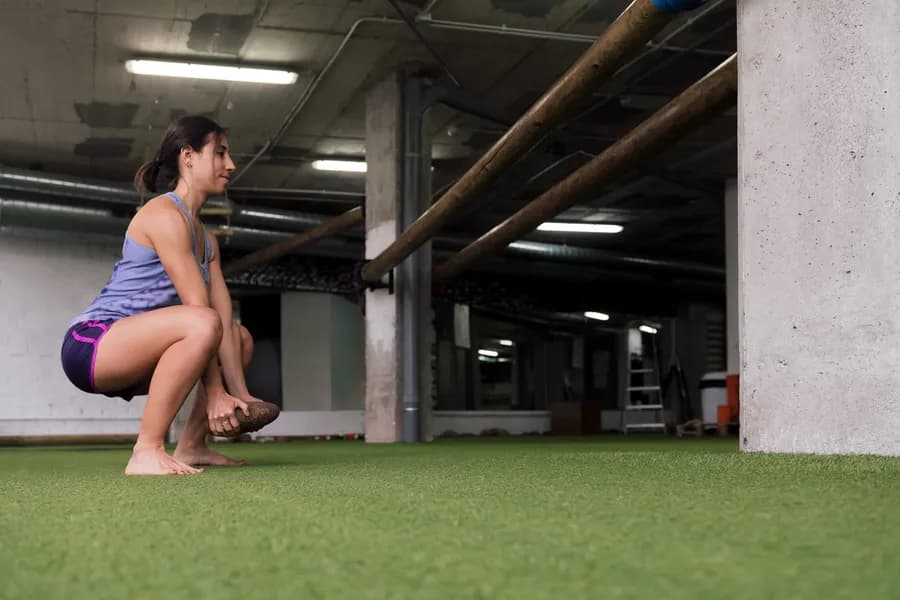
How to Do Squats Properly: Form, Benefits & Tips
Learn how to do squats properly with step-by-step guidance, common mistakes to avoid, and beginner tips. Start your strength journey with a 14-day free trial.
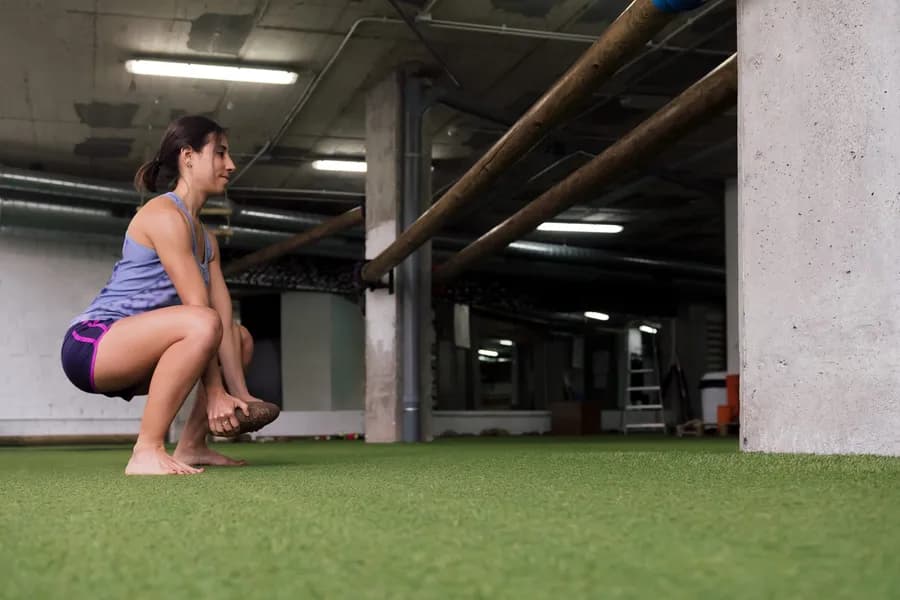
How to Do Bulgarian Split Squat — Form, Tips & Benefits
Learn how to do bulgarian split squat with correct form, common mistakes to avoid, and beginner-friendly variations. Start your free 7-day trial at 14-day free trial.
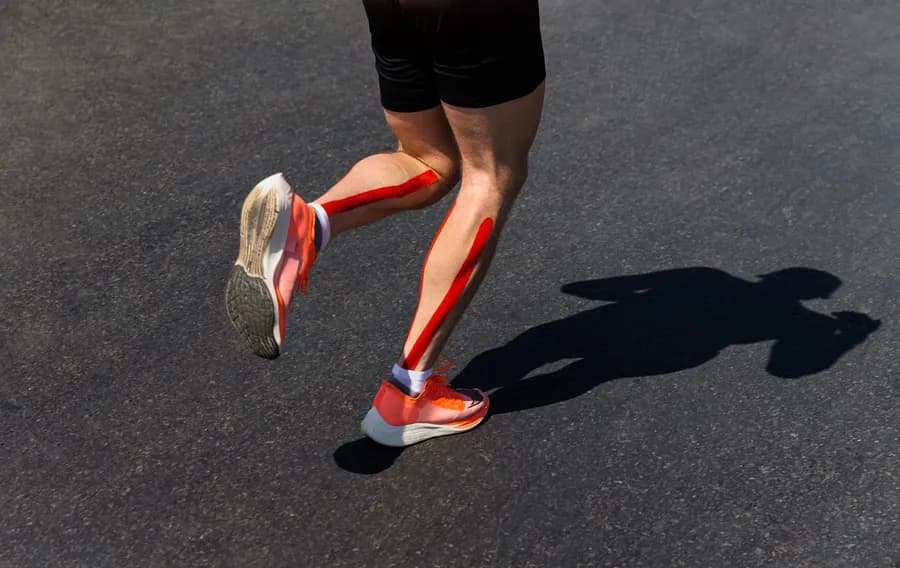
How to Strengthen Hamstring Muscles: Exercises & Tips
Learn how to strengthen hamstring muscles with the best exercises, beginner tips, and a structured plan. Start your 14-day free trial trial with Habuild today.
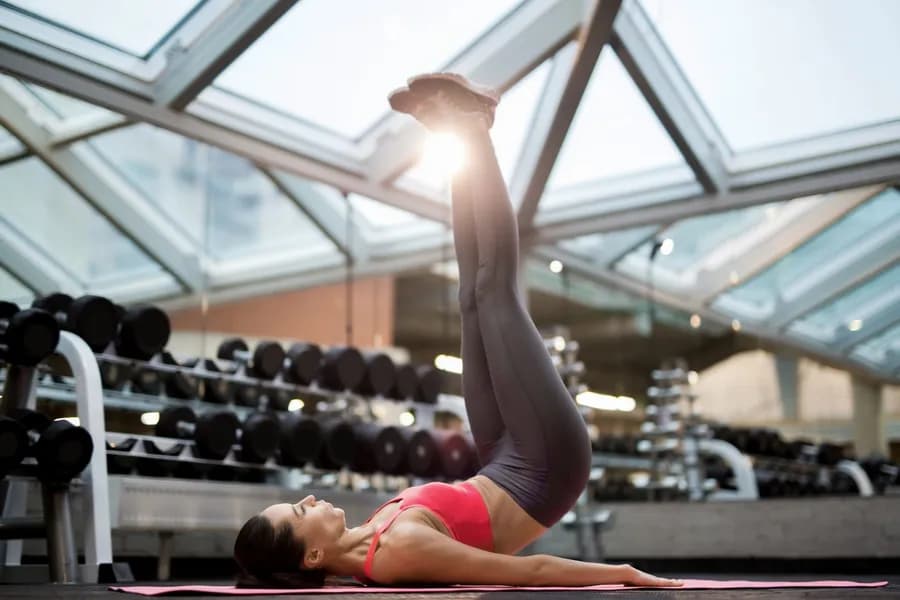
How to Do Leg Raises: Benefits, Form & Mistakes
Learn how to do leg raises correctly — benefits, best variations, common mistakes, and a beginner-friendly plan. Start your free trial with a 14-day free trial.