
How to Strengthen Stomach Muscles: Exercises, Tips & a Plan That Works
Training the rectus abdominis, obliques, and deep transverse abdominis stabilises your spine and improves posture — functional gains show up within three to four weeks. See the exercises that work.

Key Takeaways
- Trains the rectus abdominis, obliques, and deep transverse abdominis together.
- The deep abdominals assist the diaphragm, making breathwork more effective when trained.
- Certain core exercises that gently compress the abdomen may support easier digestion.
- Functional improvements like better balance often appear within three to four weeks.
- No exercise spot-reduces fat, but core training does support metabolism over time.
Strengthening your stomach muscles means training the rectus abdominis, obliques, and deep transverse abdominis through structured exercises so they can stabilize your spine, improve posture, and support every movement your body makes. Consistent core training typically delivers functional improvements — better balance, less back fatigue — within three to four weeks.
Learning how to strengthen stomach muscles is one of the most searched fitness goals — and for good reason. A strong core supports your spine, improves posture, boosts athletic performance, and makes everyday movements feel easier. Whether you’re a complete beginner or someone who has tried and quit before, this guide will walk you through exactly what works, what doesn’t, and how to build a consistent abdominal training habit.
10 Benefits of Strengthening Your Stomach Muscles
- Better Spinal Support Your core muscles act as a natural brace for your spine. Strengthening them may gradually ease lower back discomfort by reducing the load placed on your vertebrae during daily activities like sitting, standing, and lifting.
- Improved Posture Weak abdominals often lead to a forward-leaning posture. As your core becomes stronger, your body learns to hold itself upright with less effort — a noticeable change that shows up in how you look and how you feel.
- Reduced Risk of Injury A stable core protects joints across your entire body. Runners, desk workers, and athletes alike experience fewer strains and sprains when their midsection is well-conditioned and able to absorb impact efficiently.
- Enhanced Athletic Performance Power in almost every sport — from swimming to cricket — originates from the core. Strong abdominals help transfer force between your upper and lower body, making you faster, more agile, and more efficient.
- Supports Gradual Fat Loss Around the Midsection While no exercise spot-reduces fat, targeted abdominal strength exercises combined with consistent training increase muscle mass in the area, which can support a healthier metabolism over time.
- Easier Breathing The diaphragm works closely with your deep core muscles. Strengthening your abdominals through practices that include breathwork can improve the efficiency of every breath you take.
- Better Balance and Stability Core strength is the foundation of balance. Whether you’re standing on one leg or navigating uneven terrain, your stomach muscles are constantly working to keep you upright.
- Reduced Digestive Discomfort Certain core exercises — especially those that gently compress and release the abdomen — may support healthy digestion and help manage bloating when practiced regularly.
- Improved Functional Strength Picking up a child, carrying groceries, or reaching overhead: all of these everyday tasks become noticeably easier when your core is strong and engaged.
- Mental Discipline and Consistency Training your core daily builds more than physical strength. It builds the habit of showing up — a discipline that carries over into every area of life.
How to Get Started with Stomach Muscle Strengthening
What You Need to Begin
The good news: you need almost nothing. A yoga mat or a firm carpet, a small amount of floor space, and your bodyweight are enough to build a genuinely strong core. No gym membership, no equipment purchase required. If you want to progress later, resistance bands and light dumbbells are helpful additions — but they’re optional to start.
Setting Realistic Goals
Many people give up on abdominal training because they expect visible results within two weeks. Sustainable core strength develops over six to twelve weeks of consistent effort. Set process goals — “I will train my core four times this week” — rather than outcome goals like “I want a flat stomach by next month.” This mindset shift is what separates those who succeed from those who quit.
Avoid overtraining: your abdominal muscles, like any other muscle group, need recovery time. Training them every single day without rest will slow progress, not accelerate it.
Start with the Basics
Beginners should start with foundational movements: the dead bug, the bird dog, and the basic plank hold. These exercises teach your deep core muscles to activate correctly before you load them with more demanding work. Spending the first two to three weeks here will save you months of frustration later. If you’re new to structured training, Habuild’s guided strength program can help you follow a progression designed from the ground up.
Best Exercises to Strengthen Stomach Muscles

Plank
The plank is the cornerstone of core training. Hold a forearm plank with your hips level — no sagging or piking — and focus on bracing your entire midsection as if you’re about to take a punch. Start with 20–30 second holds and build toward 60 seconds over several weeks. Do 3 sets.
Dead Bug
Lie on your back, arms pointed toward the ceiling, knees bent at 90 degrees. Lower one arm and the opposite leg toward the floor simultaneously, keeping your lower back pressed firmly against the mat. Return and repeat on the other side. This exercise trains deep stabilizers that conventional crunches miss entirely. Do 3 sets of 8–10 reps per side.
Bird Dog
From a tabletop position on hands and knees, extend one arm forward and the opposite leg back, holding for two seconds before switching. The key is keeping your hips perfectly level throughout. Bird dogs are excellent for building the connection between your core and spine. Do 3 sets of 10 reps per side.
Hollow Body Hold
Lie on your back, arms extended overhead. Lift your shoulders and legs off the floor so your body forms a gentle curve — like a banana. Hold this position with a braced core and controlled breathing. This is one of the most effective ways to build strong abdominal muscles because it creates full-body tension. Hold for 20–40 seconds, 3 sets.
Bicycle Crunch
Lying on your back with hands behind your head, bring one knee toward your chest while rotating your opposite elbow toward it. Alternate sides in a slow, deliberate rhythm. Rushing this movement removes most of the benefit. Do 3 sets of 12–15 reps per side.
Leg Raises
Lie flat on your back with legs extended. Keeping your lower back pressed to the floor, raise both legs to 90 degrees, then lower them slowly without letting them touch the ground. This targets the lower abdominals, which are notoriously difficult to reach with crunching movements. Do 3 sets of 10–12 reps.
Mountain Climbers
Start in a high plank position. Drive one knee toward your chest, then quickly switch legs in a running motion. Control the pace — fast enough to raise your heart rate, slow enough to maintain core engagement. Mountain climbers also deliver a cardiovascular benefit alongside abdominal conditioning. Do 3 sets of 30 seconds.
Common Mistakes to Avoid
- Poor Form Cranking your neck during crunches, letting your hips drop in a plank, or using momentum instead of muscle — these habits train the wrong things and increase injury risk. Slow down, reduce the range of motion if needed, and prioritize control over quantity. Working with a guided program like Habuild’s core strength training can give you real-time cues to correct technique.
- Skipping Warm-up Cold muscles are less pliable and more prone to strain. Before your core session, spend five minutes walking in place, doing hip circles, or running through some dynamic stretches. This prepares your spine and surrounding muscles for the work ahead.
- Overtraining Training your core seven days a week without rest actually impairs the muscle repair process. Most people see better results training four to five days per week with at least one full recovery day. Rest is when your muscles actually grow stronger.
- Inconsistency Doing three intense sessions one week and nothing the next is the number one reason people don’t improve their stomach muscles. Frequency and regularity matter far more than intensity. A 20-minute session four times per week beats a 60-minute session once a week every time.
Who Should Try Stomach Muscle Strengthening?
- Beginners If you’ve never trained your core before, you’ll notice improvements faster than almost anyone else. Start with the dead bug and bird dog, spend two weeks mastering them, then gradually layer in planks and leg raises. The barrier to entry is genuinely low — 15 minutes a day is enough to begin building a strong foundation.
- Women A persistent myth suggests that core training will make women’s midsections look thick or bulky. This is simply false. Women have significantly lower testosterone levels than men, which means strength training the core builds lean, functional muscle — not bulk. Strength training for women is one of the most effective ways to improve body composition, support hormonal health, and build lasting confidence.
- Older Adults Core strength becomes increasingly important with age. It directly supports balance (reducing fall risk), eases movement during daily tasks, and helps maintain spinal integrity. Low-impact exercises like the dead bug and supine leg raises are well-suited for older adults. As always, consult your doctor before beginning any new exercise program — especially if you have existing spinal or joint conditions.
- Working Professionals Desk work is one of the leading contributors to weakened core muscles and poor posture. Spending long hours seated tightens the hip flexors and switches off the abdominals. A consistent 15–20 minute core routine before or after work can meaningfully improve posture, reduce afternoon back discomfort, and make sitting for long periods feel far less draining.
Build Strength with a Routine That Actually Works
Building a stronger core isn’t about doing random ab workouts and hoping for the best. It’s about consistency, structured progression, and the right guidance to ensure you’re training safely and effectively. With daily live sessions and expert coaching, you can train from home and see real, gradual improvement over time.
What You Get with Habuild’s Strength Everyday Program:
- Daily live guided strength and core sessions
- Beginner-to-advanced progression built in
- No equipment required — fully home-friendly
- Expert coaching to correct form in real time
- A community that keeps you accountable and consistent
Related reads: How to Strengthen Abdominal Muscles: Exercises, Tips & a Plan That Works · How to Strengthen Calf Muscles: Exercises, Tips & a Plan That Works
A stronger midsection shows up as better balance and posture long before it shows up in the mirror, but only if the training behind it is consistent rather than occasional. Following a structured plan makes that consistency far more achievable than trying to remember which core exercises to rotate in each week. Strong Everyday folds core training into a complete, guided routine so your stomach muscles keep progressing alongside the rest of your body.
Frequently Asked Questions
Related Articles
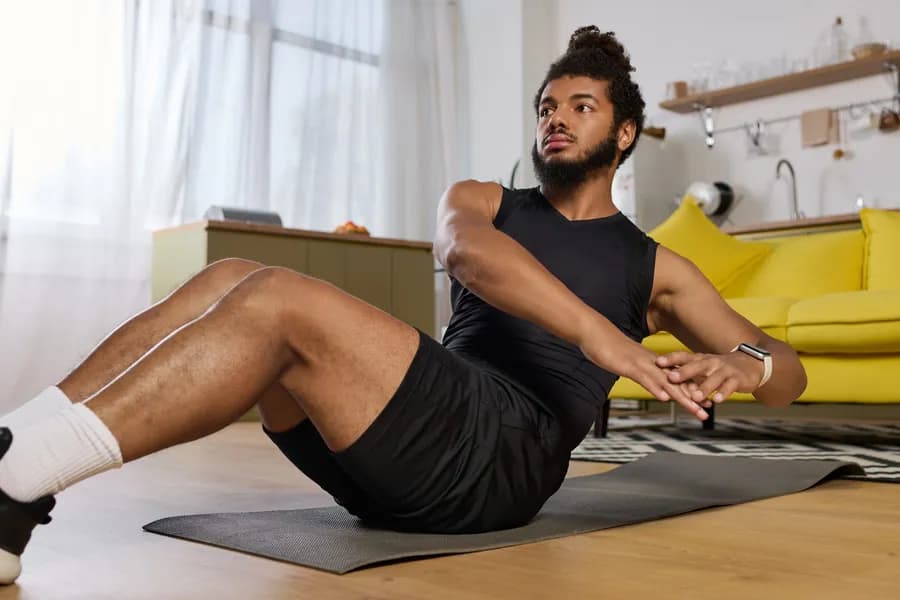
How to Strengthen Abdominal Muscles: Exercises, Tips & a Plan That Works
Training the rectus abdominis, transverse abdominis, and obliques three to four times a week with planks, dead bugs, and hollow holds shows measurable stability gains within four to six weeks. See the full plan.
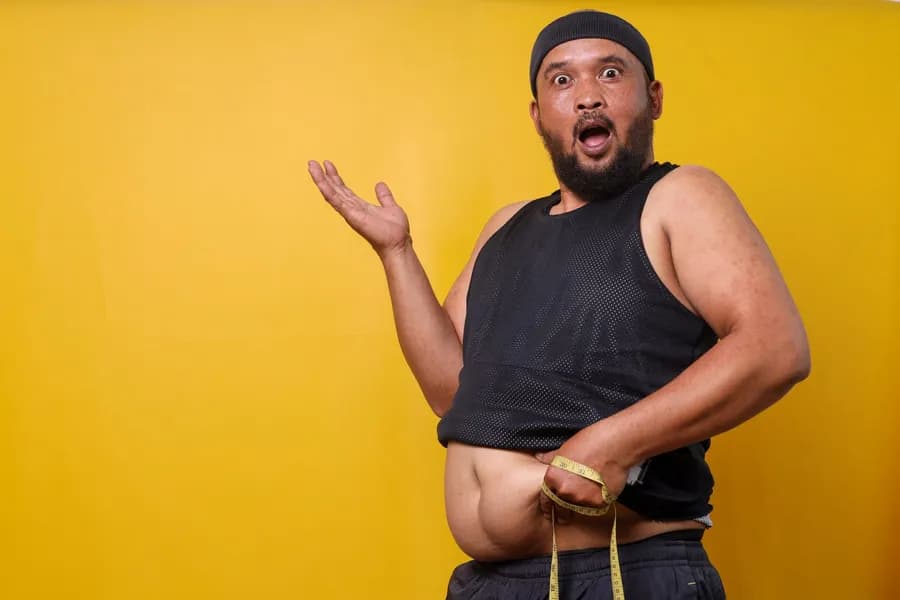
Which Exercise Is Best for Belly Fat?
There's no single magic move, but a combination of exercises done consistently works better than anything else. See the practical, no-fluff approach.

How to Strengthen Chest Muscles: Exercises, Tips & a Plan That Works
A stronger chest builds pushing power, supports shoulder stability, and helps correct the rounded-shoulder posture desk work causes. See every practical step, no equipment needed.
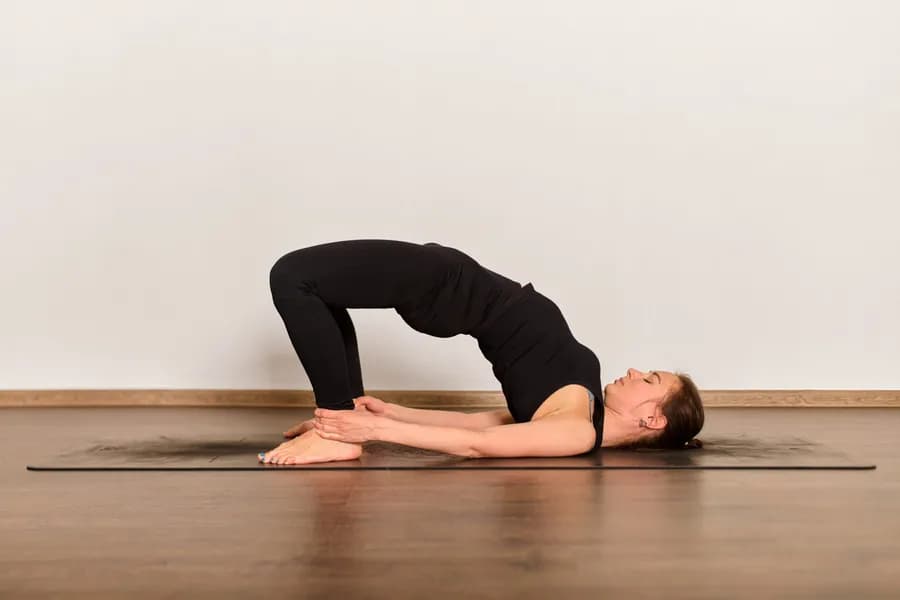
How to Strengthen Glute Muscles: Exercises, Tips & a Plan That Works
Strong glutes support your lower back, improve posture, and make everyday movement easier — built at home with bodyweight alone. See the exercises and how to train with consistency.
Beginner Bodyweight Workout: The Complete No-Equipment Guide
Squats, push-ups, lunges, planks, and bridges, performed in a structured sequence, build strength and movement quality from the ground up — no gym required. See the complete no-equipment guide.