
How to Strengthen Glute Muscles: Exercises, Tips & a Plan That Works
Strong glutes support your lower back, improve posture, and make everyday movement easier — built at home with bodyweight alone. See the exercises and how to train with consistency.
Key Takeaways
- Glutes are the largest muscle group, giving training an outsized effect
- Strong glutes keep the knees tracking properly during walking and running
- They create a muscular cushion around the hip, reducing joint wear with age
- Single-leg glute moves train proprioception, improving balance and awareness
- Bodyweight alone at home is genuinely enough at the beginner stage
Strong glutes support your lower back, improve posture, reduce knee and hip discomfort, and make everyday movements — standing, climbing stairs, lifting — significantly easier. You can build real glute strength at home, with bodyweight alone, when you train with intention and consistency over time.
If you’ve been wondering how to strengthen glute muscles effectively — whether you’re a complete beginner or someone who trains inconsistently — this guide covers everything you need. Explore Habuild’s structured strength training program once you’re ready to take your foundation further.
8 Benefits of Glute Strengthening
- Builds Lean Muscle The glutes are the largest muscle group in your body. Training them consistently stimulates muscle protein synthesis, which gradually builds lean, functional muscle tissue. This improves how your lower body looks and, more importantly, how it performs.
- Boosts Metabolism Because the glutes are so large, working them regularly raises your overall metabolic demand. Your body burns more energy both during and after glute sessions, which supports healthy body composition over time.
- Improves Bone Density Resistance-based glute training places productive stress on the hip and pelvic bones, stimulating bone remodelling. This is especially valuable for women and older adults whose bone density naturally declines with age.
- Enhances Functional Strength Every time you stand up, climb stairs, or lift something from the floor, your glutes are the primary engine. A targeted glute strength routine directly improves how efficiently you move through everyday life — not just in the gym.
- Supports Fat Loss Larger muscle groups consume more energy at rest. By building your glutes through consistent training, you raise your resting metabolic rate, which may gradually support fat loss goals alongside balanced nutrition.
- Reduces Knee Strain Strong glutes stabilise the hips, which keeps your knees tracking properly during movement. This can ease the load on the knee joint over time, particularly during walking, running, and squatting patterns.
- Protects the Hip Joint Well-developed glutes create a muscular cushion around the hip and reduce wear on the joint itself. This becomes increasingly valuable as you age and joint resilience naturally decreases.
- Improves Balance and Body Awareness Single-leg glute movements train proprioception — your sense of where your body is in space. This translates to better balance, coordination, and confidence during everyday physical tasks.
How to Get Started with Glute Strengthening
What You Need to Begin
You don’t need a gym or heavy weights to start building your glutes. A yoga mat, your bodyweight, and a small space at home are genuinely enough at the beginner stage. If you want to progress faster, a resistance loop band is one of the most effective and affordable tools you can add — but it’s optional, not essential.
Setting Realistic Goals
Most people begin to feel stronger and more stable in their hips within three to four weeks of consistent training. Visible changes in muscle shape typically take six to twelve weeks, depending on your starting point, nutrition, and training frequency.
Avoid doing too much too soon — two to three focused sessions per week is more productive than daily sessions done with poor form and high fatigue. You can also explore functional strength exercises to build complementary movement quality alongside your glute work.
Start with the Basics
Begin with movements that are straightforward to perform correctly: glute bridges, bodyweight squats, and clamshells. Once you can perform these with controlled movement and a clear mind-muscle connection, progress to more demanding variations. The single most important thing at the start is learning to feel the glutes working — not just completing the rep count.
Best Exercises to Strengthen Your Glutes
These seven movements cover the full spectrum of glute activation — from basic activation to strength and power. All are home-friendly and can be performed with or without equipment.
Glute Bridge
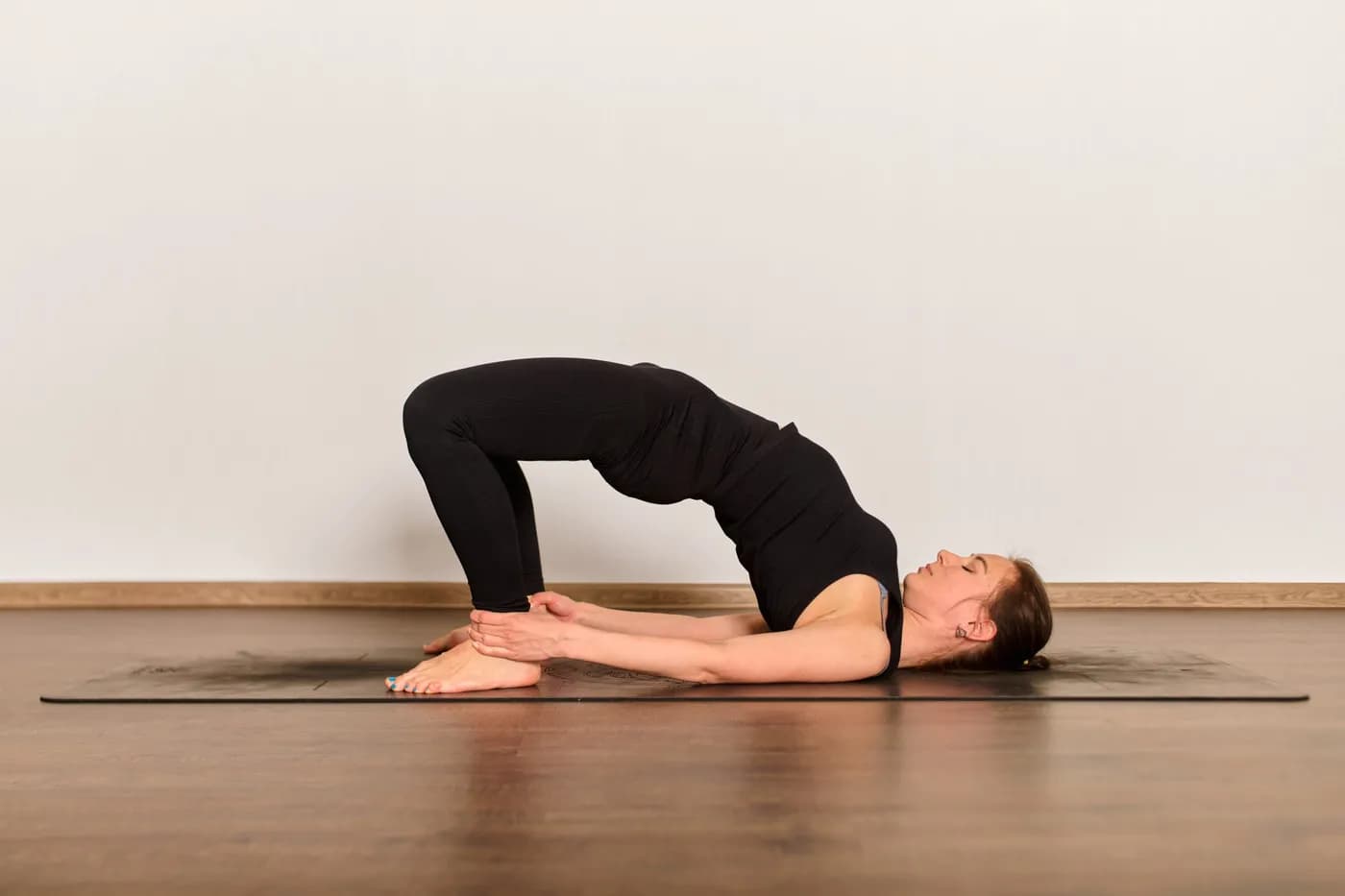
Lie on your back with knees bent, feet flat on the floor. Drive through your heels to lift your hips until your body forms a straight line from shoulders to knees. Squeeze the glutes firmly at the top and lower slowly. This is the best activation exercise for beginners. Sets/Reps: 3 sets of 12–15 reps.
Bodyweight Squat
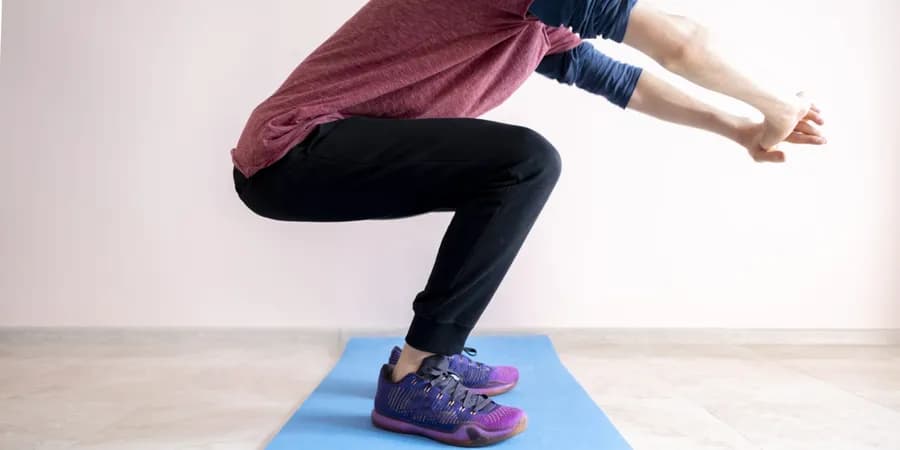
Stand with feet shoulder-width apart, toes slightly turned out. Lower your hips back and down as if sitting into a chair, keeping your chest tall and knees tracking over your toes. Push through the whole foot to stand. Sets/Reps: 3 sets of 12–15 reps.
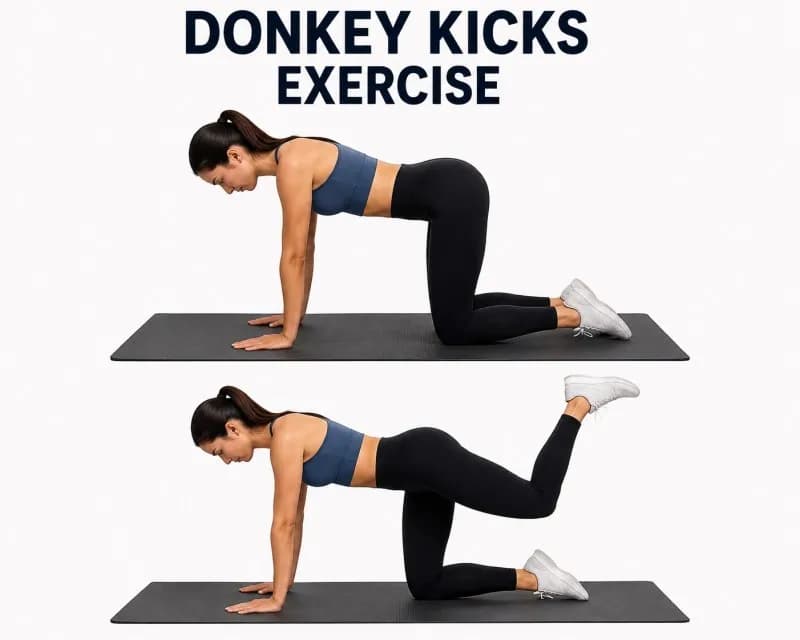
Donkey Kick
Start on all fours. Keeping the knee bent at 90 degrees, drive one heel upward toward the ceiling and squeeze the glute at the top. Lower with control. This isolates the gluteus maximus without loading the spine. Sets/Reps: 3 sets of 12 per side.
Clamshell
Lie on your side with knees stacked and bent. Keeping your feet together, rotate the top knee upward like a clamshell opening. This targets the gluteus medius — the muscle responsible for hip stability. Add a resistance band around your thighs to increase difficulty. Sets/Reps: 3 sets of 15 per side.
Reverse Lunge
Step one foot back and lower your back knee toward the floor, keeping the front shin roughly vertical. Push through the front heel to return to standing. Reverse lunges are gentler on the knees than forward lunges and place more load on the glutes and hamstrings. Sets/Reps: 3 sets of 10 per side.
Single-Leg Glute Bridge
Perform a standard glute bridge with one leg extended. This increases the demand on each glute individually and builds unilateral balance. It’s an excellent progression once the two-legged bridge feels manageable. Sets/Reps: 3 sets of 10 per side.
Hip Thrust Using a Chair or Sofa
Sit with your upper back against the edge of a sturdy sofa or low chair, feet flat on the floor. Drive your hips up until your torso is parallel to the floor, squeezing the glutes firmly at the top. Lower slowly and with control. The hip thrust is widely considered the most effective movement for overall glute development. Sets/Reps: 3 sets of 10–12 reps.
Common Mistakes to Avoid
- Poor Form Rushing through reps without controlling the movement is one of the most common errors in glute training. The quality of each contraction matters far more than the number of reps. If you can’t feel the glutes working, slow down, reset your position, and focus on the squeeze before continuing.
- Skipping Warm-Up Cold, tight hip flexors and inactive glutes create poor movement patterns and increase injury risk. Spend five to eight minutes before each session doing hip circles, leg swings, and light glute bridges to activate the muscles and prepare the joints. This one habit significantly improves the quality of every session that follows.
- Overtraining More is not always better with glute training. Training the glutes five days in a row during your first week typically leads to excessive soreness and dropout rather than faster progress. Build to three sessions per week first, with at least one rest day between each. Muscles grow during recovery — not during the session itself.
- Inconsistency The glutes respond well to frequent, sustained stimulus over time. Aiming for at least two dedicated sessions per week and staying patient is essential — adaptation takes time, and irregular training resets your momentum repeatedly.
Who Should Try Glute Strengthening?
- Beginners No prior training experience is needed. The movements described above are low-impact, easy to learn, and safe for most people starting from scratch. Beginners often see the fastest initial gains because the muscles haven’t been consistently challenged before. Two sessions per week is an effective and sustainable entry point.
- Women There’s a persistent myth that glute training makes women look overly muscular. In reality, women have significantly lower testosterone than men, which means resistance training builds lean, functional muscle rather than bulk. A structured female strength training program produces a stronger, firmer shape — and most women find it one of the most rewarding areas to train once they experience both the functional and aesthetic benefits.
- Older Adults Glute strength declines with age and contributes to reduced mobility, balance difficulties, and a higher risk of falls. Regular glute work supports hip stability and may help protect bone health over time. If you have existing joint concerns, consult your doctor before adding new exercises. Start with the most basic movements and build gradually — even small, consistent improvements compound significantly over months.
- Working Professionals Extended periods of sitting deactivate the glutes — a phenomenon sometimes called gluteal amnesia. If you’re desk-bound for most of the day, your glutes are likely underperforming even if you exercise occasionally. Short, targeted sessions two to three times a week can meaningfully reverse this and improve your posture at the desk.
Combining glute work with core strengthening is especially effective for desk workers dealing with chronic back tightness.
Build Strength with a Routine That Actually Works
Building strong glutes isn’t about doing random exercises on random days — it’s about following a structured plan, showing up consistently, and getting the guidance needed to train correctly. With the right support, you can train effectively from home and see real progress over time.
What You Get with Habuild’s Strong Everyday Program:
- Daily live guided strength sessions with expert trainers
- Progressive programming — from beginner to advanced
- No-equipment and home-friendly workouts
- Form correction and expert guidance built into every session
- A consistent community that keeps you accountable
Start Your Glute Strengthening Journey
Related reads: How to Strengthen Calf Muscles: Exercises, Tips & a Plan That Works · How to Strengthen Chest Muscles: Exercises, Tips & a Plan That Works
Glute strength carries over into how your back, hips, and knees feel on an ordinary day, which is exactly why it’s worth training with intention rather than a handful of scattered lunges. A guided program keeps that intention consistent — pacing the volume, tracking progress, and pairing glute work with the rest of your training. Habuild’s Strong Everyday program was built to do precisely that, so stronger glutes become a natural outcome of showing up rather than a separate project.
Frequently Asked Questions
Related Articles
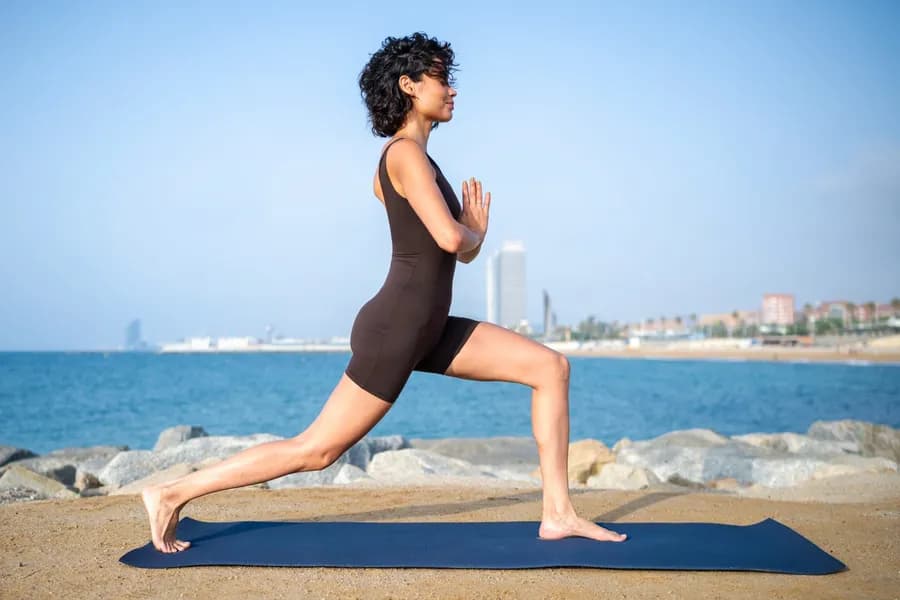
How to Strengthen Hamstrings: Exercises, Tips, and a Plan That Works
The hamstrings power walking, running, squatting, and protect your knees — training them two to three times a week with hip-dominant and knee-flexion moves builds real strength. See the full plan.
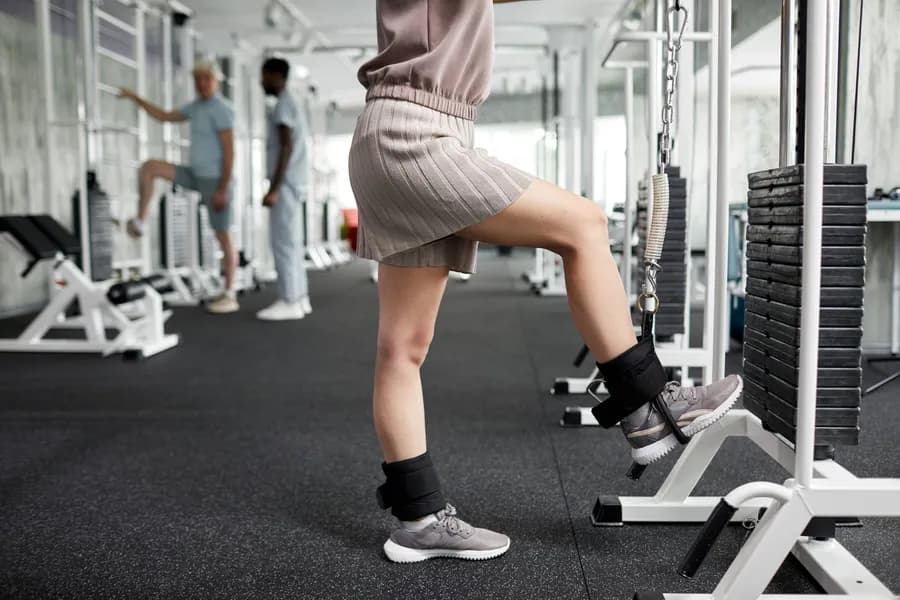
How to Strengthen Calf Muscles: Exercises, Tips & a Plan That Works
The calves power walking, running, and balance, yet they're among the most neglected muscle groups in most routines. See the best exercises to close that gap.
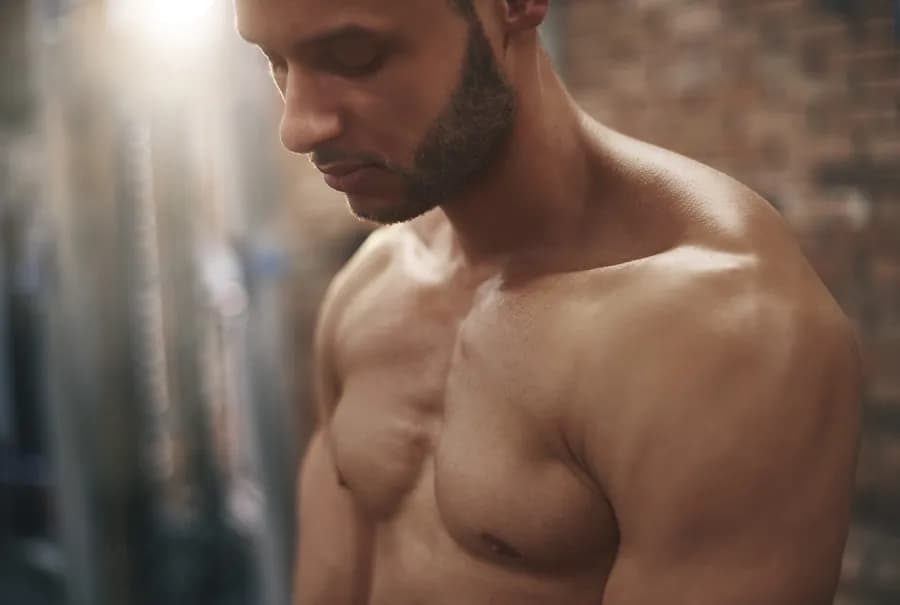
How to Strengthen Chest Muscles: Exercises, Tips & a Plan That Works
A stronger chest builds pushing power, supports shoulder stability, and helps correct the rounded-shoulder posture desk work causes. See every practical step, no equipment needed.
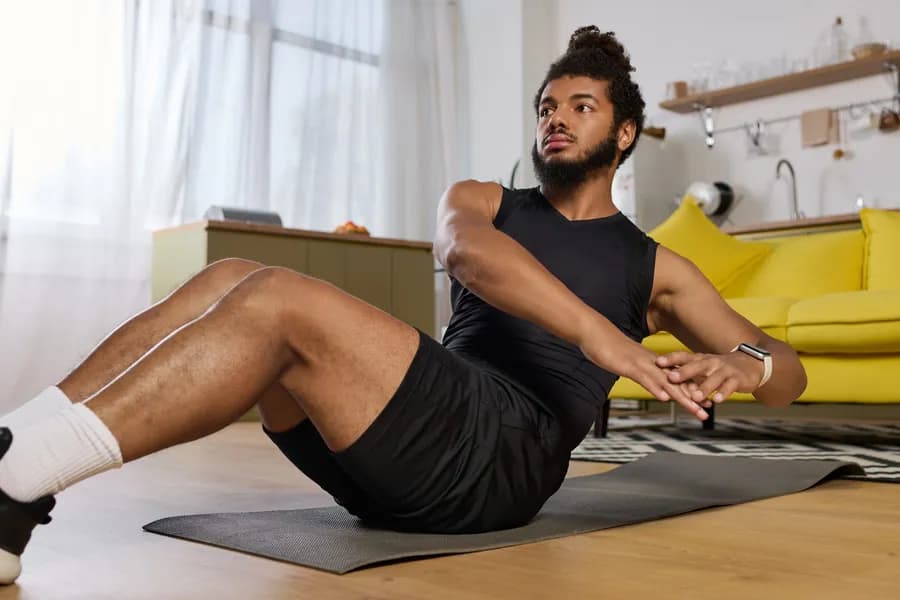
How to Strengthen Abdominal Muscles: Exercises, Tips & a Plan That Works
Training the rectus abdominis, transverse abdominis, and obliques three to four times a week with planks, dead bugs, and hollow holds shows measurable stability gains within four to six weeks. See the full plan.
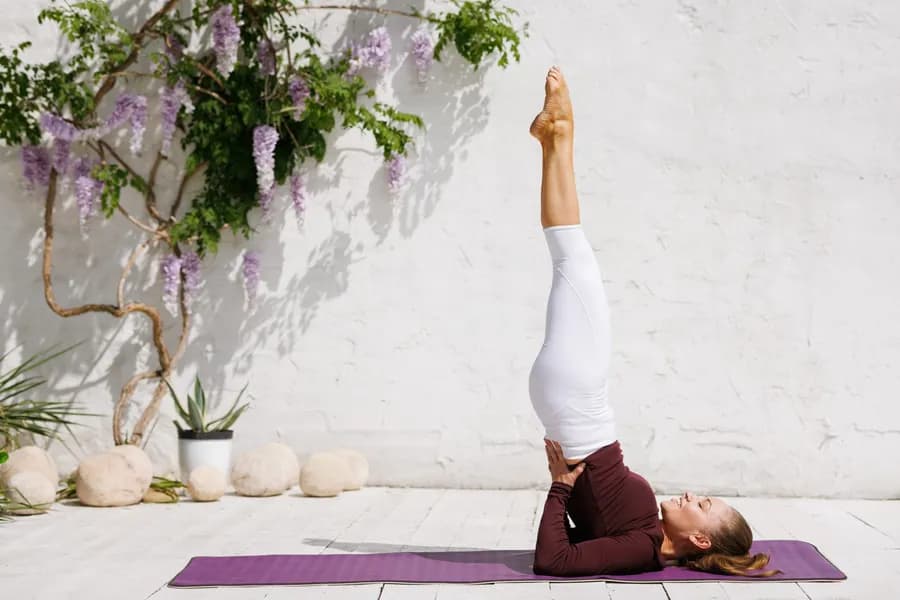
How to Strengthen Shoulder Muscles: Exercises, Tips, and a Plan That Works
Pike push-ups, resistance band face pulls, and overhead presses, done 2-3 times a week, target the deltoids and rotator cuff with consistent form and progressive overload. See the full plan.
10 Benefits of Squats for Men
Squats build lean muscle across the entire lower body, support natural testosterone production, and strengthen the core — no equipment required. See all 10 benefits.