
Inchworm Exercise Benefits: Why This Move Belongs in Every Routine
This bodyweight movement works your core, hamstrings, shoulders, and chest simultaneously, with zero equipment needed. See why it earns a place at the start of almost any session.
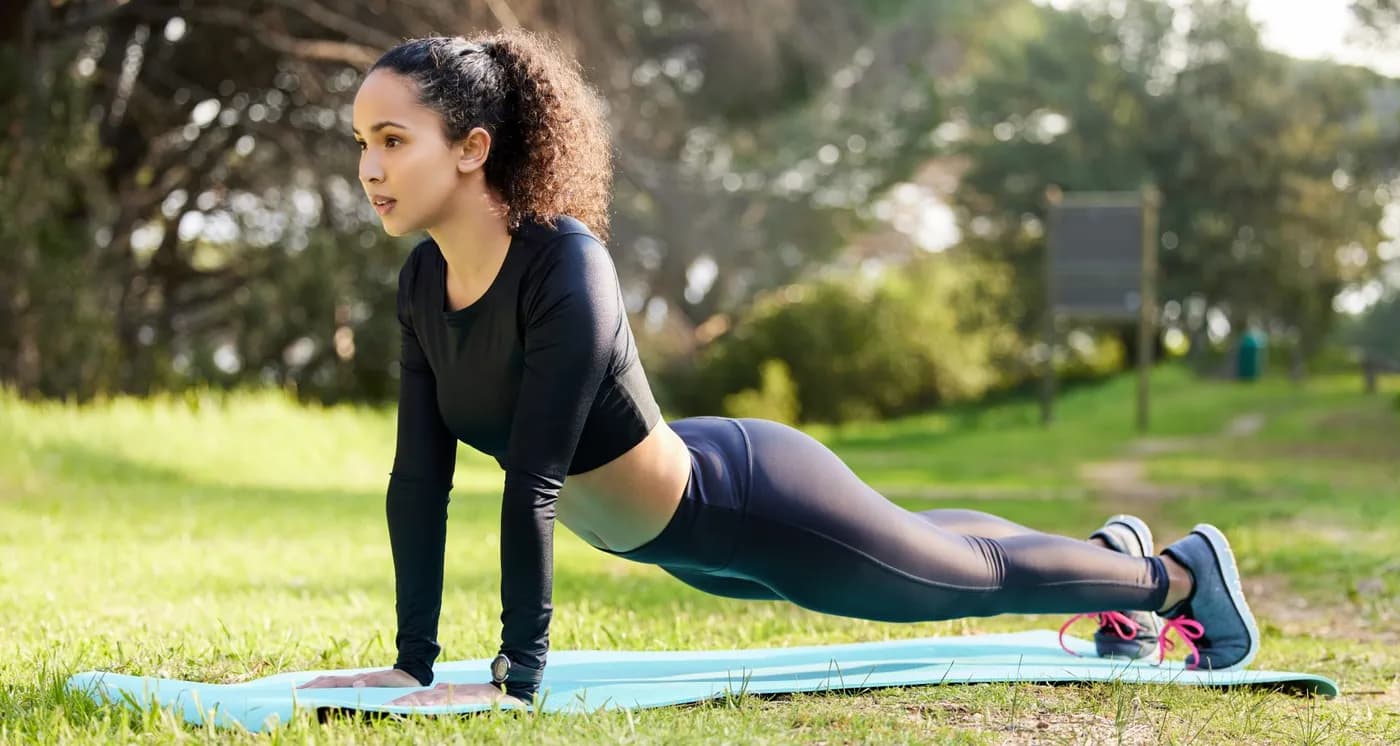
Key Takeaways
- Works core, hamstrings, shoulders, and chest simultaneously in one movement
- Forward fold creates a deep dynamic stretch through hamstrings and calves
- Raises heart rate and body temperature faster than a slow jog
- Builds hip mobility through the hip hinge at each rep
- Needs nothing but floor space, accessible anywhere
The inchworm exercise benefits go far beyond a simple warm-up. This bodyweight movement works your core, hamstrings, shoulders, and chest simultaneously — making it one of the most efficient exercises you can do with zero equipment. Whether you’re a beginner or building a structured strength routine, the inchworm earns its place at the start of almost any session.
Most people underestimate this deceptively simple move. It stretches what’s tight, strengthens what’s weak, and costs nothing to perform. The challenge isn’t learning it — it’s staying consistent with it long enough to feel the compounding effect.
10 Benefits of the Inchworm Exercise
- Builds Full-Body Strength The inchworm activates multiple muscle groups in a single continuous movement. Your shoulders, chest, triceps, core, and hamstrings all work together — giving you a compound strength stimulus without lifting a single weight.
- Improves Hamstring Flexibility The forward fold at the start of each rep creates a deep, dynamic stretch through the hamstrings and calves. Done regularly, this gradually improves flexibility in the posterior chain — an area most people neglect entirely.
- Activates the Core Deeply As you walk your hands out to a plank and back, your core has to stabilise the spine continuously. This anti-extension demand builds functional core strength that carries over directly to other lifts and daily movement. Pairing inchworms with dedicated core strength training accelerates results noticeably.
- Enhances Shoulder Stability Holding and transitioning through the high-plank position challenges the rotator cuff and scapular stabilisers. Over time, this builds the kind of shoulder endurance that protects joints during heavier pressing movements.
- Raises Body Temperature as a Warm-Up Because the inchworm recruits so many muscle groups at once, it elevates heart rate and body temperature quickly — far more effectively than a slow jog on the spot. This makes it an ideal primer before strength or yoga sessions.
- Improves Posture The movement pattern — hinge, plank, push — actively counters the hunched posture that comes from sitting at a desk all day. It lengthens the spine, opens the chest, and reinforces neutral alignment that carries into everyday life.
- Develops Hip Mobility The hip hinge at the beginning of each rep demands good mobility through the hips and lower back. Practising this pattern repeatedly creates lasting improvements in how freely you can move — particularly important as you age.
- Requires No Equipment You need nothing but floor space. This makes the inchworm one of the most accessible strength and mobility exercises available — perfect for home workouts, hotel rooms, or early mornings before a full session.
- Supports Fat Loss Through Metabolic Demand The full-body nature of the inchworm means your body burns more energy per rep than isolation exercises. Incorporated into circuits, it contributes to the metabolic demand that supports gradual fat loss over consistent training.
- Bridges Flexibility and Strength Training Most exercises either stretch you or strengthen you. The inchworm does both at the same time — making it a rare movement that sits at the intersection of yoga-inspired flexibility work and functional strength training.
How to Get Started with the Inchworm Exercise
What You Need to Begin
All you need is a clear stretch of floor about two metres long. No mat is required, though one helps with grip. There are no weights, machines, or gym memberships involved — just your bodyweight and willingness to move.
Setting Realistic Goals
If you’re new to exercise, start with three to five inchworms at the beginning of each session. Focus on control rather than speed. The goal in the first two weeks is to feel the movement properly — not to rush through reps. Progress comes from consistency, not intensity. Trying to do too much too soon is the fastest route to skipping days.
Start with the Basics
Stand with feet hip-width apart. Hinge at the hips and place both hands on the floor. Walk your hands forward until you reach a high-plank position, keeping your hips level. Pause for one breath. Walk your hands back toward your feet, then stand tall. That is one rep. Begin with 3 sets of 5 reps and increase gradually once form feels natural and controlled.
Best Exercises to Pair with the Inchworm
The inchworm works best as part of a structured movement routine. These exercises complement it well — together, they cover the full body without any equipment.

Squats
The squat is the foundational lower-body strength movement. Paired with inchworms, squats complete the lower-body mobility work the inchworm begins. Aim for 3 sets of 12 reps, keeping your chest tall and knees tracking over your toes.
Push-Ups
The inchworm ends in a plank — a perfect transition into push-ups. This combination keeps your chest and triceps under tension without interrupting the flow of your session. Try 3 sets of 8 to 15 reps depending on your level.
Lunges
Lunges target the glutes and quads while also demanding balance — a skill the inchworm begins to develop. Perform 10 reps per leg for 3 sets. Reverse lunges are easier on the knees for beginners. Exploring structured strength training exercises can help you build a balanced routine around movements like these.
Plank Hold
If the inchworm activates your core, a plank hold deepens the stimulus. Hold for 20 to 45 seconds, focusing on a straight line from head to heel. Rest 30 seconds between sets and repeat three times.
Glute Bridges
Glute bridges activate the posterior chain that the inchworm stretches. Lying on your back with knees bent, drive your hips toward the ceiling and squeeze at the top. 3 sets of 15 reps is a solid starting point. For more targeted lower-body strength work, dedicated glute strength exercises extend this further.
Mountain Climbers
Mountain climbers build on the plank position you already move through during inchworms. Alternate driving each knee toward your chest at a controlled pace — 20 reps total per set, three sets. They add a cardiovascular element without leaving the floor.
Dead Bug
The dead bug exercise challenges core stability in a supine position — the opposite plane to the inchworm. It trains the deep abdominal muscles to resist extension while the limbs move, making it an excellent complement. Perform 3 sets of 10 controlled reps.
Common Mistakes to Avoid
- Poor Form at the Hinge Many people bend their knees heavily to reach the floor rather than hinging properly at the hips. This defeats the hamstring-stretching benefit entirely. Keep your legs as straight as your flexibility allows — the priority is a hip hinge, not a squat.
- Skipping the Warm-Up Jumping into fast, aggressive reps on cold muscles increases injury risk even with the inchworm itself. Start with slow, deliberate repetitions for the first set before increasing your pace.
- Letting the Hips Sag in Plank When you walk your hands out, the hips often drop or pike rather than staying level. A sagging lower back places strain on the lumbar spine. Keep your core braced and maintain a straight line from shoulders to heels throughout the transition.
- Inconsistency The inchworm’s benefits accumulate over weeks and months of consistent practice — not from doing it once or twice. Schedule it into your warm-up three to five times per week and treat it as non-negotiable, not optional. A structured program with daily accountability makes a meaningful difference here.
Who Should Try the Inchworm Exercise?
- Beginners The inchworm requires no prior fitness experience, no equipment, and no technical skill. The movement is intuitive and self-limiting — you naturally slow down if your flexibility or strength needs more time to develop. It is one of the best starting points for anyone returning to exercise after a long break.
- Women There is a persistent myth that bodyweight strength exercises are “not enough” for women. The inchworm proves otherwise — it challenges the entire body, improves posture, and supports functional strength that makes daily life easier. It will not cause bulk. It builds resilience. Women looking for a structured approach can explore female-focused strength training programs that incorporate exactly this kind of movement.
- Older Adults The inchworm improves hip mobility, hamstring flexibility, and shoulder stability — three areas that decline significantly with age. It can be performed at a slow, controlled pace that suits any fitness level. Those with existing joint concerns should check with a healthcare provider before starting. The movement supports — but does not replace — medical advice.
- Working Professionals For someone sitting at a desk for eight or more hours a day, the inchworm directly counters the postural damage that accumulates over a working week. It takes less than five minutes, requires no equipment, and can be done in any room. It is one of the most time-efficient movements available for a busy schedule.
Build Strength with a Routine That Actually Works
Building strength is not about doing random workouts — it is about consistency, guidance, and following a structured plan. A movement like the inchworm works because it is part of a coherent daily practice, not because it is performed once and forgotten. With the right support, you can train effectively from home and feel real progress over time.
What You Get with Habuild’s Strong Everyday Program:
- Daily live guided strength sessions — not pre-recorded videos
- Beginner-to-advanced progression so you never plateau
- No-equipment, home-friendly workouts for every level
- Expert guidance to ensure correct form on every movement
- A community that keeps you accountable when motivation dips
If you have been wanting to build a consistent strength practice at home, Habuild’s structured strength training program gives you the daily structure that makes it actually happen.
Start Your Strength Training Journey
Related reads: What Is the Best Exercise Routine? A Complete Guide · क्या Exercise Daily करना चाहिए? जानें सही जवाब
A single move like the inchworm is genuinely efficient, but its real value shows up when it’s placed inside a structured routine rather than done as a standalone stretch. Pairing it with complementary strength and mobility work, on a consistent schedule, is what turns one good exercise into real progress. Strong Everyday builds moves like this into a complete, guided training plan so nothing you do stays a one-off.
Frequently Asked Questions
Related Articles
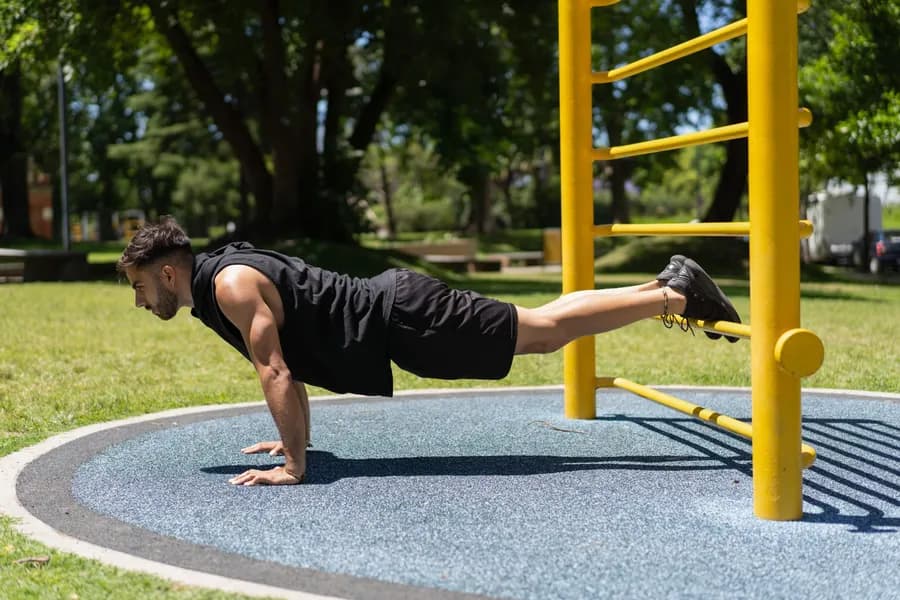
Beginner Bodyweight Workout: The Complete No-Equipment Guide
Squats, push-ups, lunges, planks, and bridges, performed in a structured sequence, build strength and movement quality from the ground up — no gym required. See the complete no-equipment guide.
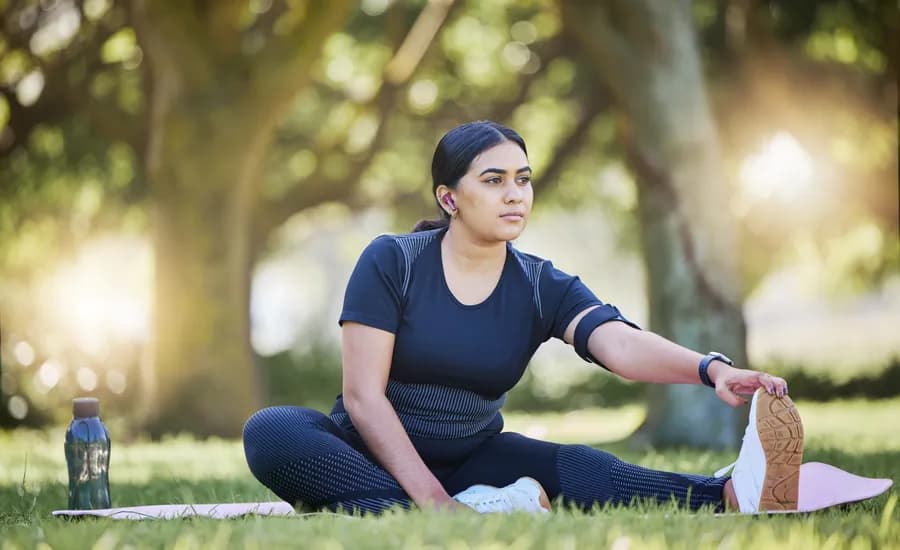
10 Best Beginner Mobility Exercises to Build Flexibility and Move Better
Low-intensity, controlled movements improve your joints' active range of motion, reducing daily stiffness with results noticeable within two to four weeks. See all 10 exercises.

Beginner Flexibility Workout: Exercises, Routine & Tips
A structured routine of gentle stretching and mobility exercises, using 20-45 second holds with controlled breathing, shows meaningful improvement within four to six weeks. See the full routine.
How to Strengthen Hamstrings: Exercises, Tips, and a Plan That Works
The hamstrings power walking, running, squatting, and protect your knees — training them two to three times a week with hip-dominant and knee-flexion moves builds real strength. See the full plan.
How to Strengthen Shoulder Muscles: Exercises, Tips, and a Plan That Works
Pike push-ups, resistance band face pulls, and overhead presses, done 2-3 times a week, target the deltoids and rotator cuff with consistent form and progressive overload. See the full plan.
How to Strengthen Abdominal Muscles: Exercises, Tips & a Plan That Works
Training the rectus abdominis, transverse abdominis, and obliques three to four times a week with planks, dead bugs, and hollow holds shows measurable stability gains within four to six weeks. See the full plan.