
Inner Thigh Workout at Home: 10 Best Exercises to Tone and Strengthen
An inner thigh workout strengthens the adductors and improves hip stability using bodyweight moves alone, right from your living room floor. See 10 best exercises.
Key Takeaways
- Adductor muscles run along the inner thigh and directly support hip and knee alignment.
- Weak inner thighs can place excess load on the knees and hips during daily movement.
- A rolled towel or small pillow can substitute for a Pilates ball in squeeze exercises.
- Visible and functional changes typically appear after four to six weeks, not days.
- Athletes with lagging inner thigh strength are more prone to groin strains.
An effective inner thigh workout at home does not require a gym, cable machine, or any fancy equipment. With the right bodyweight moves and a consistent schedule, you can strengthen your adductors, improve hip stability, and feel more capable in everyday movement — all from your living room floor.
This guide covers benefits, beginner-friendly exercises, common mistakes, and who stands to gain the most from adding inner thigh training to their routine.
7 Key Benefits of Inner Thigh Training
- Improved Hip and Knee Stability The adductor muscles run along the inside of your thigh and directly support hip and knee alignment. Strengthening them helps your joints track more efficiently during walking, climbing stairs, and squatting.
- Better Functional Strength Inner thigh strength translates directly into real-life movement — side-stepping, changing direction quickly, and maintaining balance on uneven surfaces all depend on a healthy adductor group.
- Reduced Knee and Hip Discomfort Weak inner thighs can place excess load on the knees and hips. Consistent inner thigh exercises at home may gradually ease the strain felt during daily activities when practiced as part of a balanced routine.
- Supports Lower Body Fat Management Resistance-based leg training increases overall muscle engagement in the lower body, which supports a higher metabolic rate and complements a healthy approach to managing thigh fat through strength training.
- Improved Posture and Pelvic Alignment The adductors play a subtle but important role in pelvic tilt. Strengthening them as part of a balanced hip-and-core routine can support better posture over time.
- Injury Prevention Athletes and recreational exercisers alike are more prone to groin strains when inner thigh strength lags behind outer hip and glute strength. Targeted training closes that gap.
- No Equipment Needed Most effective inner thigh exercises at home rely entirely on bodyweight, making them accessible at any time without the cost or space of a dedicated inner thigh workout machine for home use.
How to Get Started with Inner Thigh Training at Home
What You Need to Begin
Almost nothing — a yoga mat or carpeted surface is ideal. A small pillow or rolled towel can substitute for a Pilates ball in squeeze-based exercises. Resistance bands are a useful upgrade once bodyweight feels easy, but they are entirely optional to start.
Setting Realistic Goals
Inner thigh muscles respond well to consistent volume rather than sporadic intense effort. Aim for two to three sessions per week with at least one rest day between sessions. Visible and functional changes typically become noticeable after four to six weeks of regular practice — not days.
Avoid the trap of daily high-rep sessions in the first week. The adductors need recovery time just like any other muscle group.
Start with the Basics
Begin with low-impact, controlled movements: sumo squats, lying adductor raises, and standing side lunges are ideal entry points. Focus on holding the squeeze at the end range of each movement rather than rushing through repetitions.
If you are newer to structured training, explore strength training for beginners before layering in isolated adductor work.
Best Inner Thigh Exercises at Home
Sumo Squat
Stand with feet wider than shoulder-width, toes pointed out at 45 degrees. Lower your hips straight down until thighs are parallel to the floor, then drive back up through your heels. The wide stance forces your adductors to engage throughout the movement. 3 sets of 12–15 reps.
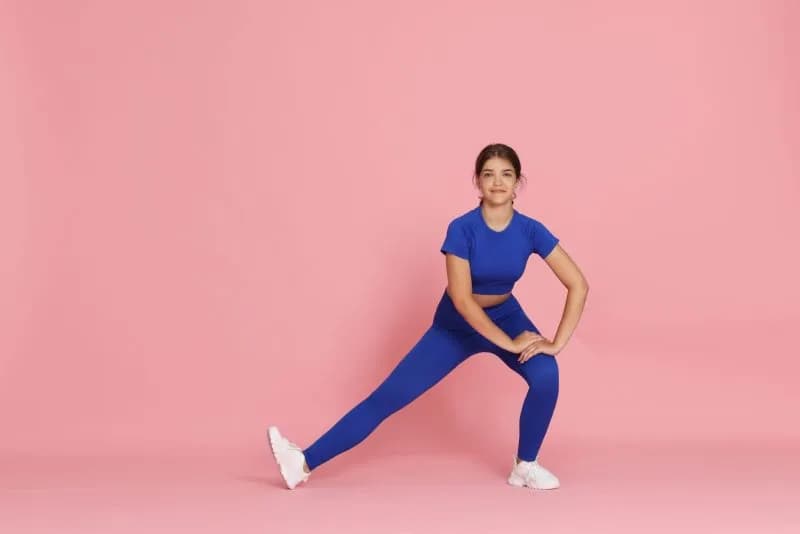
Lateral Lunge (Side Lunge)
From a standing position, step wide to one side and bend the stepping knee while keeping the opposite leg straight. Push your hips back as you lower. The straight leg gets a deep inner thigh stretch while the bending leg builds strength. 3 sets of 10 reps per side.
Lying Inner Thigh Raise
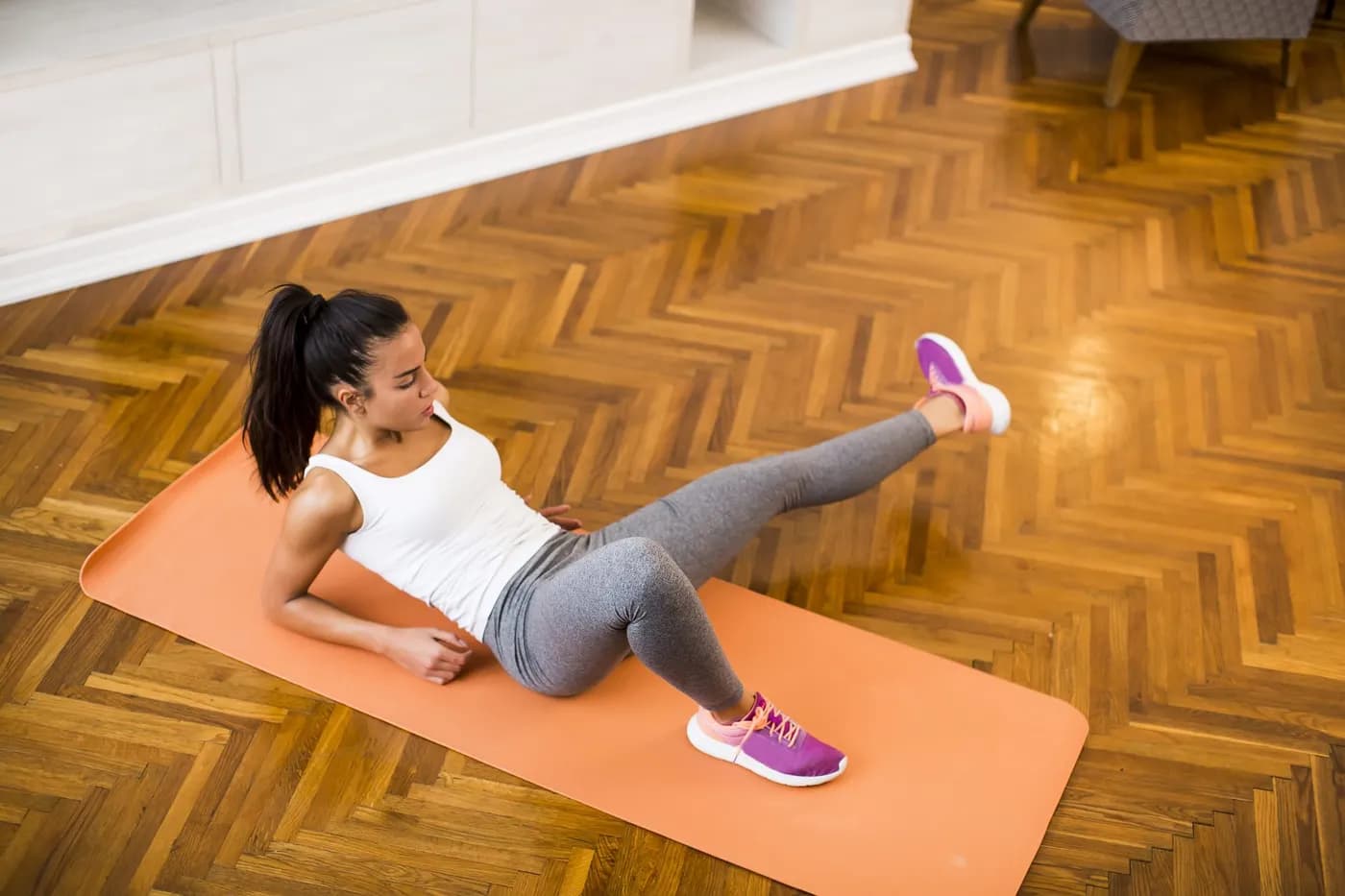
Lie on your side with your top leg crossed in front and foot flat on the floor. Slowly raise your bottom leg 30–40 cm off the ground, pause at the top, then lower with control. This isolates the adductor longus directly. 3 sets of 15 reps per side.
Curtsy Lunge
Step one foot diagonally behind and across your body as if curtsying, then lower your back knee toward the floor. The diagonal pattern activates your inner thigh along with your glutes. 3 sets of 10 reps per side.
Standing Hip Adduction
Stand next to a wall for balance. Slowly sweep your inner leg across your body against resistance — a resistance band looped around your ankle adds useful load. Without a band, the isometric squeeze at end range still builds strength. 3 sets of 12 reps per side.
Pilates Ball (or Pillow) Squeeze
Lie on your back with knees bent and feet flat. Place a small pillow or rolled towel between your knees. Squeeze inward and hold for 3 seconds, then release. This low-impact movement suits recovery days and early rehab contexts well. 3 sets of 15 squeezes.
Plie Squat Pulse
Take a wide sumo stance and lower into a plie squat. Instead of returning fully upright, hold at the bottom and pulse 2–3 inches up and down for 20 counts. The sustained tension builds adductor endurance without heavy loading. 3 sets of 20 pulses.
Common Mistakes to Avoid
- Poor Form on Wide-Stance Movements In sumo squats and plie variations, many beginners allow their knees to cave inward as they fatigue. This reduces adductor engagement and increases knee stress. Keep your knees tracking over your second toe throughout every rep.
- Skipping the Warm-Up The inner thigh muscles are particularly susceptible to strain when cold. Spend five minutes on light hip circles, leg swings, and walking lunges before starting your session. A proper warm-up also improves range of motion so each exercise is more effective.
- Overtraining the Isolation Movements Daily adductor raises or non-stop squeeze sets will not speed up results — they will slow them down. Adductors need 48 hours to recover adequately. Treat them with the same rest logic you would apply to any muscle group.
- Inconsistency Doing five sessions one week and none the next produces almost no lasting adaptation. Two reliable sessions per week, done every week, outperforms any sporadic burst of effort. The consistency gap is what separates people who see results from those who do not.
Who Should Try an Inner Thigh Workout at Home?
- Beginners Inner thigh training at home is one of the most accessible starting points in strength work. The movements are low-impact, require no equipment, and can be scaled by adjusting range of motion. Begin with two sets of each exercise and build from there.
- Women Women often cite inner thigh tone as a primary fitness goal. Adductor training builds functional strength and muscle definition — not bulk. Explore a broader approach through strength training for women.
- Older Adults Hip and inner thigh strength are directly linked to fall prevention and safe single-leg balance. Gentle lying raises and seated squeeze exercises are appropriate entry points. Always consult a healthcare provider before starting any new exercise program if you have existing joint conditions.
- Working Professionals Prolonged sitting tightens the hip flexors and often leads to underactive adductors. A 15-minute inner thigh routine three times per week can counter the postural effects of desk work and support lower-back and hip health over time.
Build Strength with a Routine That Actually Works
Building stronger inner thighs is not about doing random exercises every day — it is about following a structured plan with expert guidance, appropriate progression, and the consistency that makes real adaptation possible.
For those who want a broader lower-body program to complement their inner thigh training, Habuild covers strength training for legs — from quads and hamstrings to glutes and adductors — in one integrated approach.
What You Get with Habuild’s Strong Everyday Program:
- Daily live guided strength sessions with expert instruction
- Beginner-to-advanced progression built into every week
- No-equipment and home-friendly workouts throughout
- Correct form guidance to protect your joints
- Community support to keep you consistent
Start Your Inner Thigh Strength Journey
Related reads: Quad Workout at Home: Best Exercises, Benefits & Beginner Guide · Hamstring Workout at Home: Exercises, Benefits & Beginner Guide
Strengthening the adductors and improving hip stability takes a consistent schedule of bodyweight moves, not an occasional workout whenever it’s convenient. Building that consistency alone, without any structure to lean on, is where most people lose momentum. Strong Everyday offers a guided program that keeps inner-thigh and full lower-body training moving forward week after week.
Frequently Asked Questions
Related Articles
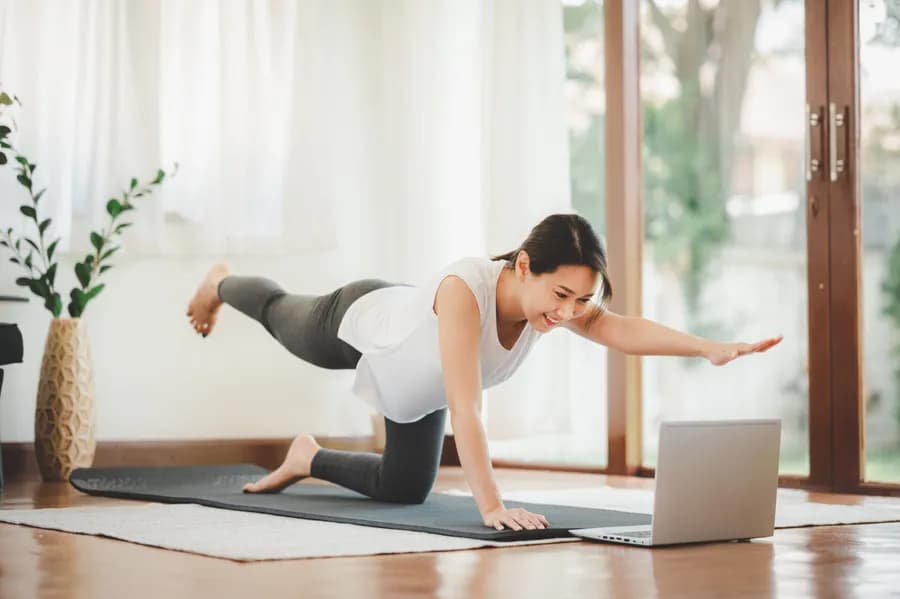
Quad Workout at Home: Best Exercises, Benefits & Beginner Guide
A quad workout at home uses squats, lunges, wall sits, and split squats to target the four muscles along the front of your thigh — no gym needed. See the best exercises and how often to train.
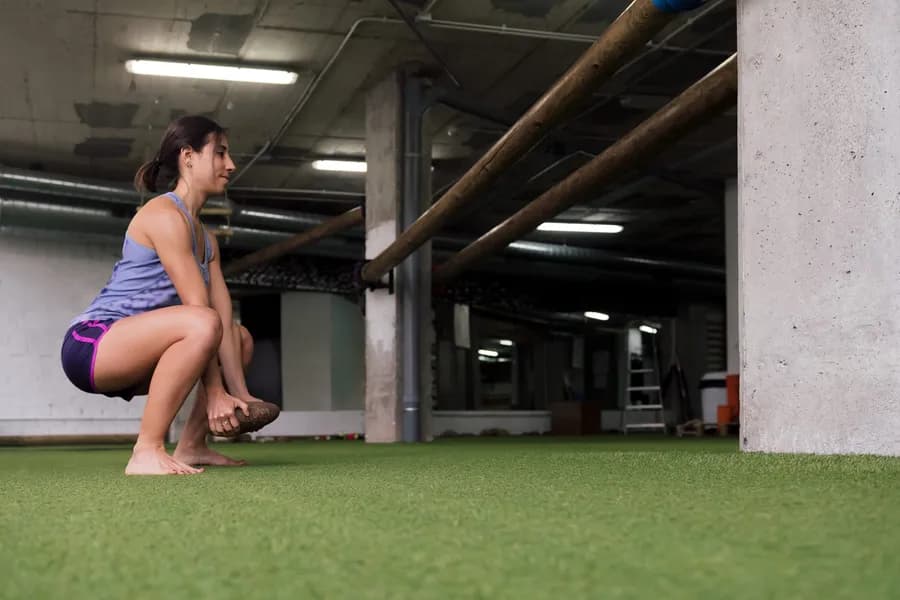
Bulgarian Split Squat Benefits: Build Stronger Legs and Better Balance
The Bulgarian split squat is a single-leg exercise that builds quad and glute strength, corrects imbalances between legs, and improves balance — without heavy barbell loads. See why it's one of the most effective unilateral leg moves.
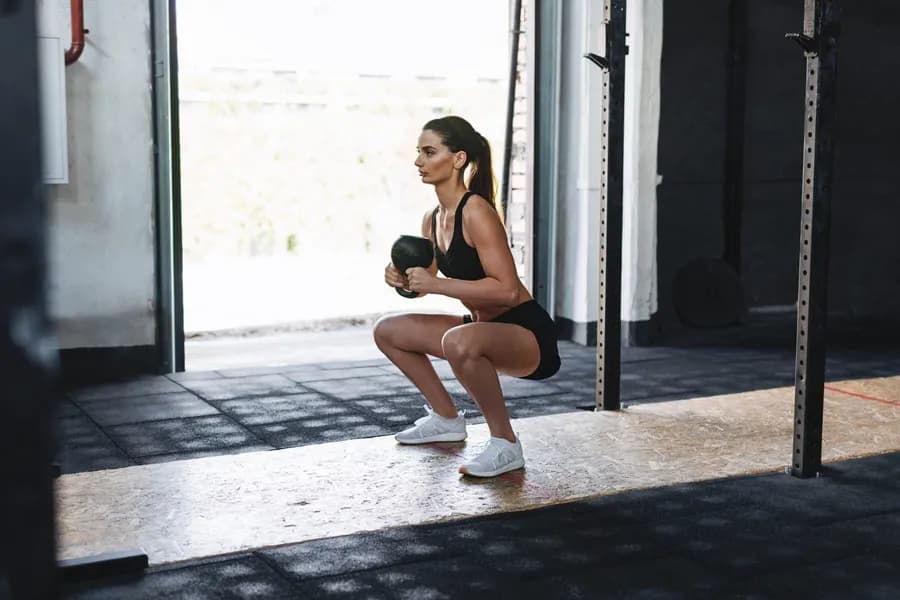
10 Goblet Squat Benefits That Make It One of the Best Strength Moves
The goblet squat is a front-loaded squat, held at chest height, that improves mechanics, deepens quad and glute activation, and builds core strength — no barbell needed. See all 10 benefits.
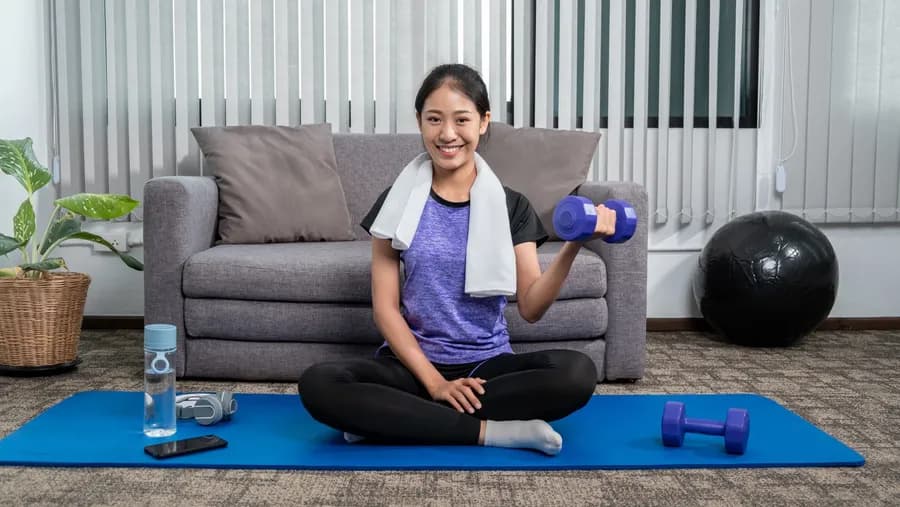
Strength Training Exercises for Women: The Complete Beginner’s Guide
Strength training builds lean muscle, improves metabolism, and supports bone health — consistency, not intensity, is the variable that actually matters. See 10 benefits and how to start.