
Jump Squats Benefits: Why This One Move Deserves a Place in Every Workout
Jump squats combine a traditional squat with an explosive leap, training lower-body strength, cardio fitness, and coordination in one no-equipment move. See why it earns a spot in every workout.
Key Takeaways
- Combines a squat with an explosive vertical leap, training strength and cardio together.
- Trains fast-twitch muscle fibres responsible for quick, powerful movements.
- Impact-based landing places positive stress on bones, supporting bone density.
- Contributes to excess post-exercise oxygen consumption, extending calorie burn after.
- Needs zero equipment – just enough floor space to land safely.
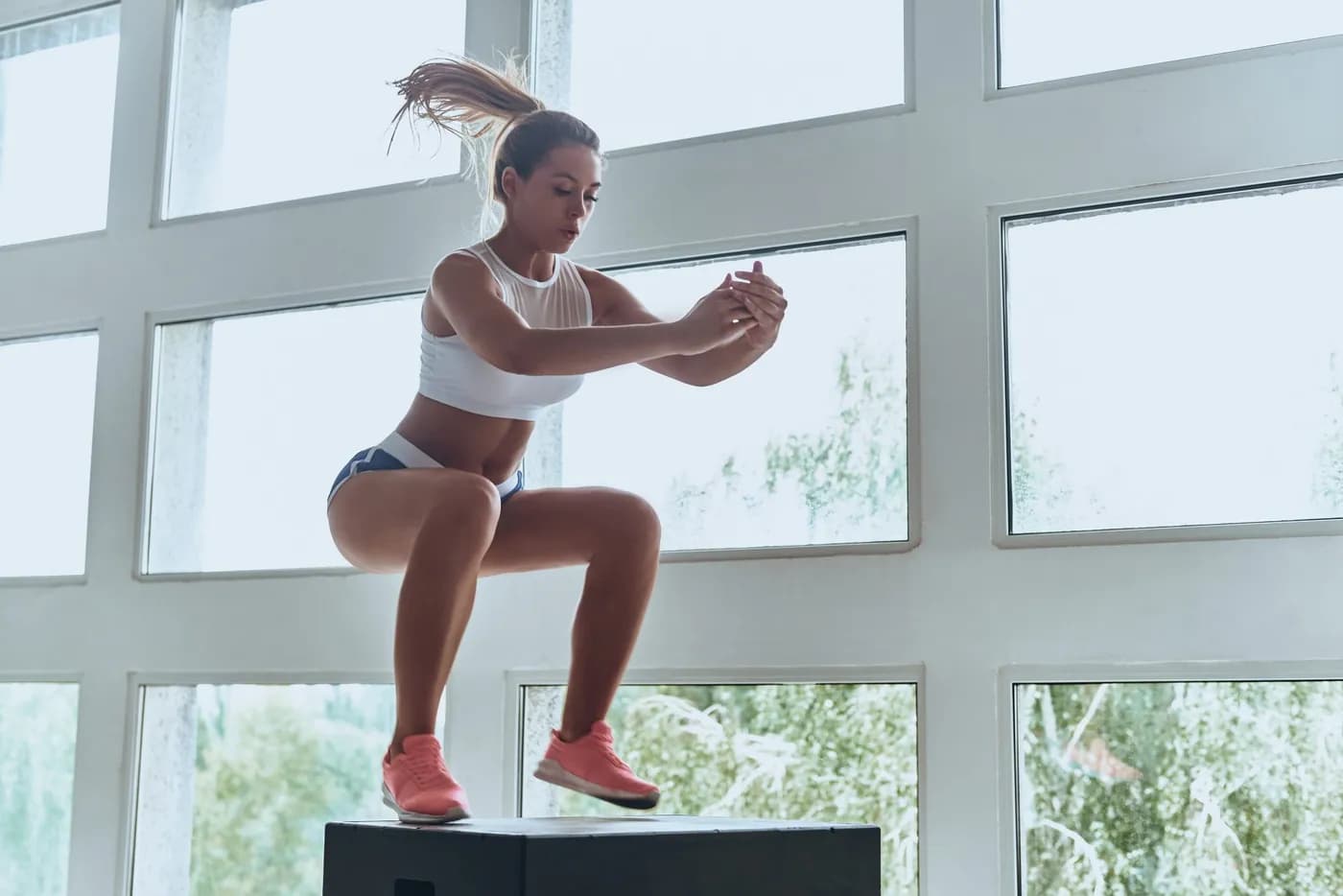
Jump squats combine the mechanics of a traditional squat with an explosive vertical leap, training lower-body strength, cardiovascular fitness, and coordination in a single no-equipment movement. Regular practice builds fast-twitch muscle power, supports fat loss, and improves bone density — making jump squats one of the most efficient bodyweight exercises available.
If you’re looking for a single exercise that builds lower-body strength, spikes your heart rate, and challenges your coordination all at once, jump squats make a clear case for themselves. Whether you’re a beginner building a fitness base or someone looking to add intensity to an existing routine, understanding jump squats benefits in depth will help you use the movement more effectively.
10 Key Benefits of Jump Squats
- Builds Explosive Lower-Body Power Jump squats train your fast-twitch muscle fibres — the ones responsible for quick, powerful movements. Consistently training these fibres improves your ability to sprint, jump, and change direction in daily life and sport.
- Boosts Cardiovascular Endurance Because jump squats elevate your heart rate rapidly, they provide a cardiovascular workout without the need for a treadmill. Just a few sets can meaningfully challenge your aerobic capacity.
- Accelerates Calorie Burn The explosive nature of this movement demands more energy per repetition than a standard squat, making jump squats an efficient tool when your goal is to manage body composition through consistent training.
- Strengthens Glutes, Quads, and Hamstrings Every phase of a jump squat — the descent, the drive, the landing — actively loads your major leg muscles. Over time, this leads to noticeable improvements in leg strength and definition.
- Improves Bone Density Impact-based movements like jump squats place positive stress on bones, which signals the body to maintain and gradually improve bone mineral density — particularly relevant for long-term health as we age.
- Enhances Balance and Coordination Landing from a jump requires your body to stabilise quickly. Practising this repeatedly trains your neuromuscular system, improving balance and coordination over time.
- Supports Fat Loss Goals High-intensity movements like jump squats contribute to excess post-exercise oxygen consumption, meaning your body continues to use energy at an elevated rate after the session ends. This supports fat loss efforts when combined with a structured training approach.
- Requires Zero Equipment All you need is enough floor space to land safely. Jump squats travel well — you can do them in your living room, on a terrace, or anywhere else with a bit of clearance.
- Activates Core Muscles Your core engages on every jump to stabilise your trunk during takeoff and landing. Over time, this builds functional core strength that carries over into other exercises and daily movement.
- Builds Mental Toughness Through Consistency Jump squats are genuinely challenging. Showing up for them day after day builds the discipline and mental resilience that underpins all long-term fitness progress. For more stamina-building approaches that complement this mindset, yoga for stamina offers a useful parallel practice.
How to Get Started with Jump Squats
What You Need to Begin
No equipment is required. A non-slip surface is helpful — a yoga mat, rubber floor, or firm grass all work well. Wear supportive footwear to protect your knees and ankles on landing, especially if you’re new to plyometric movement.
Setting Realistic Goals
Start with 8 to 10 repetitions at a time and focus on landing softly with control rather than jumping as high as possible. Quality of movement matters far more than volume in the early stages. Two to three times a week with rest days in between is a sensible starting point — avoid training to exhaustion every session.
Start with the Basics
Before attempting jump squats, spend a few sessions mastering the regular bodyweight squat. Once your form is solid — chest up, knees tracking over toes, weight through your heels — adding the explosive element becomes a natural progression. A structured daily practice, like the kind available through best exercises for strength at home, helps you build this foundation safely.
Best Exercises to Pair with Jump Squats
Reverse Lunges
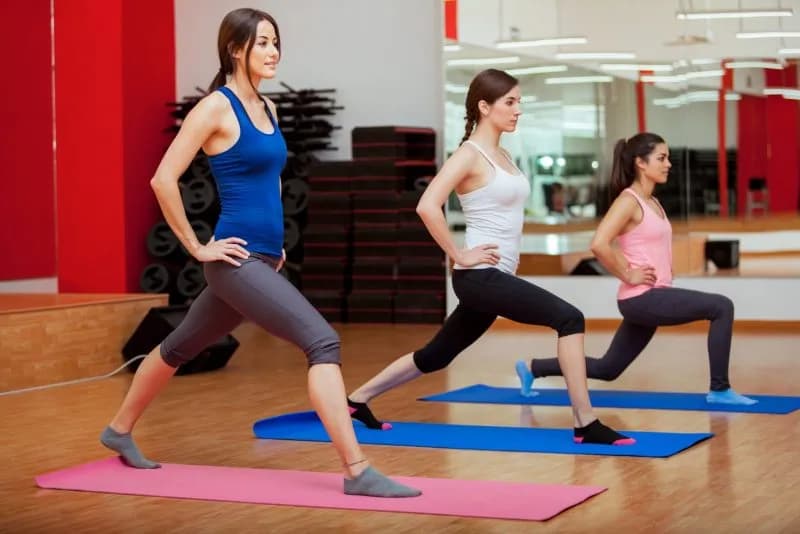
Reverse lunges complement jump squats by targeting the glutes and hamstrings through a controlled, single-leg movement. They also reinforce the balance and hip stability you need for safe jump landings. Perform 3 sets of 10–12 reps per side.
Glute Bridges
Glute bridges activate the posterior chain without the joint stress of a jump, making them ideal as a warm-up or cool-down pairing. Hold the top position for two seconds on each rep to maximise glute engagement. Aim for 3 sets of 15.
Push-Ups
Adding push-ups creates a balanced upper-lower body circuit. Alternate a set of jump squats with a set of push-ups for an efficient full-body session that challenges both strength and endurance. 3 sets of 10–15 works well for most beginners.
Plank Hold
A steady plank reinforces the core stability that jump squats demand. Hold for 30–60 seconds. A structured core plank routine offers a clear progression path from basic holds to more challenging variations.
Mountain Climbers
Mountain climbers keep the heart rate elevated while targeting the core and hip flexors. They pair naturally with jump squats in a circuit format. Perform 20–30 reps between squat sets.
Squat Hold (Isometric)
Holding a deep squat position for 20–30 seconds builds the muscular endurance and mobility that makes jump squats safer and more effective. Include this at the end of your session as both a strength finisher and a cool-down transition.
Walking Lunges
Walking lunges develop unilateral leg strength and hip mobility. They serve as an excellent cooldown movement after jump squats, allowing you to lower intensity gradually while maintaining active muscle engagement.
Common Mistakes to Avoid
- Poor Form on Landing Landing with straight, locked knees is the most common and most damaging mistake in jump squats. Always aim to land softly with a slight bend in the knees, absorbing the impact through your muscles rather than your joints. Think of landing as the beginning of your next squat, not the end of the movement.
- Skipping the Warm-Up Jump squats are high-intensity and joint-demanding. Going straight into them cold dramatically increases injury risk. Spend at least five minutes on dynamic movements — leg swings, hip circles, bodyweight squats — before your first explosive rep.
- Overtraining Because jump squats are tiring, it’s tempting to measure progress by doing more sets each session. Muscles and connective tissue need recovery time to adapt. If your landings are getting sloppy or your joints feel sore, that’s a clear signal to rest.
- Inconsistency The real benefits of jump squats accumulate over weeks and months. Sporadic intense workouts followed by long gaps produce far less progress than shorter, manageable sessions done consistently. Building the habit is the actual work — the exercises are just the vehicle.
Who Should Try Jump Squats?
- Beginners Jump squats are accessible to beginners who have first mastered the bodyweight squat. Starting with 2 sets of 8 reps and building gradually is a perfectly valid approach. Guided sessions help you get the form right from the start.
- Women A common concern among women is that explosive training will cause bulk. Jump squats primarily build functional power, endurance, and lean muscle tone — not mass. For women looking at comprehensive strength work, strength training for women offers structured guidance designed for their specific goals.
- Older Adults For adults over 50, jump squats can be adapted or replaced with low-impact alternatives like step-ups or assisted squats if joint health is a concern. When cleared by a doctor or physiotherapist, gentle plyometrics support bone density and maintain the fast-twitch muscle fibres that typically decline with age. Always consult your healthcare provider before beginning impact-based training if you have existing joint conditions.
- Working Professionals A round of jump squats takes under five minutes and can be done anywhere. For people with desk jobs and limited time, they offer a quick way to counteract prolonged sitting, elevate energy levels mid-afternoon, and maintain lower-body strength without needing to visit a gym.
Build Strength with a Routine That Actually Works
Building strength and fitness isn’t about pushing yourself into exhaustion once a week — it’s about consistent, well-structured practice over time. With the right guidance, you can make jump squats and complementary exercises a sustainable daily habit, and start seeing real progress within weeks.
What You Get with Habuild’s Strong Everyday Programme:
- Daily live guided strength and yoga sessions
- Beginner to advanced progression built into the structure
- No-equipment, home-friendly workouts
- Expert guidance to ensure correct form from day one
- Community support to help you stay consistent
Start Your Strength Training Journey
Related reads: 10 Benefits of Squats for Men · स्टैमिना कैसे बढ़ाएं — 10 असरदार तरीके
Jump squats deliver a real power spike, but explosive moves like this compound best when they’re layered into a structured lower-body plan rather than dropped into a workout at random. Bone density and fast-twitch strength both respond to repeated, progressive exposure — not a single burst of effort. Strong Everyday builds movements like this into a guided sequence, so the power you generate here carries over week after week.
Frequently Asked Questions
Related Articles
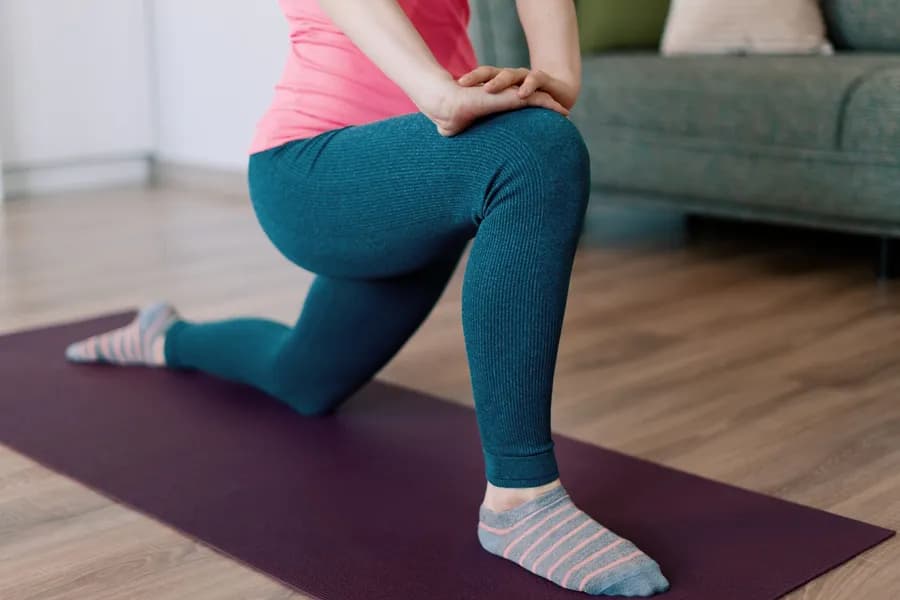
Strength Training Leg Workout: Best Exercises, Benefits & How to Start
Training legs two to three times a week builds functional power, supports fat metabolism, and improves everyday movement, using the largest muscle groups in the body. See the best exercises.

Bodyweight Exercises for Beginners: The Complete Guide to Getting Started
Bodyweight exercises use only your own body mass as the load — no gym, no dumbbells, no machines. See the complete guide to building functional strength and endurance.
Exercise at Home for Beginners: Your Complete Guide to Getting Started
A simple routine of squats, push-ups, planks, and lunges, done three to four times a week, is enough to produce measurable progress in the first month. See how to get started.
Push Up Variations: The Complete Guide to Building Strength at Home
Push up variations scale from a wall push up for beginners to plyometric and single-arm versions for advanced training — no gym required. See the complete guide.

Can Strength Training Burn Fat? Here’s How It Works
Building lean muscle raises the calories your body burns even at rest, creating a sustained calorie deficit over time — a different mechanism than cardio alone. See exactly how it works.
Strength Training Workout for Runners: Build Power, Prevent Injury, Run Better
A structured resistance programme targeting the glutes, core, and hip stabilisers builds what running alone can't — done twice a week, it reduces injury risk and improves running economy. See the full workout.