
10 Benefits of Squats for Men
Squats build lean muscle across the entire lower body, support natural testosterone production, and strengthen the core — no equipment required. See all 10 benefits.
Key Takeaways
- Heavy compound movements can trigger a temporary testosterone spike
- Recruits quads, hamstrings, glutes, calves, and lower back at once
- Loaded squats stress the femur, tibia, and spine, aiding bone density
- Trains the core under load without a single crunch
- Mirrors daily patterns like sitting, standing, and lifting
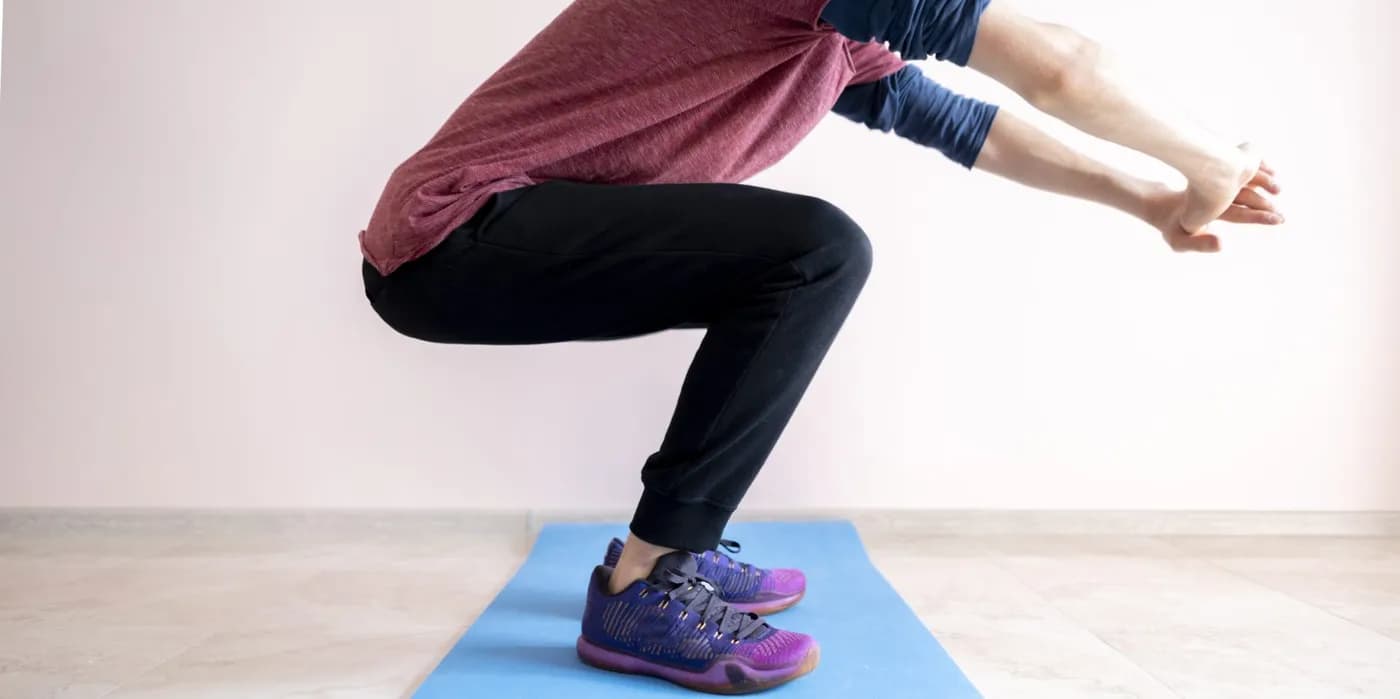
The benefits of squats for men extend far beyond bigger legs — squats build lean muscle across the entire lower body, support natural testosterone production, strengthen the core, and directly improve how you move through daily life. They are one of the most complete strength exercises available, requiring no equipment to begin.
If there is one exercise that belongs in every man's routine, it is the squat. The benefits of squats for men go far beyond building bigger legs — they touch everything from testosterone levels and core strength to posture and metabolic health. Whether you train at home or at the gym, squats are one of the most complete movements you can do with or without equipment.
10 Key Advantages of Squats for Males
Here is why making squats a consistent habit can meaningfully change how you feel, move, and perform over time.
1. Builds Lean Muscle Throughout the Body
Squats engage the quadriceps, hamstrings, glutes, calves, and lower back in a single movement. This compound stimulus makes them one of the most efficient exercises for adding lean muscle mass — not just in the legs, but across the entire posterior chain. If you are looking for a structured program for muscle strength, squats are a non-negotiable foundation.
2. Supports Natural Testosterone Production
Heavy compound movements — squats being the prime example — are associated with a temporary spike in anabolic hormones, including testosterone. Consistent lower-body training that recruits large muscle groups sends a strong hormonal signal to the body, which may gradually support better hormonal balance when paired with adequate recovery and sleep.
3. Boosts Metabolism and Supports Fat Loss
Because squats recruit multiple large muscle groups simultaneously, they demand significant energy both during and after the workout. Over time, the increase in lean muscle mass raises your resting metabolic rate, meaning your body burns more calories even at rest. This makes squats a practical tool for men managing body composition.
4. Improves Bone Density
Loaded squats apply mechanical stress to the femur, tibia, and lumbar spine — exactly the kind of signal the body needs to deposit more bone mineral. For men in their 30s and beyond, this is particularly valuable in reducing the long-term risk of osteoporosis and stress fractures.
5. Enhances Functional Strength and Daily Movement
Sitting down, standing up, climbing stairs, lifting a bag from the floor — every one of these is a squat pattern. Building strength in this movement directly transfers to how confidently and safely you move through daily life. Explore exercises that build functional strength to complement your squat routine.
6. Strengthens the Core Without Crunches
Maintaining an upright torso under load during a squat demands constant isometric engagement from the entire core — the rectus abdominis, obliques, and transverse abdominis all fire to stabilize the spine. This is a more athletic, integrated form of core training than isolated crunch-based work.
7. Improves Posture and Spinal Alignment
Weak glutes and tight hip flexors — both common in men who sit for long hours — contribute directly to poor posture and lower back discomfort. Regular squats strengthen the posterior chain and gradually ease the postural imbalances that build up over a desk-heavy workweek.
8. Supports Cardiovascular Conditioning
High-rep bodyweight squats or tempo squat circuits elevate the heart rate substantially. Including them in a conditioning block adds a cardiovascular training stimulus without the monotony of steady-state cardio — particularly useful for men who want strength and stamina from a single session.
9. Promotes Knee and Hip Joint Health
When performed with proper form, squats strengthen the muscles and connective tissues around the knee and hip. The quads, hamstrings, and glutes work together to absorb and distribute load safely, reducing joint stress over time. Depth and alignment matter; good coaching makes the difference.
10. Builds Mental Toughness and Consistency
Squats are hard. Finishing a set when your legs are burning builds the kind of mental resilience that carries over into other areas of life. Showing up for a disciplined lower-body session day after day is the habit that separates men who see real progress from those who plateau.
How to Get Started with Squats
The entry barrier for squatting is genuinely low. You do not need a barbell or a gym membership to begin seeing results. Here is a practical starting framework.
What You Need to Begin
Bodyweight squats require nothing except a small clear space and about 15 minutes. As you build strength, you can progress to goblet squats using a water jug or bag, then to dumbbells or a barbell. Resistance bands are another excellent addition — see how resistance training for beginners can be structured simply at home.
Setting Realistic Goals
In the first two weeks, focus entirely on movement quality — depth, knee tracking, and a tall spine. Strength and muscle follow good mechanics, not the other way around. Avoid training to failure every session. Aim for progress that is gradual and sustainable rather than intense and short-lived.
Start with the Basics
Begin with three sets of 10–15 bodyweight squats, three to four times per week. Once you can complete those with control and no discomfort, add a slow tempo — 3 seconds down, 1-second pause, 1 second up — to increase difficulty without adding weight. A goblet squat with load is the natural next step before moving to barbell variations.
Best Squat Exercises for Men
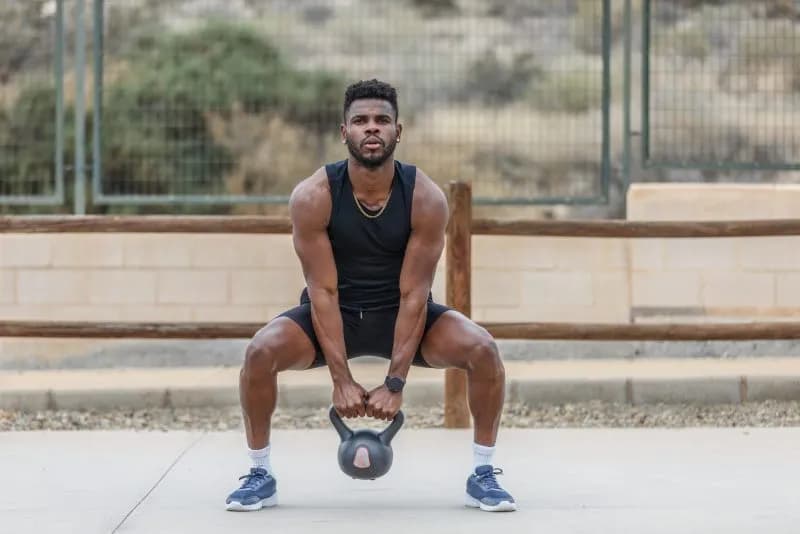
There is more than one way to squat. Rotating between these variations keeps the stimulus fresh and addresses different weaknesses.
Bodyweight Squat
The foundation of all squat variations. Feet shoulder-width apart, toes slightly turned out, chest tall, hips tracking over toes. Ideal for warm-ups, daily practice, and beginners. Aim for 3 sets of 15–20 reps as a starting point.
Goblet Squat
Hold a dumbbell, kettlebell, or heavy water bottle at your chest. This counterbalance naturally encourages an upright torso and deeper hip crease. Excellent for men still building hip mobility. Try 3 sets of 10–12 reps with a weight you can control throughout.
Sumo Squat
Take a wider stance with toes pointed out at 45 degrees. This variation targets the inner thighs and glutes more directly and suits men with wider hips or limited ankle mobility. Three sets of 12 reps works well here.
Bulgarian Split Squat
Rear foot elevated on a bench or chair, front foot stepped far forward. This unilateral movement exposes and corrects left-right strength imbalances and places a deep stretch on the hip flexor of the rear leg. Start with bodyweight for 3 sets of 8 per side before adding load.
Tempo Squat
Use any squat variation with a slow eccentric — 4 seconds down, 2-second pause at the bottom, 1 second up. The time under tension dramatically increases muscle stimulus without requiring heavier weights. Particularly effective for men training at home with limited equipment.
Jump Squat
From a standard squat position, drive explosively through the heels to jump off the ground, land softly, and return immediately to the squat. Develops power and elevates heart rate. Use sparingly — 2 sets of 8 to 10 reps at the end of a strength session is enough.
Barbell Back Squat
The king of loaded squat variations. Bar sits across the upper traps, core braced, depth to parallel or below. Requires more technical learning but unlocks significant strength and muscle gains over time. Build up gradually and prioritize form coaching before adding meaningful weight.
Common Mistakes to Avoid
Most men do not need more squat variations — they need to correct the errors in the ones they already do.
- Poor Form Knees caving inward, chest falling forward, and heels rising off the floor are the three most common form errors. Each one shifts load away from the target muscles and toward the joints. Film yourself from the side or get a session with a coach before adding load.
- Skipping the Warm-Up Cold muscles and stiff hip flexors do not squat well. Spend five minutes on hip circles, bodyweight squats, and ankle mobilization before your working sets. A warm-up directly affects depth, comfort, and injury risk.
- Overtraining Squatting heavy every single day without adequate rest slows progress and raises injury risk. Three to four squat sessions per week with at least one rest day between sessions is enough for most men to make consistent progress. Recovery is where adaptation actually happens.
- Inconsistency Three perfect squat sessions followed by two weeks off produce very little. The compounding effect of squats — on muscle, bone density, hormonal health, and metabolism — only appears with regular, sustained practice. Showing up consistently matters more than any single great workout.
Who Should Try Squats?
The honest answer is almost everyone — but here is how squats fit different groups specifically.
- Beginners If you have never trained before, bodyweight squats are one of the safest and most effective places to start. The learning curve is manageable, the results come quickly in the first few weeks, and the movement pattern transfers immediately to daily life. No gym membership required.
- Women Squats build strong glutes, legs, and core without creating bulk — a concern many women hold based on an outdated myth. Women generally lack the testosterone levels needed to develop mass the way men do. What they gain from squats is lean definition, better posture, and metabolic support. Habuild's female strength training program incorporates exactly this kind of foundational movement.
- Older Adults For men and women over 50, squats — especially chair-assisted or goblet variations — are among the most effective tools for preserving leg strength, bone density, and balance. Always consult your doctor or physiotherapist if you have a history of knee, hip, or spinal issues before beginning a loaded squat program.
- Working Professionals Desk work tightens the hip flexors and weakens the glutes over time, contributing to lower back discomfort and poor posture. A 15-minute squat routine done at home before or after work directly supports better posture and how you sit, stand, and move all day.
Build Strength with a Routine That Actually Works
Building strength through squats is not about doing random sets whenever you feel like it — it is about consistency, guided progression, and a structured plan that meets you where you are. With the right support, you can train effectively from home and feel real progress over weeks and months.
What You Get with Habuild's Strength Training Program:
- Daily live guided strength sessions including squats, lunges, and full-body movements
- Beginner to advanced progression — no experience needed to start
- No-equipment and home-friendly workouts
- Expert guidance to ensure correct squat form and safe loading
- Community support to keep you showing up every day
If you are ready to make squats — and strength — a real habit, explore Habuild's full strength training program and see what a structured daily practice feels like.
Start Your Strength Training Journey
Related reads: How Many Squats Should I Do a Day? · Jump Squats Benefits: Why This One Move Deserves a Place in Every Workout
Squats reward progressive load and correct form far more than they reward occasional effort, which is why the men who see the strength and hormonal benefits described here are usually following a plan rather than guessing at reps. Knowing how deep to squat, how often to train legs, and when to add resistance is where most home routines quietly fall apart. Strong Everyday lays out that structure for you, pairing squats with the rest of a balanced program so lower-body strength actually builds week over week.
Frequently Asked Questions
Related Articles
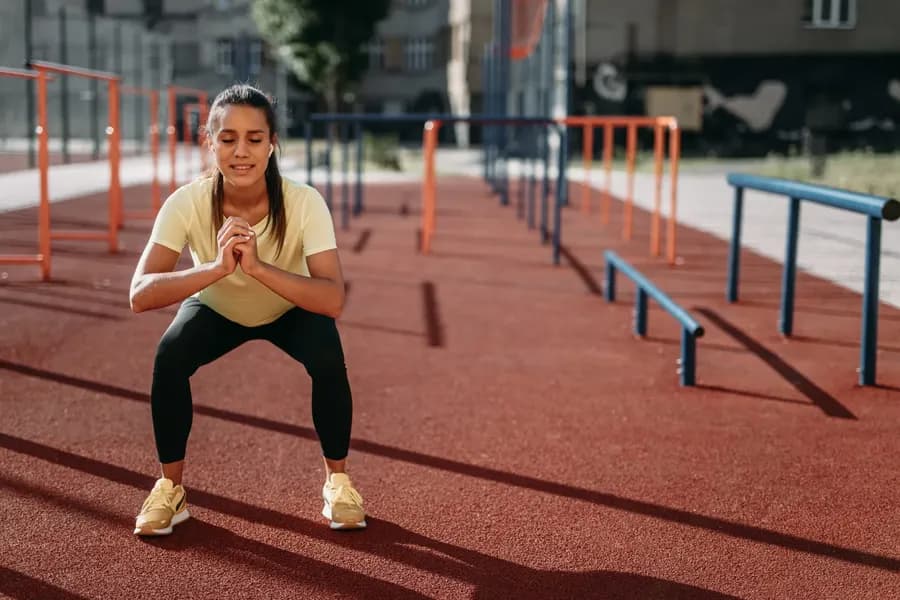
Benefits of Squats for Women — 7 Real Results from Daily Practice and What to Expect Honestly
Consistent daily squat practice produces measurable results in glute shape, leg strength, and posture within 8-12 weeks — the 'bulky thigh' myth doesn't hold up given women's hormonal profile. See all 7 real results.
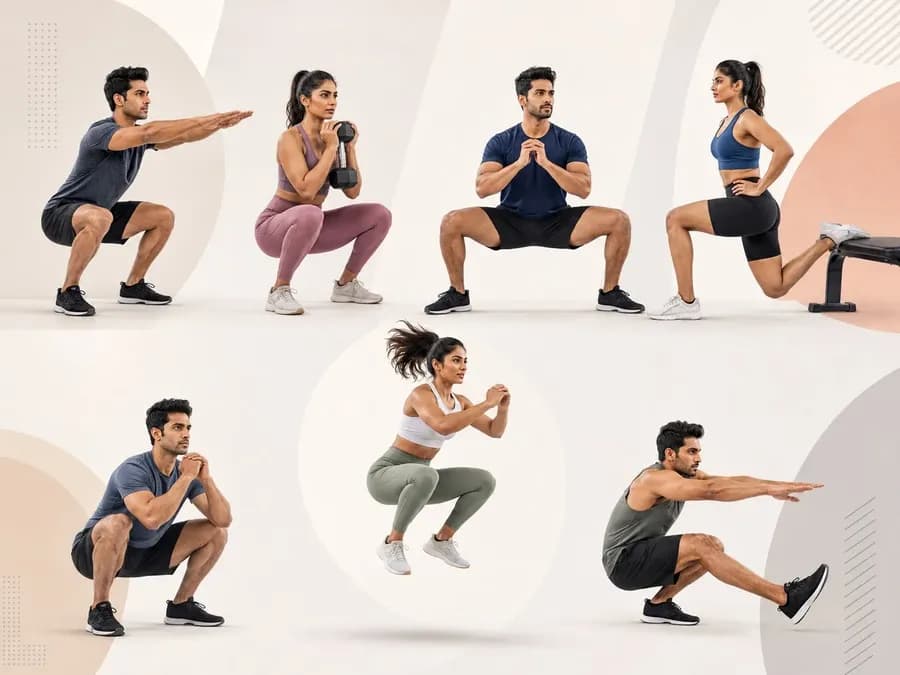
Different Types of Squats — 7 Variations to Build Stronger Legs, Glutes, and Functional Strength
The right squat variations target different muscles, mechanical positions, and movement patterns, building complete lower-body strength rather than partial development. See all 7 most effective variations.
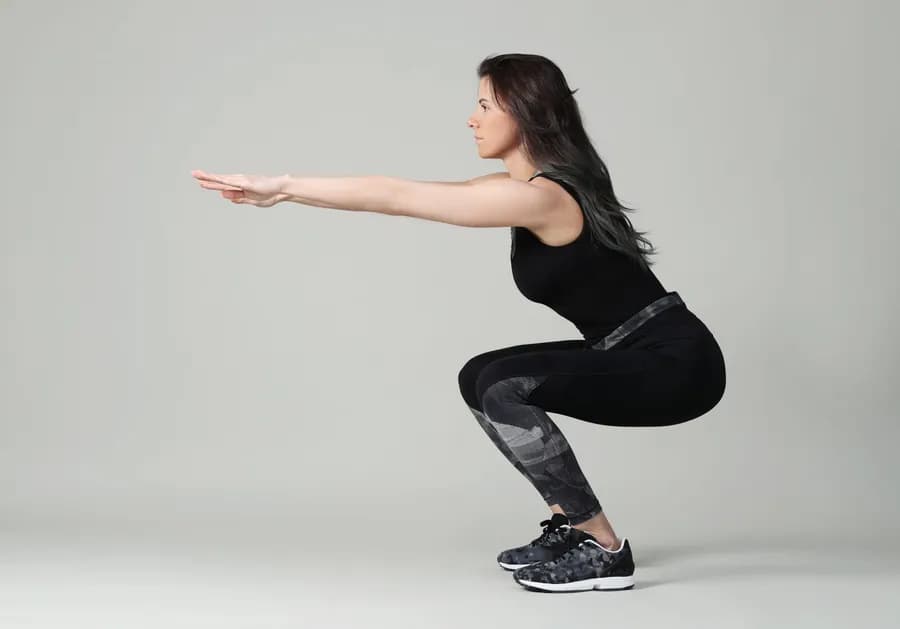
How to Do a Proper Squat: Form, Mistakes and Progressions
We're born with a perfect squat pattern and gradually lose it through years of sitting — relearning it activates the largest muscle groups and the strongest hormonal response. See the form, mistakes, and progressions.
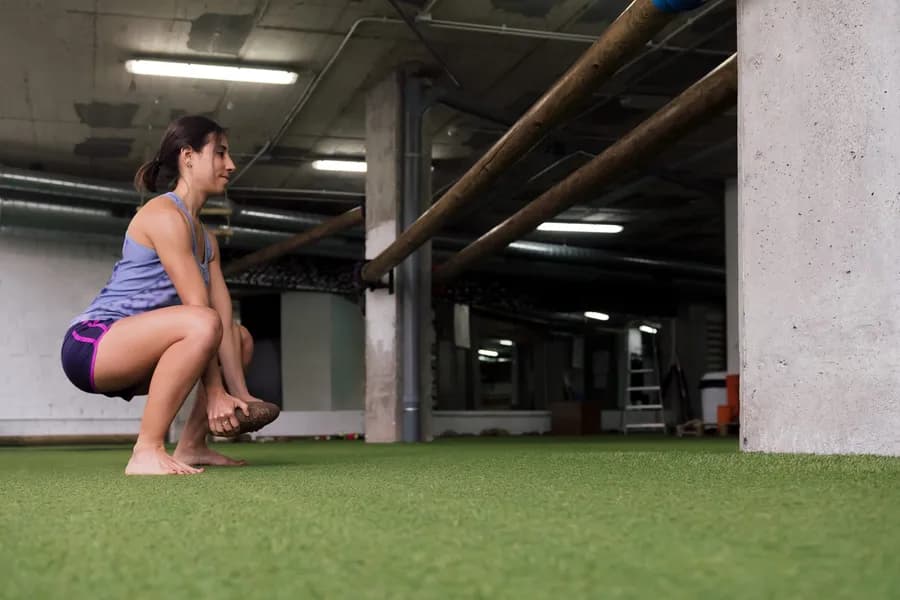
How to Do Bulgarian Split Squat — Form, Tips & Benefits
Learn how to do bulgarian split squat with correct form, common mistakes to avoid, and beginner-friendly variations. Start your free 7-day trial at 14-day free trial.
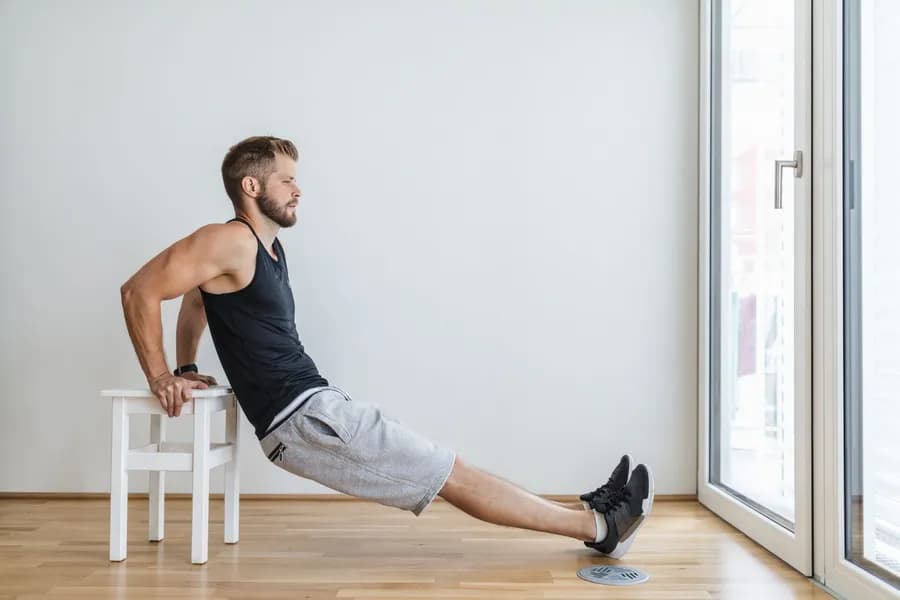
No Equipment Strength Workout: Build Real Strength at Home
Discover the best no equipment strength workout routines to build muscle and improve fitness at home. Start your 14-day free trial trial with Habuild today.