
What Are Compound Exercises? Benefits & Best Moves
Squats, push-ups, deadlifts, and rows work two or more muscle groups across multiple joints at once, training your body as a system. See the benefits and best moves.
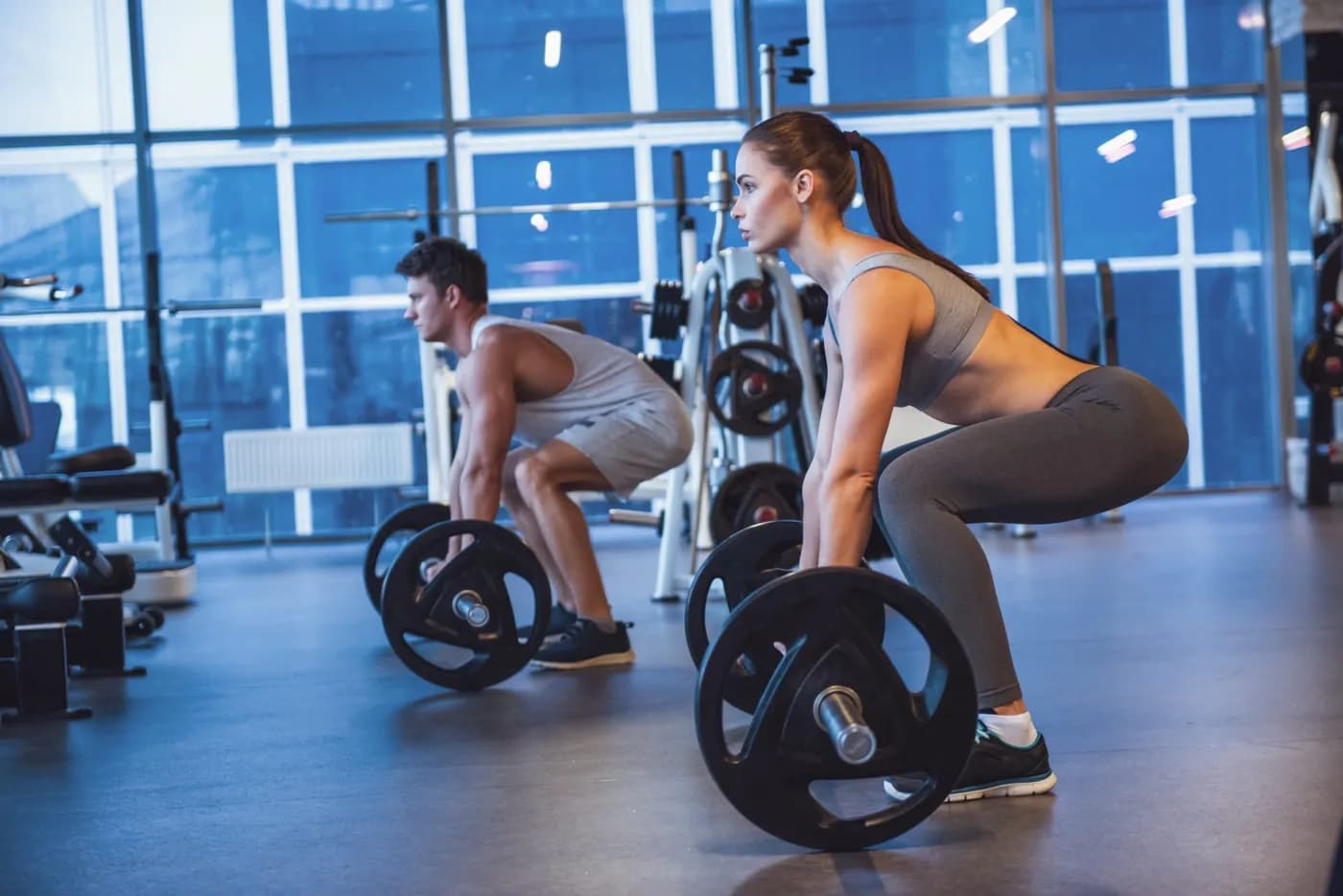
Key Takeaways
- Work two or more muscle groups across multiple joints simultaneously, unlike isolation moves.
- A 20-minute compound workout typically burns more calories than a 40-minute isolation routine.
- Big lifts stimulate a stronger release of growth and strength-supporting hormones.
- Three to four compound moves done well can cover the entire body in 25-30 minutes.
- Mastering bodyweight squats, push-ups, and rows comes before adding any external load.
- A realistic goal is showing up consistently for 8-12 weeks rather than chasing soreness.
Compound exercises are movements that work two or more muscle groups across multiple joints at the same time — like squats, push-ups, deadlifts, and rows. Instead of isolating one muscle, they train your body as a system, delivering more strength, faster fat loss, and better functional fitness in less time.
If you’ve been wondering what are compound exercises and why every coach keeps recommending them, this guide breaks it all down. You’ll learn how they work, the best ones to start with, common mistakes to avoid, and how to build a consistent practice around them.
Top Benefits of Compound Exercises
Compound movements are the backbone of any smart strength routine. Here’s why they outperform single-muscle workouts for most people.
- Builds Full-Body Strength Faster Because compound exercises recruit multiple large muscle groups in one movement, your body adapts and grows stronger across the whole chain — legs, back, core, and arms — instead of one slice at a time.
- Burns More Calories Per Session More muscles working means higher energy demand. A 20-minute compound workout typically burns more calories than a 40-minute isolation routine, making this style of training ideal if fat loss is part of your goal.
- Improves Functional Movement Picking up a child, climbing stairs, carrying groceries — these are compound patterns. Training them in the gym translates directly to everyday strength and reduced injury risk.
- Saves Time You don’t need a 90-minute split. Three to four compound moves done well can cover your entire body in 25–30 minutes. This is why compound work is the foundation of most efficient strength training exercises programs.
- Boosts Hormonal Response Big lifts and big bodyweight movements stimulate a stronger release of growth and strength-supporting hormones, which supports lean muscle gain and metabolic health when practiced consistently.
How to Get Started with Compound Training
What You Need to Begin
You don’t need a packed gym. Most foundational compound exercises require nothing more than your bodyweight and a small floor space. As you progress, a pair of dumbbells or a resistance band opens up dozens more options. If you prefer guided routines you can do from home, structured resistance training for beginners formats work brilliantly here.
Setting Realistic Goals
Start with 2–3 sessions a week. Don’t chase soreness or heavy weight in week one. The real win is showing up consistently for 8–12 weeks. That’s what builds the body — not any single workout.
Start with the Basics
Master bodyweight squats, push-ups, and rows before loading weight. Form first, intensity later. This single rule saves people years of plateaus and avoidable injuries.
Best Compound Exercises to Build Into Your Routine
These are the highest-return movements for almost every body and goal.
Squats
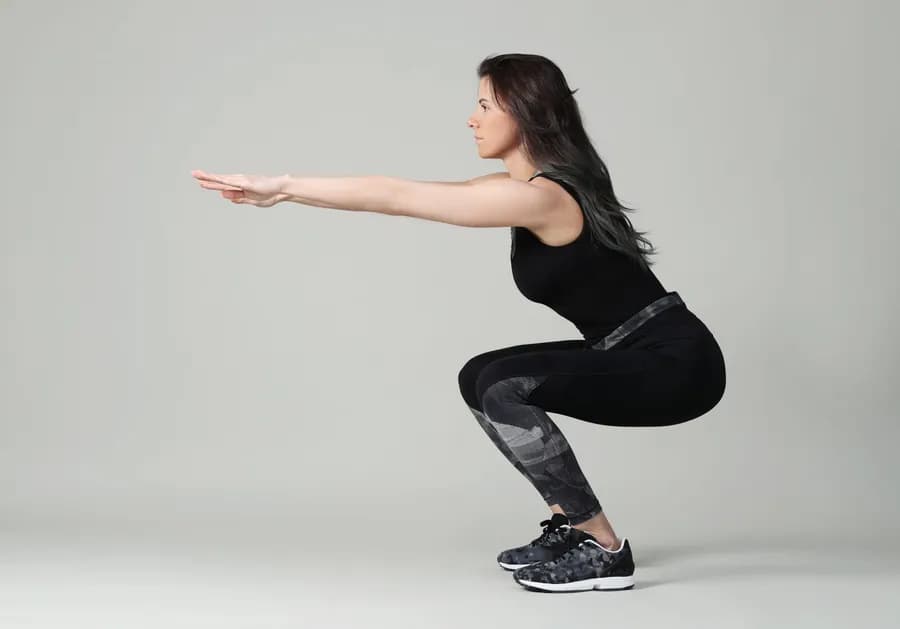
Trains quads, glutes, hamstrings, and core. Start with bodyweight squats — 3 sets of 12–15 reps. Keep your chest tall and knees tracking over your toes.
Push-Ups
Hits chest, shoulders, triceps, and core. Begin on your knees if needed. Aim for 3 sets of 8–12 quality reps before progressing to full push-ups.
Deadlifts
One of the most powerful posterior-chain builders, training your hamstrings, glutes, back, and grip. Start light, hinge from the hips, keep a neutral spine. 3 sets of 8 reps.
Lunges
Single-leg strength, balance, and hip stability — all in one. Perform 3 sets of 10 per leg. Great for runners and anyone who wants stronger knees.
Bent-Over Rows
Builds upper back, lats, and biceps while strengthening posture. Use dumbbells or a resistance band. 3 sets of 10–12 reps.
Overhead Press
Shoulders, triceps, and core work together. Press from shoulder height to overhead with control. 3 sets of 8–10 reps.
Pull-Ups or Inverted Rows
The ultimate pulling movement. If full pull-ups feel far off, start with inverted rows under a sturdy table or low bar. Progress gradually.
Common Mistakes to Avoid
- Poor Form Rounded backs in deadlifts, knees caving in squats, flared elbows in push-ups — these are the form errors that cause most injuries. Slow down. Record yourself. Form always wins over weight.
- Skipping Warm-up Five minutes of dynamic warm-up — leg swings, arm circles, bodyweight squats, hip openers — prepares your joints and dramatically improves your lifts.
- Overtraining More isn’t better. Compound movements are demanding. Three quality sessions a week with full recovery outperforms six rushed ones. Pair your sessions with mobility work or gentle yoga for flexibility on rest days.
- Inconsistency The single biggest reason people don’t see results isn’t the program — it’s the gap between sessions. Consistency, not intensity, is what changes your body.
Who Should Try Compound Exercises?
- Beginners Bodyweight squats, push-ups, and rows are the perfect entry point. No equipment, no intimidation, fast learning curve.
- Women Compound lifting won’t make you bulky — it will make you strong, toned, and confident. It’s also one of the best long-term supports for bone density and metabolic health.
- Older Adults With proper guidance, compound movements help maintain mobility, balance, and independence. Always consult your doctor before starting if you have existing conditions — this is supportive practice, not a replacement for medical care.
- Working Professionals If you have 30 minutes, you have time for a full compound session. The posture, energy, and stress-management benefits show up fast.
Build Strength with a Routine That Actually Works
Building strength isn’t about doing random workouts — it’s about consistency, guidance, and following a structured plan. With the right support, you can train effectively from home and see real progress over time. Habuild’s approach to strength training is built around exactly this — daily structure, expert form coaching, and a community that helps you show up.
What You Get with Habuild’s Strong Everyday Program:
- Daily live guided strength & yoga sessions
- Beginner to advanced progression
- No-equipment & home-friendly workouts
- Expert guidance to ensure correct form
- Community support to stay consistent
Start Your Strength Training Journey
Related reads: What Are Isometric Exercises? Benefits & Best Moves · What Are Plyometric Exercises? Benefits & Best Moves
Compound exercises like squats and deadlifts train your body as a system, which is exactly why they respond so well to structured programming rather than random reps thrown into a workout. Progression, sequencing, and recovery all matter here as much as the exercises themselves. Habuild’s Strong Everyday program guides you through that kind of structured strength training, session by session.
Frequently Asked Questions
Related Articles
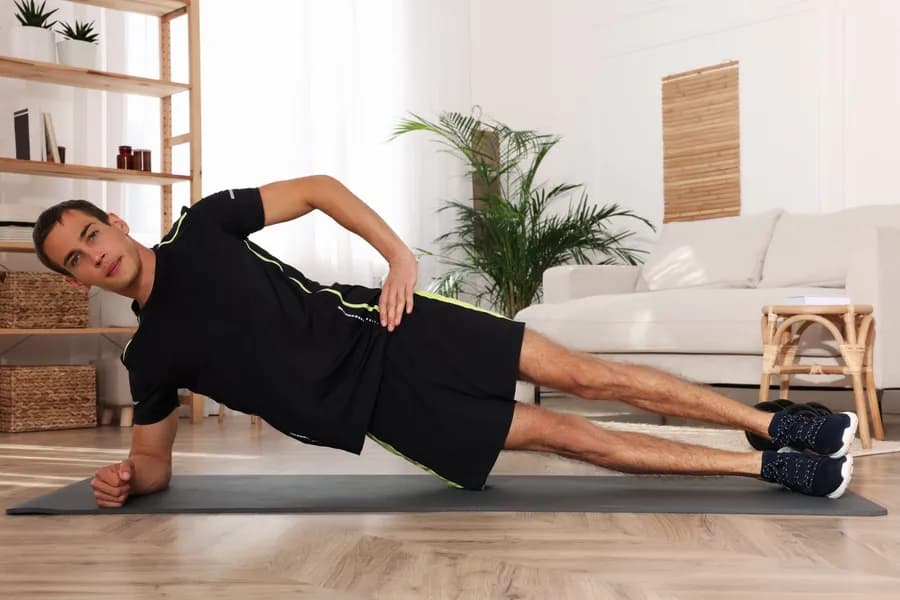
What Are Isometric Exercises? Benefits & Best Moves
Planks, wall sits, and static holds contract your muscles and produce force while the joint angle and muscle length stay the same. See the benefits and best moves.

How Many Exercises Per Body Part: Smart Training Guide
The general answer is 2 to 5 exercises per muscle group, depending on its size, your training experience, and how often you train it each week. See the ideal numbers and how to structure a routine.
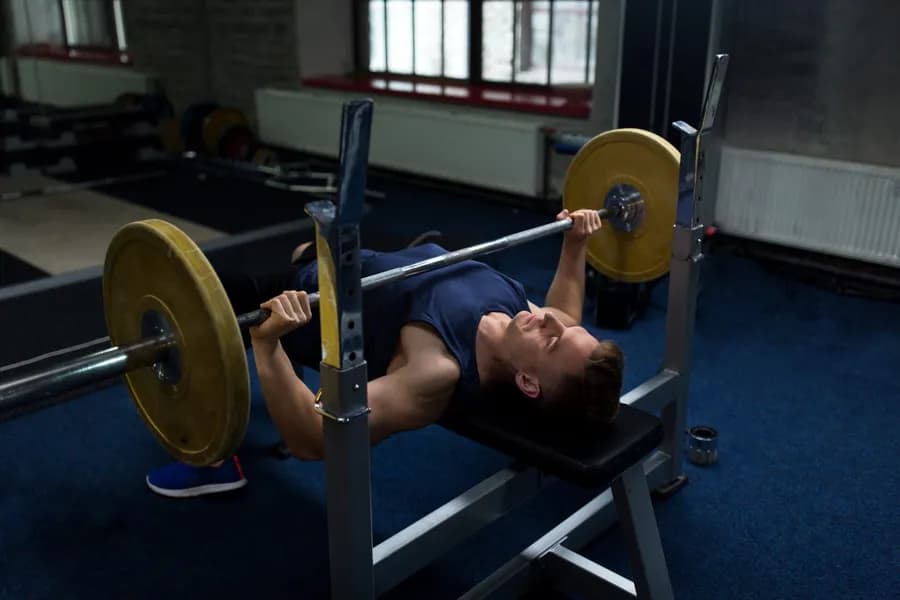
How to Do Bench Press Correctly: the Complete Form Guide
A stable base, controlled bar path, full range of motion, and the right shoulder position prevent impingement and build pressing strength safely. See the complete form guide.
How to Do a Proper Squat: Form, Mistakes and Progressions
We're born with a perfect squat pattern and gradually lose it through years of sitting — relearning it activates the largest muscle groups and the strongest hormonal response. See the form, mistakes, and progressions.
What Are the Benefits of Strength Training? 7 Evidence-Based Benefits That Transform Health
Strength training reduces all-cause mortality risk, prevents age-related disability, and builds bone density across every age group and sex within 8-12 weeks. See all 7 evidence-based benefits.