
Walking for Knee Pain: Is It Good or Bad?
Many people with sore knees worry that walking will make things worse. Research suggests the opposite for many. Here's how to walk safely with knee pain, and when to get help.
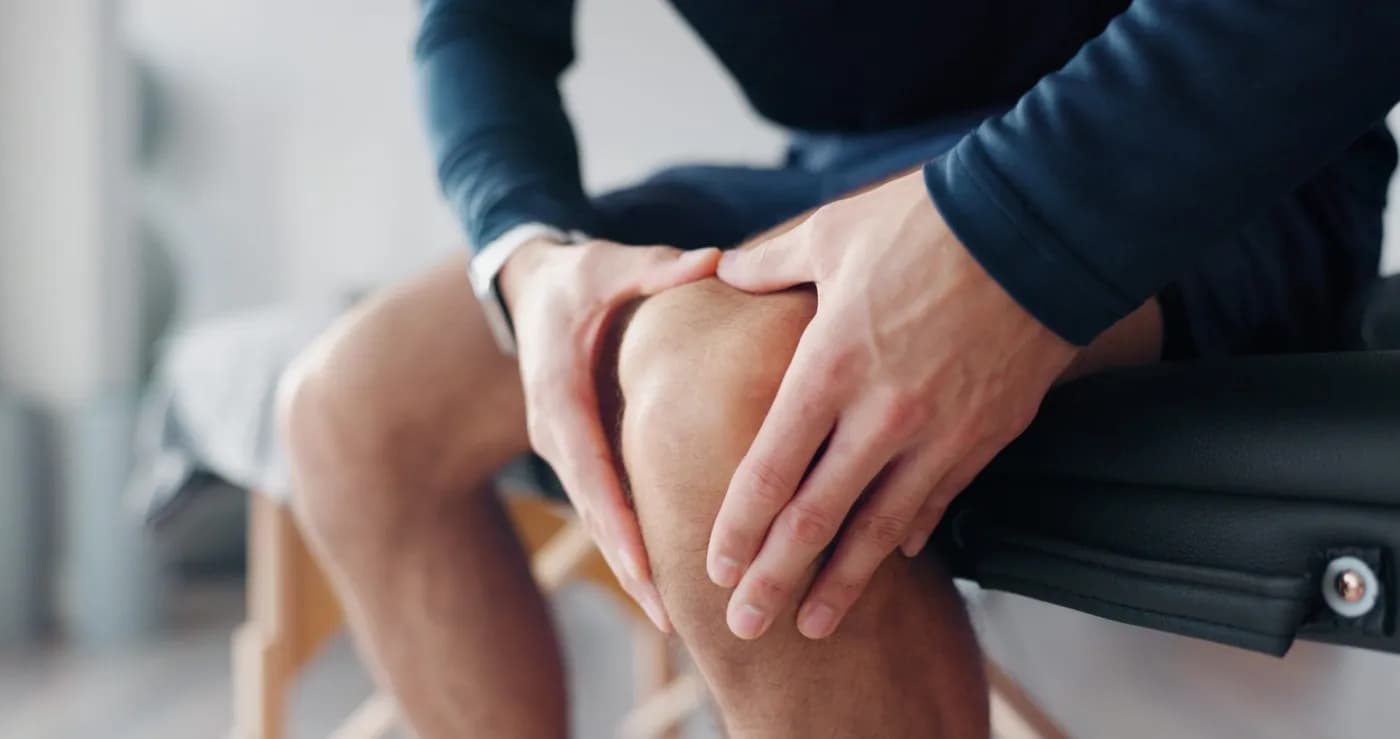
Key Takeaways
- For many people with knee osteoarthritis, regular walking is safe and helpful.
- In one study, people over 50 who walked for exercise had about 40% lower odds of new knee pain.
- The NHS calls exercise one of the most important treatments for osteoarthritis.
- Start slowly, wear supportive shoes and do less on days when your knees ache more.
- See a doctor urgently if your knee locks, gives way, swells badly or can't take weight.
Should You Walk With Knee Pain?
Knee pain makes many people stop moving altogether. It's a natural reaction: if something hurts, resting it feels like the safe choice, and many people worry that walking will wear their joints out faster. But for many common types of knee pain, especially osteoarthritis, the opposite is true. Staying active is one of the best things you can do for your knees.
The NHS describes exercise as one of the most important treatments for osteoarthritis. Walking is a particularly good choice because it's low-impact, free and easy to adjust to how your knees feel on any given day. You can walk a little further on good days and take it easier on bad ones.
That said, knee pain has many possible causes, including injuries, inflammation and infection. If you don't know what's causing your pain, get it checked by a doctor or physiotherapist before starting a new walking routine.
What Does the Research Say?
A 2022 study published in Arthritis & Rheumatology looked at 1,212 people aged 50 and over who had signs of knee osteoarthritis on X-rays. The researchers compared people who reported walking for exercise with those who didn't, and followed them for 4 years.
People who walked for exercise had lower odds of developing new frequent knee pain, about 40% lower than those who didn't walk. There were also signs that walking may help slow damage inside the joint, though that result was less certain.
Like all studies of this type, it shows a link rather than proof. But it supports what many doctors and physiotherapists recommend: for many people with knee osteoarthritis, walking helps more than it harms.
How Walking Can Help Your Knees
Regular movement keeps the knee joint moving and can ease the stiffness that often comes with osteoarthritis. Walking also works the muscles around the knee, especially in the thighs and hips, and stronger muscles help support and stabilise the joint. Because walking uses energy, it supports weight management too, and carrying less weight puts less load on the knees with every step. Finally, regular walking improves stamina and mood, which makes it easier to stay active over the long term.
How to Walk Comfortably With Knee Pain
Start small and build gradually
The Arthritis Foundation recommends setting small, achievable goals. Begin with 5 to 10 minutes on flat ground and add a few minutes every few days as your knees allow. The NHS warns that doing too much exercise too quickly can make things worse, so slow and steady progress is the way to go.
Choose the right shoes
The NHS suggests footwear with shock-absorbing soles to ease pressure on your leg joints. The Arthritis Foundation notes that flat, flexible shoes tend to put the least load on the knees, and recommends replacing walking shoes about every 800 km (500 miles), because worn soles provide less support.
Pick your surface
Flat, even surfaces such as a park path or a running track are usually easier on the knees than steep slopes, stairs or uneven ground. If your local roads are broken or crowded, a park or even indoor walking may be more comfortable.
Listen to your knees
Versus Arthritis notes that some muscle ache after walking is normal, especially when you're starting out. Sharp pain, or feeling very stiff, is a sign that you should do less and rest. On days when your knees ache more, take a shorter, slower walk rather than skipping it altogether, so you keep the habit going.
Making Walking a Habit With Sore Knees
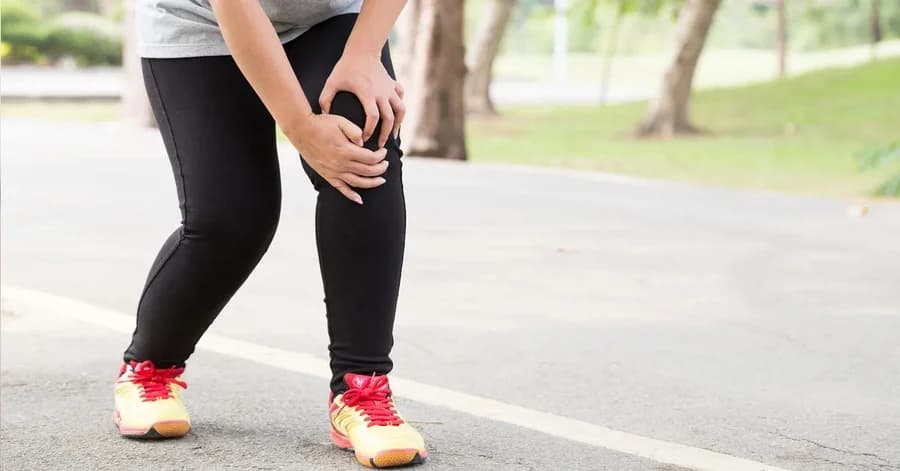
Consistency matters more than distance when your knees are sore. Short walks on most days tend to be easier on the joints than one long walk at the weekend, and they help you build confidence gradually. Many people find it helpful to walk at the same time each day, such as after breakfast or in the early evening, when the knees have had time to loosen up. In hot Indian summers, choose cooler times of day, and on rainy or polluted days, a few minutes of gentle walking indoors still counts towards your routine.
Add Strengthening Exercises
Walking works best alongside exercises that strengthen the thighs, hips and core, because these muscles help take load off the knee joint. Simple moves such as sit-to-stands from a chair, straight leg raises, wall sits and glute bridges can help support the knee. A physiotherapist can show you which exercises suit your knees and how to do them safely.
When to See a Doctor
The NHS advises seeing a GP if your knee pain doesn't improve within a few weeks. Get urgent help if:
- Your knee is very painful, or you can't move it or put weight on it
- Your knee is badly swollen or has changed shape
- Your knee locks, gives way or clicks painfully
- You have a high temperature, or the knee is red or hot
Also speak to a doctor before starting a walking programme if you've had recent knee surgery or an injury.
Walking With Habuild
Habuild's live sessions include walking along with exercises and yoga, with easier options so you can move at your own pace. The Habuild app's Walk Daily habit helps you build a regular walking habit. Habuild's classes are general group sessions, not a treatment programme for knee conditions, so follow your doctor's or physiotherapist's advice.
Editorial Sources
- Lo et al. – Walking for exercise and progression in knee osteoarthritis, Arthritis & Rheumatology (2022)
- NHS – Osteoarthritis treatment
- NHS – Knee pain
- Arthritis Foundation – 5 Walking Strategies
- Versus Arthritis – Top tips for walking with arthritis
Health Disclaimer
This article is for general information only and is not medical advice. Please see a doctor or physiotherapist about knee pain, especially after an injury or if the pain is severe.
Frequently Asked Questions
Related Articles
Best Exercises for Strengthening the Knee
Discover the best exercises for strengthening the knee — reduce soreness, build stability, and move better. Start your guided plan for 14-day free trial today.

How to Strengthen Knee Muscles: Exercises, Tips & Beginner Plan
The quadriceps, hamstrings, glutes, and calves act as shock absorbers around the knee joint — the stronger they are, the less stress the joint bears during everyday movement. See the exercises and beginner plan.
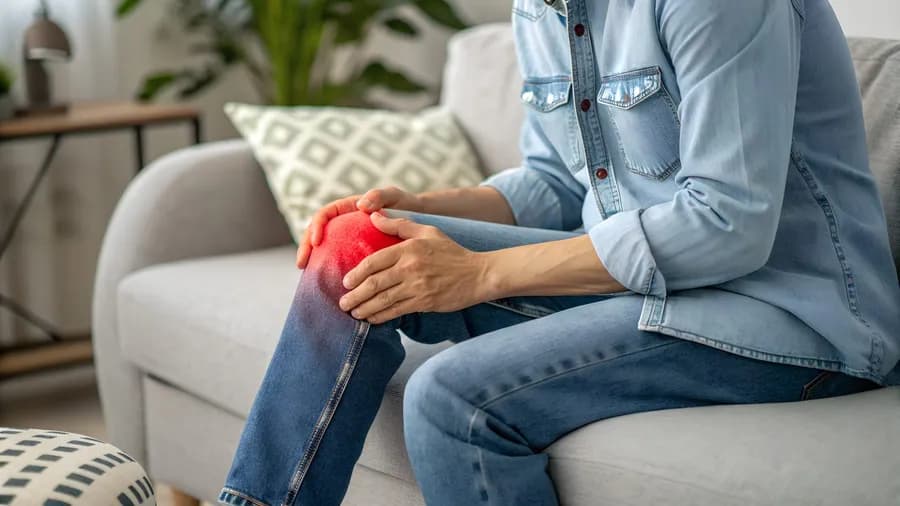
Yoga Asanas for Knee Pain: Best Poses, Benefits & How to Get Started
Specific postures strengthen the muscles surrounding the knee joint and improve flexibility, helping manage discomfort gradually through consistent practice. See the best poses and benefits.
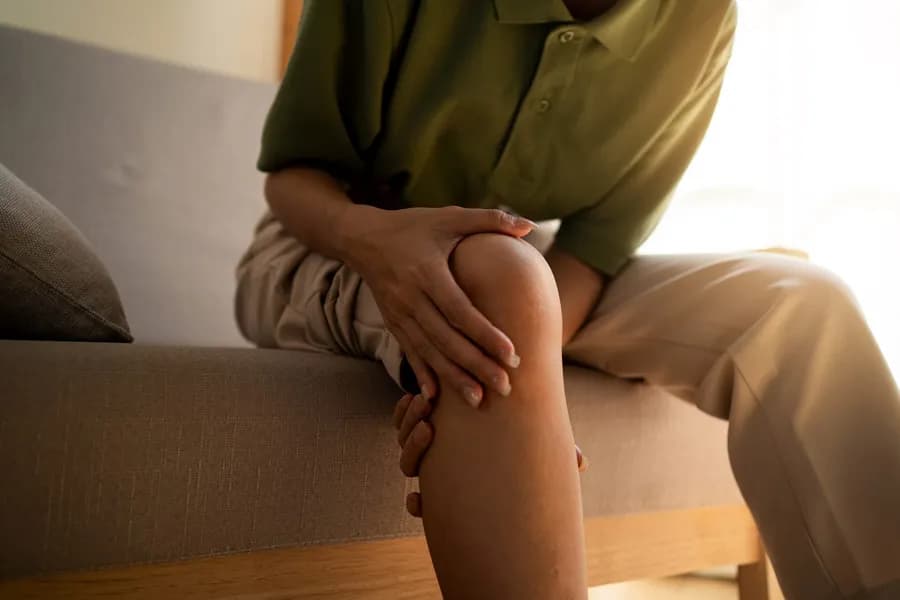
Best Exercise for Sore Knees: Moves That Help
Discover the best exercise for sore knees to ease discomfort and build strength. Start your guided routine today — first 7 days for just ₹1.