
How to Strengthen Knee Muscles: Exercises, Tips & Beginner Plan
The quadriceps, hamstrings, glutes, and calves act as shock absorbers around the knee joint — the stronger they are, the less stress the joint bears during everyday movement. See the exercises and beginner plan.
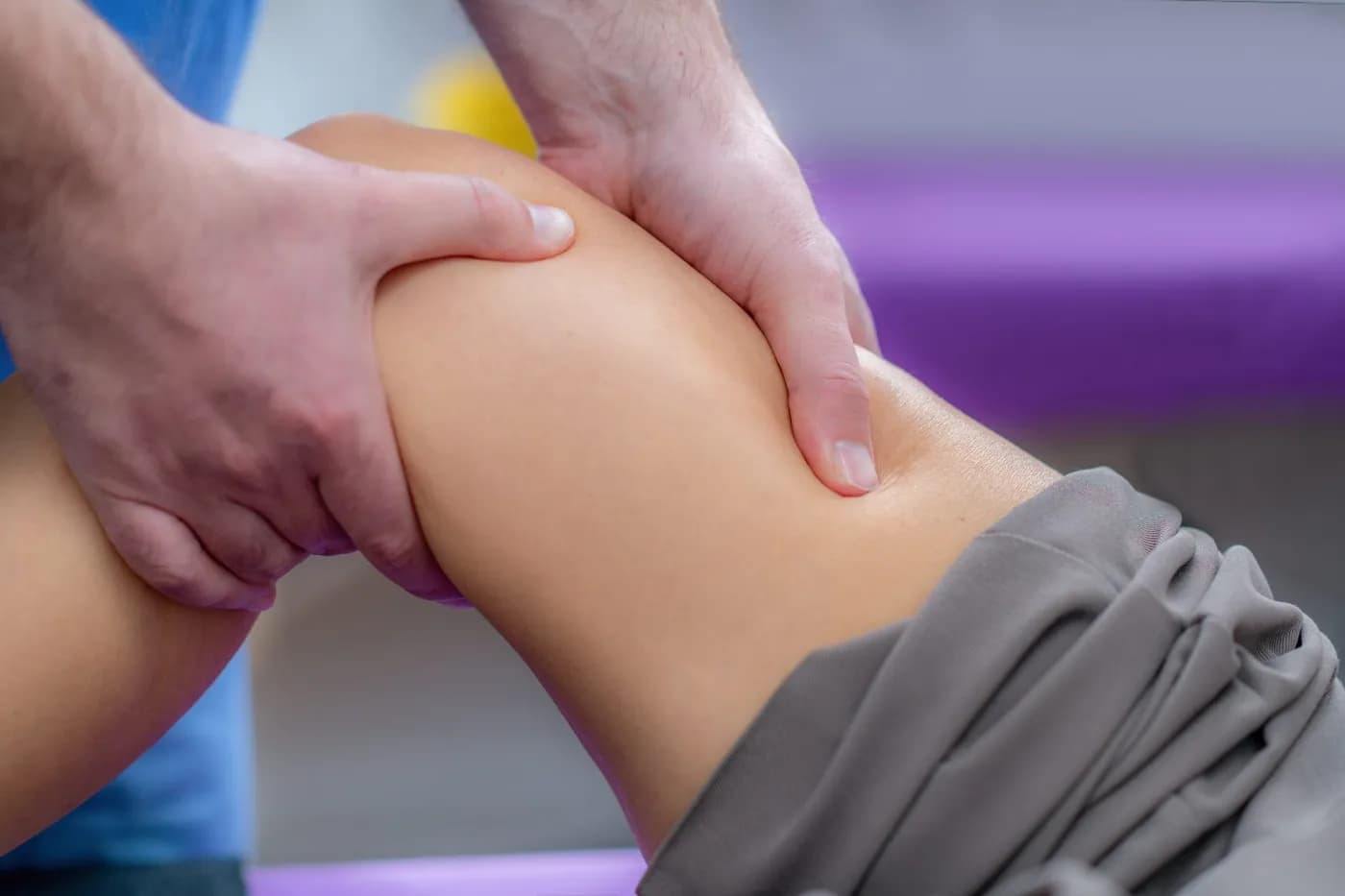
Key Takeaways
- Quadriceps, hamstrings, glutes, and calves act as the knee's shock absorbers and stabilizers.
- Stronger surrounding muscles take load off the joint during walking and stair climbing.
- Building muscle around the patella helps it track smoothly along its groove.
- Weak knee muscles often contribute to knees caving inward and an unsteady gait.
- Resistance-based knee work may help maintain bone density, especially over age 40.
- Consistent practice may gradually ease discomfort from runner's knee or mild osteoarthritis.
Strengthening knee muscles means progressively training the quadriceps, hamstrings, glutes, and calves that surround the knee joint. These muscles act as shock absorbers and stabilizers — the stronger they are, the less stress the joint bears during everyday movement, stairs, and sport.
If you've been dealing with wobbly knees, discomfort on stairs, or simply want to move with more confidence, learning how to strengthen knee muscles is one of the most practical investments you can make in your body. Regular knee strengthening exercises can help build the muscles that support the joint, improve stability, and make everyday movements more comfortable. For beginners, exercises to strengthen knee muscles can be performed at home with little or no equipment.The knee depends entirely on the muscles around it for stability, shock absorption, and pain-free movement. This guide walks you through what you need to know to get started, build real strength, and stay consistent.
10 Benefits of Strengthening Your Knee Muscles
- Reduces Daily Discomfort Stronger muscles around the knee take load off the joint itself. With consistent practice, everyday activities like walking, climbing stairs, and getting up from the floor feel noticeably easier over time.
- Improves Joint Stability The quadriceps, hamstrings, and calves all act as stabilizers for the knee joint. When these muscles are well-conditioned, the knee tracks more predictably and wobbles far less under pressure.
- Supports Better Posture and Alignment Weak knee muscles often contribute to poor lower-body alignment — knees that cave inward, hips that tilt, and an unsteady gait. Targeted strengthening gradually helps realign how your entire lower body moves.
- Protects the Knee Cap Building muscle around the knee cap — the patella — helps it track smoothly along its groove. This is especially relevant for people who notice grinding sensations or soreness around the front of the knee during activity.
- Enhances Mobility and Range of Motion Muscle strength and flexibility work together. As the muscles supporting your knee grow stronger, they also become more supple, allowing a fuller, more comfortable range of motion.
- Supports Healthy Bone Density Resistance-based knee exercises gently stress the bones around the joint, which over time may help maintain bone density — particularly relevant for adults over 40.
- Builds Functional Strength for Sport and Life Whether you run, play a sport, or simply want to carry groceries without strain, knee strength underpins nearly every lower-body movement. Functional strength training that targets the knee transfers directly to real-world activity.
- May Gradually Ease Symptoms of Knee Discomfort Regular, structured exercise that strengthens the knee's supporting muscles may gradually ease the discomfort associated with conditions like runner's knee or mild osteoarthritis through consistent practice. Always complement this with guidance from your healthcare provider.
- Boosts Confidence in Movement There's a quiet confidence that comes from knowing your knees won't give out on a hike or an afternoon walk. That psychological shift — from guarding your movement to trusting it — is a real and underrated benefit.
- Establishes a Long-Term Foundation The earlier you start building knee muscle, the better equipped your joints are for the demands of aging. This is about creating a durable foundation that serves you for decades, not quick fixes.
How to Get Started with Knee Strengthening Exercises
What You Need to Begin
Almost nothing. A yoga mat or firm carpet is enough for most knee strengthening exercises at home. No gym membership, heavy weights, or specialized equipment is required. A resistance band (light to medium) is a useful addition once you're ready to progress, but it's entirely optional at the start. A resistance band (light to medium) is a useful addition once you're ready to progress, but it's entirely optional at the start.
Setting Realistic Goals
The biggest mistake beginners make when learning how to strengthen knees is doing too much, too fast. Your knee muscles — particularly the quadriceps and the muscles directly around the knee cap — need time to adapt. Your knee muscles — particularly the quadriceps and the muscles directly around the knee cap — need time to adapt. Aim for two to three sessions per week with a rest day in between. Progress should feel gradual and never sharp or painful. Consistency over intensity is the principle that produces lasting results.
Start with the Basics
Begin with low-impact, controlled movements that let you learn proper form without stressing the joint. Exercises like seated leg raises, mini squats, and wall sits are ideal entry points. Once these feel solid — usually within two to four weeks — you can layer in more challenging variations. Beginner-friendly strength training programs that progress at the right pace make this transition much smoother.
## Best Exercises to Strengthen Knee Muscles
Squats
The squat is among the most effective exercises for building up knee muscles. It targets the quadriceps, glutes, and hamstrings simultaneously. Start with a shallow depth (about 45 degrees), feet shoulder-width apart, and focus on keeping your knees tracking over your second toe. 3 sets of 10–15 reps.
Wall Sits
Slide your back down a wall until your thighs are roughly parallel to the floor, and hold. This isometric exercise loads the quadriceps and builds the muscle directly above and around the knee cap without impact. 3 holds of 20–40 seconds.
Step-Ups
Step onto a low platform (a stair step works perfectly), drive through the heel of the leading foot, and bring the trailing leg up to stand fully. Step back down with control — the lowering phase is where much of the strengthening happens. 3 sets of 12 reps each leg.
Glute Bridges
Lie on your back with knees bent and feet flat. Drive your hips toward the ceiling, squeezing your glutes at the top. The hamstrings and glutes are critical knee stabilizers, and this exercise builds both without any knee-joint stress. 3 sets of 15 reps.
Terminal Knee Extension (TKE)
Attach a resistance band around a fixed point at knee height, step into the loop, and stand facing the anchor. Slightly bend the anchored knee, then straighten it against the band's resistance. This directly targets the VMO — the teardrop-shaped muscle just above and inside the knee cap — which is central to knee stability. 3 sets of 15 reps each leg.
Reverse Lunges
Step backward rather than forward to load the front knee with more control. This variation reduces shear stress on the knee joint while still building the quads and glutes effectively. 3 sets of 10 reps each leg.
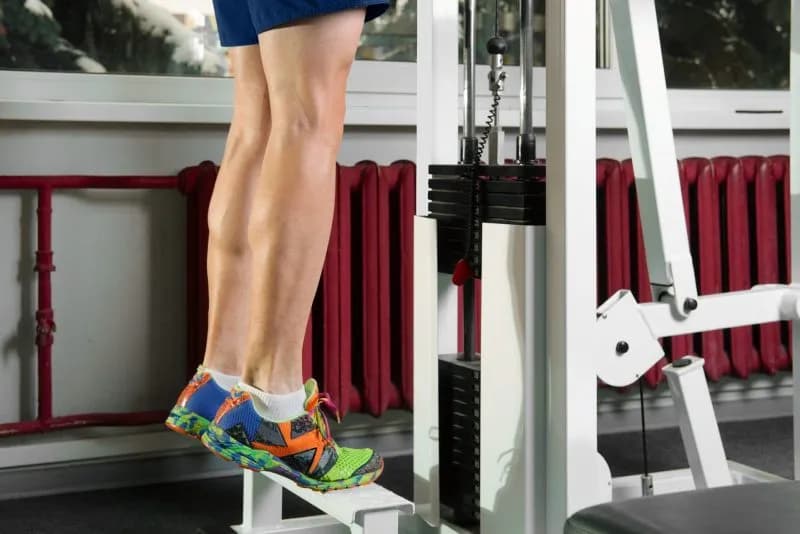
Calf Raises
Stand on the edge of a step and slowly rise onto your toes, then lower back down. Strong calves help absorb ground impact and reduce the load transmitted upward through the knee. 3 sets of 15–20 reps.
Common Mistakes to Avoid
- Poor Form Letting the knees cave inward during squats or lunges is the most common technical error — and one of the most damaging. Always check that your knee is aligned over your foot, not collapsing toward your midline. If you can't maintain alignment, reduce depth or load immediately.
- Skipping Warm-Up Cold muscles and stiff joints don't respond well to immediate loading. A 5-minute warm-up — leg swings, gentle marching on the spot, or a slow walk — prepares the connective tissue around the knee and meaningfully reduces the risk of strain.
- Overtraining More sessions do not equal faster results for knee strengthening. The muscles and tendons around the knee need recovery time to adapt and rebuild. Training daily without adequate rest is more likely to inflame the joint than strengthen it. Two to three sessions per week is the sustainable sweet spot for most people.
- Inconsistency A week of intense effort followed by two weeks off produces little lasting adaptation. The body responds to repeated, regular stimulation. Even two short sessions per week, done consistently, will outperform sporadic bursts of hard training over any meaningful period.
Who Should Try Knee Strengthening Exercises?
- Beginners If you've never trained your legs before, this is actually an ideal starting point. Knee-focused exercises are low-barrier, require no equipment, and teach you foundational movement patterns — squatting, hinging, stepping — that carry over into all other strength training.
- Women Women are statistically more prone to knee injuries, partly due to differences in hip width and quad-to-hamstring strength ratios. Targeted knee strengthening — particularly VMO work and hip-stabilizer exercises — directly addresses this without building bulk. Strength training designed for women emphasizes this balance from the very beginning.
- Older Adults For adults over 50 or 60, maintaining strong knee muscles is closely tied to independence and fall prevention. Gentle exercises like seated leg raises, wall sits, and step-ups are well within reach and particularly valuable. If you have existing knee conditions or have had knee surgery, please consult your doctor or physiotherapist before starting any new exercise program.
- Working Professionals Long hours at a desk create tight hip flexors, weak glutes, and underactivated quads — all of which place extra stress on the knee joint. A 15–20 minute knee-strengthening routine three times a week fits easily into a busy schedule and actively counters the effects of extended sitting. The Habuild Strength Training program is built to work around real schedules.
Build Strength with a Routine That Actually Works
Building strong knee muscles isn't about doing random exercises — it's about following a structured, progressive plan with the right guidance so you load the joint correctly and recover properly. With consistent support, you can train effectively from home and see real progress over time.
What You Get with Habuild's Strong Everyday Program:
- Daily live guided strength sessions with expert instruction
- Beginner to advanced progression — your pace, your level
- No-equipment and home-friendly workouts
- Form correction so you protect, not damage, your joints
- Community support to keep you consistent week after week
If building up knee muscles has felt overwhelming or you've struggled to stay consistent on your own, Habuild's structured strength program gives you the plan, the guidance, and the accountability to make it stick.
Start Your Knee Strengthening Journey
Related reads: How to Strengthen Thigh Muscles: Best Exercises & Tips · How to Strengthen Hamstring Muscles: Exercises & Tips
Protecting your knees means training four different muscle groups in coordination, which is a lot to balance correctly without a plan guiding the exercise selection and progression. A structured program keeps that coordination consistent, so the muscles surrounding your knees develop together rather than unevenly. Habuild's Strong Everyday program builds this kind of complete lower-body strength work into a guided, everyday routine.
Frequently Asked Questions
Related Articles

Best Exercises for Strengthening the Knee
Discover the best exercises for strengthening the knee — reduce soreness, build stability, and move better. Start your guided plan for 14-day free trial today.

Best Exercise for Sore Knees: Moves That Help
Discover the best exercise for sore knees to ease discomfort and build strength. Start your guided routine today — first 7 days for just ₹1.
How to Strengthen Thigh Muscles: Best Exercises & Tips
Learn how to strengthen thigh muscles at home with expert exercises, beginner tips, and a structured plan. Start your free 7-day trial with Habuild today.
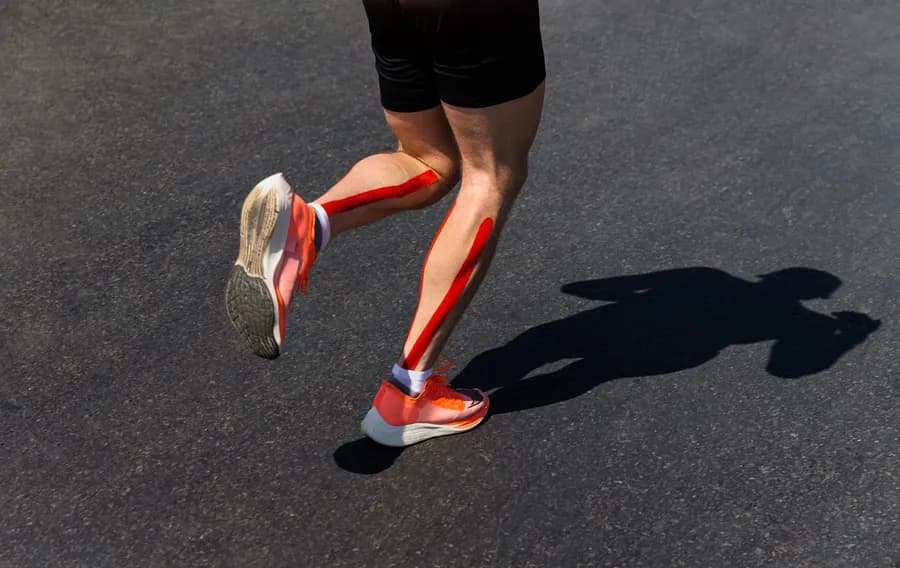
How to Strengthen Hamstring Muscles: Exercises & Tips
Learn how to strengthen hamstring muscles with the best exercises, beginner tips, and a structured plan. Start your 14-day free trial trial with Habuild today.
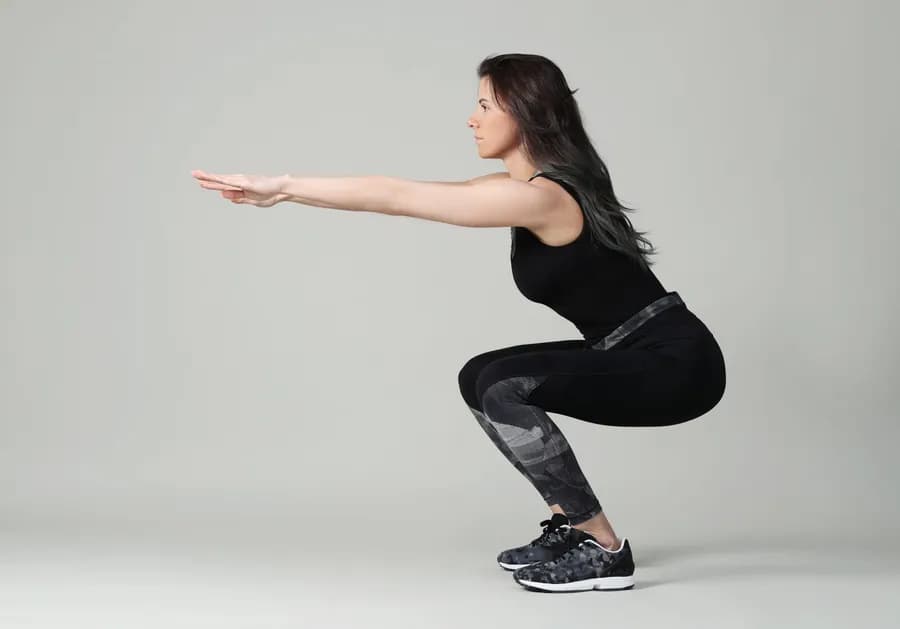
How to Do a Proper Squat: Form, Mistakes and Progressions
We're born with a perfect squat pattern and gradually lose it through years of sitting — relearning it activates the largest muscle groups and the strongest hormonal response. See the form, mistakes, and progressions.
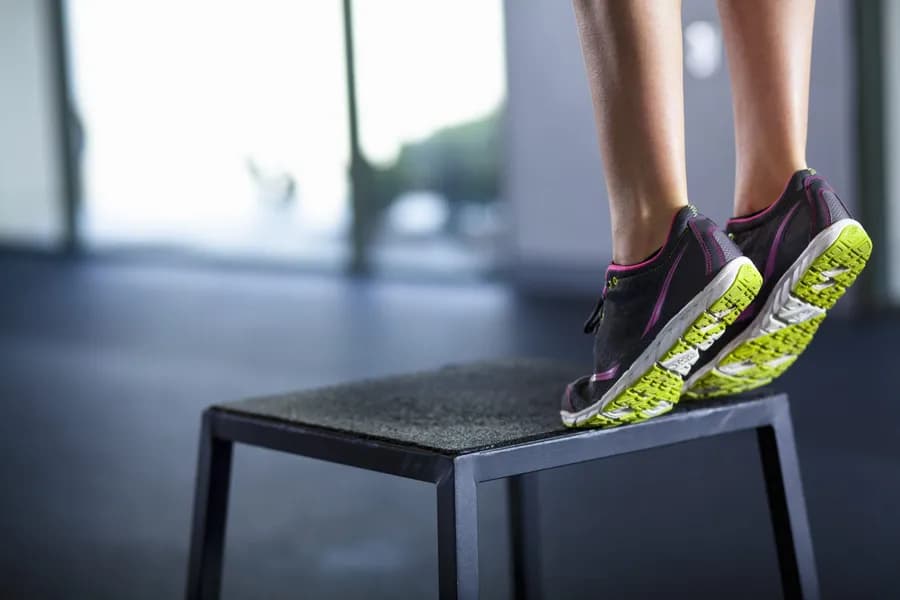
How to Do Calf Raises: Benefits, Form & Exercises
Learn how to do calf raises correctly at home — proper form, common mistakes, and beginner tips. Start your free 7-day trial with Habuild with a 14-day free trial.