
10 Best Warm Up Exercises at Home for Full Body
Discover the 10 best warm up exercises at home for a full body prep. Start moving safely with Habuild — try your first 7 days with a 14-day free trial.

Key Takeaways
- Raises core body temperature, making muscles more pliable and less prone to tears.
- Directs oxygen-rich blood to the muscles about to be used, improving endurance and contractions.
- Dynamic movements stimulate synovial fluid production, keeping joints lubricated rather than stiff.
- Improves brain-to-muscle communication, sharpening reaction time, balance, and coordination.
- Builds heart rate up progressively instead of spiking it, reducing cardiovascular stress.
- Ten exercises covering every major muscle group take less than 10 minutes total.
Warm up exercises at home are low-intensity, dynamic movements performed before a main workout to raise body temperature, increase blood flow to muscles, and prepare joints for safe activity — all without any equipment. The 10 exercises in this guide cover every major muscle group and take less than 10 minutes.
Skipping your warm-up is one of the most common reasons people get injured or feel stiff during workouts. Whether you're about to strength train, do yoga, or go for a run, this guide covers the most effective full body warm up exercises you can do without any equipment, right in your living room.
10 Benefits of Warming Up Before Exercise
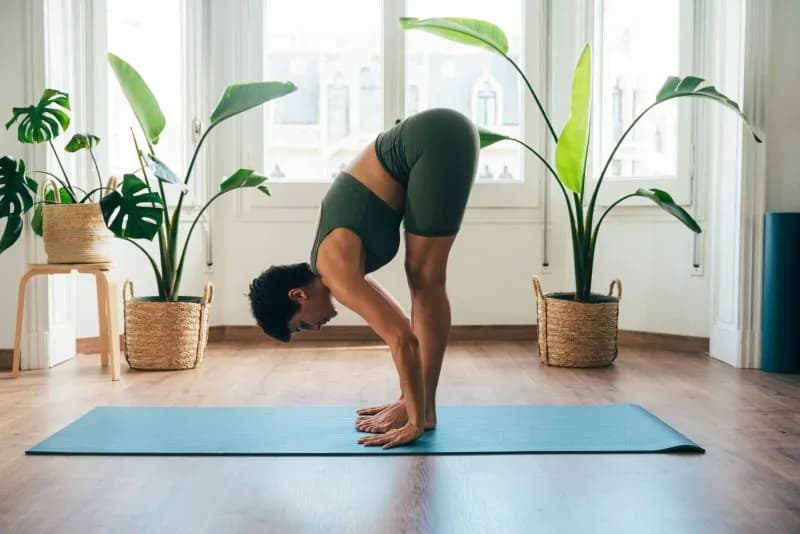
- Raises Core Body Temperature A proper warm-up gradually increases your body temperature, which makes muscles more pliable and reduces the risk of tears or strains during intense movement. Think of it as switching your body from standby mode to active mode.
- Boosts Blood Flow to Muscles Warming up directs oxygen-rich blood to the muscles you're about to use. This means better endurance, stronger contractions, and reduced cramping during your main session.
- Improves Joint Mobility Joints need synovial fluid to move smoothly. Dynamic warm-up movements stimulate that fluid production, so your knees, hips, and shoulders feel lubricated rather than grinding and stiff.
- Activates the Nervous System Your brain-to-muscle communication improves after a warm-up. Reaction time, balance, and coordination all sharpen — which matters whether you're lifting weights or holding a yoga pose.
- Reduces Injury Risk Cold muscles are brittle. A structured warm-up significantly lowers your chances of pulls, sprains, and overuse injuries — especially important if you train at home without a spotter or coach watching your form.
- Mentally Prepares You for the Session A warm-up creates a transitional ritual. It signals to your mind that training time has begun, helping you focus, drop distractions, and commit to the session ahead.
- Gradually Elevates Heart Rate Jumping straight into high-intensity movement spikes your heart rate abruptly. A warm-up builds it up progressively, reducing unnecessary cardiovascular stress.
- Enhances Flexibility Dynamic stretching during a warm-up temporarily increases range of motion. Over time, consistent warm-ups contribute to lasting improvements in flexibility — without the risk of overstretching cold tissue.
- Improves Performance Studies consistently show that athletes who warm up perform better — more reps, heavier lifts, and sharper movement patterns — compared to those who skip it entirely.
- Supports Consistency in Training When warm-ups feel good, you're more likely to keep showing up. A short, enjoyable warm-up routine lowers the mental barrier to starting a workout, especially on tough days.
How to Get Started with Warm Up Exercises at Home
What You Need to Begin
You need nothing but a clear floor space of about 2×2 metres and comfortable clothing. No mat is strictly required, though a yoga mat adds grip and cushioning on hard floors. No dumbbells, no resistance bands, no machines — just your bodyweight and about 8–10 minutes.
If you're following a structured program, your warm-up will flow naturally into the main session without any extra setup. You can explore how to do strength training at home to see exactly how warm-ups fit into a full session.
Setting Realistic Goals
A warm-up isn't where you push hard — it's where you prepare. Keep intensity low to moderate. Your breathing should be easy, not laboured. Aim to feel slightly warm and loosened up by the end, not fatigued. Save the effort for your main workout.
Five to ten minutes is the sweet spot. More than 15 minutes and you risk pre-fatiguing the muscles you need for your actual session.
Start with the Basics
Beginners should focus on mobility-first movements: neck rolls, shoulder circles, hip circles, and light marching. These gentle, rhythmic motions are beginner-safe and require zero prior fitness. Once these feel natural, layer in more dynamic exercises like leg swings and jumping jacks. Consistency matters more than complexity at the start.
Best Warm Up Exercises at Home: Full Body Routine
These 10 exercises cover every major muscle group and joint. Perform each for 30–45 seconds unless sets and reps are specified. Rest minimally between exercises to keep your heart rate rising gradually.
1. Neck Rolls
Slowly roll your neck in a half-circle from shoulder to shoulder, pausing where you feel tightness. This releases tension from the cervical spine — especially useful if you've been sitting at a desk. Do 5 slow rolls each direction.
2. Shoulder Circles
Roll both shoulders forward 10 times, then backward 10 times. This activates the rotator cuff and loosens the thoracic spine — two areas that commonly tighten during sedentary periods. Keep the movement large and controlled.
3. Arm Swings
Stand with feet shoulder-width apart and swing both arms forward and backward in large arcs, then cross them in front of your chest in a hugging motion. Alternate which arm crosses over the top. Do 15–20 swings in each pattern.
4. Hip Circles
Feet shoulder-width apart, hands on hips. Make large, slow circles with your hips — 10 clockwise, 10 counterclockwise. This lubricates the hip joint and activates the glutes and hip flexors, which are critical for squats, lunges, and most lower body work.
5. Leg Swings (Forward and Lateral)
Hold a wall for balance and swing one leg forward and back 10 times, then laterally across your body 10 times. Switch legs. Leg swings dynamically stretch the hamstrings, hip flexors, and adductors — making them one of the most effective full body warm up movements for lower body readiness.
6. High Knees
March in place and gradually increase pace until you're driving your knees up to hip height with each step. Run in place with high knees for 30–40 seconds. This elevates heart rate, activates the core, and warms the entire lower body. Excellent transition into strength or cardio training.
7. Arm Circles
Extend arms straight to your sides and make small circles, gradually increasing to large circles. Do 15 forward, 15 backward. Simple but highly effective for warming the deltoids and preparing overhead shoulder movements.
8. Bodyweight Squats (Slow Tempo)
Perform 10 slow squats at half your normal speed — 3 seconds down, 1 second pause at the bottom, 2 seconds up. The slow tempo warms the quads, hamstrings, glutes, and knees without adding heavy load. This is a direct preparation move for any lower body or compound strength exercise. Build on this with effective leg workouts at home once your warm-up habit is solid.
9. Cat-Cow Stretch
Start on all fours. On an inhale, drop your belly toward the floor and lift your head (Cow). On an exhale, round your spine toward the ceiling and tuck your chin (Cat). Move slowly through 8–10 full cycles. This mobilises every vertebra from the tailbone to the neck and is one of the best warm-up moves for spinal health.
10. Jumping Jacks
Finish your warm-up with 30 seconds of jumping jacks to bring your heart rate to a good working level. This full body movement coordinates the upper and lower body, warms the cardiovascular system, and signals to your brain that it's time to train. If jumping isn't suitable, substitute with step jacks — the same arm motion without the jump.
Common Mistakes to Avoid When Warming Up
- Poor Form Even in a warm-up, sloppy form reinforces bad movement patterns. Keep your core lightly engaged during squats and swings. Maintain a neutral spine during cat-cow and arm circles. The warm-up is where you rehearse good mechanics, not where you rush through the motions.
- Skipping the Warm-Up Entirely Most home workout injuries happen in the first five minutes of training — before the body is ready. Skipping the warm-up to "save time" is a trade-off that rarely ends well. Even a 5-minute abbreviated version is far better than none.
- Overtraining the Warm-Up Going too hard, too long in the warm-up depletes the energy you need for your actual session. Keep effort at 40–60% of your maximum. If you're sweating heavily and breathing hard by the end of your warm-up, you've gone too far.
- Inconsistency Warming up once a week and skipping it the other six days defeats the purpose. The benefits — improved mobility, injury resilience, and performance readiness — build up only with consistent daily practice. Make it non-negotiable, even on rest days when you do lighter mobility work. Understanding what strength training exercises involve helps you see exactly why the warm-up is a non-negotiable first step.
Who Should Try Warm Up Exercises at Home?
- Beginners If you're brand new to exercise, the warm-up is actually the best place to start your fitness journey. These low-impact, gentle movements build foundational mobility and body awareness before you add any intensity. You'll feel more confident in your body within a week of consistent warm-up practice.
- Women Warm-up exercises are particularly beneficial for women who experience tight hips, lower back stiffness, or hormonal fluctuations that affect joint laxity. Dynamic hip and spine mobilisation — like hip circles and cat-cow — directly address these areas. A good warm-up makes every strength session safer and more effective.
- Older Adults As we age, joints take longer to warm up and muscles are less responsive to sudden demands. A thorough 10-minute warm-up becomes even more important after 40 or 50. Gentle movements like neck rolls, shoulder circles, and slow bodyweight squats are safe and highly recommended. Please consult your doctor if you have existing joint conditions or cardiovascular concerns before beginning any new exercise routine.
- Working Professionals If you sit at a desk for 8+ hours, your hip flexors shorten, your thoracic spine rounds, and your glutes become underactive. A targeted home warm-up routine — specifically including hip circles, leg swings, and cat-cow — directly counters these postural imbalances. Ten minutes before your workday starts or during a lunch break can meaningfully reduce chronic neck and back tightness.
Build Strength with a Routine That Actually Works
Building strength isn't about doing random workouts — it's about consistency, guidance, and following a structured plan that includes proper preparation from day one. With the right support, you can train effectively from home and see real progress over time.
What You Get with Habuild's Strong Everyday Program:
- Daily live guided strength and yoga sessions — with warm-up built in
- Beginner to advanced progression so you're always challenged but never overwhelmed
- No-equipment and home-friendly workouts designed for real living spaces
- Expert guidance to ensure correct form from your very first session
- Community support to stay consistent when motivation dips
Explore the best exercises for building strength at home to see what a structured home training progression looks like before you commit.
Start Your Strength Training Journey
Related reads: 30 Minute Full Body Workout at Home · 20 Minute Full Body Workout: 10 Benefits, Best Exercises & How to Start
A good warm-up only does its job when it's a consistent first step before every session, not something skipped on rushed days. Making that five-minute step non-negotiable is often what separates injury-free progress from setbacks. Habuild's Strong Everyday builds warm-ups into every guided session, so your body is prepped and protected before the real work begins.
Frequently Asked Questions
Related Articles

Warm Up Exercises Before Workout
Discover the best warm up exercises before workout to boost shoulder stability and prevent injury. Start your ₹1 trial with Habuild today.
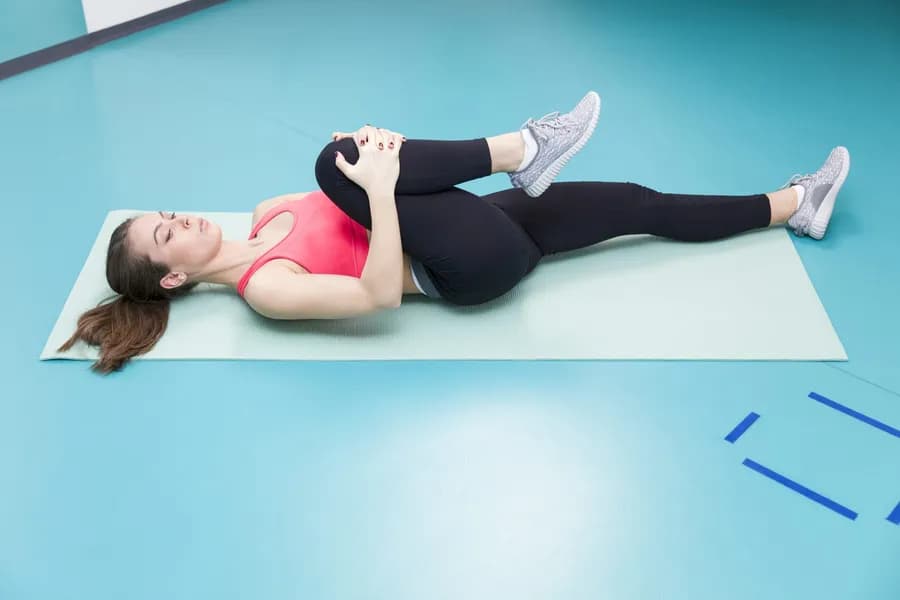
What Are Mobility Exercises? Complete Guide for Beginners
Controlled movements that take your joints through their full range of motion build flexibility, strength, and stability together, unlike static stretching. See the complete guide for beginners.
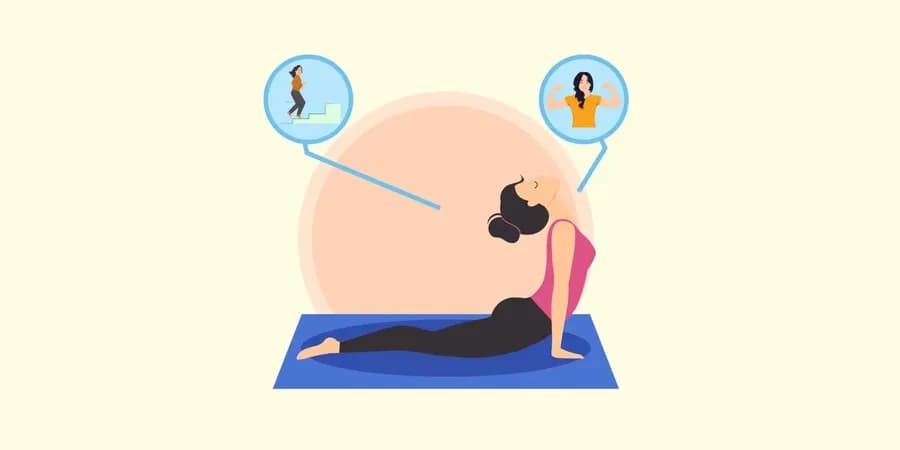
What Is The Best Exercise For Flexibility? Top Picks
A daily 15-minute routine combining downward dog, low lunge, butterfly, and seated forward fold builds lasting range of motion better than long, occasional sessions. See the top picks.

What Are Relaxation Exercises? Benefits & How to Start
Slow breathing, progressive muscle relaxation, gentle stretches, body scans, and restorative poses calm your nervous system in just 5-15 minutes daily. See the benefits and how to start.