
What Are Relaxation Exercises? Benefits & How to Start
Slow breathing, progressive muscle relaxation, gentle stretches, body scans, and restorative poses calm your nervous system in just 5-15 minutes daily. See the benefits and how to start.

Key Takeaways
- Includes slow breathing, progressive muscle relaxation, body scans, and restorative poses.
- Just 5-15 minutes daily can help you sleep deeper and handle pressure more steadily.
- Slow, conscious breathing shifts the body from fight-or-flight into rest-and-digest mode.
- A two-minute breathing break between meetings clears mental clutter and sharpens focus.
- May gradually ease chronic pain by reducing the muscle guarding that worsens discomfort.
- Best started with five minutes a day in the first week, building up to fifteen or twenty.
Relaxation exercises are intentional practices — slow breathing, progressive muscle relaxation, gentle stretches, body scans, and restorative poses — that calm your nervous system, release muscle tension, and ease everyday stress. Practiced for just 5–15 minutes daily, they help you sleep deeper, focus better, and handle pressure with more steadiness.
If you have ever wondered what are relaxation exercises and whether they can actually help you feel calmer, you are in the right place. These simple, intentional practices slow your breathing, soften tense muscles, and shift your nervous system out of constant alert mode. They include breathwork, gentle stretches, progressive muscle relaxation, guided imagery, and restorative yoga postures. Practiced consistently, they help you deal with stress, sleep more deeply, and stay focused through long days.
This guide walks you through the benefits, the best techniques, common mistakes, and who they work best for — so you can start today without any equipment.
8 Benefits of Practicing Relaxation Exercises Daily
- Calms an Overactive Nervous System Slow, conscious breathing signals your body to switch from “fight or flight” into “rest and digest” mode. Over weeks of consistent practice, this lowers baseline stress and helps you respond rather than react.
- Improves Sleep Quality A short wind-down routine before bed quiets a busy mind. Many people notice they fall asleep faster and wake up less often when they practice yoga for sleep as part of their evening ritual.
- Reduces Muscle Tension and Stiffness Relaxation exercises like progressive muscle relaxation release the holding patterns you build up at your desk, on long commutes, or after intense workouts.
- Supports Lower Blood Pressure Regular slow-breathing practice supports healthier blood pressure readings over time when combined with movement and good nutrition.
- Sharpens Focus and Memory A two-minute breathing break between meetings clears mental clutter. You return to work calmer and able to think more clearly.
- Eases Everyday Anxiety Guided breathwork helps you deal with anxious thoughts by anchoring your attention to the present moment.
- Helps Manage Chronic Pain Gentle relaxation may gradually ease how pain feels by reducing the muscle guarding that often makes discomfort worse.
- Builds Emotional Resilience Daily practice trains you to pause before reacting, which improves how you handle work pressure, family stress, and unexpected events.
How to Get Started with Relaxation Exercises
What You Need to Begin
You need almost nothing. A quiet corner, a yoga mat or a folded blanket, and five to ten uninterrupted minutes. Loose clothing helps. A timer on your phone keeps you from checking the clock.
Setting Realistic Goals
Start with five minutes a day for the first week, then build up to fifteen or twenty. Do not try to “fix” your stress in one session. The goal is gentle consistency, not intensity. If you miss a day, simply start again the next morning.
Start with the Basics
Begin with one breathing technique and one body-based practice. For example, three minutes of slow diaphragmatic breathing followed by two minutes lying in savasana. As your body learns to settle, you can add more techniques.
Best Relaxation Exercises to Try Today
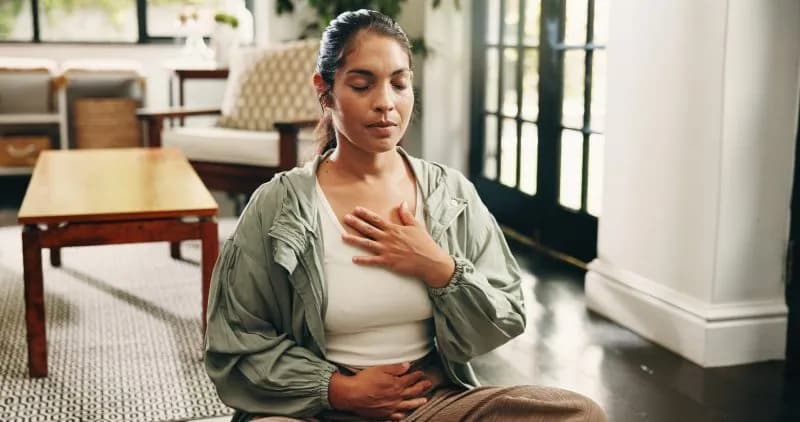
Diaphragmatic (Belly) Breathing
Sit or lie down. Place one hand on your belly. Inhale through your nose for four counts, letting your belly rise. Exhale slowly for six counts. Repeat for 3–5 minutes. This is the foundation of every other technique.
Progressive Muscle Relaxation
Starting at your feet, tense each muscle group for five seconds, then release for ten. Move slowly up to your face. By the end your whole body feels lighter. Do 2 rounds, 3–4 times a week.
Alternate Nostril Breathing
A classic pranayama that balances the nervous system. Learn the full technique through benefits of anulom vilom and practice it for 5 minutes after waking up.
Child’s Pose with Long Exhales
Kneel on the mat, fold forward, and rest your forehead on the ground. Breathe slowly for 8–10 deep breaths. This pose calms the back body and signals safety to the brain.
Legs-Up-the-Wall
Lie on your back with your legs resting up against a wall. Stay for 5–10 minutes. It eases tired legs and slows your heart rate beautifully.
Guided Body Scan
Lying down, move your attention slowly from your toes to the crown of your head, noticing sensation without judgment. Ten minutes is plenty. This is the heart of yoga nidra benefits — a deeply restorative practice.
4-7-8 Breathing Before Bed
Inhale for 4 counts, hold for 7, exhale for 8. Four cycles is enough to quiet a racing mind. Best used right before sleep.
Common Mistakes to Avoid
- Forcing the Breath Relaxation breathing should feel smooth, not strained. If you feel dizzy, return to normal breathing and try shorter counts next time.
- Skipping the Setup Trying to relax in a noisy, bright room rarely works. Dim the lights, silence notifications, and tell people you need ten minutes.
- Practicing Only When Stressed The technique works best when your body already knows it. Practice on calm days too, so it is available when you really need it.
- Inconsistency Five minutes daily beats forty minutes once a week. Anchor it to an existing habit — after brushing your teeth, before lunch, or right before bed.
- Expecting Instant Results The first few sessions may feel awkward. Stay with it. Real changes in sleep, mood, and tension show up after 2–3 weeks of regular practice.
Who Should Try Relaxation Exercises?
- Beginners No flexibility, no fitness level, and no experience required. If you can breathe and lie down, you can start today.
- Women Particularly helpful during high-stress weeks, hormonal shifts, or postpartum recovery. Pelvic floor relaxation exercises are especially valuable for women dealing with tightness or pelvic discomfort — practice gentle hip openers and slow breathing to release the area.
- Older Adults Gentle breathwork and supported poses are accessible at any age and support mobility, sleep, and calm. Always check with your doctor before starting if you have a medical condition.
- Working Professionals A 5-minute reset between meetings prevents the afternoon energy crash. It also pairs beautifully with strength training — relaxation helps your body recover between sessions and reduces stress-related stiffness.
Build Strength and Calm with a Routine That Actually Works
Real progress is not about random workouts or random breathing apps — it is about consistency, guidance, and following a structured plan. With the right support, you can build a body that is strong and a mind that is calm, all from home.
What You Get with Habuild’s Program:
- Daily live guided strength and relaxation sessions
- Beginner to advanced progression at your pace
- No-equipment, home-friendly routines
- Expert guidance to ensure correct form and safe breathing
- Community support that keeps you consistent
Related reads: What Are Dip Exercises? Benefits, Types & How to Start · What Are Pelvic Exercises? Benefits, Moves & How to Start
Calming your nervous system isn’t a one-time fix — the benefits of breathing, stretching, and restorative practice build the more regularly you show up for them. Trying to remember and sequence these on your own each day can quietly become one more thing to manage. Habuild’s Strong Everyday program pairs guided relaxation and movement sessions so calming your body becomes part of a structured routine, not another task.
Frequently Asked Questions
Related Articles
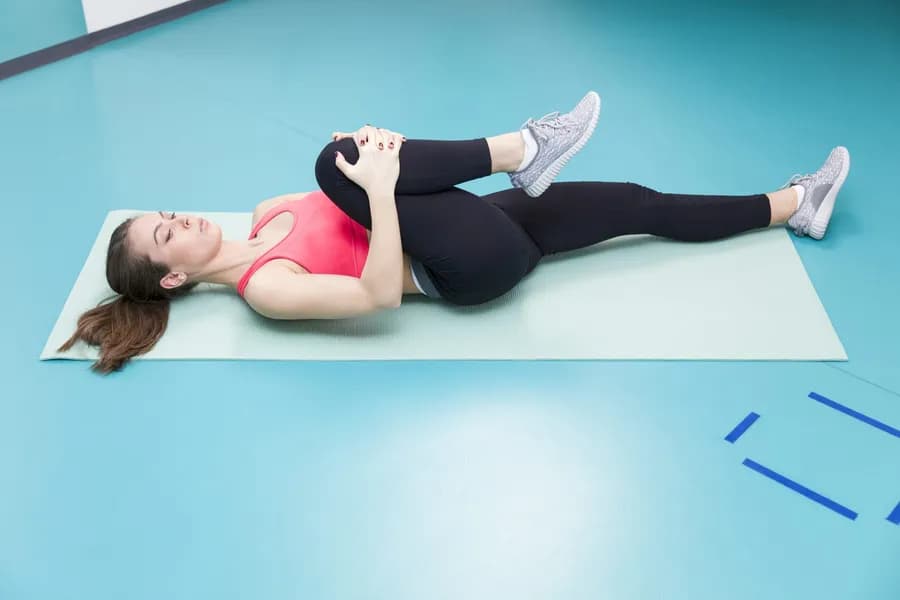
What Are Mobility Exercises? Complete Guide for Beginners
Controlled movements that take your joints through their full range of motion build flexibility, strength, and stability together, unlike static stretching. See the complete guide for beginners.
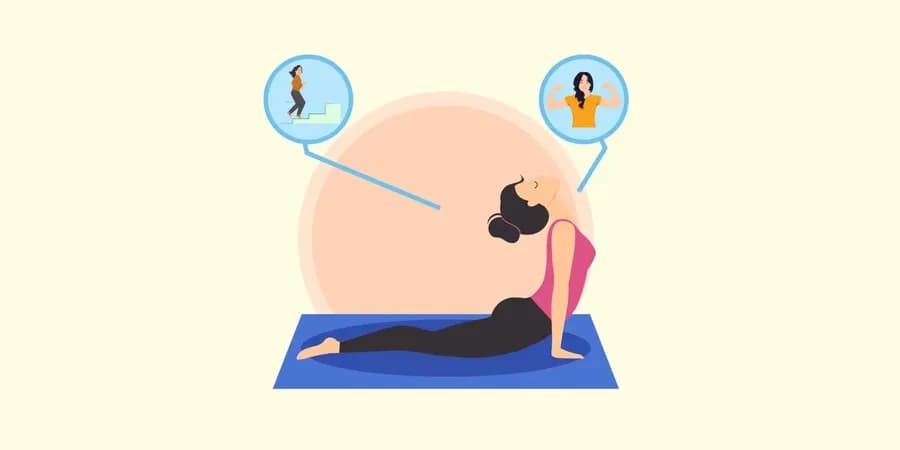
What Is The Best Exercise For Flexibility? Top Picks
A daily 15-minute routine combining downward dog, low lunge, butterfly, and seated forward fold builds lasting range of motion better than long, occasional sessions. See the top picks.
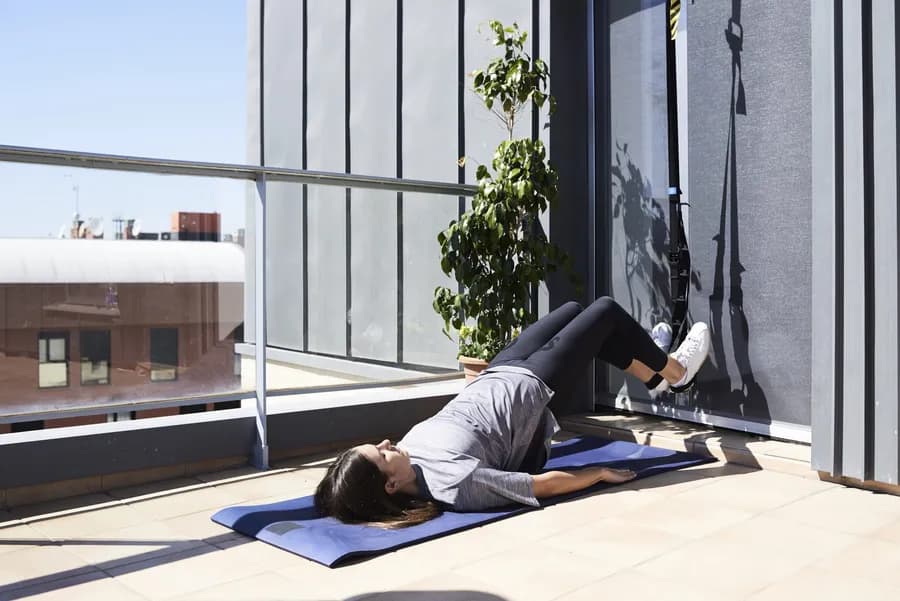
Wall Pilates Exercises: Full Guide for Strength & Toning
Using a wall for support and feedback builds core strength, improves posture, and tones the body with low-impact, joint-friendly precision. See the full guide.

What Are Strenuous Exercises? Meaning, Examples & Guide
High-intensity activities like sprint intervals, heavy compound lifts, and HIIT circuits push your heart rate to 70-85% of maximum, making conversation difficult. See the meaning, examples, and guide.
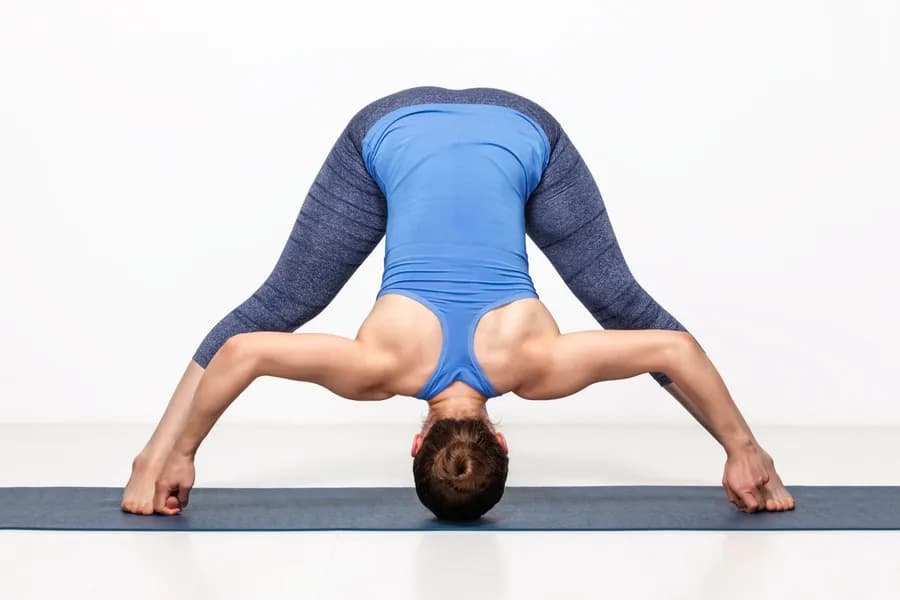
What Is Intense Exercise? Meaning, Examples & Benefits
Sprints, HIIT, heavy lifting, or explosive bodyweight work push your heart rate, breathing, and muscles significantly harder than light movement. See the meaning, examples, and benefits.