
What Are Bird Dog Exercises? Benefits, Form & Routine
Extending one arm and the opposite leg from a tabletop position trains your core, spine stabilisers, hips, and shoulders to work together as one unit. See the benefits, form, and routine.
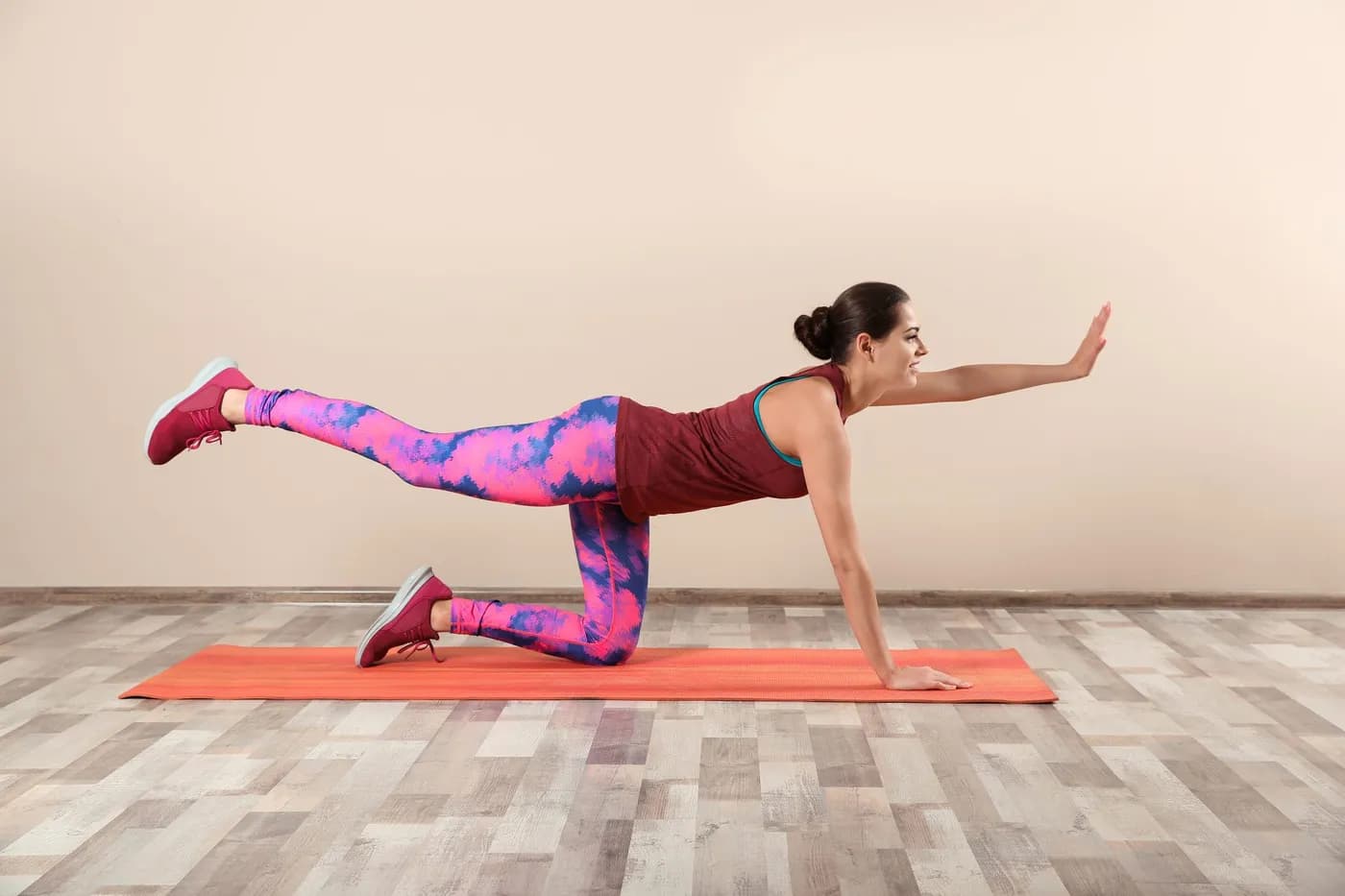
Key Takeaways
- Extends one arm and the opposite leg simultaneously from a tabletop quadruped position.
- Activates the transverse abdominis and multifidus, deeper spine stabilisers than crunches reach.
- Widely used by physiotherapists, strength coaches, and yoga teachers as a core-stability drill.
- Trains the nervous system to coordinate opposite sides of the body for steadier walking.
- The glute medius and shoulder stabilisers fire to keep the body level during the hold.
- A realistic start is 2 sets of 8 reps per side, three days a week, prioritising control.
Bird dog exercises are a quadruped bodyweight movement where you extend one arm and the opposite leg from a tabletop position to train your core, spine stabilisers, hips, and shoulders to work together as one unit. They build deep core stability, support a healthier lower back, and need no equipment.
If you have ever asked yourself what are bird dog exercises, the short answer is simple: it is a quadruped bodyweight movement that trains your core, spine stabilisers, hips, and shoulders to work as one unit. It looks easy, but the bird-dog exercise is one of the most respected core-stability drills used by physiotherapists, strength coaches, and yoga teachers. In this guide, you will learn the correct bird dog exercise form, the real benefits, who it suits, and how to add it to a daily routine that actually builds consistency.
Top Benefits of the Bird Dog Exercise
The bird and dog exercise looks gentle, but it asks a lot from your body. Done with control, it teaches your trunk to stay still while your limbs move — which is exactly how the body works during walking, lifting, and most daily tasks.
- Builds Deep Core Stability Unlike crunches that train surface muscles, bird-dog activates the deeper layer of stabilisers around the spine, including the transverse abdominis and multifidus. This is the foundation of a strong, supported back.
- Supports a Healthier Lower Back Bird dog exercise benefits are most felt by people who sit for long hours. By teaching the spine to hold a neutral position under movement, it supports management of dull lower-back stiffness through consistent daily practice.
- Improves Balance and Coordination Moving opposite arm and leg trains your nervous system to coordinate both sides of the body. This translates to steadier walking, better posture, and confident movement as you age.
- Strengthens Glutes and Shoulders When the extended leg lifts to hip height and the arm reaches forward, your glute medius and shoulder stabilisers fire to keep you level. Over weeks, this builds quiet strength in often-neglected muscles.
- Bridges Yoga and Strength Work The bird dog sits beautifully between yoga and strength training. You can pair it with poses like the cat-cow flow to warm up the spine before any workout.
How to Get Started with Bird Dog Exercises
What You Need to Begin
You need almost nothing — a yoga mat or carpeted floor, a few feet of space, and about five minutes. No dumbbells, no bands, no machines. That is what makes this drill so practical for home practice.
Setting Realistic Goals
Start with 2 sets of 8 reps per side, three days a week. Do not chase reps or speed. The goal is control: every rep should feel deliberate. Track how steady your hips feel, not how many you finish.
Start with the Basics
Begin on hands and knees. Wrists under shoulders, knees under hips, spine long, eyes down. Brace your core gently, as if someone were about to tap your stomach. Extend your right arm forward and your left leg back, keeping both parallel to the floor. Pause for two seconds, return slowly, then switch sides. That is one rep on each side. Pair this with a beginner-friendly structured strength training program for full-body progress.
Best Exercises to Pair with Bird Dog
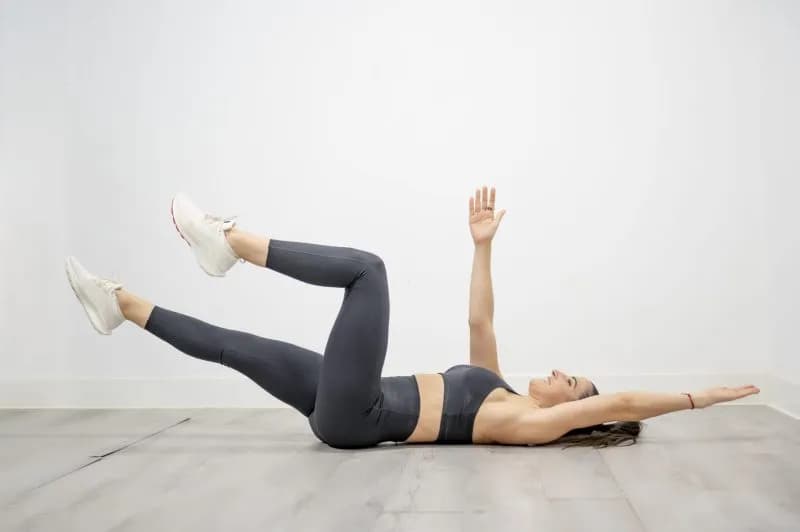
Dead Bug
A flipped version of bird-dog done on your back. It teaches the same core bracing pattern with less load on the wrists. Try 2 sets of 10 reps per side.
Plank
Holds the body in a straight line and reinforces the same neutral-spine cue. Start with 20-second holds and build up to a minute over a few weeks.
Glute Bridge
Activates glutes and posterior chain, which makes the bird dog’s leg lift feel cleaner. 2 sets of 12 reps work well as a warm-up.
Cat-Cow Stretch
A gentle spinal mobilisation that prepares your back for the controlled stillness bird-dog demands. Five slow rounds before your set.
Side Plank
Trains the lateral core, balancing what bird dog builds on the front and back. Hold 15–30 seconds per side.
Bodyweight Squat
Adds lower-body strength to round out the routine. For a fuller plan, look at this full body strength workout with no equipment.
Common Mistakes to Avoid
- Poor Form The biggest mistake is letting the lower back sag or the hips twist as the leg lifts. Keep the spine flat — imagine balancing a glass of water on your lower back.
- Skipping Warm-up Going into bird-dog with a cold, stiff spine reduces the benefit and increases the chance of strain. Two minutes of cat-cow or gentle marching solves this.
- Overtraining More reps do not mean more progress. Quality over quantity. Three focused sessions a week build more stability than daily sloppy ones.
- Inconsistency The honest gap most people face is not technique — it is showing up. Five minutes done daily for a month will outperform a one-hour session done once and forgotten. This is exactly the consistency gap a guided routine helps close.
Who Should Try Bird Dog Exercises?
- Beginners It is one of the safest entry points into core training. No equipment, low impact, and easy to scale by reducing the range of motion.
- Women Excellent for postpartum recovery, pelvic stability, and posture support. It strengthens without bulk and complements gentler practices like yoga beautifully.
- Older Adults Helps with balance, coordination, and gentle back support. Please check with your doctor first if you have existing spine concerns — bird dog complements your care, it does not replace medical advice.
- Working Professionals If you sit eight hours a day, this is one of the highest-return five-minute drills you can do. It opens the hips, wakes up the glutes, and resets your spine. Add it to a quick morning routine alongside core muscle exercises for steady progress.
Build Strength with a Routine That Actually Works
Building strength is not about doing random workouts — it is about consistency, guidance, and following a structured plan. With the right support, you can train effectively from home and see real progress over time.
What you get with Habuild’s Strong Everyday Program:
- Daily live guided strength and yoga sessions
- Beginner to advanced progression
- No-equipment, home-friendly workouts
- Expert guidance to ensure correct form
- Community support to stay consistent
Related reads: What Are Kegel Exercises? Benefits, How To & Routine · What Are Core Exercises? Complete Guide for Strength
Bird dog exercises train your core and stabilizers to work as one unit, but that coordination only sharpens with repeated, guided practice — not the occasional session squeezed in between other workouts. A structured plan gives moves like this the consistency they need to actually improve balance and spine health. Habuild’s Strong Everyday program builds exercises like these into a guided routine designed for steady, week-over-week progress.
Frequently Asked Questions
Related Articles

What Are Core Exercises? Complete Guide for Strength
Movements training the muscles around your trunk — abdominals, obliques, lower back, hips, and pelvic floor — build the stability behind every other workout. See the complete guide for strength.
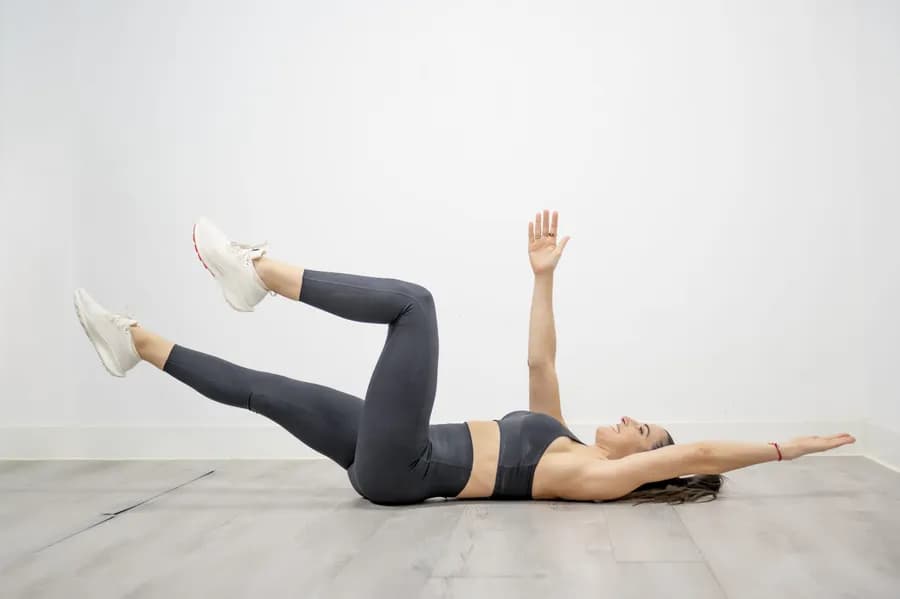
How to Do Dead Bug Exercise: Step-by-Step Guide for Deep Core Stability
This clinically supported core exercise builds transverse abdominis activation and anti-rotation strength with zero compressive load on the spine — but is almost always performed incorrectly. See the step-by-step guide.
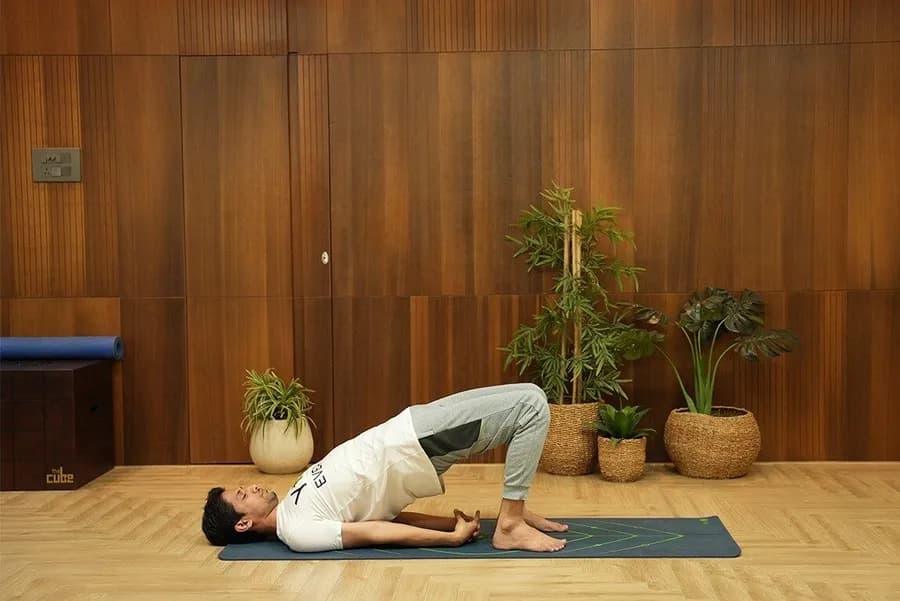
What Is Glute Bridge Exercise: Benefits & How to Do It
Lying on your back, bending your knees, and lifting your hips by squeezing your glutes strengthens the gluteus maximus, hamstrings, and core with no equipment. See the benefits and how to do it.
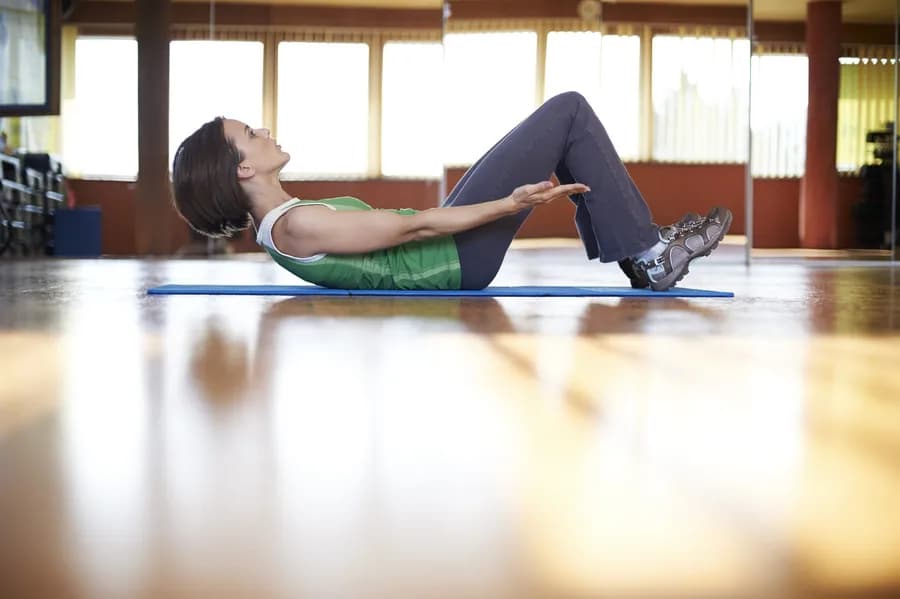
What Are Abdominal Exercises? Complete Beginner’s Guide
Movements targeting the rectus abdominis, obliques, transverse abdominis, and deep stabilisers build core strength and make every other movement safer and easier. See the complete beginner's guide.

What Are the Top 3 Exercises for Sciatica? Expert Guide
The piriformis stretch, the knee-to-chest stretch, and pelvic tilts release the piriformis muscle, decompress the lower back, and activate the deep core. See the expert guide.