
What Is Glute Bridge Exercise: Benefits & How to Do It
Lying on your back, bending your knees, and lifting your hips by squeezing your glutes strengthens the gluteus maximus, hamstrings, and core with no equipment. See the benefits and how to do it.
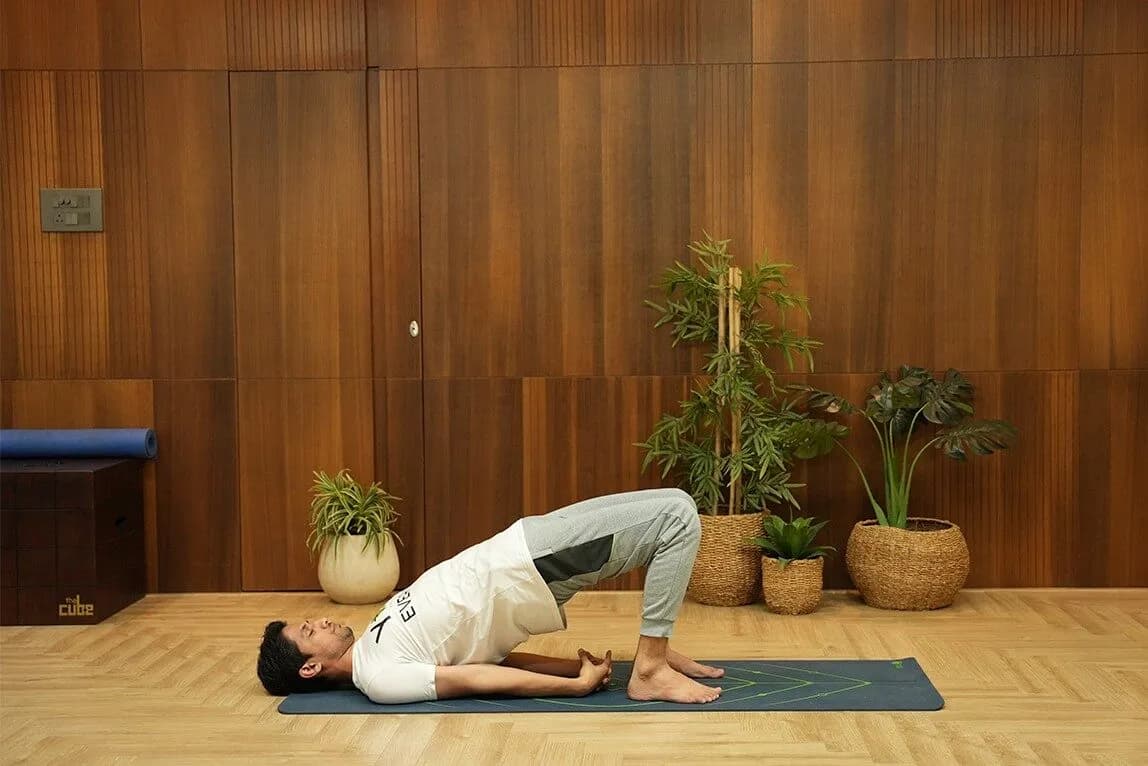
Key Takeaways
- Prolonged sitting leaves most people with sleeping glutes that bridges wake back up.
- A realistic goal is 2 sets of 10-12 reps, three times a week, with quality over quantity.
- Holding the top position for 2 seconds delivers more benefit than 30 rushed reps.
- Stretches tight hip flexors at the front while strengthening the glutes at the back.
- Strong glutes pull the pelvis into neutral, helping the spine stack properly when sitting.
- Progresses from the standard floor bridge to single-leg or marching variations over time.
The glute bridge is a floor-based bodyweight exercise where you lie on your back, bend your knees, and lift your hips by squeezing your glutes. It strengthens the gluteus maximus, hamstrings, and core, eases lower-back tension, and improves hip mobility — all without any equipment, making it ideal for beginners and desk-bound professionals.
So what is glute bridge exercise really doing for your body? It activates the gluteus maximus, hamstrings, and core in one clean, low-impact motion, which makes it perfect for beginners, desk-bound professionals, and anyone rebuilding strength after a long break.
In this guide, you will learn how the movement works, the benefits it offers, the variations worth trying (including the single leg glute bridge and glute bridge march), and the most common mistakes that quietly hold people back.
Benefits of the Glute Bridge Exercise
The glute bridge punches well above its weight. It needs no equipment, takes up barely any space, and delivers benefits that carry over into daily life — climbing stairs, lifting groceries, sitting for long hours without back pain.
- Strengthens the Glutes — The primary job of the glute bridge is to fire up the gluteus maximus — the largest muscle in your body. Most people have "sleeping" glutes from prolonged sitting, and bridges wake them back up through controlled hip extension.
- Eases Lower Back Tension — Weak glutes force the lower back to overwork. By teaching your hips to do their share, the bridge helps reduce that compensation pattern. Pairing bridges with Yoga For Lower Back Pain sequences can support people who sit for long hours and feel persistent stiffness.
- Improves Hip Mobility — Tight hip flexors are common in modern lifestyles. The bridge stretches the front of the hips while strengthening the back of them — a balanced trade-off most exercises miss.
- Builds Core Stability — To hold the bridge position cleanly, your deep core has to engage. Over time, this translates into better posture and a more stable midsection.
- Supports Better Posture — Strong glutes pull the pelvis into a neutral position, which helps your spine stack properly. This is especially useful for people who sit 8–10 hours a day.
How to Get Started with Glute Bridges
What You Need to Begin
Almost nothing. A soft mat or carpet, comfortable clothing, and enough floor space to stretch out fully. No dumbbells, no bands, no gym membership required. This is one of the reasons it fits so well into home routines like Full Body Strength Workout No Equipment.
Setting Realistic Goals
Start with 2 sets of 10–12 reps, three times a week. Focus on quality over quantity. Holding the top position for 2 seconds gives you far more benefit than rushing through 30 sloppy reps. Consistency beats intensity every time.
Start with the Basics
Master the standard floor bridge before adding variations. Once you can do 3 sets of 15 clean reps without your lower back taking over, you are ready to progress to single leg or marching versions.
Best Exercises and Variations to Try
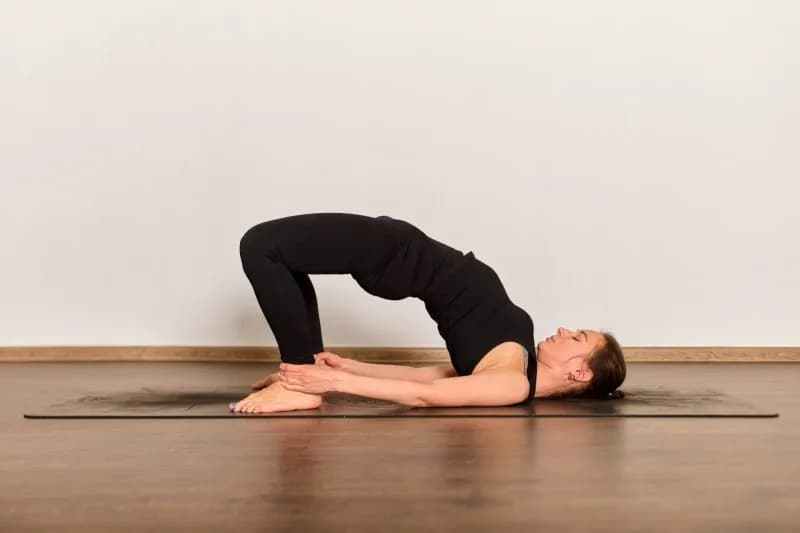
Standard Glute Bridge (Floor)
Lie on your back, knees bent, feet flat on the floor about hip-width apart. Press through your heels, squeeze your glutes, and lift your hips until your body forms a straight line from shoulders to knees. Hold for 2 seconds, lower with control. Do 3 sets of 12 reps.
Single Leg Glute Bridge
From the standard position, extend one leg straight while keeping the other foot planted. Drive through the planted heel and lift your hips. This unilateral version exposes side-to-side imbalances and builds serious glute strength. Do 2 sets of 8 reps per leg.
Glute Bridge March
Hold the top of a standard bridge, then slowly lift one knee toward your chest, lower it, and switch sides — like a slow march. Your hips should stay level the whole time. This challenges core stability massively. Do 2 sets of 10 marches per side.
Elevated Glute Bridge
Place your feet on a low step or sturdy cushion. The increased range of motion lights up the glutes even more. Do 3 sets of 10 reps.
Glute Bridge with Hold
Lift into the bridge position and hold for 20–30 seconds. This isometric version builds muscular endurance and teaches you to maintain glute tension under fatigue.
Common Mistakes to Avoid
- Poor Form — Letting the knees cave inward, arching the lower back excessively, or pushing through the toes instead of the heels — these errors shift the work away from the glutes and onto the back. Keep knees tracking over your ankles and drive through the heels.
- Skipping Warm-up — Cold glutes do not fire well. A 3-minute warm-up with hip circles, cat-cow stretches, and a few bodyweight squats prepares the joints. Even basic Core Muscle Exercises before bridges can dramatically improve activation.
- Overtraining — The glutes are large, but they still need rest. Doing bridges every single day without recovery leads to soreness and stalled progress. Three quality sessions per week is plenty.
- Inconsistency — Skipping weeks at a time means you start over each time. Two short sessions every week, kept up for three months, will outperform bursts of motivation followed by long gaps.
Who Should Try the Glute Bridge Exercise?
- Beginners — If you are new to strength work, the bridge is one of the safest places to start. There is no balance challenge, no weight overhead, and the floor supports your spine throughout.
- Women — Strong glutes support pelvic health, posture, and lower-body shape without adding bulk. The bridge fits beautifully into a Female Strength Training routine because it builds functional strength without intimidating equipment.
- Older Adults — Bridges support hip strength, which is critical for balance and walking confidence. Older adults should start with shorter holds and consult a physician if they have any existing hip or back conditions before beginning.
- Working Professionals — Five minutes of bridges before bed or after a long workday can help offset hours of sitting. It is one of the fastest counter-moves to "desk posture."
Build Strength with a Routine That Actually Works
Building strength isn't about doing random workouts — it's about consistency, guidance, and following a structured plan. With the right support, you can train effectively from home and see real progress over time.
What You Get with Habuild's Strong Everyday Program:
- Daily live guided strength & yoga sessions
- Beginner to advanced progression
- No-equipment & home-friendly workouts
- Expert guidance to ensure correct form
- Community support to stay consistent
Explore the full Strength Training program and start your journey today. For runners and athletes, pairing bridges with Strength Training For Core sessions builds a stronger, more resilient lower body.
Start Your Strength Training Journey
Related reads: Bridge Exercise for Hips: Benefits, Form & Workout Plan · How to Do Glute Bridge: Proper Form, Benefits & Variations
The glute bridge is a simple move, but its benefits for hip mobility and lower-back tension build only with repeated, correctly-formed practice over weeks. Adding it to a broader, structured routine helps it do more than it could as a standalone exercise. Habuild's Strong Everyday program folds moves like this into guided, progressive strength sessions.
Frequently Asked Questions
Related Articles
How to Do a Proper Squat: Form, Mistakes and Progressions
We're born with a perfect squat pattern and gradually lose it through years of sitting — relearning it activates the largest muscle groups and the strongest hormonal response. See the form, mistakes, and progressions.
Do Planks Build Abs? the Honest Answer about Plank Effectiveness for Abs Development
Planks build the deep core muscles and isometric strength, but visible abs also require low enough body fat for that muscle to show — which needs full-body fat loss. See what planks actually do.
How to Do Dead Bug Exercise: Step-by-Step Guide for Deep Core Stability
This clinically supported core exercise builds transverse abdominis activation and anti-rotation strength with zero compressive load on the spine — but is almost always performed incorrectly. See the step-by-step guide.
What Are Kegel Exercises? Benefits, How To & Routine
Small, targeted contractions of the pelvic floor muscles support your bladder, bowel, and core with no equipment, no gym, no special setup needed. See the benefits and routine.
What Is The Best Exercise For Flexibility? Top Picks
A daily 15-minute routine combining downward dog, low lunge, butterfly, and seated forward fold builds lasting range of motion better than long, occasional sessions. See the top picks.