
What Do Kegel Exercises Do? Benefits Explained
Wondering what do Kegel exercises do? Discover their benefits for men and women, how to start, and build a consistent pelvic floor routine with Habuild.
Key Takeaways
- A common identification method: imagine trying to stop the flow of urine mid-stream.
- The pelvic floor acts like a hammock beneath the core, supporting bladder, bowel, and organs.
- Benefit both men and women, unlike many pelvic health practices assumed to be women-only.
- For men, often recommended after prostate surgery to support recovery and bladder control.
- The pelvic floor is part of the deep core system, not an isolated muscle group.
- Pelvic floor improvements are gradual and cumulative rather than immediate.
Kegel exercises strengthen the pelvic floor — a group of muscles supporting the bladder, bowel, and reproductive organs. Practiced consistently, they may gradually support better bladder control, core stability, and pelvic resilience in both men and women, with no equipment required.
If you've ever wondered what do Kegel exercises do, you're not alone. These simple movements target muscles that most fitness routines completely ignore — until a problem forces the conversation. This guide covers the benefits, the right way to start, and who stands to gain the most.
7 Benefits of Kegel Exercises for Men and Women
- Supports Bladder Control One of the most well-known functions of Kegel exercises is their role in managing urinary urgency and frequency. Strengthening the pelvic floor muscles may gradually ease symptoms of urinary incontinence — particularly common after childbirth or with age.
- Improves Pelvic Floor Strength The pelvic floor acts like a hammock beneath your core. Regular Kegel practice keeps these muscles active and engaged, supporting better posture, reducing lower back discomfort, and improving overall functional movement. Pairing Kegels with pelvic floor strength exercises amplifies these benefits further.
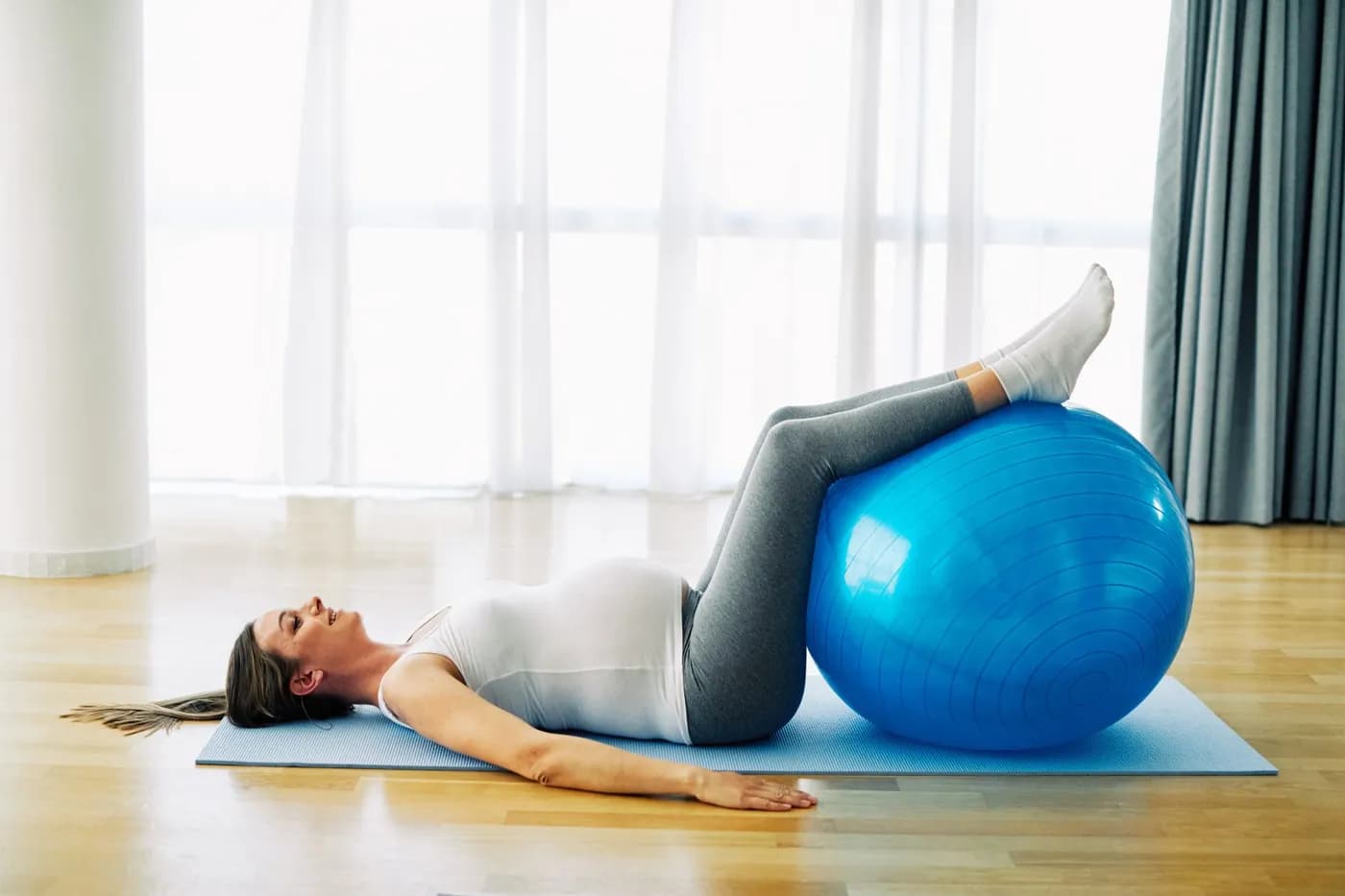
- Helps During and After Pregnancy For women, Kegels are especially beneficial during pregnancy and postpartum recovery. Strengthening the pelvic floor during pregnancy may help the body cope better with labor and support faster recovery afterward.
- May Improve Sexual Health A stronger pelvic floor is linked to improved sensation and control during intimacy for both men and women — a frequently underreported benefit of consistent Kegel practice.
- Supports Prostate Health in Men For men, Kegel exercises are often recommended after prostate surgery to support recovery and regain bladder control. They may also help manage symptoms of an overactive bladder with regular practice over time.
- Complements Core Training The pelvic floor is part of your deep core system, not an isolated unit. Pairing Kegels with core strength exercises enhances the stability benefits you get from both.
- Builds Long-Term Pelvic Resilience Like any muscle group, the pelvic floor weakens with age and sedentary habits. Consistent Kegel practice builds resilience gradually — making it a valuable lifelong habit rather than a short-term fix.
How to Get Started with Kegel Exercises
What You Need to Begin
Nothing. You don't need equipment, a gym membership, or a mat. You can practice Kegels sitting at a desk, lying down before bed, or standing in a queue. The first step is simply learning to identify the right muscles.
A common method: imagine you're trying to stop the flow of urine mid-stream. The muscles you engage are your pelvic floor muscles. Avoid tensing your abdomen, thighs, or glutes — the movement should be subtle and internal.
Setting Realistic Goals
Pelvic floor improvements are gradual and cumulative. Most people notice a difference after 4–6 weeks of daily practice. The goal isn't intensity — it's consistency. Three short sessions per day outperform one long session every time.
Reading about the broader benefits of Kegel exercises can keep you motivated through the early weeks when progress feels invisible.
Start with the Basics
Begin with this simple protocol:
- Identify your pelvic floor muscles as described above.
- Contract and hold for 3–5 seconds.
- Release and rest for 3–5 seconds.
- Repeat 10 times per set.
- Do 3 sets per day.
As strength builds over 2–3 weeks, gradually extend the hold time to 8–10 seconds. If you can't isolate the muscles clearly, a guided program helps significantly.
Best Kegel Exercises to Practice Daily
Basic Pelvic Floor Contraction
The foundational movement: contract, hold 5 seconds, release. 10 reps, 3 sets. This remains your daily anchor even as you progress to more complex variations.
Quick Flicks
Rapid contractions with immediate releases — no hold — done in sets of 10–15. Quick flicks train the fast-twitch pelvic floor fibers that respond to sudden pressure events like sneezing, laughing, or coughing.
Elevator Kegels
Imagine your pelvic floor as an elevator with four floors. Contract gradually in stages — floor 1, pause, floor 2, pause — up to floor 4, then release slowly in reverse. This builds fine neuromuscular control that basic holds cannot.
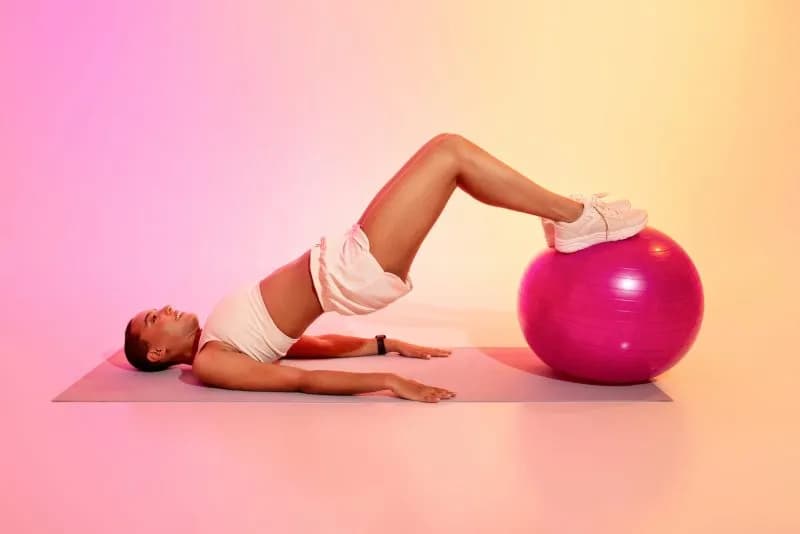
Bridge with Kegel
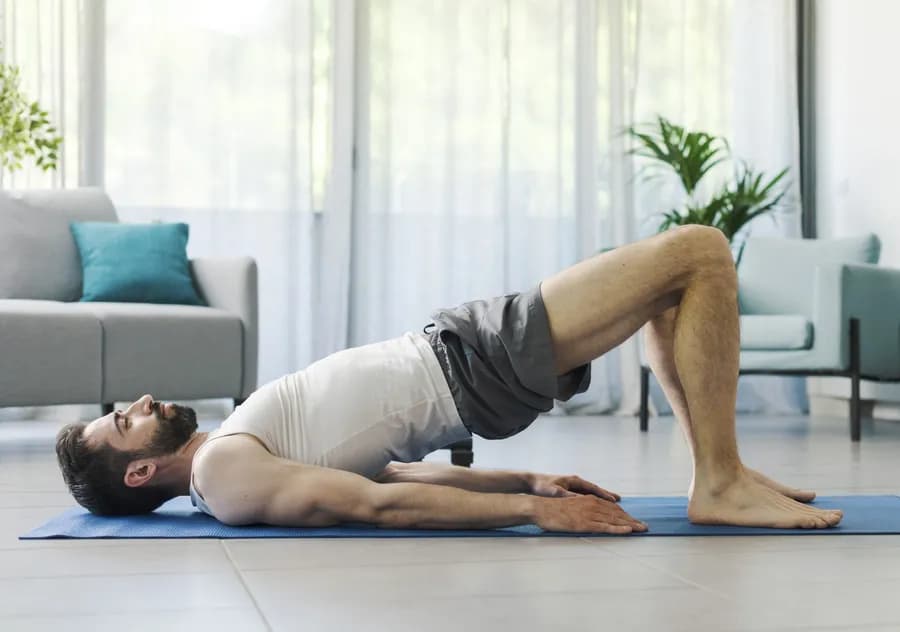
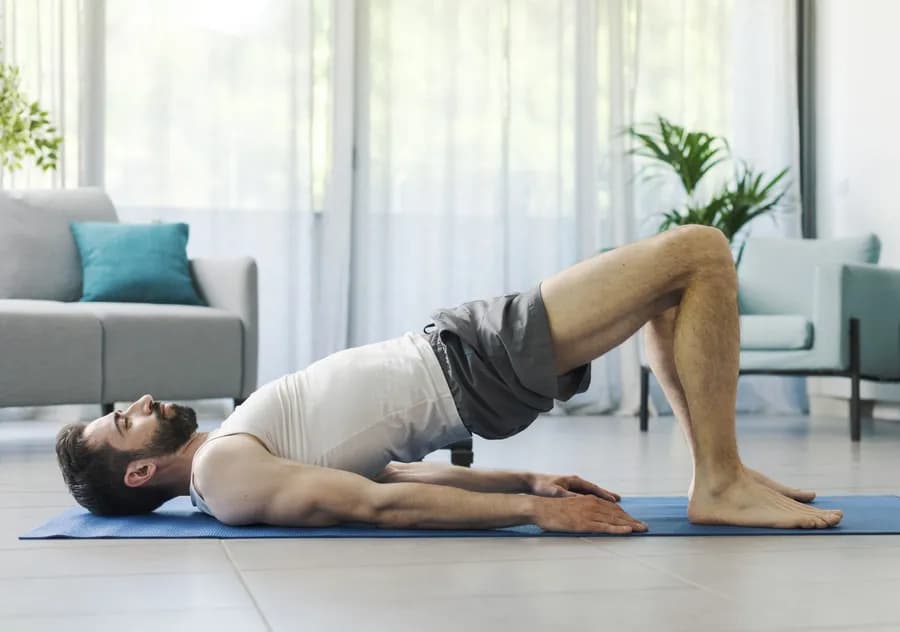
Lie on your back with knees bent. As you lift your hips into a glute bridge, simultaneously perform a pelvic floor contraction. Hold at the top for 5 seconds, then lower. 10 reps. This integrates pelvic floor work with posterior chain activation.
Diaphragmatic Breathing with Kegel Release
Inhale deeply, allowing your pelvic floor to gently descend and release. Exhale and gently lift (contract). This trains coordination between breath and pelvic floor — a critical but often missed element of proper technique.
Wall Sit Kegel
Hold a wall sit with thighs parallel to the floor. While maintaining the position, perform 10 Kegel contractions. This adds functional load and keeps the pelvic floor engaged under mild leg fatigue.
Standing Kegel
Stand with feet hip-width apart. Contract your pelvic floor, hold for 8 seconds, release. 10 reps. Practicing in a standing position trains these muscles in the posture you spend most of your day in — making the strength more functional.
Common Mistakes to Avoid
- Poor Form — Gripping the Wrong Muscles The most common Kegel mistake is tensing the glutes, thighs, or abdomen instead of isolating the pelvic floor. If your stomach tightens or your breathing stops, you're compensating. Slow down, exhale, and refocus on the internal lift only.
- Skipping the Release Phase A Kegel is only half-complete without a full release. Holding tension without fully releasing can lead to an overly tight pelvic floor — which creates its own set of problems. The release matters as much as the contraction.
- Overtraining the Pelvic Floor More is not better. Doing hundreds of Kegels a day causes muscle fatigue and heightened tension rather than strength gains. Three manageable daily sessions is the evidence-backed ceiling. Recovery matters for the pelvic floor exactly as it does for any other muscle group.
- Inconsistency A single week of practice won't change anything. These muscles need weeks of consistent daily engagement to show meaningful adaptation. Attaching Kegel sessions to an existing habit — morning coffee, a screen break, bedtime — dramatically improves follow-through.
Who Should Try Kegel Exercises?
- Beginners Kegels are one of the most beginner-friendly exercises available. No equipment, no coordination curve, no gym required. If you're new to structured fitness, Kegels are a low-barrier entry point that builds a genuine mind-muscle connection from day one.
- Women Kegel exercises are relevant for women across all life stages — during pregnancy, postpartum recovery, perimenopause, and as everyday prevention. They help manage pelvic heaviness, urinary urgency, and the physical changes that accompany hormonal shifts. They're not just postpartum rehab — they're a proactive habit.
- Older Adults Pelvic floor muscles weaken naturally with age. Older adults who practice Kegels regularly may gradually improve bladder control and pelvic support, contributing to greater independence and quality of life. Consult a healthcare provider before beginning if you have existing medical conditions.
- Working Professionals Extended desk hours weaken the pelvic floor over time. Kegels are invisible — you can practice them in meetings, on calls, or during a commute. Pair them with exercises for bone strength for a fuller preventive movement routine that fits into a busy schedule.
Build Strength with a Routine That Actually Works
Building pelvic floor strength — or any kind of functional strength — isn't about doing random exercises when you remember. It's about consistency, correct form, and a structured plan that holds you accountable every day.
With the right support, you can make Kegels and strength training a sustainable daily habit from home and feel real, compounding progress over time.
What You Get with Habuild's Strong Everyday Program:
- Daily live guided strength and yoga sessions
- Beginner to advanced progression — no guesswork
- No-equipment and home-friendly workouts
- Expert guidance to ensure correct form and technique
- Community support to help you stay consistent
Start Your Strength Training Journey
Explore Kegel weight training and enrol in Habuild's guided program today.
Related reads: Kegel Exercises for Men: Benefits, How-To & Routine · What Are Kegel Exercises for Women
Understanding what Kegel exercises do is only the first step — the actual pelvic floor benefits depend on doing them consistently, ideally as part of a daily routine you don't have to think twice about. That's the kind of structure worth building into your fitness life. Strong Everyday program helps you build exactly that consistency across your training, not just in isolated exercises.
What is Kegel exercise for women specifically? The same pelvic floor contractions, with extra relevance around pregnancy, postpartum recovery, and bladder control as hormones shift with age.
Frequently Asked Questions
Related Articles
What Are Kegel Exercises for Women
Learn what are kegel exercises for women, how to do them, key benefits, and who should start. Try Habuild's guided program with a 14-day free trial.

What Are Kegel Exercises for Men? Benefits & How to Do Them
Discover what are kegel exercises for men, their key benefits, best exercises, and how to start. Try Habuild's guided program from just 14-day free trial.
What Do Kegel Exercises Do for Men? Benefits & Guide
Discover what kegel exercises do for men — from pelvic floor strength to bladder control. Start your free 7-day trial with Habuild with a 14-day free trial.

What Are Kegel Exercises? Benefits, How To & Routine
Small, targeted contractions of the pelvic floor muscles support your bladder, bowel, and core with no equipment, no gym, no special setup needed. See the benefits and routine.
Kegel Exercises for Men: Benefits, How-To & Routine
Simple, equipment-free contractions of the pelvic floor muscles support the bladder, bowel, and sexual function when practised for 2-3 short sessions daily. See the benefits, how-to, and routine.