
What Is Intense Exercise? Meaning, Examples & Benefits
Sprints, HIIT, heavy lifting, or explosive bodyweight work push your heart rate, breathing, and muscles significantly harder than light movement. See the meaning, examples, and benefits.
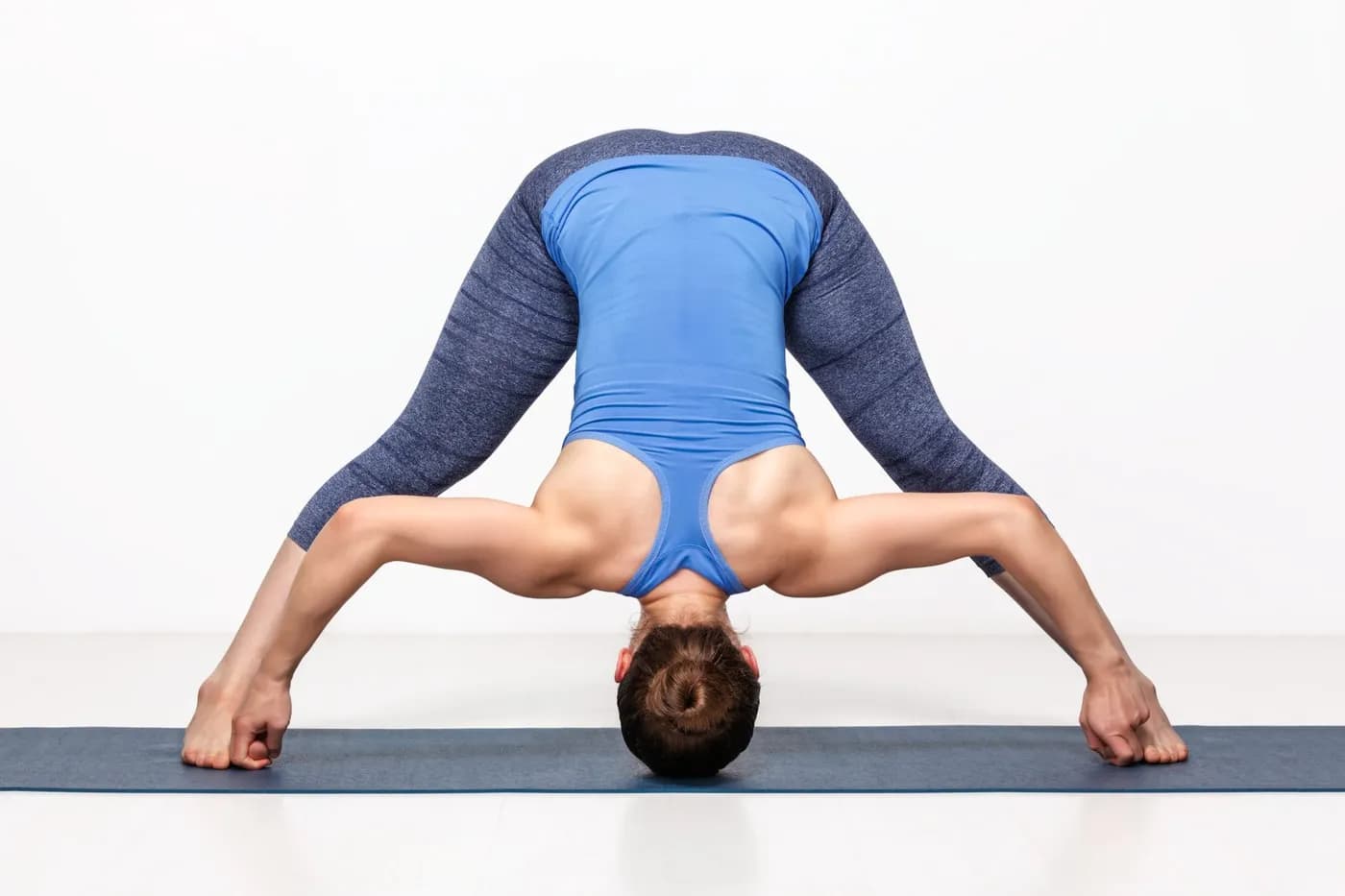
Key Takeaways
- Pushes heart rate high enough that holding a full conversation becomes difficult.
- The afterburn effect, known as EPOC, keeps calorie burn elevated for hours after the session.
- A realistic start is two to three intense sessions per week, not daily hard training.
- Training hard every single day leads to fatigue and injury rather than faster progress.
- Mastering squats, push-ups, and planks comes before ramping up speed or load.
- Includes sprints, HIIT, heavy lifting, and explosive bodyweight work as core examples.
Intense exercise is physical activity that pushes your heart rate, breathing, and muscles to work significantly harder than light or moderate movement — think sprints, HIIT, heavy lifting, or explosive bodyweight work. At this effort level, holding a full conversation becomes difficult and your body burns more calories in less time.
If you have ever wondered what is intense exercise and whether it is right for you, this guide breaks it down in plain language. Think of a brisk run that leaves you breathless, a heavy strength set that challenges your muscles, or a HIIT round that has you sweating within minutes. It is the kind of effort where holding a full conversation becomes difficult, and your body is clearly working at a higher gear.
Understanding intense exercise meaning matters because the right intensity helps you burn more calories in less time, build strength, and improve cardiovascular health. Whether you are exploring intense exercise at home or considering a structured plan, this article walks you through everything you need to know.
Key Benefits of Intense Exercise
- Burns More Calories in Less Time — High-intensity workouts elevate your heart rate and metabolic demand, which means you torch significantly more calories per minute compared to moderate activity. This makes intense exercise for weight loss especially effective for busy schedules.
- Boosts Metabolism Even After You Stop — The afterburn effect, known as EPOC, keeps your body burning calories for hours after the session ends. Your metabolism stays elevated as your body recovers and rebuilds.
- Builds Lean Muscle and Strength — Pushing your muscles hard triggers adaptations that lead to stronger, denser muscle tissue. Pairing intensity with structured strength training amplifies these gains.
- Improves Heart and Lung Capacity — Your cardiovascular system grows more efficient at delivering oxygen, which supports daily energy levels and long-term heart health.
- Supports Better Posture and Functional Strength — High-effort training carries over into everyday tasks like climbing stairs, lifting groceries, and maintaining good posture through the day.
How to Get Started with Intense Exercise Safely
What You Need to Begin
You do not need a fancy gym. A small floor space, a water bottle, and optionally a pair of dumbbells or a resistance band are enough to start intense exercise at home. Comfortable shoes and breathable clothing make sessions smoother.
Setting Realistic Goals
Begin with two to three intense sessions per week. Avoid the trap of training hard every single day, which leads to fatigue and injury. Consistency over weeks matters far more than intensity in any single workout.
Start with the Basics
Master basic movement patterns first, like squats, push-ups, and planks. Once form feels solid, you can ramp up speed, load, or duration. A beginner-friendly route is to follow a guided beginner workout for strength that scales effort progressively.
Best Examples of Intense Exercise

Sprints or Hill Runs
Short bursts of all-out running for 20 to 40 seconds, followed by walking recovery. Highly effective for fat loss and conditioning.
Burpees
A full-body movement combining a squat, plank, push-up, and jump. Three to four rounds of 30 seconds will spike your heart rate quickly.
Jump Squats
Explosive lower-body work that builds power, supports leg strength, and may help with overall athleticism. Many readers ask about intense exercise for height growth — while no workout magically adds inches, jump-based movements during growing years can support posture and bone health.
Heavy Compound Lifts
Squats, deadlifts, presses, and rows performed with challenging weight for 5 to 8 reps. These build serious strength when programmed correctly.
HIIT Circuits
Combining 4 to 6 exercises performed back-to-back with minimal rest. A 20-minute HIIT circuit can match the calorie burn of a much longer steady cardio session.
Plyometric Push-Ups
Explosive push-ups where your hands leave the ground. Build upper-body power and core stability.
Kettlebell Swings
A hip-hinge movement that trains posterior chain strength and conditioning simultaneously.
Common Mistakes to Avoid
- Poor Form Under Fatigue — When intensity is high, form often breaks down. Slow down, reset, and prioritize movement quality over speed or weight.
- Skipping the Warm-Up — Jumping into intense effort with cold muscles is a fast track to strains. Spend 5 to 8 minutes on light cardio and mobility before each session.
- Overtraining — More is not better. Training intensely six or seven days a week without recovery leads to plateaus, sleep issues, and injuries. Mix in lower-intensity days with gentle yoga for beginners to support recovery.
- Inconsistency — Two solid sessions every week for three months beat seven sessions in one week followed by a long break. Steady rhythm is what builds real results.
Who Should Try Intense Exercise?
- Beginners — Yes, beginners can start, but with scaled intensity. Begin at a level that feels challenging but manageable, then progress gradually over weeks.
- Women — Intense training will not make women bulky. It builds toned, functional strength and supports hormonal balance, bone density, and metabolic health.
- Older Adults — Older adults can benefit, especially for bone density and mobility. Always consult your doctor before starting, and prefer low-impact intensity like cycling or guided strength work over high-impact jumping.
- Working Professionals — Intense workouts are a time-efficient solution for busy schedules. A focused 25-minute session can match the benefits of an hour of moderate movement, helping you stay fit without sacrificing work hours.
Build Real Strength with a Routine That Actually Works
Intense exercise works best when it sits inside a structured plan with expert guidance, not random workouts pulled off the internet. With the right support, you can train effectively from home and see steady progress over time.
What you get with Habuild's Strong Everyday program:
- Daily live guided strength and yoga sessions
- Beginner to advanced progression at your pace
- No-equipment and home-friendly workouts
- Expert guidance to ensure correct form
- Community support to keep you consistent
Start your journey with structured home strength sessions built around your schedule, or explore broader online yoga classes to balance intensity with recovery.
Related reads: क्या Exercise Daily करना चाहिए? जानें सही जवाब · चेहरे का मोटापा कैसे कम करें Exercise के ज़रिये
Intense exercise delivers fast results precisely because it demands so much from your body, which also means it needs to be dosed and progressed carefully rather than attempted without a plan. Structure is what separates productive intensity from burnout. Habuild's Strong Everyday program guides you through progressively challenging sessions built for sustainable, everyday training.
Common intense exercise examples include sprint intervals, heavy compound lifts, and high-rep circuit finishers — all demanding, all requiring proper progression.
Frequently Asked Questions
Related Articles
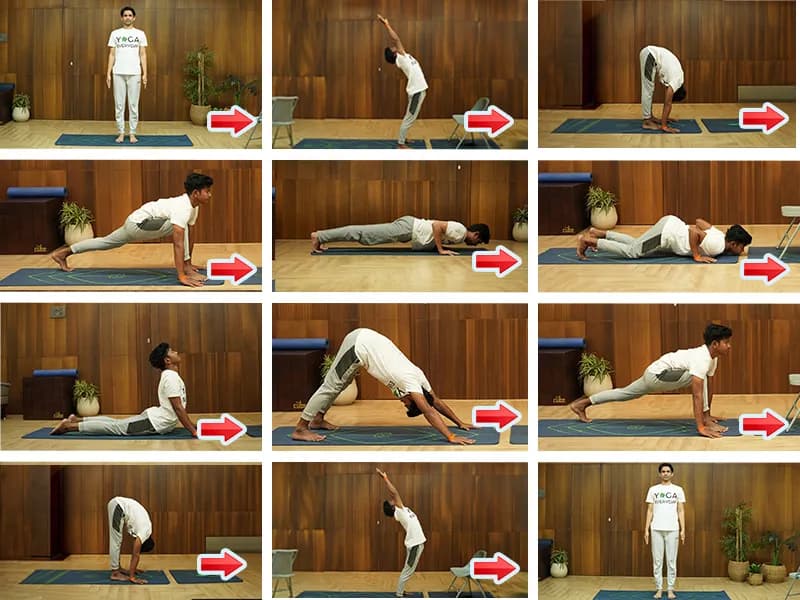
Which Exercise Burns More Calories? Top 7 Proven Picks
High-intensity running or sprint intervals torch the most calories per minute, but a smart mix of HIIT and strength training delivers the highest total daily burn. See the top 7 proven picks.

What Is the Best Exercise Routine? A Complete Guide
A balanced weekly plan of 3 strength sessions, 2 yoga or mobility sessions, and 2 light cardio walks, each 30-45 minutes, beats intensity with structure. See the complete guide.

How to Make Digestive System Strong: A Practical Daily Guide
Consistent meal timings, thorough chewing, daily movement, fibre-rich whole foods, and core-strengthening exercises build a resilient gut over 8-12 weeks. See the practical daily guide.

Strength Training Calories Burned: How Much Does a Session Actually Burn?
Strength training burns fewer calories per session than cardio, but produces far greater long-term expenditure through the metabolic elevation it creates. See exactly how much a session burns.

What Are the Benefits of Strength Training? 7 Evidence-Based Benefits That Transform Health
Strength training reduces all-cause mortality risk, prevents age-related disability, and builds bone density across every age group and sex within 8-12 weeks. See all 7 evidence-based benefits.