
Workout for Hourglass Figure: Exercises, Routines & Expert Tips
Building strength in the shoulders and glutes while tightening the waist and core sculpts proportions through targeted movement, not shrinking the body. See the full routine.

Key Takeaways
- Focuses on building shoulder and glute strength while tightening the waist and core.
- Lateral raises and overhead presses widen the shoulders for visual contrast at the waist.
- Hip thrusts and sumo squats build volume and firmness in the glutes specifically.
- Visible shape changes typically appear from 8-12 weeks of consistent training.
- Avoid training the same muscle groups on back-to-back days for proper recovery.
A workout for hourglass figure focuses on two things: building strength in the shoulders and glutes while consistently tightening the waist and core. It is not about shrinking your body — it is about sculpting proportions through targeted movement and daily practice. Whether you are starting from scratch or looking to refine your training, this guide gives you a clear, structured path forward.
5 Key Benefits of Hourglass Body Workout
- Builds Shoulder Width for a Balanced Frame Wider, stronger shoulders create the visual contrast that defines an hourglass silhouette. Exercises like lateral raises and overhead presses gradually develop the deltoids, giving your upper body a broader, more sculpted look over time.
- Strengthens and Rounds the Glutes Well-developed glutes are central to the hourglass shape. Hip thrusts, sumo squats, and glute bridges activate the gluteus maximus and medius, helping build volume and firmness in the lower body through consistent practice.
- Tones and Tightens the Core A strong midsection is the anchor of any hourglass workout routine. Core-focused movements like side planks, bicycle crunches, and oblique twists engage the waist muscles, supporting better posture and a more defined waistline over time.
- Improves Overall Functional Strength Training for an hourglass figure is not purely aesthetic — compound movements like squats and deadlifts build total-body strength that makes everyday tasks easier, reduces injury risk, and supports long-term joint health.
- Supports Consistent Fat Management Strength training raises your resting metabolic rate, meaning your body continues working even after a session ends. Over weeks of regular practice, this may gradually support fat management alongside a balanced diet — not as a cure, but as a meaningful complement to it.
How to Get Started with Hourglass Figure Training
What You Need to Begin
You do not need a gym membership or heavy equipment to start. A yoga mat, a pair of light dumbbells (2–5 kg), and a resistance band are enough for most beginner sessions. If you have nothing at all, bodyweight movements work just as effectively in the early weeks. Explore full body strength workouts requiring no equipment to see how far bodyweight training can take you.
Setting Realistic Goals
Results from a hourglass workout routine take time — expect to notice changes in strength and posture within 4–6 weeks, and visible shape shifts from 8–12 weeks onward with consistent effort. Avoid training the same muscle groups two days in a row, and aim for 3–4 sessions per week to begin.
Start with the Basics
Begin with compound movements — squats, push-ups, glute bridges — before adding isolation exercises. Focus on controlled form over heavy weight. A good beginner approach is 3 sets of 10–15 reps per exercise, with 60–90 seconds of rest between sets.
Best Exercises for an Hourglass Figure Training

Sumo Squats
Stand with feet wider than shoulder-width and toes pointed outward. Lower into a deep squat, keeping the chest tall. This targets the inner thighs and glutes simultaneously — two key areas for the hourglass shape. Do 3 sets of 12–15 reps.
Hip Thrusts
Sit with your upper back against a bench or elevated surface, feet flat on the floor. Drive your hips upward by squeezing the glutes at the top. Hip thrusts are arguably the single most effective glute-building exercise available. Do 3 sets of 12 reps. For women looking for a structured plan, Habuild’s female strength training program includes guided progressions for this movement.
Lateral Raises
Hold light dumbbells at your sides and raise them to shoulder height, keeping a slight bend in the elbows. Lower slowly. This directly builds the deltoids for broader shoulder definition. Do 3 sets of 15 reps.
Side Plank with Hip Dips
Get into a side plank position on your forearm. Lower your hip toward the floor and raise it back up. This oblique-focused move tightens the waist from the sides more effectively than crunches alone. Do 3 sets of 10–12 reps per side.
Romanian Deadlifts
Hold dumbbells in front of your thighs, hinge at the hips with a flat back, and lower the weights down your shins until you feel a stretch in the hamstrings. Drive the hips forward to stand. Excellent for the posterior chain — hamstrings, glutes, and lower back. Do 3 sets of 10 reps.
Bicycle Crunches
Lying on your back, alternate bringing opposite elbows and knees together in a slow, controlled rotation. This is one of the most effective oblique exercises for gradually defining the waist. Do 3 sets of 20 alternating reps.
Overhead Press
Press dumbbells from shoulder height to fully extended overhead. A compound shoulder movement that builds the upper-body width essential to the hourglass look. Do 3 sets of 10–12 reps. You can also combine this into a structured upper body strength routine for faster progression.
Common Mistakes to Avoid
- Poor Form The most frequent mistake beginners make is rushing through reps with sloppy technique. In exercises like Romanian deadlifts and hip thrusts, poor form shifts load away from the target muscles and increases injury risk. Slow down, use a mirror if possible, and reduce the weight before correcting your movement pattern.
- Skipping Warm-Up Cold muscles do not contract or stretch as effectively. Spend 5–7 minutes warming up with dynamic movements — leg swings, arm circles, hip rotations, and light cardio — before any strength session. This also primes your nervous system and reduces the risk of strain.
- Overtraining More is not always better. Training the same muscle group every single day without adequate rest leads to fatigue, not growth. Muscle tissue repairs and strengthens during rest — so schedule at least one full rest day between sessions targeting the same area.
- Inconsistency Sporadic training — going hard for two weeks, then stopping for three — delivers very little. The hourglass figure responds to steady, progressive effort over months. Consistency beats intensity every time, which is why having a guided daily structure matters far more than occasional motivation bursts.
Who Should Try Hourglass Figure Training?
- Beginners If you have never trained before, this style of workout is a great entry point because it focuses on foundational compound movements at manageable intensities. Starting with bodyweight and light resistance means low injury risk and high confidence-building in the early weeks.
- Women There is a persistent myth that lifting weights will make women bulky. In reality, women have significantly lower testosterone levels than men, making it physiologically unlikely to build excessive bulk from standard strength training. What hourglass workouts actually do is create a lean, defined, shapely physique — which is exactly what most people are aiming for.
- Older Adults Adults over 40 and 50 benefit greatly from strength-focused training because it supports bone density and joint stability — both of which naturally decline with age. Exercises in this routine are adaptable to different fitness levels. We recommend consulting your doctor before beginning if you have any existing orthopaedic or cardiovascular concerns.
- Working Professionals A structured hourglass routine can be completed in 30–40 minutes, three to four times a week. Many of the movements also directly counter the postural effects of long desk hours — rounded shoulders, tight hips, and a weak posterior chain — making this practical for anyone with a desk-heavy lifestyle.
Build Your Hourglass Shape with a Routine That Actually Works
Building an hourglass figure is not about doing random workouts — it is about consistency, progressive overload, and following a structured plan that targets the right muscles in the right order. With the right support, you can train effectively from home and see real changes over time.
What You Get with Habuild’s Strength Training Program:
- Daily live guided strength sessions with expert trainers
- Beginner to advanced progression built into the plan
- No-equipment and home-friendly workout options
- Form correction and expert guidance every session
- Community accountability to help you stay consistent
Related reads: Core Workout at Home: Benefits, Exercises & Tips · How to Strengthen Hair: Exercises, Tips & Routines
Sculpting shoulders, glutes, and waist together takes more than a handful of targeted moves — it takes a program that trains all three in proportion, week after week, rather than whichever area feels most urgent that day. A structured plan keeps that balance intact instead of letting one area outpace the others. Habuild’s Strong Everyday program is built to train your whole body with that kind of deliberate, guided consistency.
Frequently Asked Questions
Related Articles
Back Workout with Dumbbells: Exercises, Benefits & How to Get Started
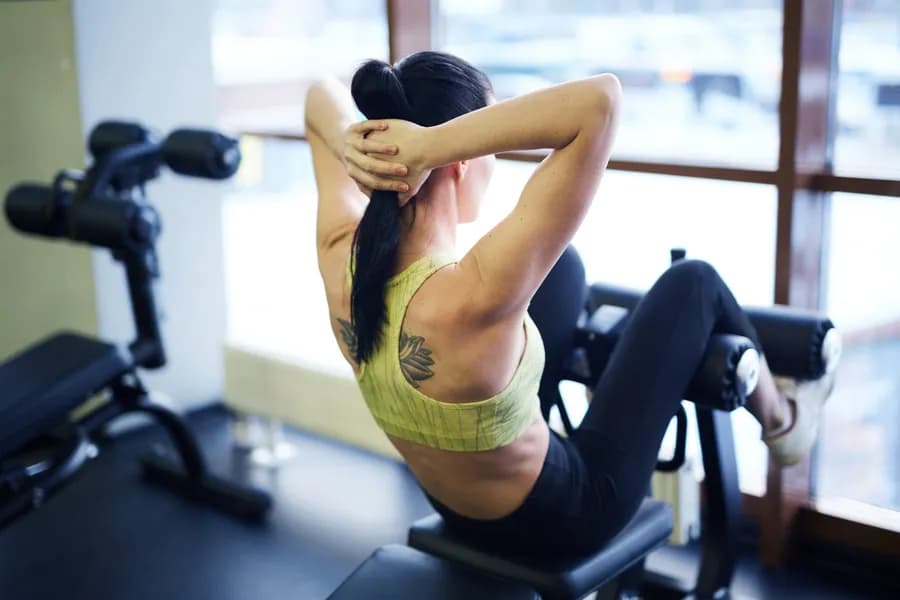
Rows, deadlifts, and pullovers target the latissimus dorsi, rhomboids, trapezius, and erector spinae, with minimal equipment needed. See the benefits and best exercises.
What Muscles Do Squats Work?
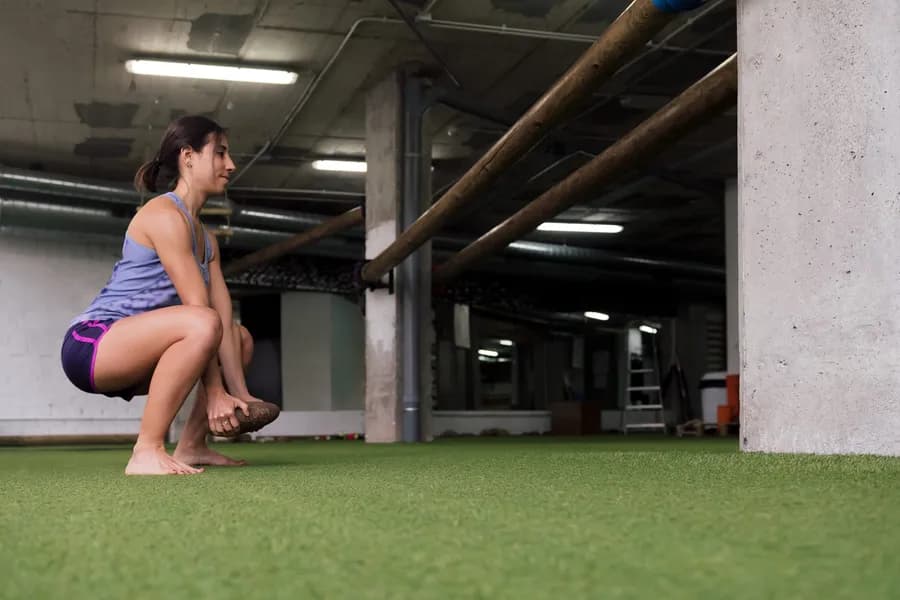
Squats recruit the quadriceps, glutes, hamstrings, hip flexors, core stabilisers, and calves simultaneously — the exact emphasis shifts with variation, stance, and depth. See the full muscular breakdown.
Is Strength Training Good for Weight Loss?
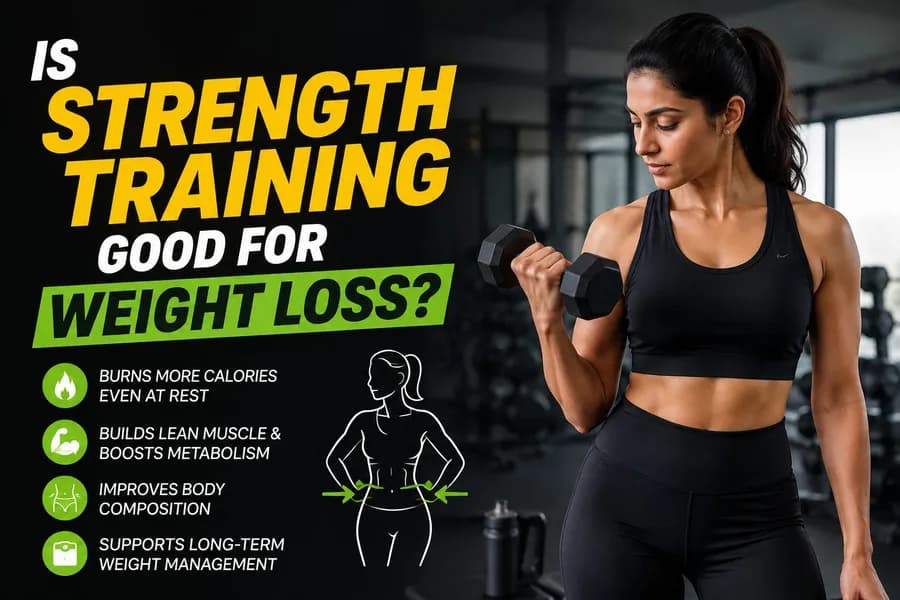
Strength training raises your resting metabolic rate over time, not just calories burned during the session — building lean muscle and triggering an afterburn effect. See why the evidence says yes.
How to Fix Muscle Imbalances: A Practical Guide
When one side of the body is noticeably stronger or tighter than the other, targeted unilateral training can reduce injury risk and unlock strength progress bilateral exercises can't. See the practical guide.