
How to Fix Muscle Imbalances: A Practical Guide
When one side of the body is noticeably stronger or tighter than the other, targeted unilateral training can reduce injury risk and unlock strength progress bilateral exercises can't. See the practical guide.
Key Takeaways
- One side of the body being stronger or tighter than the other signals a muscle imbalance.
- Unilateral, targeted training corrects imbalances that bilateral exercises alone miss.
- Left unaddressed, imbalances lead to compensations, joint strain, and training plateaus.
- Correcting imbalances distributes force evenly across joints, lowering injury risk.
- Working the weaker side sharpens mind-muscle connection and improves overall lift quality.
- A weak link in the kinetic chain can stall progress in compound lifts for months.
Muscle imbalances occur when one side of the body — or one muscle group — is noticeably stronger, tighter, or less developed than its counterpart. Knowing how to fix muscle imbalances through targeted, unilateral training can reduce injury risk, improve posture, and unlock strength progress that bilateral exercises alone cannot deliver.
If one side of your body feels stronger, looks more developed, or moves differently from the other, you are likely dealing with a muscle imbalance. Learning how to fix muscle imbalances is one of the most important — and most overlooked — steps in any strength training journey. Left unaddressed, these imbalances can lead to compensations, joint strain, and plateaus. The good news is that with the right approach, most imbalances can be gradually improved through consistent, targeted practice.
10 Benefits of Fixing Muscle Imbalances
- Reduces Injury Risk. When one muscle group consistently overworks to compensate for a weaker counterpart, the overloaded tissue becomes vulnerable. Correcting these gaps distributes force more evenly across joints and reduces the chance of strains and overuse issues.
- Improves Posture. Many postural problems — rounded shoulders, forward head position, anterior pelvic tilt — stem directly from muscular asymmetries. Addressing weak and tight muscles on both sides of the body often brings posture back into natural alignment over time.
- Enhances Athletic Performance. Balanced muscles generate force more efficiently and transfer power more cleanly during movement. Whether you run, play a sport, or do bodyweight training, symmetry in strength translates to better output and coordination.
- Supports Healthier Joint Function. Joints move best when the muscles surrounding them pull with roughly equal tension. Correcting imbalances may gradually ease discomfort in the knees, hips, and shoulders that often comes from uneven loading patterns.
- Builds Lean, Symmetrical Muscle. Visually, imbalances create a lopsided appearance. Targeting the weaker side with unilateral exercises fills in the gaps and produces a more proportional physique over weeks of consistent training.
- Boosts Mind-Muscle Connection. Working weak or neglected muscles forces you to pay closer attention to form and activation. This heightened awareness carries over to all your lifts and makes every session more productive.
- Improves Movement Quality. Squats, hinges, pushes, and pulls all become cleaner when the muscles driving them are balanced. Movement quality is a reliable indicator of long-term training sustainability.
- Prevents Strength Plateaus. A weak link in a kinetic chain limits the entire chain. Bringing lagging muscles up to speed often unlocks progress in compound lifts that has stalled for weeks or months.
- Supports Better Recovery. Imbalanced muscles fatigue unevenly, meaning some tissues are chronically under- or over-recovered. Balanced training normalises recovery timelines across muscle groups.
- Builds Long-Term Consistency. Pain, discomfort, and recurring injuries are among the top reasons people quit training. Fixing imbalances addresses these issues at their source, making it far easier to stay consistent over the long run — which is, ultimately, where all real progress lives.
How to Get Started with Fixing Muscle Imbalances
If you notice that one shoulder, arm, or leg is doing more work during exercise, learning how to fix muscle imbalances can help restore better muscular balance. How to fix muscle imbalances depends on the cause, but targeted strengthening, mobility exercises, and proper exercise technique can often help.
What You Need to Begin
You do not need a gym membership or expensive equipment. A yoga mat, a resistance band, and a small set of dumbbells cover almost everything required. Many effective corrective exercises use only bodyweight. The priority at this stage is identifying which side or muscle group is lagging, not accumulating gear.
A simple self-assessment: perform a single-leg squat, a single-arm push, or a unilateral row on each side and notice where form breaks down first. That side — or that movement pattern — is likely your starting point.
Setting Realistic Goals
Muscle imbalances typically develop over months or years, so expect the correction process to take several weeks of consistent effort. Aim to reduce the gap progressively rather than eliminate it overnight. Adding one or two unilateral exercises per session focused on the weaker side is a sustainable, evidence-aligned approach.
Avoid the temptation to overtrain the weak side. More is not always faster — quality of movement and adequate recovery matter as much as volume. A strength training program that accounts for asymmetries will always outperform random extra sets.
Start with the Basics
Before adding load, rebuild movement patterns. Single-leg deadlifts, split squats, single-arm rows, and unilateral overhead presses are the foundational tools. Begin each set on the weaker side, match the reps on the stronger side, and resist the urge to add weight until the weaker side moves with clean form.
Best Exercises to Correct Muscle Imbalances
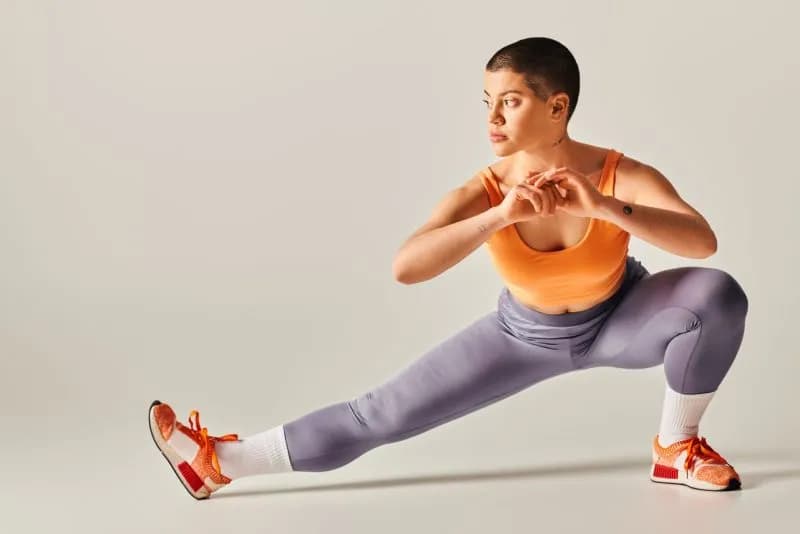
These seven movements are among the most frequently recommended by coaches for addressing left-right and front-back asymmetries. Each one isolates a side or a pattern so that dominant muscles cannot mask the weaker ones. If one side of your body feels stronger than the other, understanding how to fix muscle imbalances can help you train more evenly and reduce the risk of injury.
Single-Leg Squat (Pistol Progression)
Stand on one leg and lower as far as control allows, keeping the knee tracking over the toes. This immediately exposes side-to-side strength and stability differences in the quads, glutes, and ankles. Work up to 3 sets of 8 reps per side before adding load.
Bulgarian Split Squat
Rear foot elevated on a bench or chair, front foot forward. This unilateral variation loads the front leg heavily and is excellent for correcting quad and glute asymmetries. Begin with bodyweight, then progress to holding dumbbells. Aim for 3 sets of 10 per side.
Single-Arm Dumbbell Row
With one hand and one knee on a bench, row a dumbbell toward the hip on the working side. This isolates each side of the back independently, preventing the stronger side from dominating. Perform 3 sets of 10–12 reps per side, starting with the weaker arm. For broader context on spinal stability alongside rowing patterns, explore core muscle exercises that support balanced back development.
Single-Leg Romanian Deadlift
Balance on one leg, hinge at the hip while the opposite leg extends behind. This movement challenges hamstring strength, glute activation, and proprioception all at once — making it one of the most efficient corrective tools available. Use 3 sets of 8 per side.
Pallof Press
Using a resistance band anchored to a fixed point at chest height, press both hands forward and hold — resisting the band's pull to the side. This anti-rotation core exercise targets the deep stabilisers that often contribute to left-right imbalances in trunk control. Hold 3 seconds per rep, 3 sets of 10 per side.
Single-Arm Overhead Press
Press one dumbbell overhead at a time while the other arm stays at the side. Shoulder imbalances are extremely common in desk workers and anyone who plays a dominant-hand sport. This movement rebuilds strength and stability symmetry across both shoulders. Aim for 3 sets of 10 per side.
Side-Lying Hip Abduction
Lie on your side and raise the top leg to roughly 45 degrees, hold briefly, and lower with control. Weak glute medius muscles are one of the most common contributors to knee, hip, and lower-back asymmetries. This simple, equipment-free movement addresses that gap directly. Perform 3 sets of 15 per side.
Common Mistakes to Avoid
- Poor Form on the Dominant Side. When training bilaterally, the stronger side tends to compensate and hide weaknesses in the weaker one. If you only ever squat or press with both limbs simultaneously, the imbalance quietly gets worse. Unilateral work is non-negotiable if you want to identify and close the gap.
- Skipping the Warm-Up. Cold, stiff muscles activate unpredictably. A 5–10 minute warm-up that includes hip circles, band walks, shoulder rotations, and light cardio prepares the neuromuscular system to recruit the right muscles in the right order — which is essential when re-educating movement patterns.
- Overtraining the Weak Side. Adding five extra sets to the lagging side every session sounds logical but often leads to overuse soreness or injury. A more effective protocol is 1–2 extra sets on the weaker side per session, with full recovery between training days. Patience applied consistently beats intensity applied recklessly.
- Inconsistency. Corrective work feels unglamorous compared to heavy compound lifts. Many people do a few sessions, see modest change, and drift back to old habits. Imbalances respond to steady, repeated stimulus over time. Missing weeks between sessions resets most of the neuromuscular re-education you have built. Consistency is the only variable that reliably produces lasting symmetry.
Who Should Work on Fixing Muscle Imbalances?
- Beginners. For anyone new to structured training, the entry point is low and the reward is high. Beginning with unilateral movements from day one prevents imbalances from ever becoming entrenched. There is no prerequisite fitness level — just a willingness to move slowly and pay attention to form. Structured beginner strength programs that incorporate corrective principles make the process straightforward from the very first session.
- Women. A persistent myth suggests that targeted strength work will create a bulky appearance. It will not. Women have significantly lower testosterone levels than men, and corrective strength training produces lean, functional muscle — not bulk. For women specifically, addressing hip abductor and glute medius weakness is particularly valuable because of its role in knee health and pelvic stability.
- Older Adults. Muscle asymmetries become more pronounced with age and are a meaningful contributor to falls and reduced mobility. Gentle unilateral exercises — often bodyweight or light band-based — can support better balance and coordination in older adults over time. Always consult a healthcare provider before beginning a new exercise programme, particularly if you have existing joint or bone-density concerns.
- Working Professionals. Desk-based work is one of the leading causes of muscle imbalances. Extended sitting weakens the glutes, tightens the hip flexors, rounds the upper back, and shortens the chest. A short, targeted daily session — even 15–20 minutes — can meaningfully counteract these postural effects and reduce the discomfort that accumulates over a working week.
Build Strength with a Routine That Actually Works
Correcting muscle imbalances is not about doing random extra sets — it is about following a structured plan that identifies your weak points and progressively addresses them with the right exercises, in the right order, guided by someone who can see your movement in real time.
With Habuild's Strong Everyday programme, you get daily live guided sessions that build balanced strength from the ground up. Coaches provide real-time form feedback, which is especially valuable when you are re-educating asymmetric movement patterns. Everything is designed to work from home, with no equipment required to start.
What You Get with Habuild's Strong Everyday Program:
- Daily live guided strength sessions with real-time feedback
- Beginner-to-advanced progression that accounts for individual asymmetries
- No-equipment and home-friendly workouts
- Expert guidance on corrective exercise and form
- Community accountability to keep you consistent
If you want to understand how structured programming builds balanced, functional strength over time, explore strength training for muscle strength. If you prefer combining strength with mobility work, female strength training at Habuild integrates both in a single daily session.
Start Your Strength Training Journey
Related reads: Diet for Strength Training: a Practical Eating Guide for Muscle and Recovery · How to Increase Muscle Mass: a Practical Home Training Guide
Correcting a muscle imbalance takes patient, unilateral training tracked over weeks — the kind of detail that's easy to lose track of without a plan reminding you which side needs the extra set. A structured program builds that tracking in, so imbalances get addressed systematically rather than left to memory. Habuild's Strong Everyday program offers that kind of guided, progressive strength training to support more even, balanced development.
Frequently Asked Questions
Related Articles
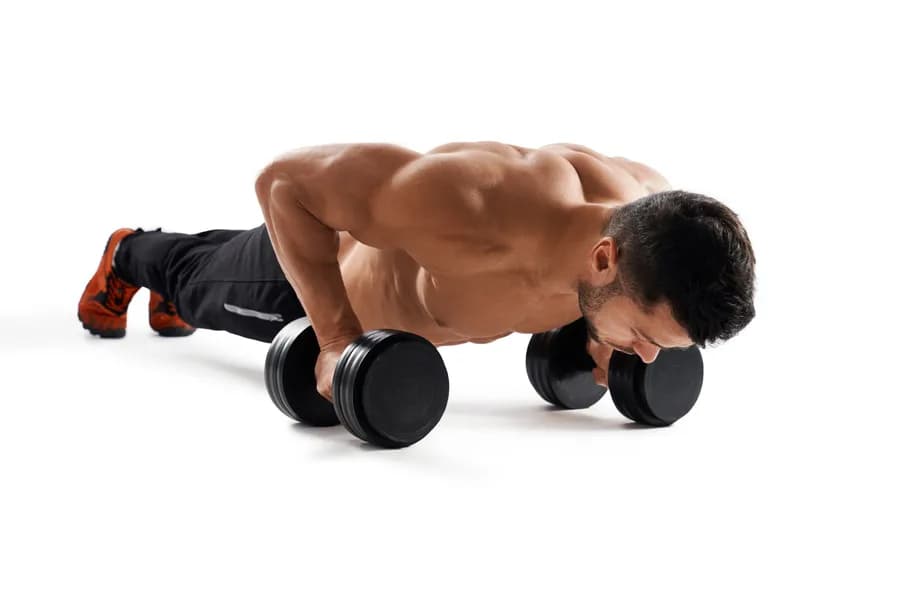
Exercises for Upper Crossed Syndrome: A Practical Guide to Correcting Posture and Rebuilding Strength
The chest, upper trapezius, and levator scapulae grow overactive and tight while the deep neck flexors and lower trapezius weaken — daily corrective exercises ease this over four to twelve weeks. See the full guide.
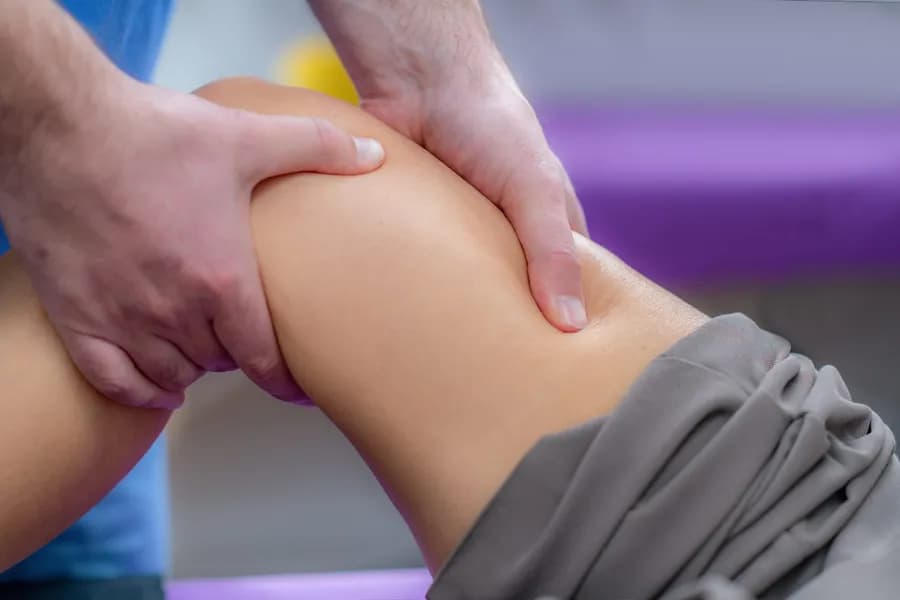
How to Strengthen Knee Muscles: Exercises, Tips & Beginner Plan
The quadriceps, hamstrings, glutes, and calves act as shock absorbers around the knee joint — the stronger they are, the less stress the joint bears during everyday movement. See the exercises and beginner plan.
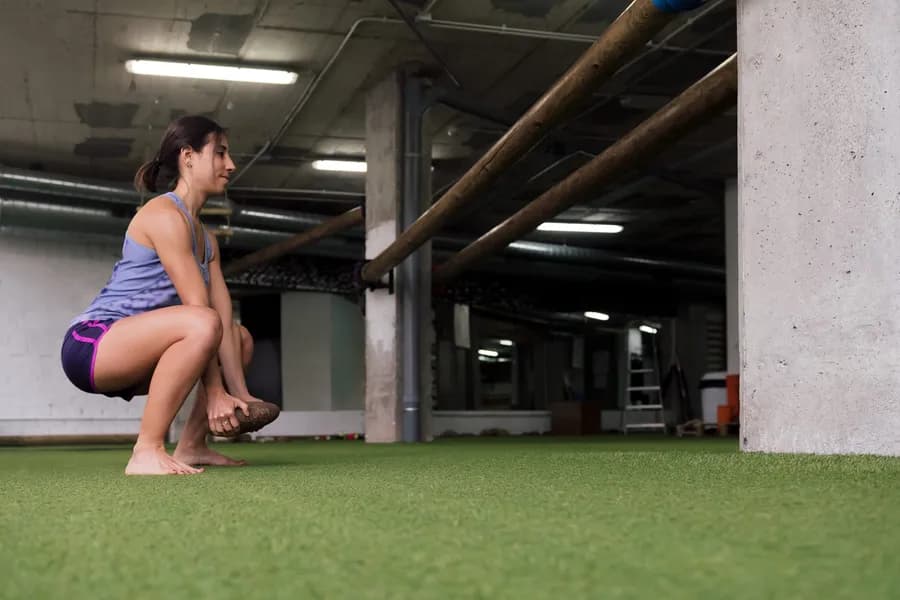
What Muscles Do Squats Work?
Squats recruit the quadriceps, glutes, hamstrings, hip flexors, core stabilisers, and calves simultaneously — the exact emphasis shifts with variation, stance, and depth. See the full muscular breakdown.
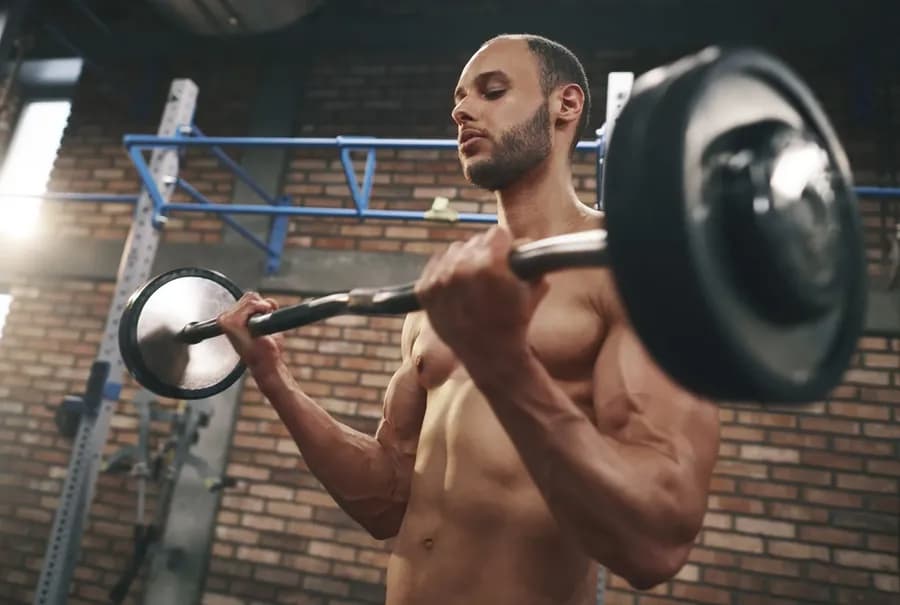
How to Increase Muscle Mass: a Practical Home Training Guide
Progressive overload, adequate protein, and proper recovery working together are what actually build muscle, whether training with bodyweight or dumbbells. See the practical home training guide.
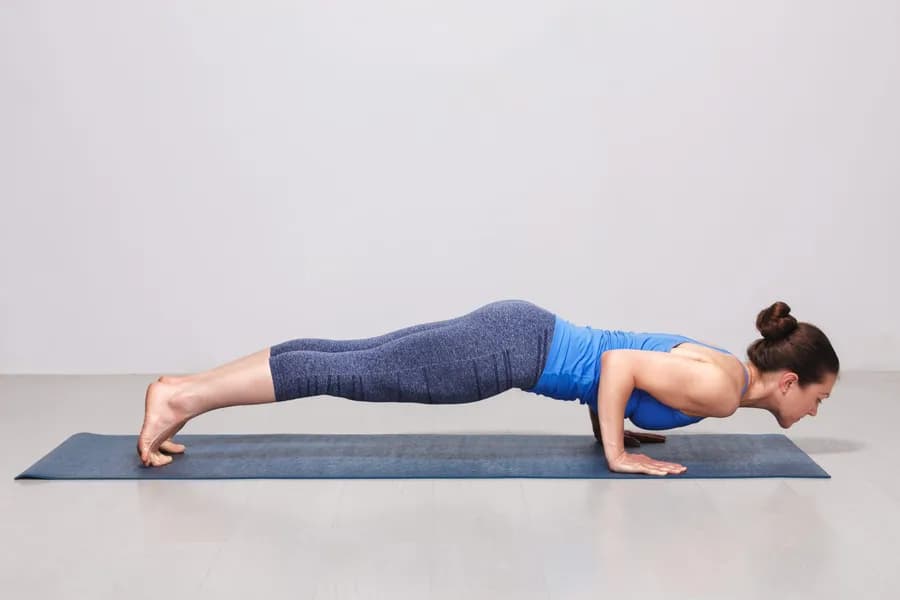
How to Strengthen Core Muscles: Exercises & Tips
Learn how to strengthen core muscles at home with expert exercises, beginner tips, and a structured routine. Start your free 7-day trial with Habuild today.
Back Workout with Dumbbells: Exercises, Benefits & How to Get Started
Rows, deadlifts, and pullovers target the latissimus dorsi, rhomboids, trapezius, and erector spinae, with minimal equipment needed. See the benefits and best exercises.