
What Muscles Do Squats Work?
Squats recruit the quadriceps, glutes, hamstrings, hip flexors, core stabilisers, and calves simultaneously — the exact emphasis shifts with variation, stance, and depth. See the full muscular breakdown.
Key Takeaways
- Squats recruit quads, glutes, hamstrings, hip flexors, core, and calves simultaneously.
- Quads drive the primary motion while hamstrings stabilize the descent and ascent.
- Core muscles like obliques and transverse abdominis keep the spine neutral throughout.
- Weight-bearing stress from squats can signal bones to grow denser over time.
- Squat variation, stance width, and depth shift which muscles get emphasized most.
- Moving through full squat range gradually improves hip flexor flexibility too.
Squats work several major muscle groups simultaneously: the quadriceps (front thighs), gluteus maximus, hamstrings, hip flexors, core stabilisers (erector spinae, obliques, transverse abdominis), and calves. The exact muscle emphasis shifts depending on the squat variation, stance width, and depth you use.
If you've ever wondered what muscles do squats work, you're not alone — squats are one of the most searched exercises for good reason. A single squat movement recruits multiple muscle groups at once, making it one of the most efficient lower-body exercises you can include in your routine. Whether you're a beginner or someone looking to refine their training, understanding the anatomy behind squats helps you get more from every rep.
10 Benefits of Squats You Should Know
- Builds Quad Strength The quadriceps — the four muscles at the front of your thighs — are the primary movers in a squat. Every time you lower and rise, your quads are driving the motion. Consistently training them through squats supports better knee stability and overall leg power.
- Activates the Glutes Your gluteus maximus, medius, and minimus all fire significantly during a squat, especially at the bottom of the movement. Strong glutes contribute to better posture, reduced lower-back strain, and improved athletic performance.
- Strengthens the Hamstrings While not the primary mover, the hamstrings play an important stabilising role in a squat. They help control your descent and support the glutes on the way back up, making them an integral part of balanced leg development.
- Engages the Core Proper squats demand significant core engagement to keep your spine neutral. Your erector spinae, obliques, and transverse abdominis all work together to prevent you from collapsing forward. Over time, this builds a more resilient, functional core — no crunches required.
- Supports Fat Loss Through Muscle Activation Because squats recruit so many large muscle groups simultaneously, they drive a meaningful metabolic response. Regular squat training may gradually support body composition improvements when combined with consistent overall movement and a balanced diet.
- Improves Bone Density Weight-bearing exercises like squats place controlled stress on bones, which can signal them to grow denser over time. This is particularly valuable for women and older adults managing age-related bone changes.
- Enhances Functional Strength Squats mimic everyday movements — sitting down, picking things up, climbing stairs. Strengthening those movement patterns in training means everyday life feels noticeably easier.
- Boosts Lower-Body Muscle Endurance Higher-rep squat sets improve your muscles' ability to sustain effort over time. This translates to better stamina in sports, hiking, or simply staying active through a long day.
- Improves Hip Mobility Moving through a full squat range of motion gradually improves hip flexor flexibility and joint mobility — areas where desk-bound adults often feel tight and restricted.
- Builds Mind-Muscle Connection Learning to feel your quads, glutes, and core working during a squat develops body awareness that carries over to every other exercise you do. This awareness is a foundational skill in long-term strength development.
How to Get Started with Squats
What You Need to Begin
The beauty of squats is that they require nothing but your own bodyweight to start. No gym membership, no equipment. Once you're comfortable with the movement pattern, you can progress with dumbbells, resistance bands, or a barbell — but none of that is necessary on day one. Explore how strength training at home can be built entirely around bodyweight fundamentals before you add any equipment.
Setting Realistic Goals
If you're new to squatting, focus on form before load. Aim for 3 sets of 8–10 reps with controlled movement rather than chasing heavy weights too soon. Consistency across several weeks matters far more than a single intense session. Overtraining early is one of the most common reasons beginners quit.
Start with the Basics
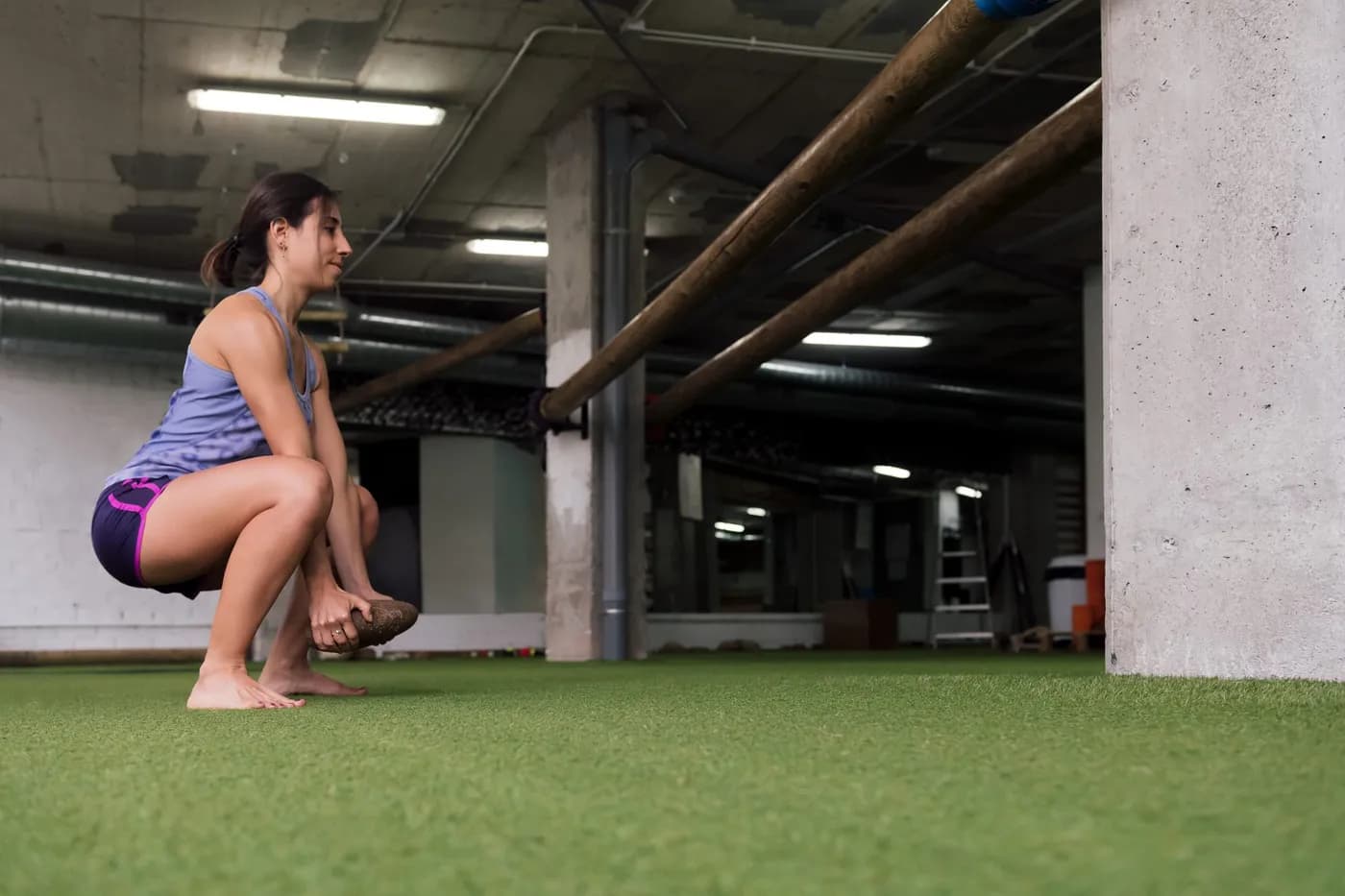
Begin with the bodyweight squat: feet shoulder-width apart, toes slightly out, chest tall, hips hinging back as you lower until thighs are parallel to the floor (or as far as comfortable). Press through your heels to return. Master this before moving to goblet squats or barbell back squats.
Best Squat Variations and What They Work
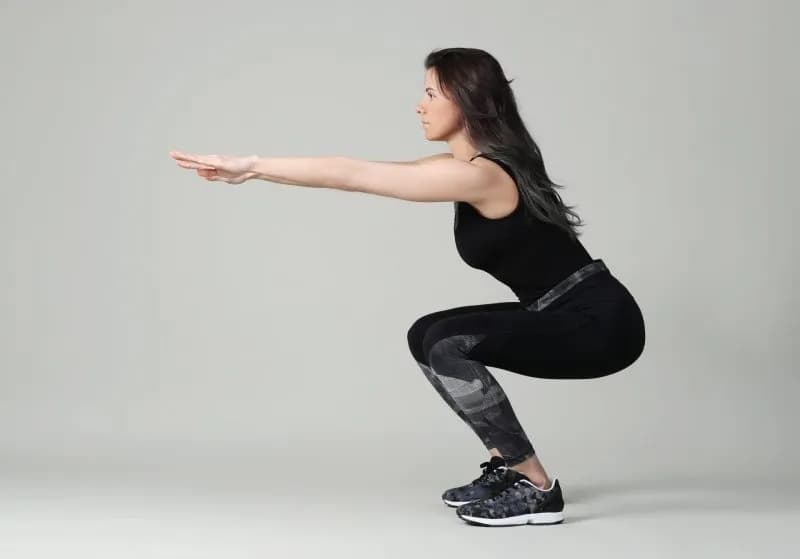
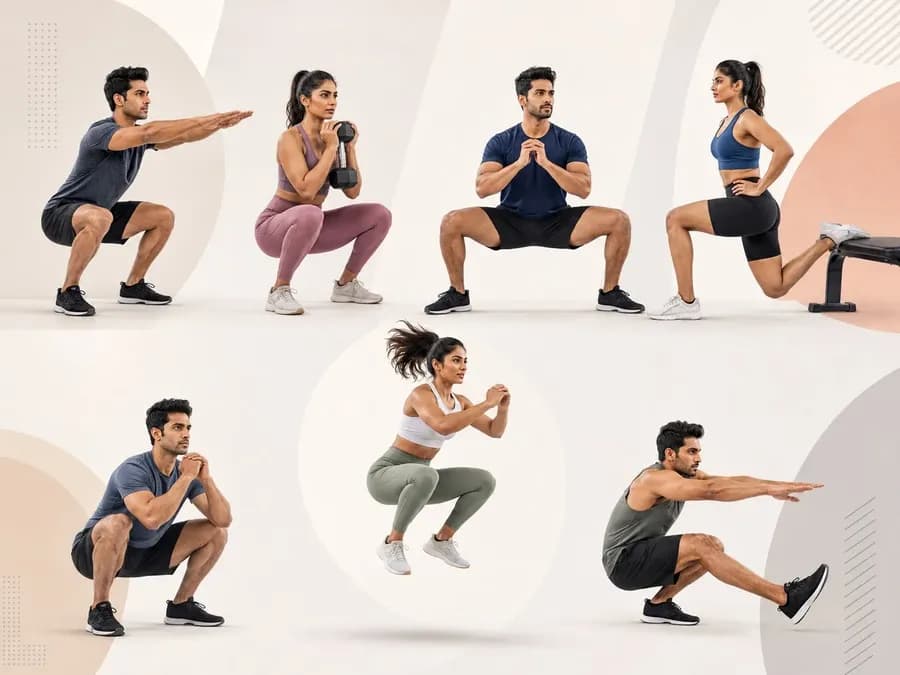
Understanding different squats and what they work helps you target specific muscle groups and keep your training varied. Here are the most effective variations to include in any program.
Bodyweight Squat
The foundational movement. Primarily targets the quads and glutes, with lighter demand on the hamstrings. Use 3 sets of 12–15 reps as a warm-up or entry point for beginners.
Goblet Squat
Holding a dumbbell or kettlebell at your chest naturally encourages an upright torso, making it excellent for quad development and core engagement. The counterweight also helps beginners reach greater depth. Try 3 sets of 10 reps.
Sumo Squat
A wide stance with toes pointed out shifts the emphasis from quads to inner thighs (adductors) and glutes. It's especially useful for those looking to target the hip complex. Perform 3 sets of 10–12 reps.
Bulgarian Split Squat
Rear foot elevated on a bench, front foot forward. This single-leg variation intensely loads the front-leg quad and glute while also challenging balance and hip flexor flexibility. Do 3 sets of 8 reps per leg. For more detail on single-leg training approaches, see the guide on single-leg training.
Jump Squat
Adding a controlled jump at the top of a squat recruits fast-twitch muscle fibers and trains explosive leg power. It's a higher-intensity option that elevates heart rate quickly. Perform 2–3 sets of 8 reps, landing softly each time.
Barbell Back Squat
The classic loaded squat. It distributes load across the quads, hamstrings, glutes, core, and upper back. This is typically the most effective variation for building overall lower-body strength, but it requires practice and ideally some coaching on form before loading heavy.
Pulse Squat
Hold the bottom position of a squat and add small up-and-down pulses. This isometric-style variation increases time under tension in the quads and glutes, building muscular endurance effectively without needing any equipment. Try 3 sets of 20 pulses.
Common Mistakes to Avoid
- Poor Form Knees caving inward, heels lifting, or rounding the lower back are the most common form errors. Any one of these places unnecessary stress on your joints over time. Slow down, use a mirror or video yourself, and reduce the load until your mechanics are solid.
- Skipping the Warm-Up Going straight into weighted squats with cold muscles and stiff hips is a reliable path to discomfort. Spend 5–8 minutes on dynamic warm-up movements — leg swings, hip circles, and bodyweight squats — before adding any load.
- Overtraining Squatting every day without adequate recovery doesn't build strength faster — it delays it. Your muscles grow during rest, not during the session itself. Aim for 2–4 squat sessions per week with at least one rest day in between lower-body workouts.
- Inconsistency Sporadic effort produces sporadic results. Most people don't fail because they chose the wrong squat variation — they fail because they don't show up consistently enough. A simple routine done three times a week for three months will outperform any complex program done twice then abandoned.
Who Should Try Squats?
- Beginners Squats are one of the lowest-barrier exercises to learn. Start with bodyweight, focus on depth and posture, and progress gradually. There's no prior fitness level required — just the willingness to move consistently. You can also pair squats with a broader structured strength training program to build a full-body routine from the ground up.
- Women A common concern is that squats will make legs look bulky. The reality is that building significant muscle mass requires a very specific combination of heavy loading, caloric surplus, and years of training. For most women, squats build lean, defined legs and improve body composition over time.
- Older Adults Squats support bone density, improve balance, and maintain the leg strength needed for independent daily living. Chair-supported or partial-range squats are excellent starting points for those with joint concerns. Always check with a healthcare provider before beginning a new exercise program if you have existing conditions.
- Working Professionals Long hours of sitting shorten hip flexors, weaken glutes, and contribute to lower-back discomfort. Squats directly counteract these effects. A quick set of bodyweight squats during a break or before bed can gradually ease the postural strain of desk work when practiced regularly.
Build Strength with a Routine That Actually Works
Building strength isn't about doing random workouts — it's about consistency, guidance, and following a structured plan. With the right support, you can train effectively from home and see real progress over time.
What You Get with Habuild's Strong Everyday Program:
- Daily live guided strength sessions including squat progressions for every level
- Beginner to advanced programming — move at your own pace
- No-equipment and home-friendly workout options
- Expert guidance to help you build correct form from day one
- Community support that keeps you consistent week after week
If you're looking for a program built around building real muscle strength, Habuild's daily live sessions give you the structure and accountability most self-guided plans lack.
Start Your Strength Training Journey
Related reads: What Muscles Do Deadlifts Work? · What Muscles Do Push Ups Work?
Knowing which muscles a squat works is useful, but that knowledge only becomes strength when the exercise is programmed with the right variation, depth, and frequency over time. A structured plan handles that programming for you, so understanding the movement turns into real lower-body progress. Habuild's Strong Everyday program takes squats like this and builds them into a complete, guided strength routine.
Frequently Asked Questions
Related Articles
Different Types of Squats — 7 Variations to Build Stronger Legs, Glutes, and Functional Strength
The right squat variations target different muscles, mechanical positions, and movement patterns, building complete lower-body strength rather than partial development. See all 7 most effective variations.
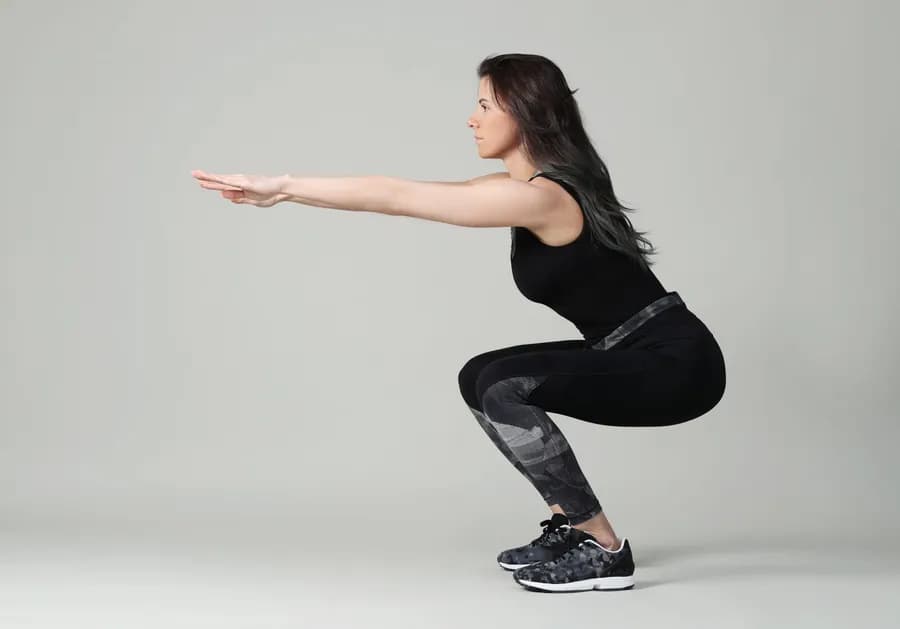
How to Do a Proper Squat: Form, Mistakes and Progressions
We're born with a perfect squat pattern and gradually lose it through years of sitting — relearning it activates the largest muscle groups and the strongest hormonal response. See the form, mistakes, and progressions.
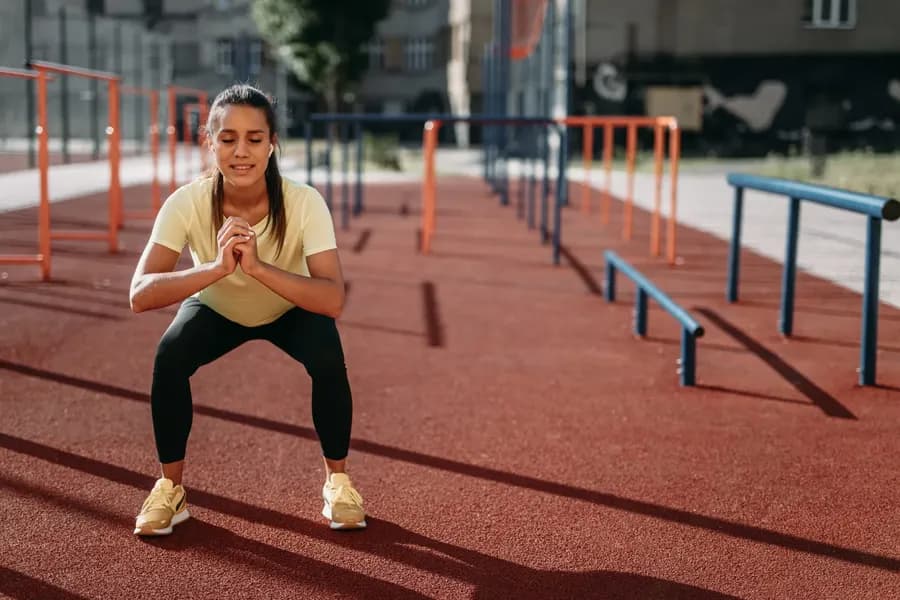
Benefits of Squats for Women — 7 Real Results from Daily Practice and What to Expect Honestly
Consistent daily squat practice produces measurable results in glute shape, leg strength, and posture within 8-12 weeks — the 'bulky thigh' myth doesn't hold up given women's hormonal profile. See all 7 real results.
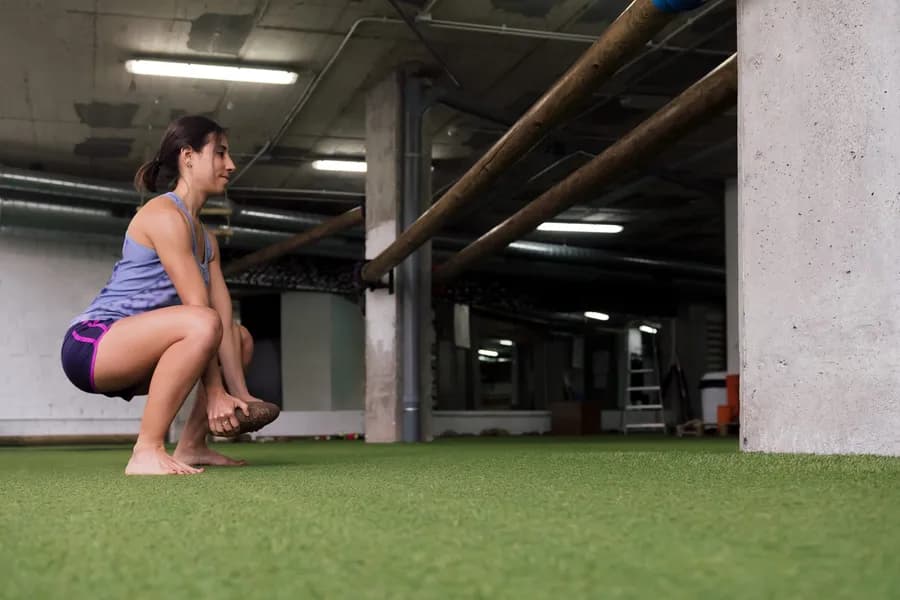
How to Do Bulgarian Split Squat — Form, Tips & Benefits
Learn how to do bulgarian split squat with correct form, common mistakes to avoid, and beginner-friendly variations. Start your free 7-day trial at 14-day free trial.
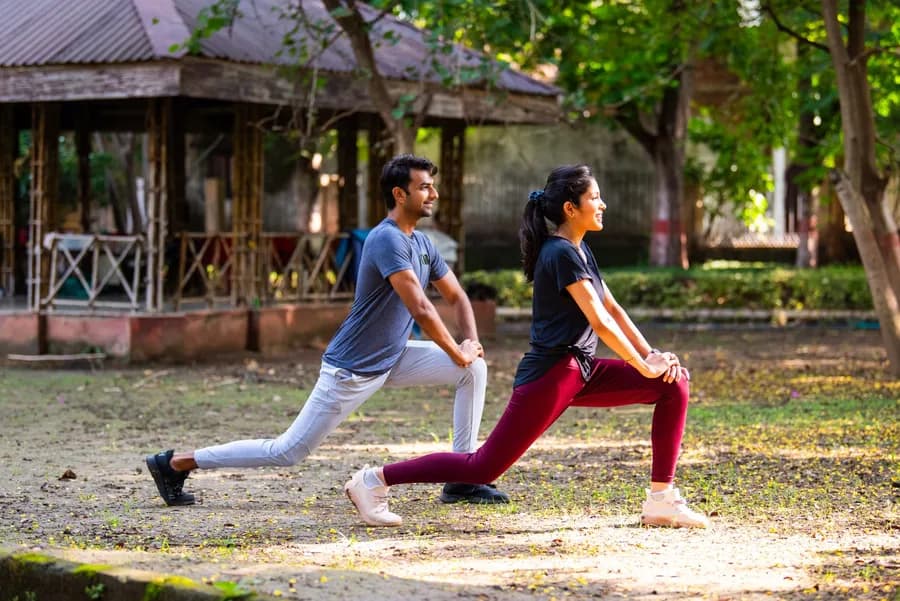
Types of Lunges Exercise — 7 Variations to Build Stronger Legs, Glutes, and Single-Leg Strength
Lunges build the unilateral strength that bilateral squats hide, and the right variations target different muscle emphasis, balance demands, and movement patterns. See all 7 variations.