
10 Benefits of Yoga: the Top Health and Wellness Benefits Explained
Practised for over 5,000 years, yoga’s benefits span flexibility and stress reduction to better sleep and improved heart health. See the top 10 health and.


Key Takeaways
- Yoga has been practised for over 5,000 years, with modern research increasingly validating it.
- Chronic back pain affects roughly 80% of adults at some point, a key benefit target.
- A single session can produce measurable anxiety reduction through parasympathetic activation.
- Evening practice specifically activates the parasympathetic system that healthy sleep requires.
- Pranayama practice progressively expands lung capacity across decades of sustained practice.
- Dynamic styles like Vinyasa or Power Yoga specifically support cardiovascular fitness gains.
Yoga has been practised for over 5,000 years, and modern research increasingly validates the broad health benefits the tradition has long claimed. From flexibility and stress reduction to better sleep and improved heart health, the top 10 benefits of yoga address virtually every dimension of physical and mental well-being. This guide explains the 10 most important benefits of yoga supported by both classical tradition and modern evidence — useful for adults, students, and practitioners at every level.
Top 10 Benefits of Yoga
- Improves Flexibility and Joint Mobility Yoga progressively lengthens muscles and mobilises joints — restoring the range of motion that prolonged sitting and ageing degrade. Daily practice produces measurable flexibility improvements within 4–6 weeks. Members focused on broader flexibility work often pair their practice with ouryoga for flexibility programme.
- Reduces Stress and Anxiety The combination of mindful movement, breath work, and meditation activates the parasympathetic nervous system — slowing the heart rate, lowering cortisol, and producing measurable reductions in anxiety within just one session. Members managing chronic stress often pair their practice with ouryoga for stress management programme.
- Builds Core Strength and Stability Yoga poses — particularly plank variations, balance poses, and warrior sequences — build deep core strength that translates to better posture, reduced back pain, and stronger movement across daily activities.
- Enhances Balance and Posture Standing poses and balance practices strengthen the small stabilising muscles that healthy posture depends on. Regular practice progressively restores upright alignment and addresses the forward-rounded patterns that screen time produces. Members focused on broader posture work often pair their training with ouryoga for posture programme.
- Supports Better Sleep The combination of physical practice and breath work produces measurable improvements in sleep quality and duration. Evening yoga particularly activates the parasympathetic nervous system that healthy sleep requires.
- Reduces Back Pain and Spinal Stiffness Specific yoga poses directly address the chronic back pain that affects 80% of adults at some point. Regular practice strengthens the deep spinal muscles and lengthens the tight muscle groups that contribute to pain. Members managing concurrent back pain often pair their training with ouryoga for back pain programme.
- Improves Heart Health and Circulation Regular yoga practice supports healthy blood pressure, improves circulation, and contributes to cardiovascular fitness — particularly with dynamic styles like Vinyasa or Power Yoga.
- Improves Breath Capacity and Lung Function Yoga’s emphasis on conscious breathing (pranayama) progressively expands lung capacity, improves diaphragmatic function, and supports respiratory health across decades of practice.
- Cultivates Mental Clarity, Focus and Cognitive Function The meditative quality of yoga builds focused attention that translates to better concentration, productivity, and mental clarity. Particularly beneficial for students managing academic demands and adults managing complex work.
- Supports Emotional Health and Mood Regular yoga practice produces measurable improvements in mood, reduces depressive symptoms, and supports emotional regulation — addressing the modern epidemic of mental health challenges across all age groups.
How to Get Started with Yoga
What You Need to Begin
A yoga mat, comfortable clothing, and quiet space — minimal equipment for a deeply rewarding practice. Practise on an empty stomach (2+ hours after eating) and barefoot for grounded contact with the mat.
Setting Realistic Goals
Start with 15–20 minutes of daily practice. Aim for 5–6 sessions per week. Most beginners notice initial benefits (improved sleep, reduced stress) within 2–3 weeks; deeper changes (flexibility, strength, posture) emerge over 6–12 weeks.
Start with the Basics
Begin with foundational poses — Tadasana, Sukhasana, Adho Mukha Svanasana — before progressing to demanding asanas. Focus on breath awareness from day one. Live guided classes are particularly valuable for ensuring proper form from the beginning.
Best Yoga Poses for All 10 Benefits
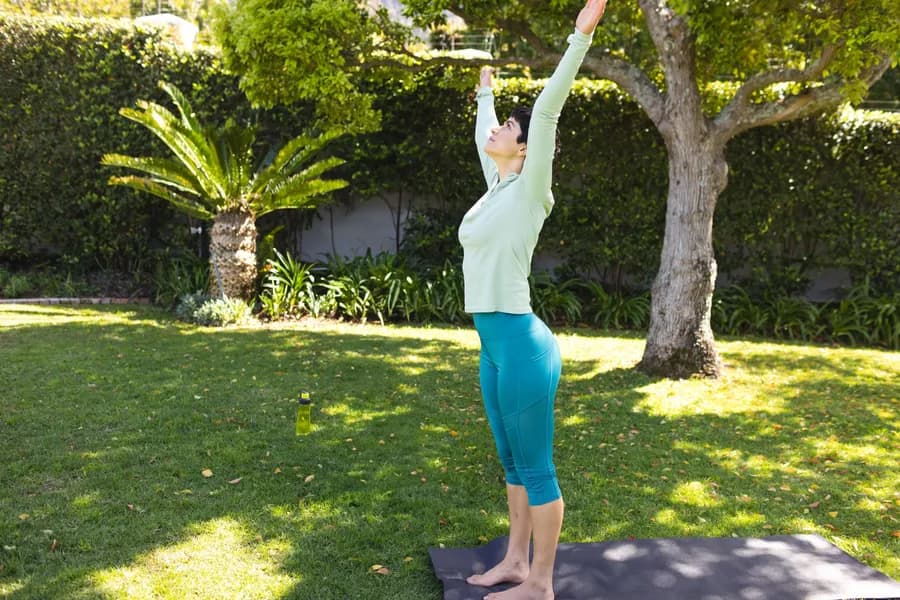
- Tadasana (Mountain Pose) The foundational standing pose that establishes proper alignment and supports posture, balance, and body awareness simultaneously.
- Adho Mukha Svanasana (Downward Dog) The whole-body pose that addresses flexibility (hamstrings, calves, shoulders), strength (arms, core), and circulation simultaneously.
- Virabhadrasana II (Warrior II) Standing pose building leg strength, balance, hip mobility, and core engagement — addressing multiple of the 10 benefits at once.
- Bhujangasana (Cobra Pose) Gentle backbend supporting spinal flexibility, chest opening, and improved posture.
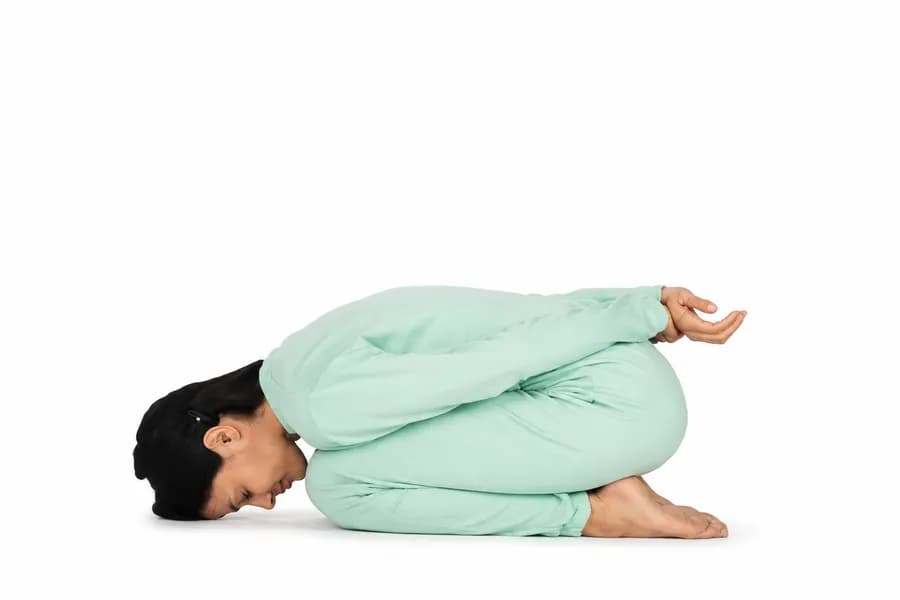
- Balasana (Child’s Pose) Restorative pose supporting stress reduction, lower back relief, and breath awareness.
- Setu Bandha Sarvangasana (Bridge Pose) Pose addressing back strength, glute activation, and gentle backbend benefits — particularly valuable for sedentary practitioners.
- Savasana (Corpse Pose) Final relaxation pose that integrates the practice’s benefits and supports deep stress reduction. Members focused on stretching often pair their work with ourstretching yoga poses programme.
Common Mistakes to Avoid in Yoga
- Skipping Warm-up Jumping into demanding poses without warming up risks strain. Correction: spend 5–10 minutes warming joints before deeper practice.
- Holding Breath During Poses Breath-holding eliminates the calming benefit. Correction: maintain steady smooth breathing throughout every pose.
- Forcing into Advanced Poses Too Soon Eager beginners attempt advanced poses too early. Correction: respect the progression; foundational poses must be established first.
- Inconsistent Practice Sporadic practice produces minimal benefit. Correction: aim for 15–20 minutes daily rather than 90 minutes weekly.
Who Should Try Yoga?
- Beginners Yoga is one of the most beginner-accessible wellness practices — no flexibility, strength, or experience required to start.
- Women and Students Women benefit from yoga’s hormonal balance and stress relief. Students benefit dramatically from yoga’s focus and stress reduction effects — particularly the 10 benefits of yoga for students that academic life specifically demands.
- Older Adults Yoga supports healthy ageing through balance, mobility, and reduced fall risk. (Disclaimer: those with diagnosed health conditions should consult a doctor before starting yoga.)
- Working Professionals Office workers benefit from yoga’s posture restoration, stress management, and brief-but-effective practices that fit into demanding schedules.
Experience All 10 Benefits with a Yoga Routine That Actually Works
Experiencing the full 10 benefits of yoga isn’t about occasional sessions — it’s about consistency, expert guidance, and a structured routine. With the right support, you can practise yoga effectively from home and see all these benefits emerge over weeks and months. The same daily-practice habit foundation drives ourdaily online yoga classes that members rely on every morning.
What You Get with Habuild’s Yoga Everyday Program:
- Daily live guided yoga sessions
- Beginner to advanced progression
- No-equipment & home-friendly practice
- Expert guidance to ensure correct form
- Community support to stay consistent
Start Your Yoga Journey
Reading about yoga’s ten benefits is one thing; experiencing them is another, and that shift happens only once the practice moves from something you tried to something you return to daily. Each of the benefits above compounds when the same body-and-breath work is repeated regularly rather than sampled once. If you’re ready to move from reading to practicing, Yoga Everyday offers a structured daily class to build that consistency around.
Frequently Asked Questions
Related Articles

Health Benefits of Yoga
Unlike single-modality exercise — running for cardio, weights for muscle, stretching for flexibility — yoga delivers measurable improvements across all these domains at once. See the full range of benefits.

20 Benefits of Yoga
Yoga acts simultaneously on the musculoskeletal system through asana, the autonomic nervous system through pranayama and meditation, and the endocrine system through parasympathetic activation. See all 20 benefits.
Yoga Mudrasana (Psychic Union Pose): Steps, Benefits & Precautions
Sitting in Padmasana, clasping the hands behind the back, and folding the torso forward until the forehead rests on the floor seals pranic energy within.
