
Supta Matsyendrasana (Supine Spinal Twist): Steps and Benefits
Practice Supta Matsyendrasana with Habuild. Follow supine spinal twist steps to relieve back pain, improve digestion, and calm your nervous system. Start today!
Key Takeaways
- Named after the legendary yogi Matsyendranath, supine counterpart to seated Ardha Matsyendrasana.
- Requires no strength at all – a fully passive, gravity-assisted spinal rotation.
- Twisting each side separately massages the ascending and descending colon in turn.
- Taught as the standard cool-down spinal release at the end of every Habuild session.
- Crossed-leg external rotation stretches the piriformis and IT band as a bonus benefit.
- One of the most globally prescribed postures specifically for lower back pain management.
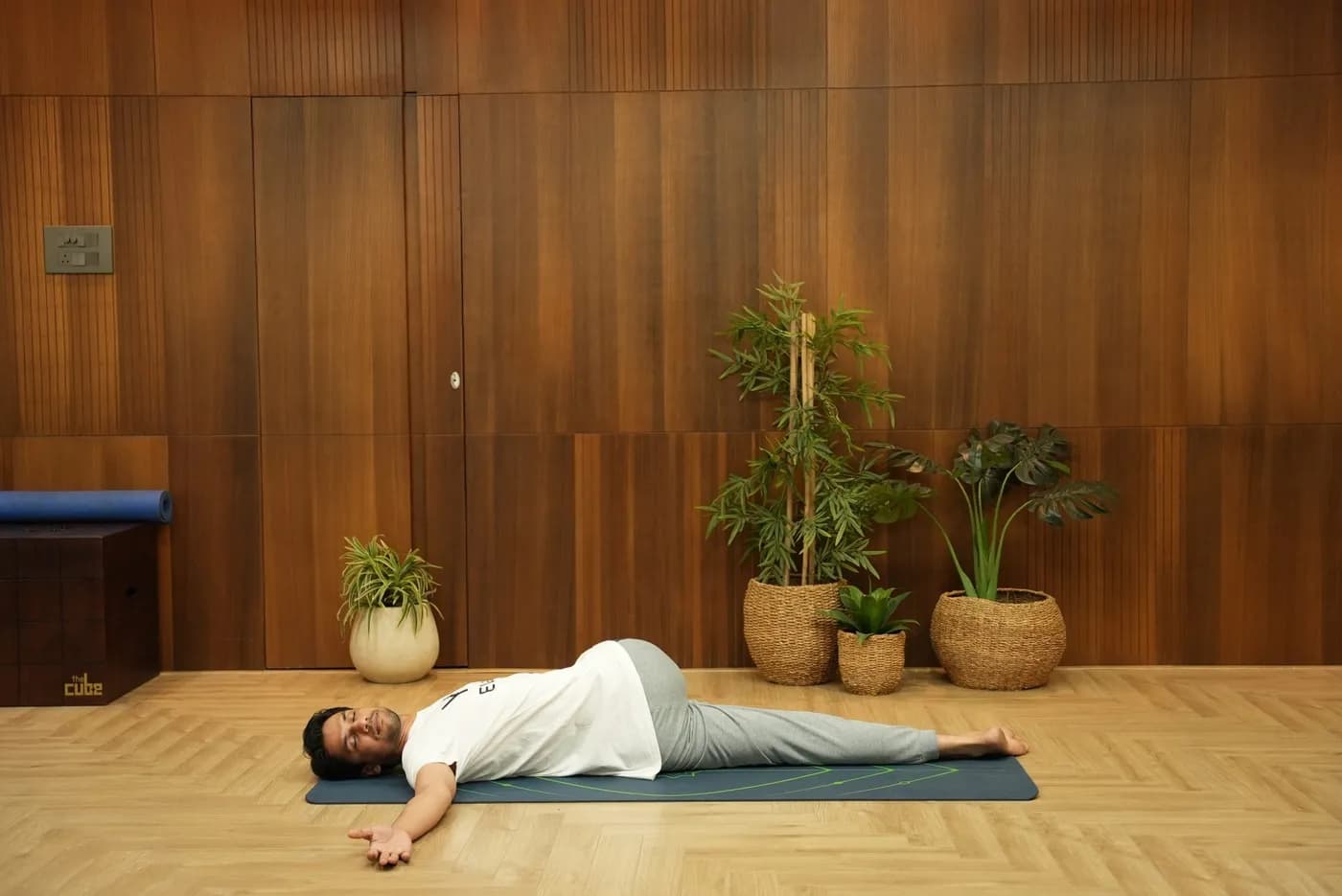
Supta Matsyendrasana, or Supine Spinal Twist, gently decompresses the spine, massages digestive organs, stretches the outer hip, and activates the parasympathetic nervous system from a fully passive reclined position. It relieves back pain, supports digestion, and improves sleep quality. The most universally accessible yoga posture — suitable for all practitioners.
What is Supta Matsyendrasana?
Supta Matsyendrasana — known in English as Supine Spinal Twist or Reclined Twist — derives from Sanskrit: Supta (reclining or lying down), Matsyendra (the legendary yogi Matsyendranath), and Asana (posture). It is the supine, restorative counterpart of seated Ardha Matsyendrasana — providing the same essential spinal rotation benefits in a passive, gravity-assisted position requiring no strength.
Supta Matsyendrasana is one of yoga’s most universally beneficial postures — effective at any level of practice, therapeutic for virtually every practitioner, and particularly powerful as an evening or pre-sleep practice. Its gentle, gravity-assisted spinal rotation decompresses the intervertebral discs, relieves paraspinal tension, and stimulates the digestive organs — all while activating the parasympathetic nervous system.
At Habuild, Supta Matsyendrasana is taught as both a standalone therapeutic posture and as the standard cool-down spinal release at the end of every session.
Supta Matsyendrasana Benefits
Physical Benefits
- Decompresses the Spine and Relieves Back Pain The supine twist gently tractions the intervertebral discs while rotating the thoracic and lumbar vertebrae — decompressing the disc spaces, stretching the paraspinal muscles, and providing relief from the compression that accumulates through a full day of sitting and standing. One of the most prescribed postures for lower back pain management globally.
- Stimulates Digestion and Relieves Constipation and Acidity The supine rotation massages the ascending colon (right-side twist), transverse colon, and descending colon (left-side twist) — stimulating peristalsis and improving gut motility. Practising both sides provides a complete digestive organ massage.
- Stretches the Piriformis and Outer Hip The crossed-leg position places the hip in external rotation — stretching the piriformis, gluteus medius, and IT band. This outer hip release completes the circumferential hip opening that a balanced practice requires.
- Releases Thoracic Tension and Opens the Chest As the shoulders remain grounded while the legs twist to the side, the thoracic spine undergoes gentle but effective rotation — releasing the mid-back tension that accumulates from keyboard work and sustained forward-facing postures.
Mental Benefits
- Activates the Parasympathetic Nervous System for Deep Relaxation The supine, gravity-assisted nature — combined with deep, slow breathing — is one of yoga’s most reliable parasympathetic activators. The nervous system shift from sympathetic activation to rest is rapid and profound, making it an ideal pre-sleep practice.
- Releases Stored Spinal Tension and Emotional Holding The paraspinal muscles carry an enormous amount of psychosomatic tension. The gentle, sustained rotation releases this tension in a way that more active postures cannot access — producing a quality of deep physical and emotional relief.
How to Do Supta Matsyendrasana — Step-by-Step Instructions
Key Principles
Key Principles Three principles: ground both shoulders — the shoulder of the upper arm must remain in floor contact throughout, even if this means the knees do not reach the floor; choose the knee position based on current hip flexibility — single knee is easier, crossed knees provides deeper hip stretch; and hold long enough — at least five breath cycles for meaningful paraspinal release.
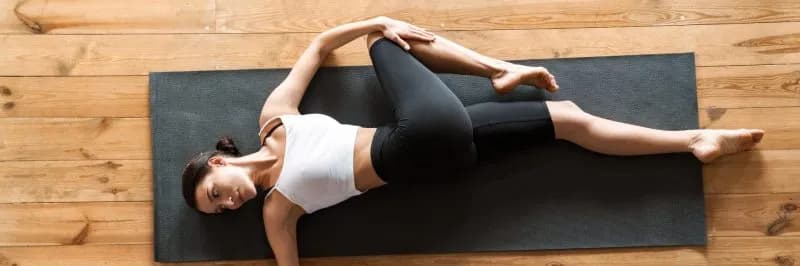
Supta Matsyendrasana — Step by Step Step 1: Supine T-Position Starting Point Lie on the back with knees bent, feet flat on the floor, arms extended to the sides in a T-shape. Allow the spine to settle for two breath cycles.
Step 2: Draw the Right Knee to the Chest Draw the right knee toward the chest on an exhale — hugging it briefly before beginning the twist.
Step 3: Cross the Right Knee to the Left Cross the right knee over the body to the left — allowing it to drop toward the floor on the left side. Keep the left leg extended or bring the left knee to meet the right.
Step 4: Settle the Shoulders and Turn the Head Extend the right arm along the floor at shoulder height. Relax both shoulders toward the floor. Turn the head to look toward the right hand — in the opposite direction to the knees.
Step 5: Hold for 5-15 Breaths Hold for five to fifteen breath cycles — breathing deeply into the back ribs and belly. Each exhale allows the paraspinal muscles to release further into the twist without effort.
Step 6: Return to Centre and Switch Sides Inhale to bring the knees back to centre. Exhale and repeat on the opposite side. Always practise both sides — right side first (anatomically aligned with the ascending colon).
Breathing
Exhale into the twist, allowing the abdominal organs to compress and the spinal muscles to release; inhale into the back ribs, creating the traction that decompresses the discs. Over five to ten breath cycles, the progressive release of the paraspinal muscles deepens the twist without any forcing.
Preparatory Poses
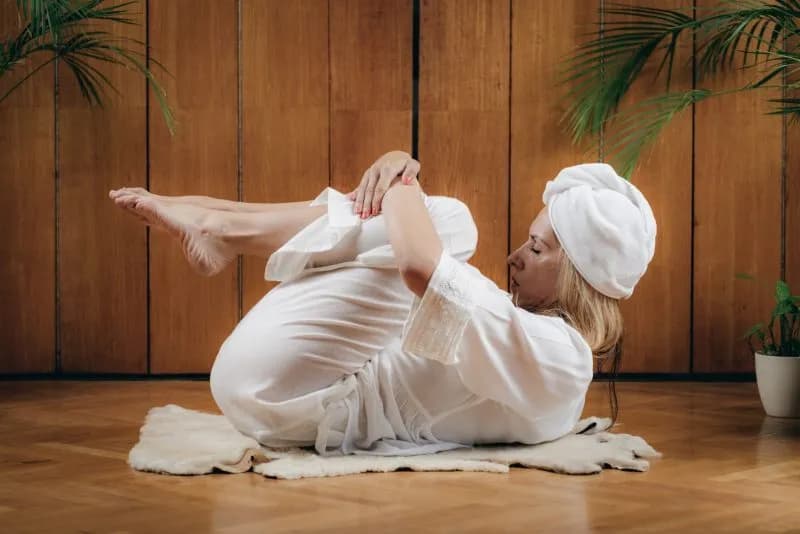
- Ananda Balasana (Happy Baby, 5 breaths) — The hip-opening warm-up that prepares the outer hips before the supine twist’s piriformis stretch.
- Apanasana (knees-to-chest, 30 seconds) — The lumbar release that immediately precedes Supta Matsyendrasana in the standard sequence.
Variations
- Variation 1: Single Knee — Most Accessible One knee drawn to the chest and twisted to the opposite side, the other leg extended. Easier for practitioners with tight hips or any discomfort in the crossed-knee position.
- Variation 2: Crossed Knee — Standard Both knees drawn up and crossed before twisting — the standard form providing a deeper outer hip and piriformis stretch alongside the spinal rotation.
- Variation 3: Extended Leg — Advanced One leg extended straight while the other crosses over — adding a hamstring and IT band stretch alongside the spinal rotation. For practitioners with good hamstring and hip flexibility.
Common Mistakes to Avoid
- Allowing the Upper Shoulder to Lift Off the Floor The most consequential error — the upper shoulder must remain grounded throughout. If it lifts significantly, reduce the depth of the twist rather than forcing both the shoulder grounding and the full knee crossing simultaneously.
- Forcing the Knees to the Floor Let gravity do the work over the hold’s duration — the knees will drop progressively toward the floor as the paraspinal muscles release. Never use the upper arm to press the knees down.
- Holding for Less Than Five Breath Cycles The full paraspinal muscle release that makes Supta Matsyendrasana genuinely therapeutic requires sustained loading. Brief two-breath holds produce minimal benefit compared to the ten to fifteen breath holds that access the deepest release.
Who Should Practise?
- Everyone — Literally the Most Universal Posture Supta Matsyendrasana can be genuinely recommended to virtually every human being regardless of age, fitness level, or experience. The combination of accessibility, safety, and comprehensive benefit makes it yoga’s most indispensable daily practice.
- Those with Back Pain and Spinal Stiffness Daily end-of-day practice of Supta Matsyendrasana is one of the most effective yoga interventions for chronic lower back pain — providing progressive decompression and rotation that gradually restores spinal mobility lost to age and inactivity.
- Is Supta Matsyendrasana Good for Beginners? Yes — it is the definitive beginner yoga posture. No prior yoga experience, flexibility, or strength is required. The single-knee variation is accessible from the first yoga session.
Make Supta Matsyendrasana a Part of Your Daily Practice
Supta Matsyendrasana is yoga’s most universally accessible and most consistently beneficial daily posture — its supine spinal rotation delivering lumbar decompression, digestive organ massage, outer hip release, and parasympathetic nervous system restoration in one effortless reclined hold that every body benefits from at the end of every day.
The most effective way to learn Supta Matsyendrasana correctly — with shoulder grounding, graduated knee position, and extended hold guidance — is under live expert instruction with Habuild.
Start your 14 day free yoga journey with Habuild, today!
Related reads: Matsyendrasana (Full Spinal Twist): Steps Benefits and Safety · Supta Vajrasana: Steps Digestive Benefits and How to Practice
A gentle supine twist like this one tends to ease lower-back tightness and support digestion best when it becomes a nightly ritual rather than something you reach for only when your back is already sore. The calming effect on the nervous system also compounds with regular practice, the way most restorative poses do. Habuild’s Yoga Everyday program closes several of its daily sequences with twists like this.
Frequently Asked Questions
Related Articles
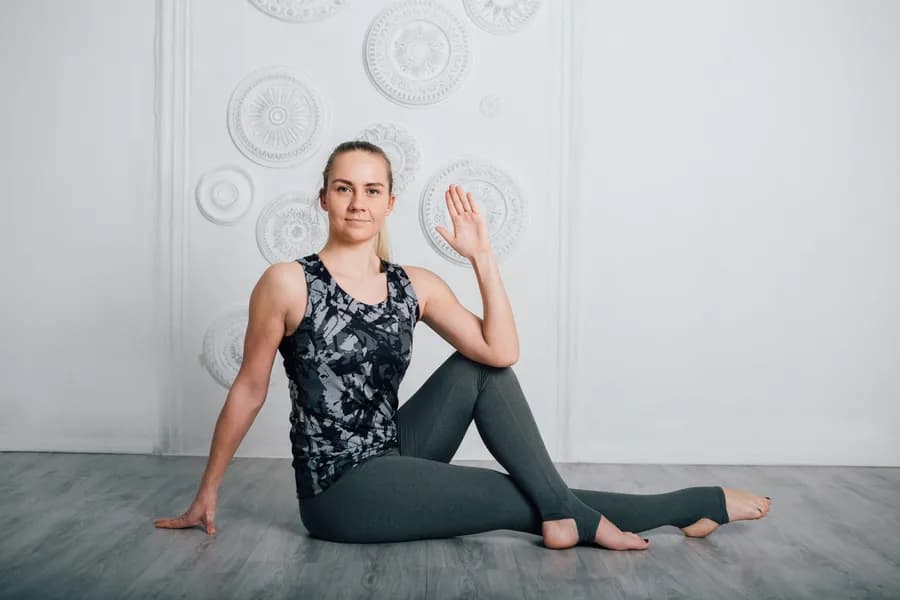
Matsyendrasana (Full Spinal Twist): Steps Benefits and Safety
Practice matsyendrasana with Habuild. Follow the ardha matsyendrasana procedure to boost spinal health, digestion, and flexibility. Start your session today!
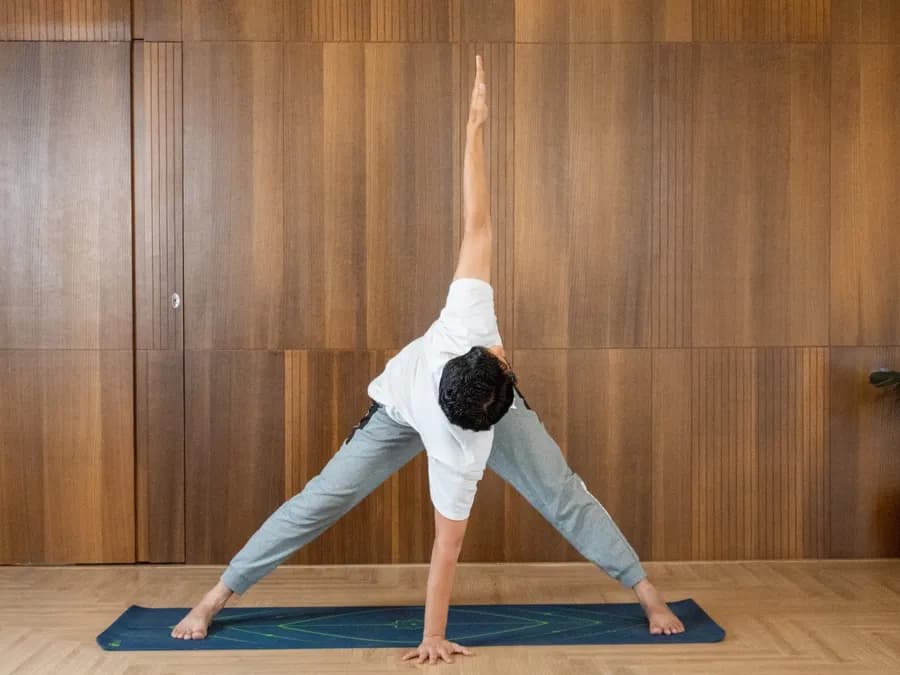
Parivrtta Trikonasana (Revolved Triangle): Steps and Key Benefits
Practice Parivrtta Trikonasana with Habuild. Follow the revolved triangle steps to improve digestion, boost flexibility, and build core strength. Start today!
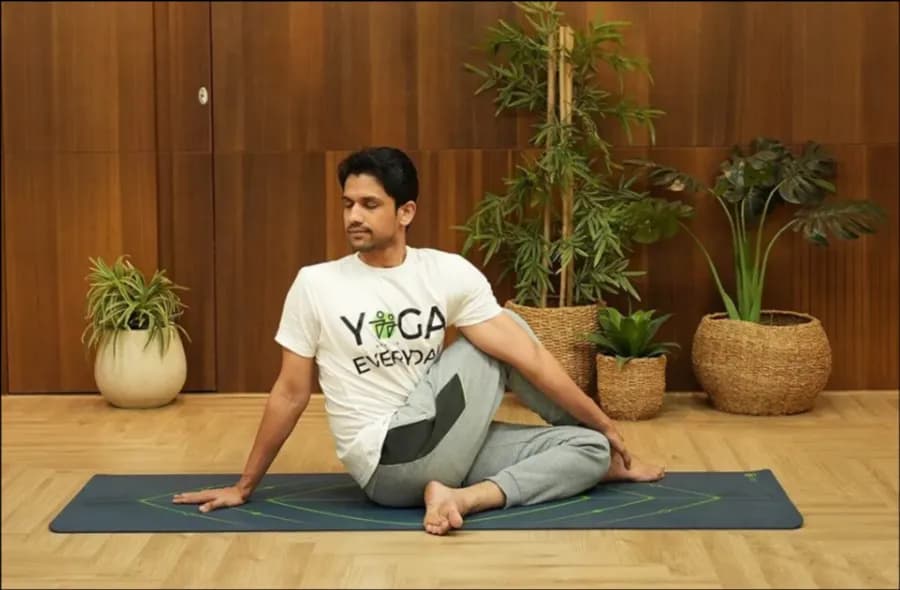
Ardha Matsyendrasana: Steps Benefits and How to Practice v2
Learn ardha matsyendrasana with Habuild. Discover ardha matsyendrasana benefits for spinal health, improved digestion, and flexibility. Start your practice now!

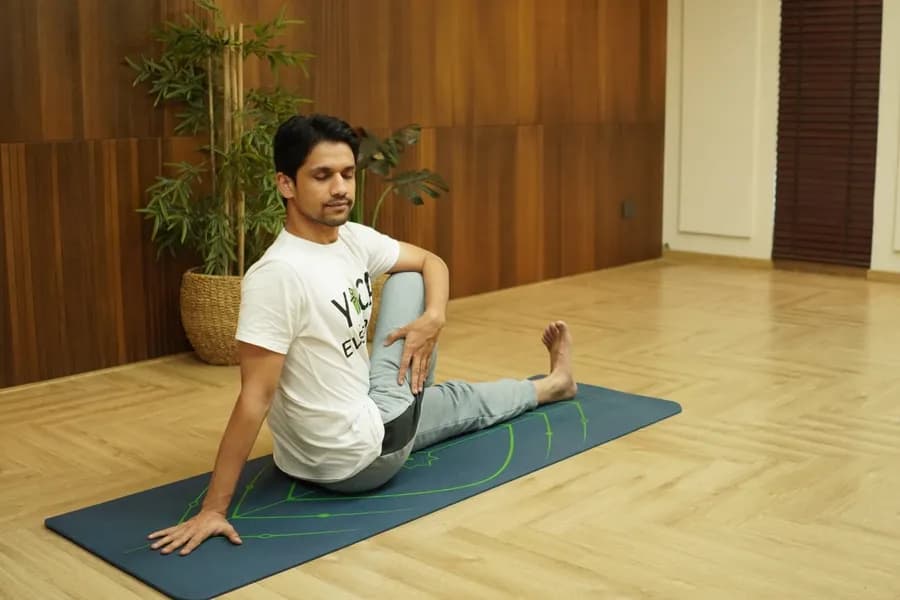
Vakrasana: Twisted Pose, Steps & Yoga Benefits
Vakrasana, or Twisted Pose, is a seated spinal rotation that improves spinal flexibility, stimulates digestive organs, and strengthens the core.
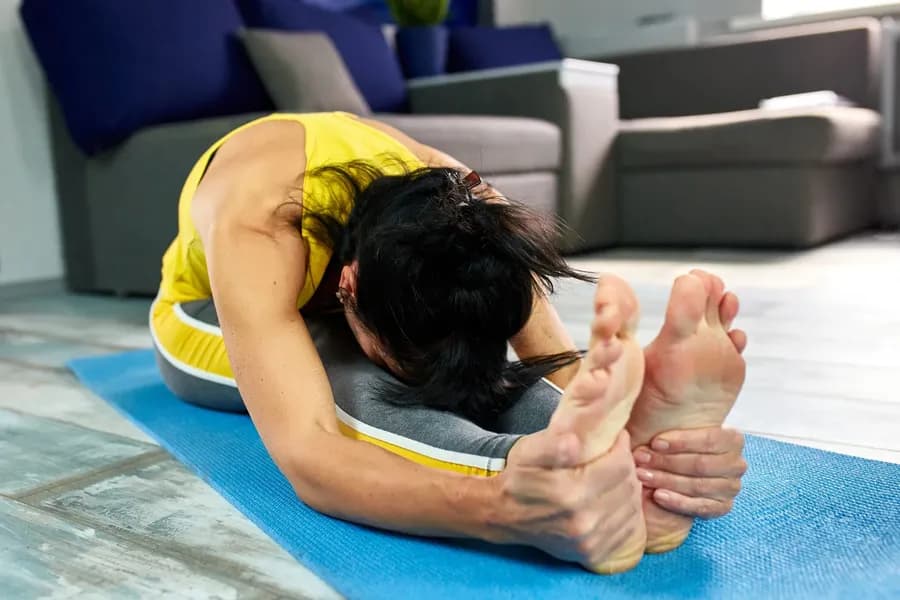
Paschimottanasana: Yoga Steps, Benefits & Tips
Paschimottanasana, the Seated Forward Fold, deeply stretches the entire posterior chain, stimulates the abdominal organs, calms the nervous system, and builds hamstring and spinal flexibility.