
10 Benefits of Walking for Men
Walking supports cardiovascular health, helps manage weight, and reduces stress — one of the most accessible daily habits, especially for men over 35 or.
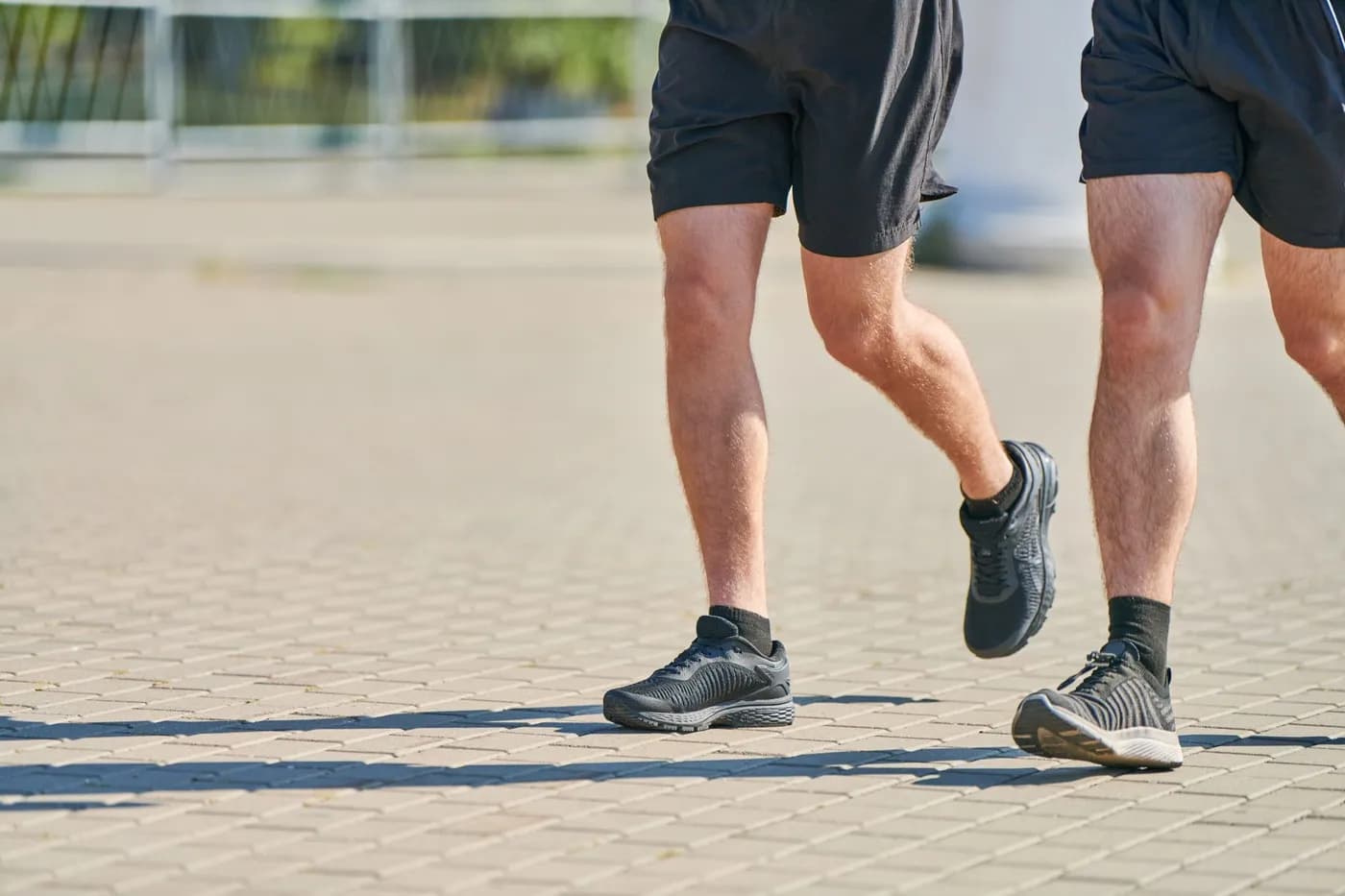
Key Takeaways
- A steady 30-45 minute walk supports gradual fat loss, especially around the midsection.
- Bone density can begin a slow decline after 35, making daily walking a low-effort defence.
- Works as active recovery on rest days without taxing the nervous system.
- A 25-minute daily walk beats a single 60-minute walk once a week, every time.
- Needs nothing but supportive shoes and a reliable route to begin.
The benefits of walking for men go far beyond simply getting steps in. Walking supports cardiovascular health, helps manage body weight, reduces stress, and builds a foundation for sustained fitness — making it one of the most accessible and effective daily habits, especially for men over 35 or 40.
Whether you’re returning to exercise after a long gap or looking to complement an existing routine, walking is a genuinely underrated starting point. This guide covers the key benefits, how to get started, the best variations to try, and how to build on your walking habit with structured strength work.
10 Key Benefits of Walking for Men’s Health
- Supports a Healthy Heart Regular brisk walking improves circulation, supports healthy blood pressure levels, and reduces strain on the cardiovascular system over time. For men over 40, consistent low-impact movement like walking can meaningfully contribute to long-term heart wellness — not as a treatment, but as a supportive daily habit.
- Helps Manage Body Weight Walking for weight loss is a practical, sustainable approach for men at any fitness level. A steady 30–45 minute walk burns calories and, when combined with mindful eating, supports gradual fat loss — particularly around the midsection. Consistent walking adds up significantly over weeks and months.
- Improves Bone Density Weight-bearing activities like walking stimulate bone remodeling. For men, maintaining bone strength becomes increasingly important after 35, when bone density can begin a slow decline. Daily walking is a low-effort way to keep bones resilient without placing excessive load on joints.
- Enhances Functional Strength Walking regularly conditions the glutes, hamstrings, calves, and hip flexors — the foundational muscles used in nearly every movement pattern. Pairing walking with structured strength training creates a well-rounded fitness approach that most men can sustain long-term.
- Supports Fat Loss Without Burnout High-intensity workouts have their place, but recovery matters equally. Walking is active recovery that still burns calories, supports metabolism, and keeps the body moving without taxing the nervous system. For men who train hard during the week, a daily walk on rest days helps maintain momentum without risking overtraining.
How to Get Started with Walking for Men
What You Need to Begin
Nothing elaborate is required. A pair of supportive shoes, a reliable route — outdoors or on a treadmill — and 20 to 30 minutes of available time. No gym membership, no equipment purchases. Walking is accessible to almost anyone, at any starting point.
Setting Realistic Goals
Avoid trying to hit 10,000 steps on day one after months of inactivity. Start with 20 minutes at a comfortable pace and build by 5 minutes each week. The goal is consistency, not intensity. A 25-minute walk done daily beats a 60-minute walk done once a week, every time.
Start with the Basics
Begin with a flat, familiar route at a moderate pace where you can still hold a conversation. Once that feels comfortable — usually within a week or two — introduce gentle inclines or a slightly brisker pace. For men over 40, this gradual progression reduces the risk of joint discomfort and keeps the habit sustainable.
Best Walking Exercises and Variations for Men
Brisk Walking
The most accessible starting point. Walk at a pace where your breathing increases slightly but you can still speak in sentences. Aim for 30 minutes, 5 days a week — the baseline recommended for general health support across most fitness guidelines.
Incline Walking
Walking uphill — outdoors or on a treadmill set to 5–10% incline — significantly increases calorie burn and engages the posterior chain more deeply. Three rounds of 10-minute incline intervals is a strong intermediate target for men building walking fitness.
Weighted Vest Walking
Adding a light weighted vest (5–10% of body weight) increases the challenge without joint impact. Particularly useful for men looking to build functional strength alongside cardiovascular conditioning. Start with 15–20 minutes and progress gradually over weeks.
Interval Walking
Alternate between 2 minutes of brisk walking and 1 minute of slower recovery pace. Repeat for 20–30 minutes total. This variation keeps the cardiovascular system more challenged and can support greater calorie expenditure compared to steady-state walking alone.
Morning Fasted Walk
A 20–30 minute walk before breakfast is popular among men focused on weight management. Walking in a fasted state may help the body draw on stored fat for fuel. Follow it with a protein-rich breakfast to support muscle retention throughout the day.
Long Slow Distance Walk
Once a week, aim for a 60–90 minute walk at a comfortable, conversational pace. This builds aerobic base, supports mental clarity, and integrates naturally with errands or outdoor time. Pairing this with functional strength exercises on alternate days creates a balanced weekly routine.
Common Mistakes to Avoid
- Poor Form Slouching, looking down at your phone, or taking overly long strides can strain the lower back and hips. Walk tall — shoulders back, gaze forward, arms swinging naturally. Good posture during walking carries over directly into better posture in daily life.
- Skipping Warm-up Starting a brisk walk cold — especially in the morning — puts unnecessary strain on muscles and joints. Spend 3–5 minutes walking slowly before picking up the pace. This simple habit significantly reduces discomfort, particularly for men over 40.
- Overtraining Walking is low-impact, but more is not always better. If you’re also strength training or running, treat walks as supplemental activity — not additional high-volume training. Rest days matter. Even one complete rest day per week gives the body time to recover and adapt.
- Inconsistency The most common reason walking fails to produce results is inconsistency. Schedule your walk like a meeting — same time, same approximate route. Habit stacking (walking after coffee, or after lunch) makes adherence far more likely. Pairing walks with a structured strength training program keeps the overall routine varied and motivating.
Who Should Try Walking?
- Beginners Walking is the single best entry point into physical activity for men who have been sedentary. There’s no learning curve, no equipment barrier, and no meaningful injury risk when done sensibly. Starting with 20 minutes a day, five days a week, is enough to begin noticing improvements in energy and mood within two to three weeks.
- Women While this page focuses on men, women benefit enormously from walking too — it’s a sustainable, joint-friendly movement that supports hormonal balance, mental wellbeing, and daily energy levels. The principles here apply equally regardless of gender.
- Older Adults For men over 50 or 60, walking is one of the safest ways to maintain mobility, support bone density, and preserve independence. Low-impact by nature, it places minimal stress on arthritic joints while still providing meaningful cardiovascular and metabolic benefits. Consult your doctor before significantly increasing activity levels if managing a specific health condition.
- Working Professionals Long hours and desk work leave many men with tight hips, rounded shoulders, and chronically tight hamstrings. A 20–30 minute walk at lunch, or a 10-minute walk after dinner, can meaningfully counteract the postural and metabolic effects of prolonged sitting — without requiring a gym visit. Men who combine daily walking with Habuild’s home-based strength training tend to see the most noticeable improvements in posture and daily energy.
Build Strength with a Routine That Actually Works
Walking builds a strong aerobic base — but combining it with structured strength training is where real, lasting change happens. It’s not about random workouts or chasing intensity. It’s about showing up consistently, with the right guidance, and progressing at a pace that fits your life.
What You Get with Habuild’s Strong Everyday Program:
- Daily live guided strength and yoga sessions
- Beginner to advanced progression — no prior experience needed
- No-equipment and home-friendly workouts
- Expert guidance to help you maintain correct form throughout
- A consistent community that keeps you accountable day to day
Start Your Strength Training Journey
Frequently Asked Questions
Related Articles
10 Benefits of Walking Backwards: Why Retro Walking Works
Retro walking strengthens muscles forward walking misses, reduces knee strain, and sharpens balance in ways forward walking can’t. See all 10 benefits.


Benefits of Walking after Dinner: What Post-Meal Walking Does for Your Health
Muscle contractions during walking consume blood glucose directly, bypassing insulin, while the movement also improves digestion and supports the.

Walking Exercise: a Complete Guide to Walking Programs, Treadmill Plans, and Daily Workouts
The difference between a casual stroll and a transformative walking routine isn't speed or distance — it's intentional pacing, consistent volume, and progression. See the complete guide to programs and plans.
