How to Fix Anterior Pelvic Tilt: Exercises, Stretches, and Daily Habits
This postural pattern quietly strains the lumbar spine and weakens the core — targeted hip flexor release and posterior-chain strengthening gradually.
Key Takeaways
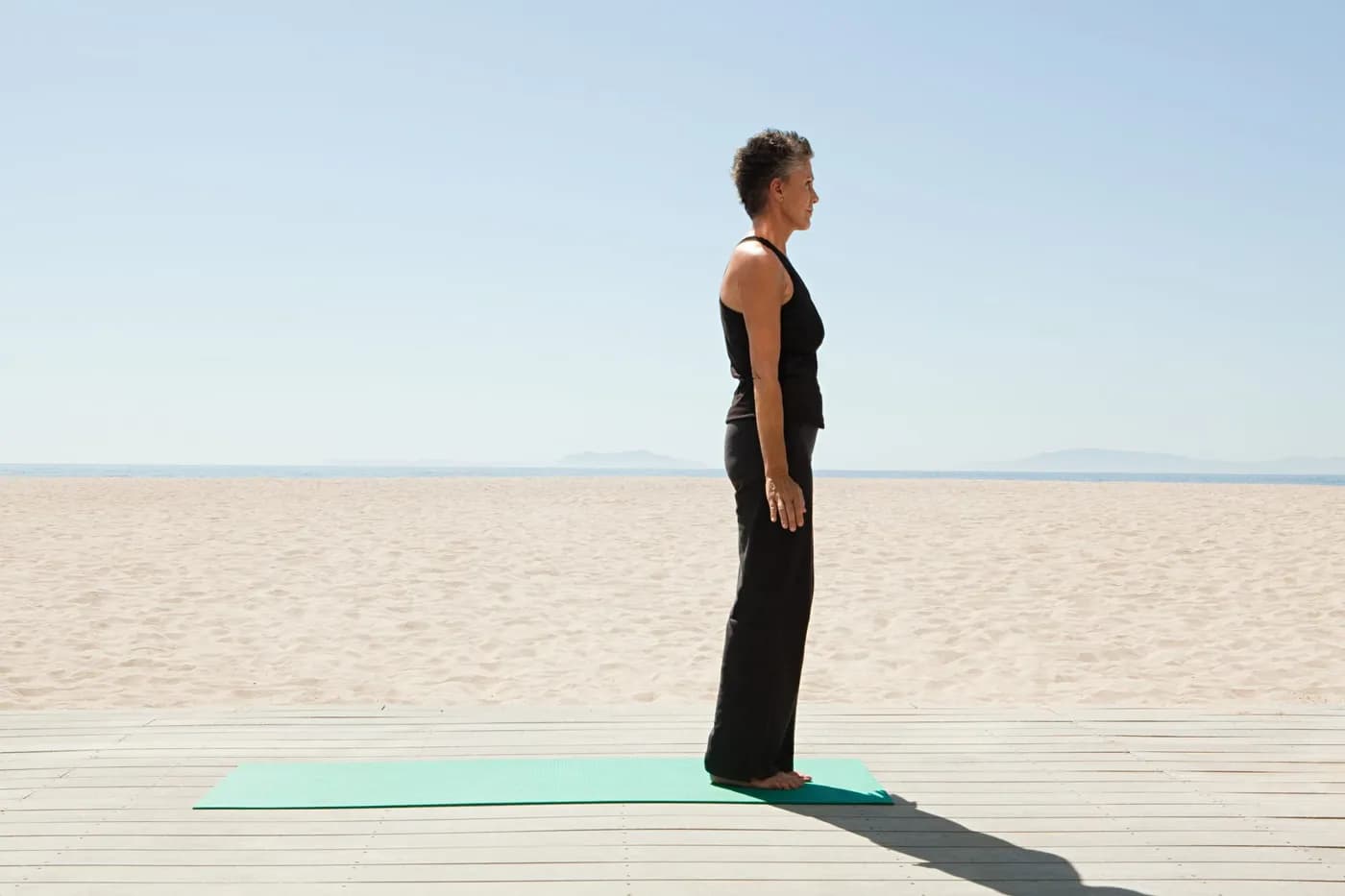
- Forward-tilted pelvis creates an exaggerated lower-back arch and forward-pushing belly.
- Hip flexor release paired with posterior-chain strengthening drives the actual correction.
- Most people notice real change within four to six weeks of consistent daily practice.
- Needs no gym or equipment – just a mat, floor space, and 15-20 minutes a day.
- Start with hip flexor stretches, glute bridges, and dead bugs before harder work.
- Develops over months or years, so expecting a one-week fix sets up disappointment.
Anterior pelvic tilt is a postural pattern where the front of the pelvis drops forward, creating an exaggerated lower-back arch. Learning how to fix anterior pelvic tilt matters because the pattern quietly strains the lumbar spine, weakens the core, and disrupts movement mechanics across the whole body. Consistent, targeted exercises — focused on hip flexor release and posterior-chain strengthening — gradually ease these effects and improve how you move every day.
If your lower back arches excessively and your belly seems to push forward even when you are standing upright, this postural pattern may be the cause. The good news is that most people notice a meaningful difference within four to six weeks of consistent, structured practice — no gym or equipment required.
5 Key Benefits of Correcting Anterior Pelvic Tilt
- Reduced Lower Back Strain When the pelvis tilts too far forward, the lumbar spine is forced into an exaggerated curve. Gradually correcting this alignment may ease chronic tension and discomfort in the lower back that many people have simply learned to live with.
- Stronger, More Engaged Core Anterior pelvic tilt is closely linked to underactive abdominals. As alignment improves, the deep core — particularly the transverse abdominis — begins activating more reliably during everyday movement, not just during workouts.
- Better Hip Mobility Tight hip flexors are a primary driver of this postural pattern. Consistently stretching and strengthening around the hip joint gradually improves range of motion, making walking, squatting, and climbing stairs feel noticeably easier.
- Improved Functional Strength A neutral pelvis is the foundation for almost every compound movement. Correcting alignment allows you to train more effectively — squats, deadlifts, and lunges all become safer and more productive. Explore exercises for functional strength that reinforce this foundation.
- Better Posture and Body Awareness Over time, this work builds a stronger sense of where your body is in space. That awareness carries into how you sit, stand, and move — long after your formal exercise session ends.
How to Get Started with Correcting Anterior Pelvic Tilt
What You Need to Begin
No gym membership or equipment is required to start. A yoga mat, enough floor space to lie flat, and about 15–20 minutes a day are sufficient. Many of the most effective corrective exercises use only bodyweight and focused breathing.
Setting Realistic Goals
Anterior pelvic tilt typically develops over months or years of sitting, sedentary habits, and muscle imbalances. Expecting resolution in a week sets you up for disappointment. Aim for steady, gradual improvement and avoid over-training the same muscles every day — adequate rest between sessions matters.
Start with the Basics
Begin with gentle hip flexor stretches, glute bridges, and dead bugs before progressing to more demanding strengthening work. These foundational movements build the awareness and baseline strength that make everything else work. If you are new to structured movement, strength training for core is an excellent starting framework.
Best Exercises to Fix Anterior Pelvic Tilt
These seven movements address the two-sided problem at the root of anterior pelvic tilt: tight, overactive hip flexors and weak, underactive glutes and abdominals.
Hip Flexor Stretch (Kneeling Lunge)
Drop into a half-kneeling position with one knee on the floor. Shift your hips forward gently until you feel a stretch along the front of the rear hip. Hold 30–45 seconds per side, 2–3 rounds daily. This is the single most important stretch for most people with this pattern.
Glute Bridge
Lie on your back with knees bent and feet flat. Press through your heels, squeeze your glutes, and lift your hips until your body forms a straight line from knees to shoulders. Hold 2 seconds at the top, then lower slowly. Do 3 sets of 12–15 reps. Weak glutes are a major contributor to anterior tilt, and this exercise directly targets that.
Dead Bug
Lie on your back, arms pointing toward the ceiling, knees bent to 90 degrees. Slowly lower one arm overhead while extending the opposite leg — keeping your lower back pressed firmly into the floor. Return and switch sides. Do 3 sets of 8 reps per side. This trains the deep core to maintain a neutral spine under load.
Plank
Hold a forearm plank with hips level — neither sagging nor raised. Actively tuck your pelvis slightly and brace your abdomen throughout. Start with 3 sets of 20–30 seconds and build progressively. The plank teaches your core to resist extension, the exact opposite of what anterior pelvic tilt imposes.
Reverse Lunge
Step one foot back, lower your rear knee toward the floor, then return to standing. Keep your front knee tracking over your foot and your torso upright. Do 3 sets of 10 per leg. This challenges hip stability and glute strength in a functional, single-leg pattern.
Posterior Pelvic Tilt Drill
Stand with your back against a wall. Gently flatten your lower back into the wall by engaging your abs and tilting the top of your pelvis backward. Hold 5 seconds, release, and repeat 10–15 times. This drill builds the neuromuscular awareness of what corrected pelvic alignment actually feels like.
Romanian Deadlift (Bodyweight or Light Load)
Hinge at the hips with a soft bend in the knees, lowering your torso while keeping your spine neutral. Return to standing by driving through the hips and squeezing the glutes. Do 3 sets of 10–12 reps. This builds the posterior chain — glutes, hamstrings, lower back — that is typically underdeveloped in people with anterior pelvic tilt. For structured progression, strength training for core muscles offers a clear roadmap.
Common Mistakes to Avoid
- Poor Form Rushing through reps without maintaining a neutral spine defeats the purpose. In every exercise, prioritize position over load or speed. One perfect glute bridge teaches your nervous system more than ten sloppy ones.
- Skipping the Warm-Up Cold, tight hip flexors do not respond well to immediate strength work. Spend five minutes warming up with leg swings, hip circles, and gentle cat-cow movements before the main session. This also reduces the risk of straining muscles that are already in a shortened position.
- Only Stretching, Never Strengthening Many people stretch their hip flexors religiously but neglect glute and core strength work. Stretching loosens what is tight, but strengthening is what changes your default posture. Both sides of the equation matter equally.
- Inconsistency Doing these exercises once a week produces very little change. Anterior pelvic tilt is a habitual pattern — correcting it requires a counter-habit. Aim for at least five days a week, even if each session is only 15–20 minutes. Consistency over intensity drives lasting postural change.
Who Should Work on Fixing Anterior Pelvic Tilt?
- Beginners If you have never done structured core or hip work before, this is an ideal starting point. The corrective exercises are gentle, require no equipment, and build a movement foundation that benefits every other form of training you take on later.
- Women Women are statistically more prone to anterior pelvic tilt due to differences in hip structure and the biomechanical effects of pregnancy. Targeted glute and core work addresses this without adding unwanted bulk — it builds the support the pelvis needs to hold a better position throughout the day. Female strength training programs at Habuild are designed with exactly these goals in mind.
- Older Adults Anterior pelvic tilt becomes more pronounced with age as muscles weaken and flexibility declines. Corrective exercises support better mobility and balance, both crucial for daily independence. If you have existing joint or spinal conditions, please consult your doctor before beginning any new exercise program.
- Working Professionals Long hours at a desk are among the biggest contributors to anterior pelvic tilt. Hip flexors shorten when you sit for extended periods, and the glutes switch off. Even a 15-minute daily session targeting these imbalances can meaningfully offset the postural effects of a sedentary workday.
Build Strength with a Routine That Actually Works
Fixing anterior pelvic tilt is not about a single stretch or a one-time session. It is about building a consistent daily habit of strengthening the right muscles and moving with better awareness. With the right structure and expert guidance, that habit becomes sustainable — and the results compound over time.
What You Get with Habuild’s Strong Everyday Program:
- Daily live guided strength and corrective movement sessions
- Beginner-to-advanced progression so you are never stuck at the same level
- No-equipment, home-friendly workouts designed around real schedules
- Expert guidance to ensure correct form — especially for posture-focused work
- Community support that makes showing up every day far easier
Frequently Asked Questions
Related Articles
How to Improve Posture: Yoga, Exercises and Daily Habits
Reminding yourself to sit up straight doesn’t fix posture — building posterior chain strength and anterior chain flexibility makes good posture the path.


How to Fix Fatigue: 7 Practical Ways to Beat Daily Tiredness
Poor sleep, sedentary work, stress, and nutritional gaps are the most common causes of daily fatigue, each with a distinct fix. See 7 practical ways to

Pelvic Floor Exercises for Women: Benefits, Techniques & How to Get Started
Kegel contractions and other targeted movements strengthen the muscles supporting the bladder, bowel, and uterus — most women notice improved control within four to six weeks. See the techniques and how to start.